This exhibit focuses on Wilhelm Liepmann's 1927 book, 'The Abortion,' which documented the repercussions of illegal abortions with text and illustrations. It highlights Liepmann's call for improved abortion quality and his societal observations.
Wilhelm Liepmann's 1927 publication, 'The Abortion,' serves as the centerpiece of this exhibit, offering a profound look into the societal and medical challenges surrounding abortions at the time. As director of the German Institute for Women's Studies, Liepmann meticulously documented the severe consequences of forbidden abortions, aiming his work at doctors, lawyers, and sociologists. The book details the frequency, lethality, and sources of risk associated with abortions, including extensive epidemiological data on injuries and recovery prospects.
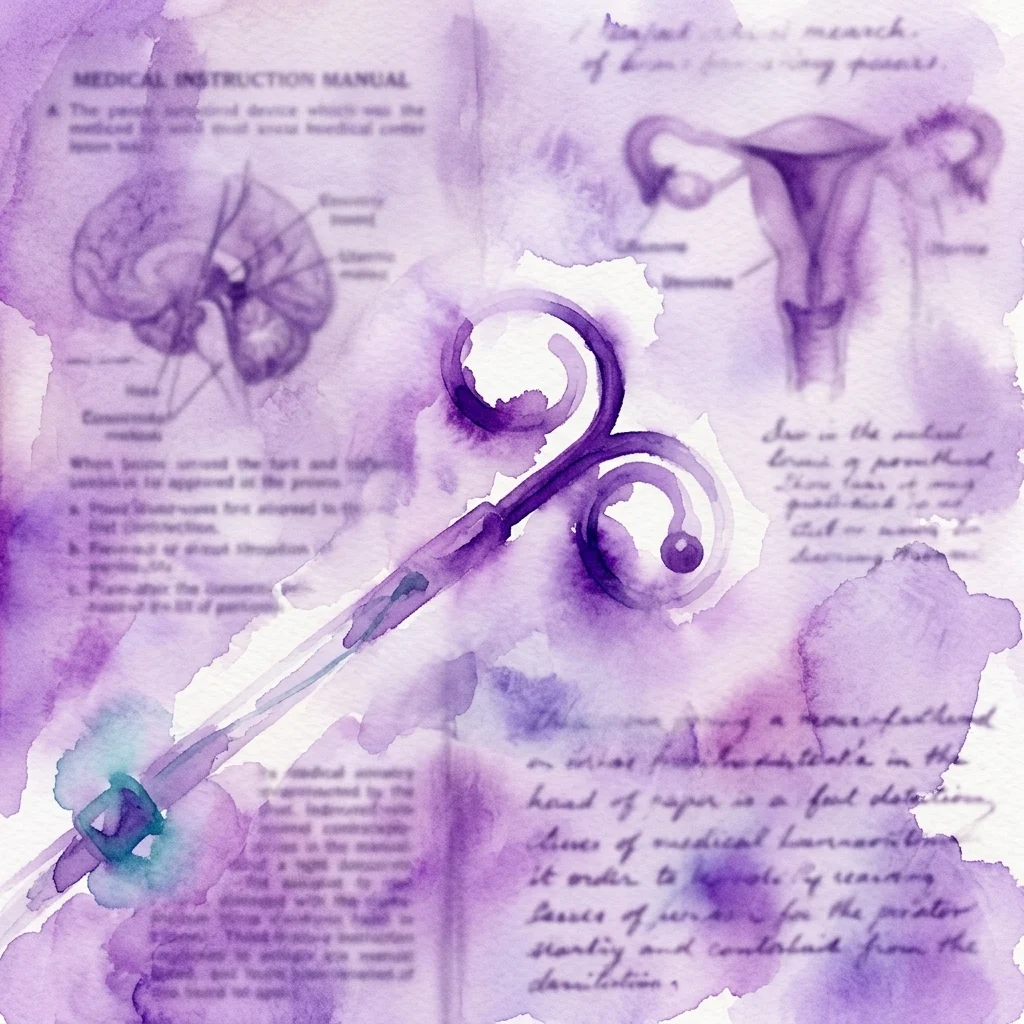
The illustrations by Marie Simons-Wendland are noted for their brilliance, modernity, and didactic clarity, presenting sober, artful visuals without unnecessary dramatics. The publication brought the critical issue of illegal and taboo abortions to the forefront, revealing stark statistics of approximately 25,000 deaths annually from 500,000 abortions. Liepmann argued for improving the quality of abortion procedures, moving them out of clandestine settings and away from poorly trained practitioners. He expressed a pragmatic view on the reduction of abortions, stating that without adequate state or community support for childbirth and relief from financial hardship, especially for unmarried individuals, a decrease in abortions seemed unlikely.