Unpacking the Architectural Vision: J. Williams on Museum Het Schip in Amsterdam
Museum Het Schip, a renowned landmark in Amsterdam, stands as a prime example of the innovative Amsterdam School architectural style. A compelling interpretive essay by art critic J. Williams, titled "Het Schip: material for dreaming," delves into the profound artistic and social significance of this iconic building. Originally published on the museum's website, Williams's text offers a deep exploration of Het Schip's unique character and its lasting impact on the city's cultural landscape.
Het Schip: A "Workers' Palace" and Architectural Icon
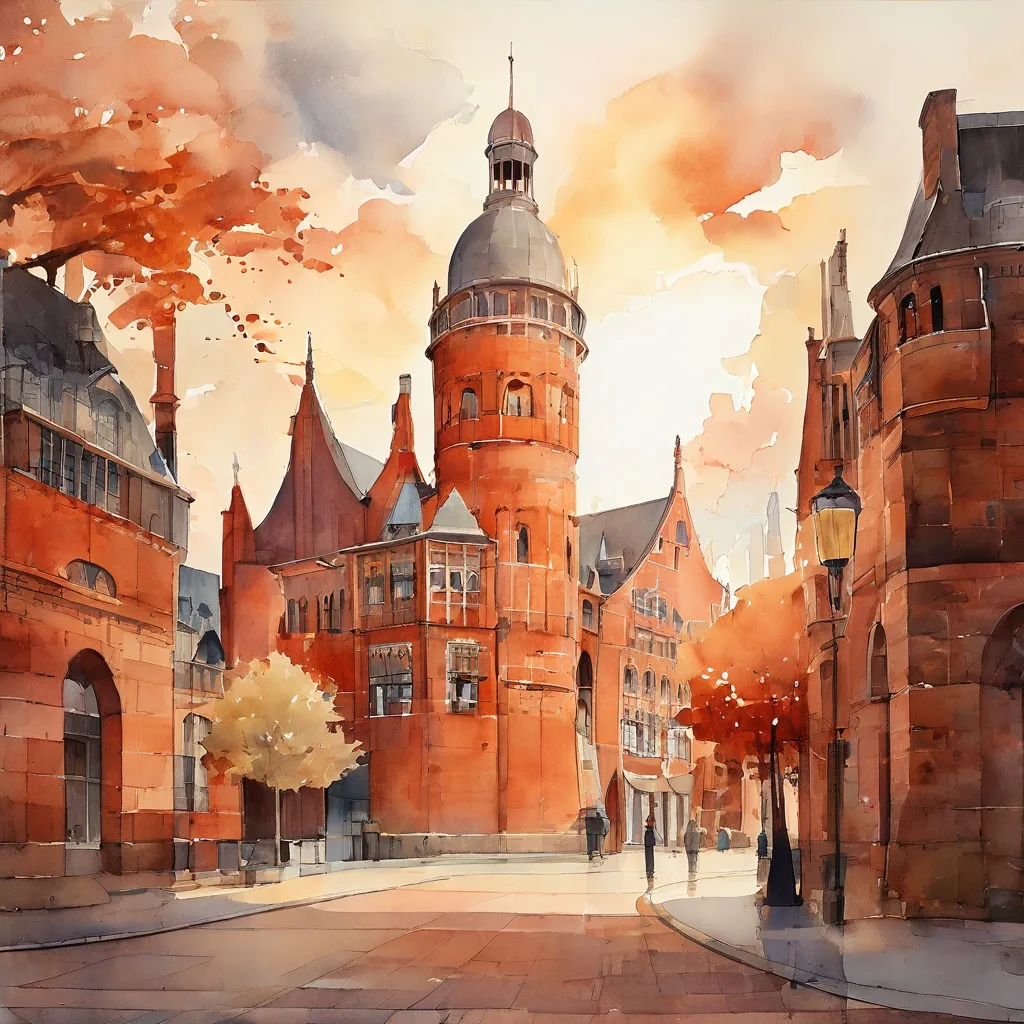
Williams begins by inviting readers to "hop on board" Het Schip, describing it as a "red bricked modern ark" that seems to traverse the "foam of dreams." Designed by Michel de Klerk in the 1920s, the building was conceived as a "workers' palace" and quickly became one of the purest architectural expressions of the Amsterdam School style, which flourished between 1915 and 1930. This movement, led by architects like de Klerk, profoundly shaped Amsterdam's urban environment.
The essay highlights how Het Schip transcends its original function as social housing. Williams interprets the space as a "global substance" where every detail holds particular meaning, culminating in a masterpiece that celebrates communal art. The building's visual principles, emblematic of the Amsterdam School, showcase an artistic approach to architecture that prioritized subjective expression over the objective methods seen in other contemporary movements like De Stijl.
Diverse Inspirations Behind Het Schip's Forms
Williams explores the multifaceted inspirations that may have influenced Het Schip's distinctive design. Despite its socialist origins, initiated by the Eigen Haard cooperative housing association, the building's forms evoke a sense of spiritual expression. The famous tower, a defining feature of Het Schip, is noted for recalling styles found in Java or Bali, rather than traditional church spires, hinting at connections beyond post-colonial Netherlands.
The Amsterdam School architects, including de Klerk, had encounters with the colonial world of the Dutch East Indies and were familiar with indigenous architectures, such as those of the Minangkabau and Batak peoples. Williams specifically points out how Het Schip's spectacular tower resembles the Borobudur temple in Java, suggesting a deep well of cross-cultural artistic influence. The essay also ponders connections to the Theosophical Society, active in the Netherlands during that period, and the late 19th-century discoveries in the animal world, hinting at the complex tapestry of ideas that fed the utopian visions of the era.
An Enduring Symbol of Utopian Ideals in Amsterdam
Ultimately, Williams portrays Het Schip as a "superb witness" to a moment of intense utopian thought and the emergence of new imaginary landscapes in Western European mass societies. He concludes that the building celebrates the "continuity of the ages," with its materials appearing alive and its form waving on its bricked hull as if leaving its shores. The full interpretive text by J. Williams can be found on the Museum Het Schip website.
This exploration by J. Williams offers visitors to Museum Het Schip in Amsterdam a richer understanding of its architectural brilliance and its place within a broader history of art, society, and philosophy. To discover more about the architectural marvels and cultural institutions around you, explore Musemap (musemap.art) for other museums in the city or browse our interactive map to find unique spots.