Adult€17.50

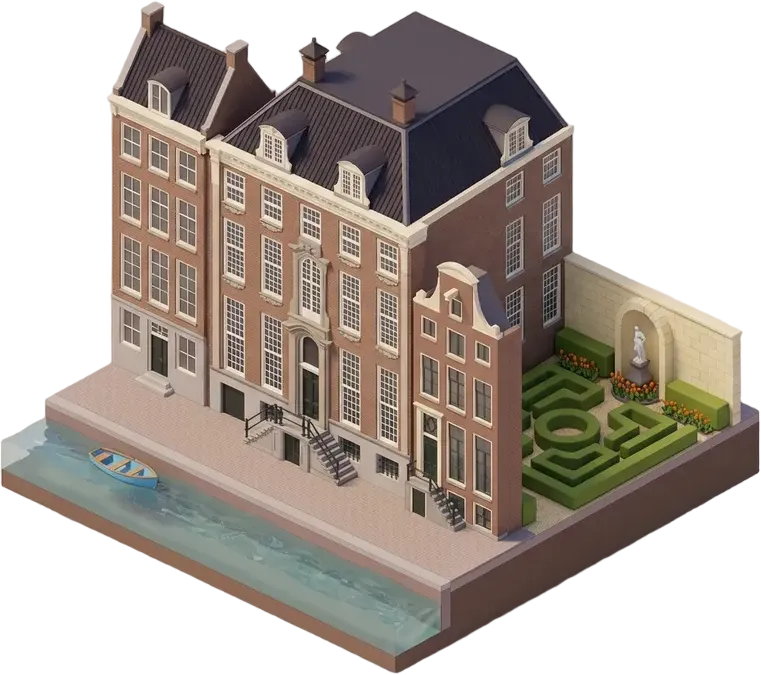
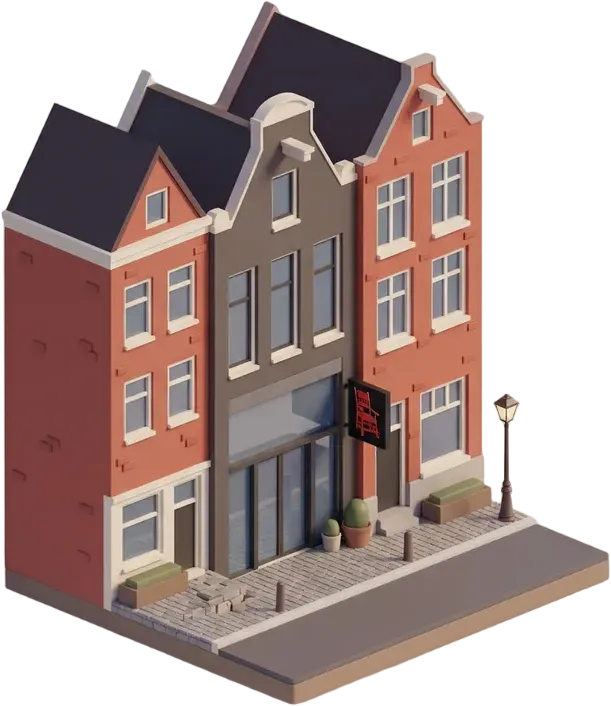
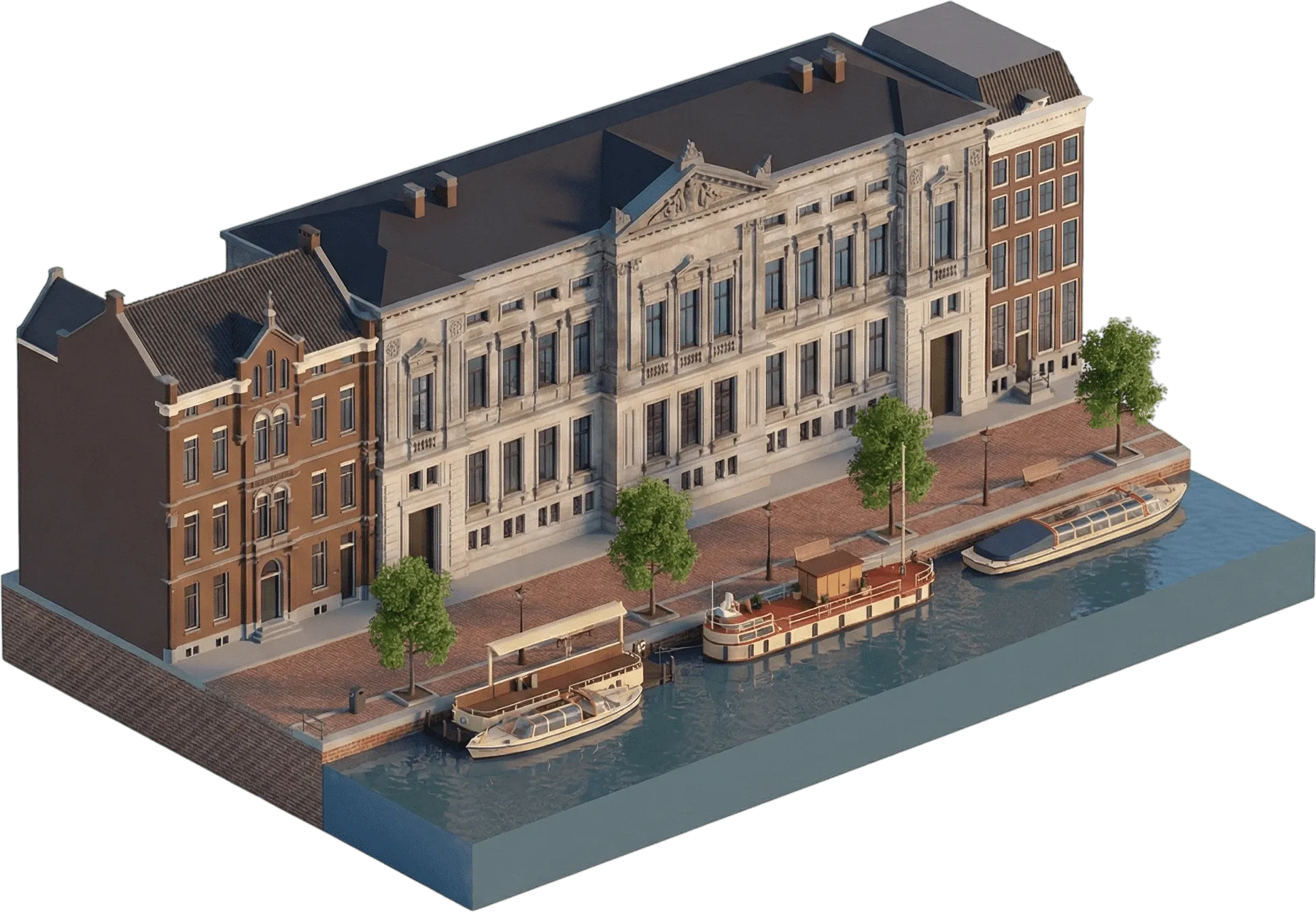
Museum Van Loon is housed in a preserved canal house in Amsterdam. Visitors can step inside to explore the historic rooms and gain insight into traditional canal house living.
Step inside a historic Amsterdam canal house at Museum Van Loon to discover preserved interiors and a glimpse of past life.
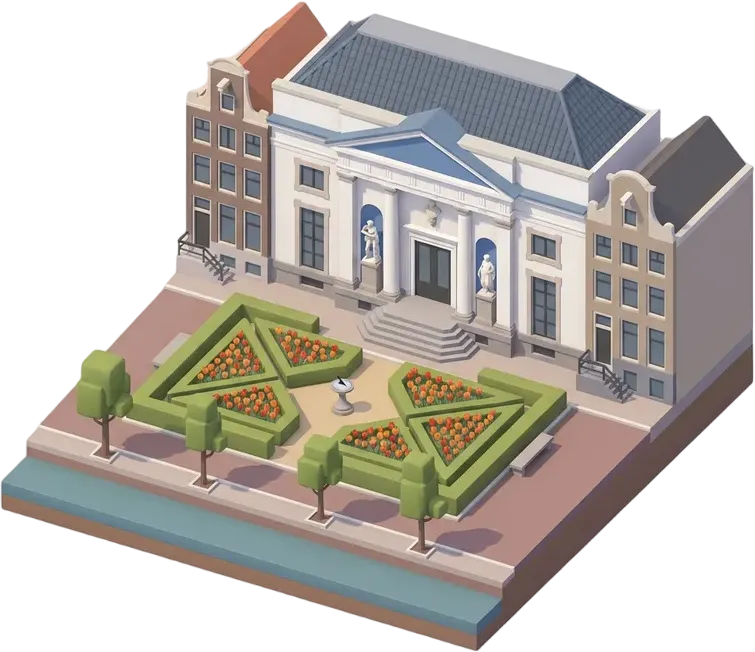
Museum Van Loon is a distinctive cultural institution housed within a preserved canal house in Amsterdam. It invites visitors to step inside a historic residence and experience the ambiance and layout of a traditional Dutch canal-side home. The museum offers an opportunity to explore its rooms, providing a glimpse into domestic history, preserved architecture, and interior design, fostering an understanding of its historical significance.
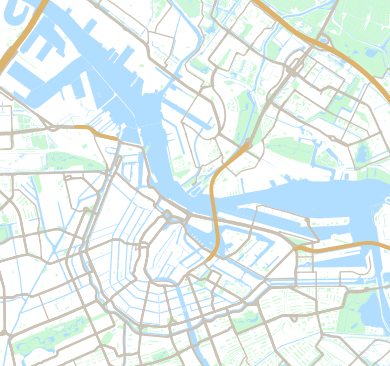
Museum Van Loon is located on Keizersgracht 672, within the historic Grachtengordel Zuid neighborhood of Amsterdam. This central canal belt position places the museum amidst the city's iconic waterways and architecture. Its setting as a preserved canal house offers visitors an authentic experience of Amsterdam's past, directly reflecting its historical context.
Keizersgracht 672
1017 ET Amsterdam
Grachtengordel Zuid, North Holland, NL
A typical visit to Museum Van Loon usually spans between 60 and 90 minutes, providing ample time to explore. Although timed entry is not required, it is highly recommended to make a reservation in advance for a smoother arrival. This helps manage the flow of visitors at the historic canal house museum in Amsterdam.

Museum Van Loon, situated in Amsterdam, invites visitors into a meticulously preserved historic canal house, offering a unique glimpse into the opulent world of an Amsterdam regent family. The museum distinctly showcases a traditional Dutch canal-side home, allowing guests to explore its elegant rooms and observe authentic architectural features. This experience provides an an immersive understanding of 17th and 18th-century domestic life and the historical significance of such an important architectural type. Through its interiors, art, and gardens, the venue distinctly connects visitors with the city's rich history and local heritage, making it a deep dive into Amsterdam's cultural past.
The historic building that houses Museum Van Loon in Amsterdam was originally constructed in 1672, designed by the notable architect Adriaan Dortsman. Following its completion, the canal house served as the residence for the esteemed artist Ferdinand Bol. The interior saw refinements over the years, with owners in the 18th century implementing a sophisticated design focused on symmetry. The Van Loon family, after whom the museum is named, resided in the house from 1884 to 1945, a period during which Thora van Loon-Egidius served as lady-in-waiting for Wilhelmina of the Netherlands. The private family residence was officially established as Museum Van Loon in 1973, transforming it into a public cultural institution.
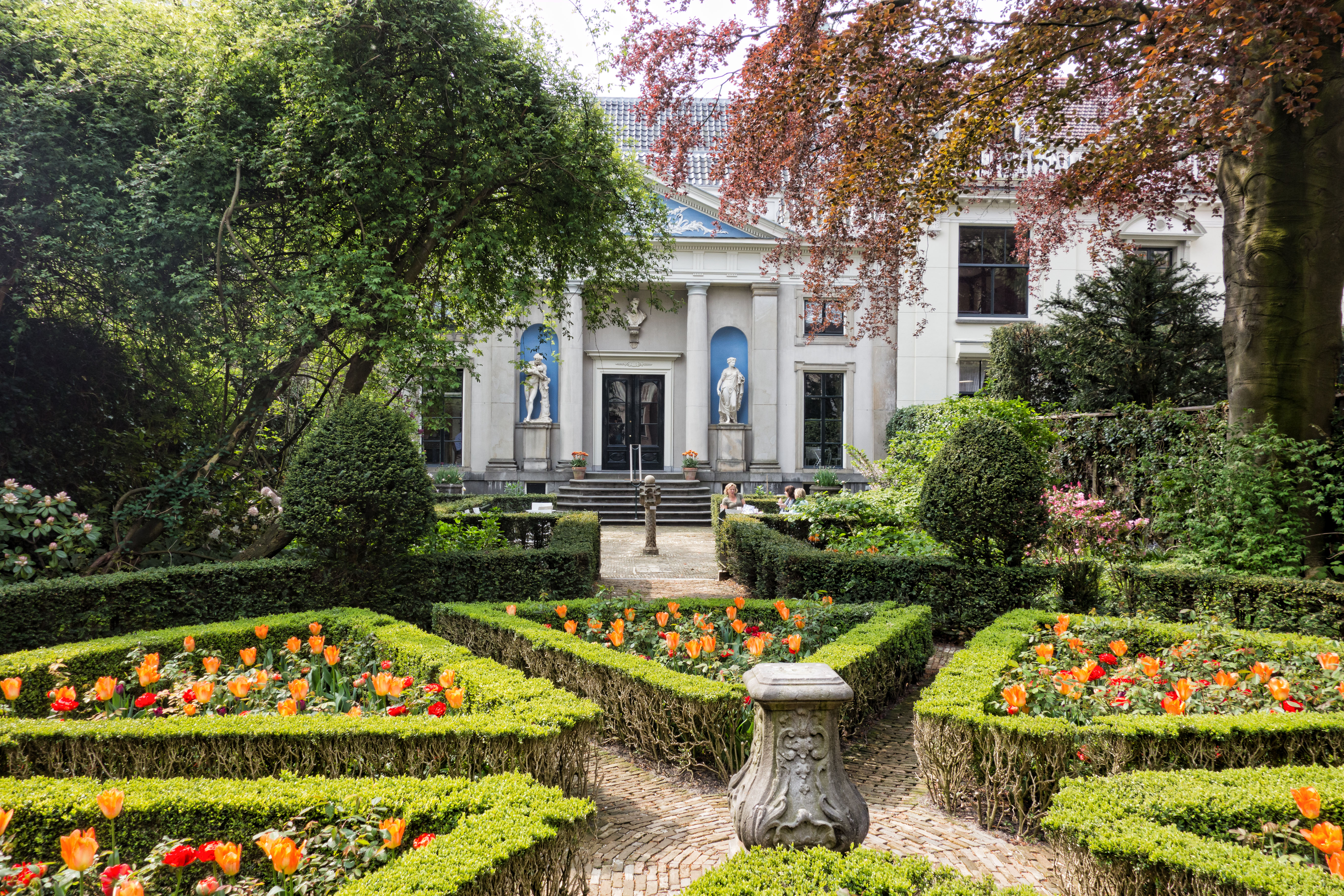
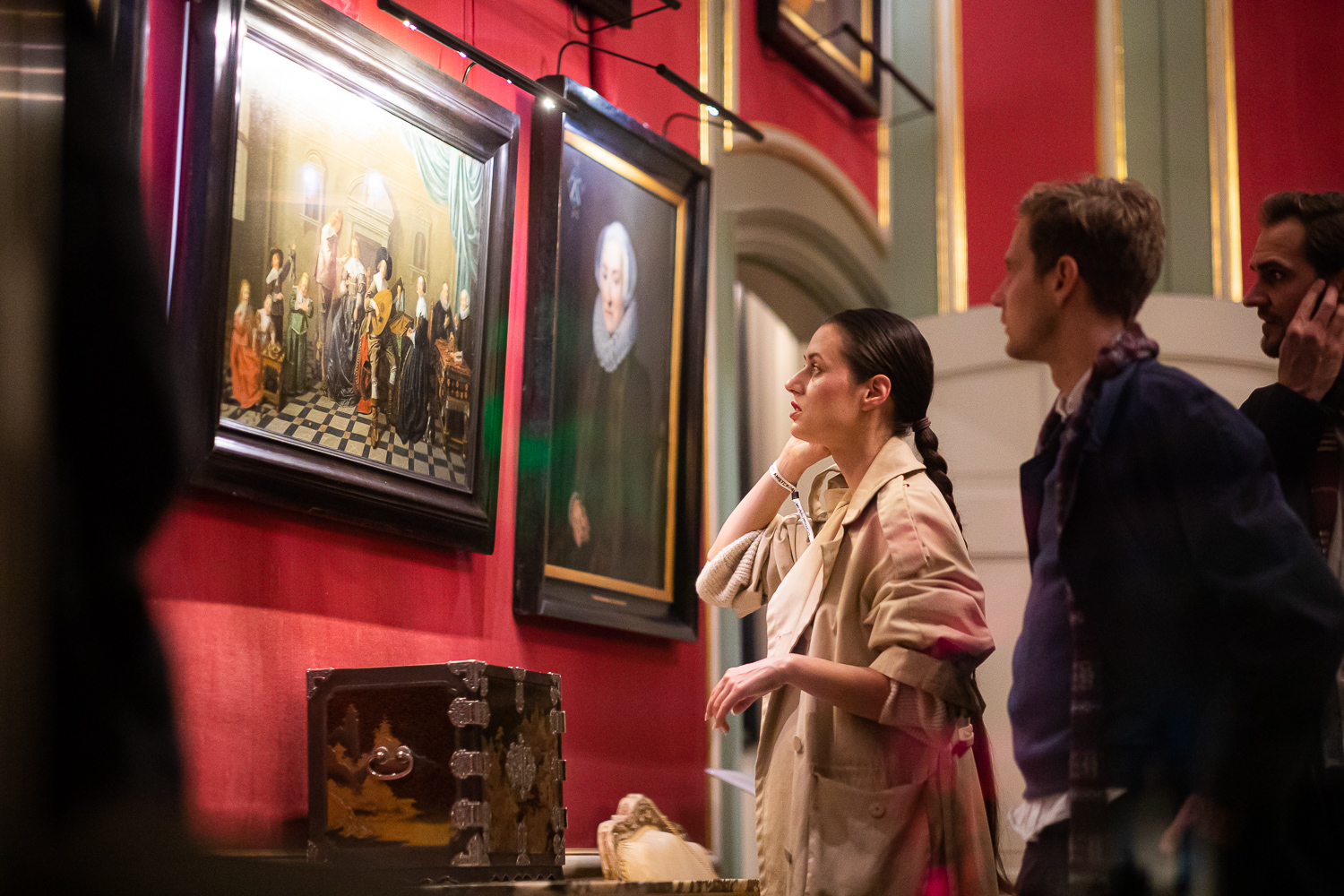
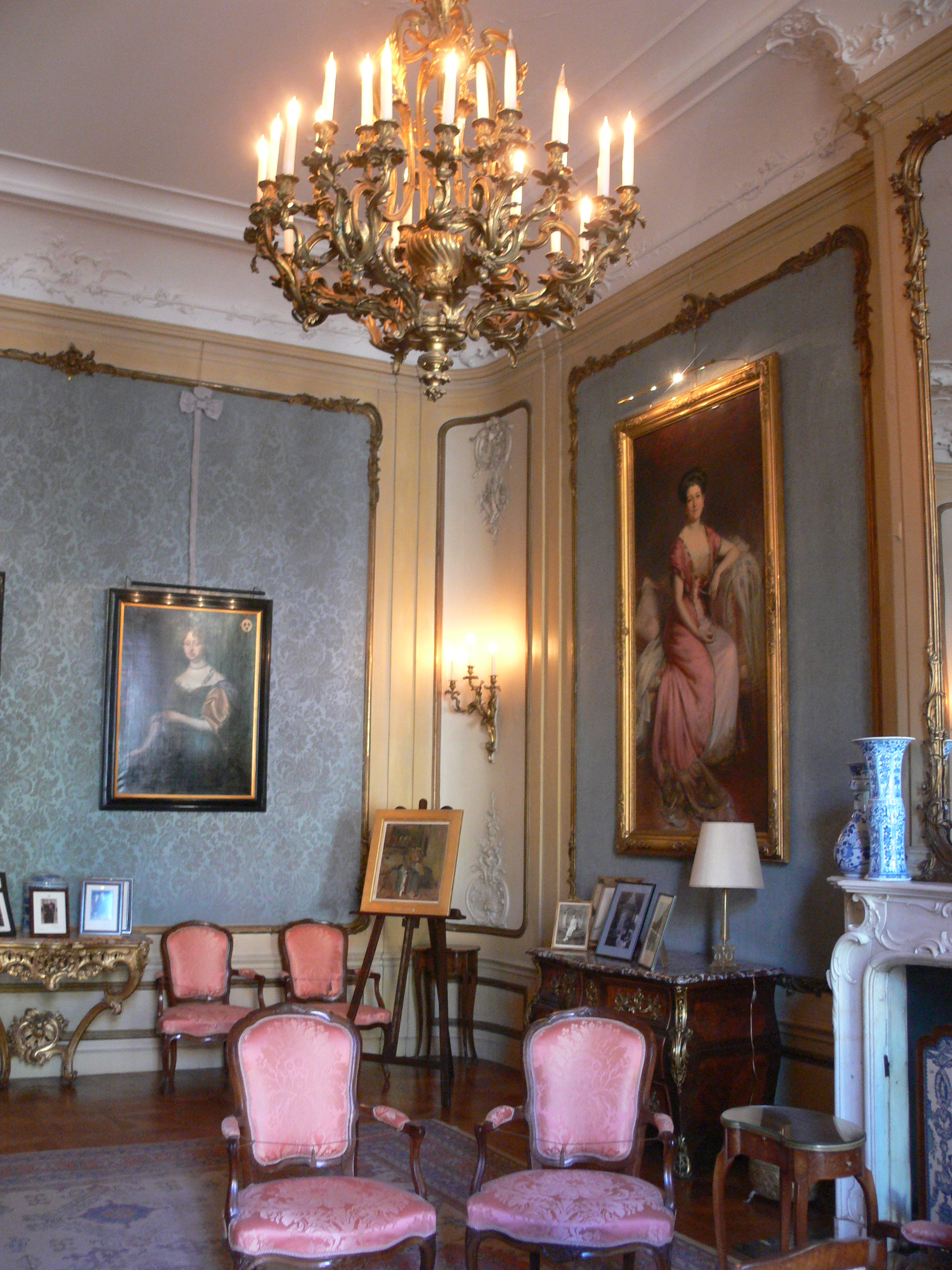
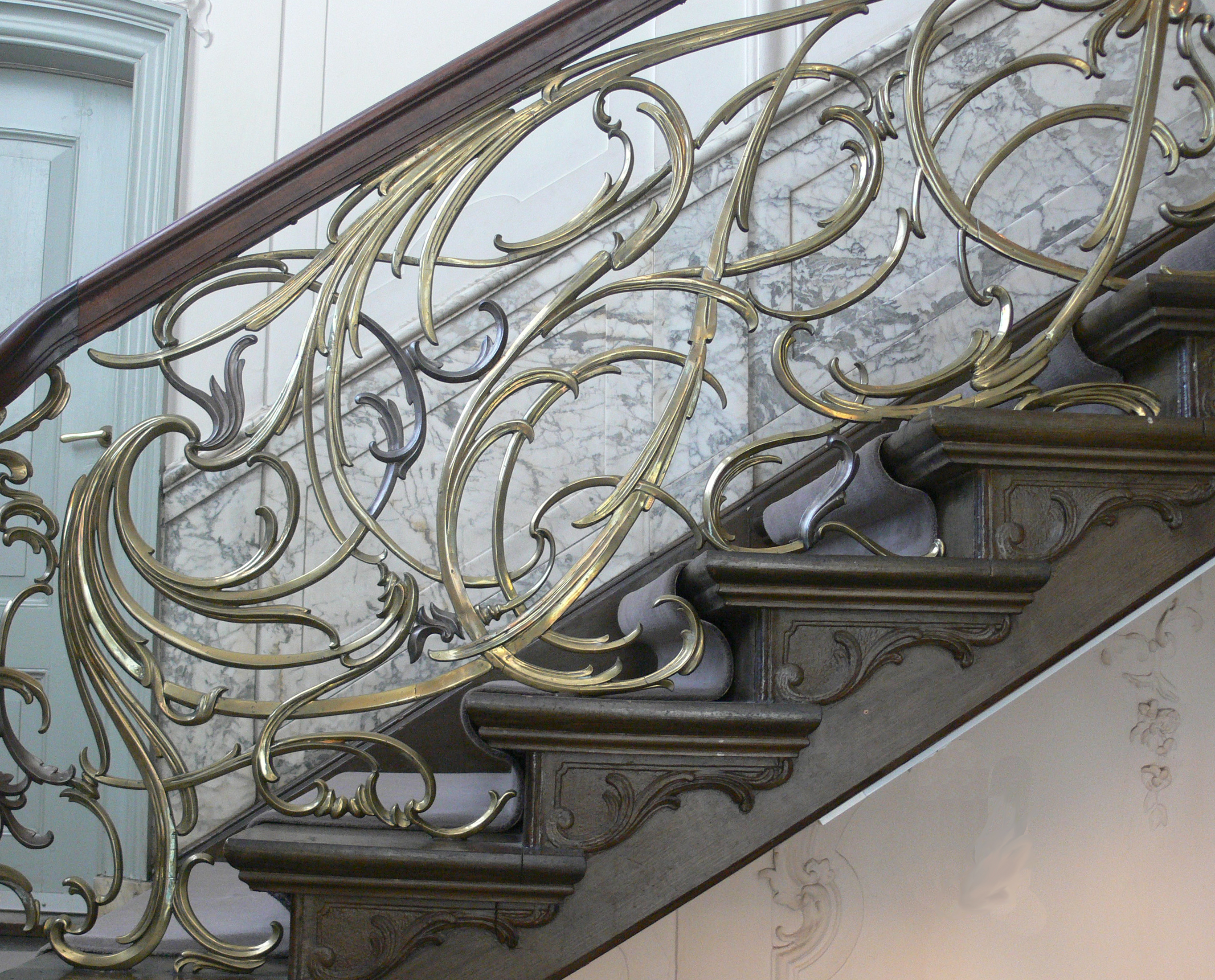
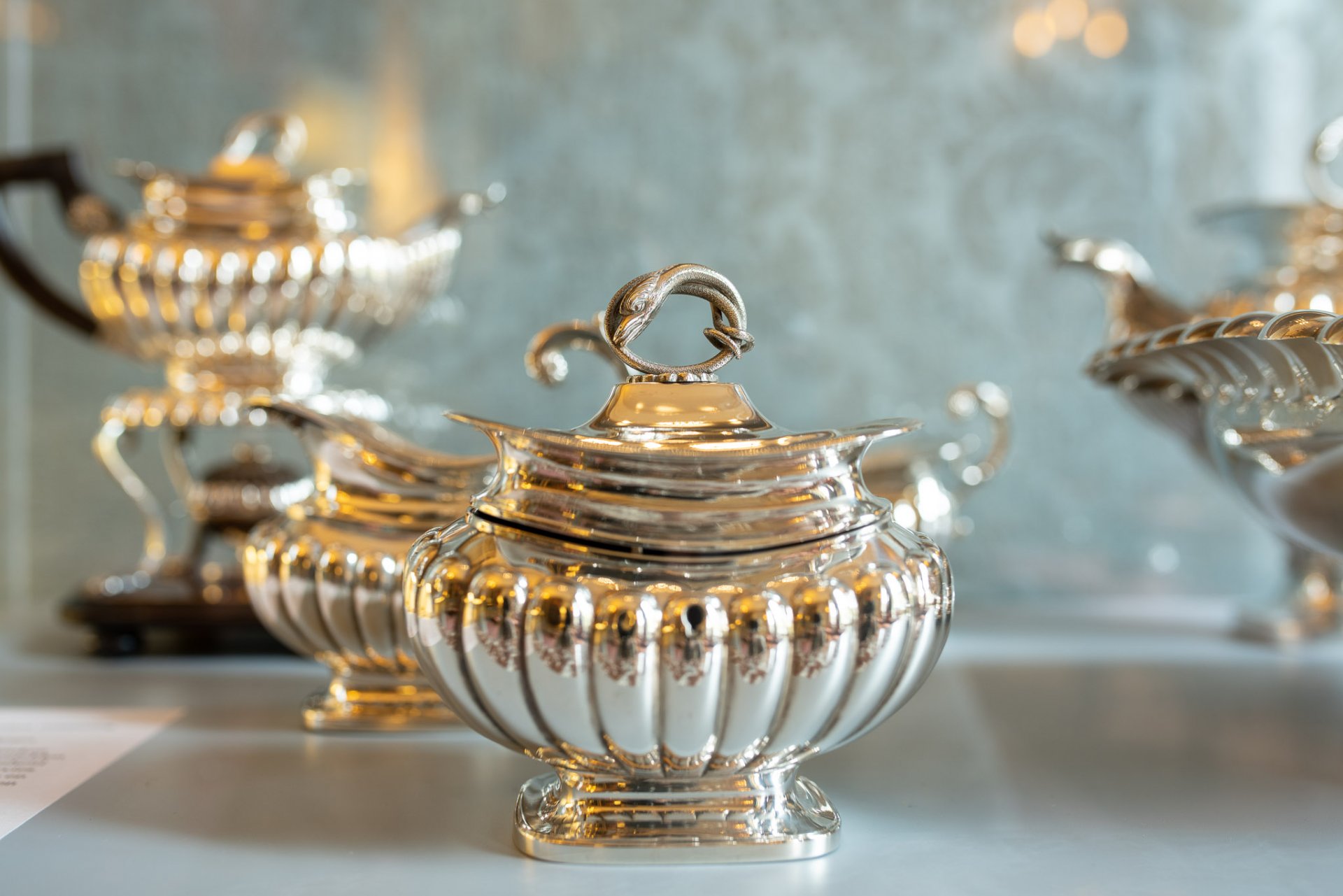
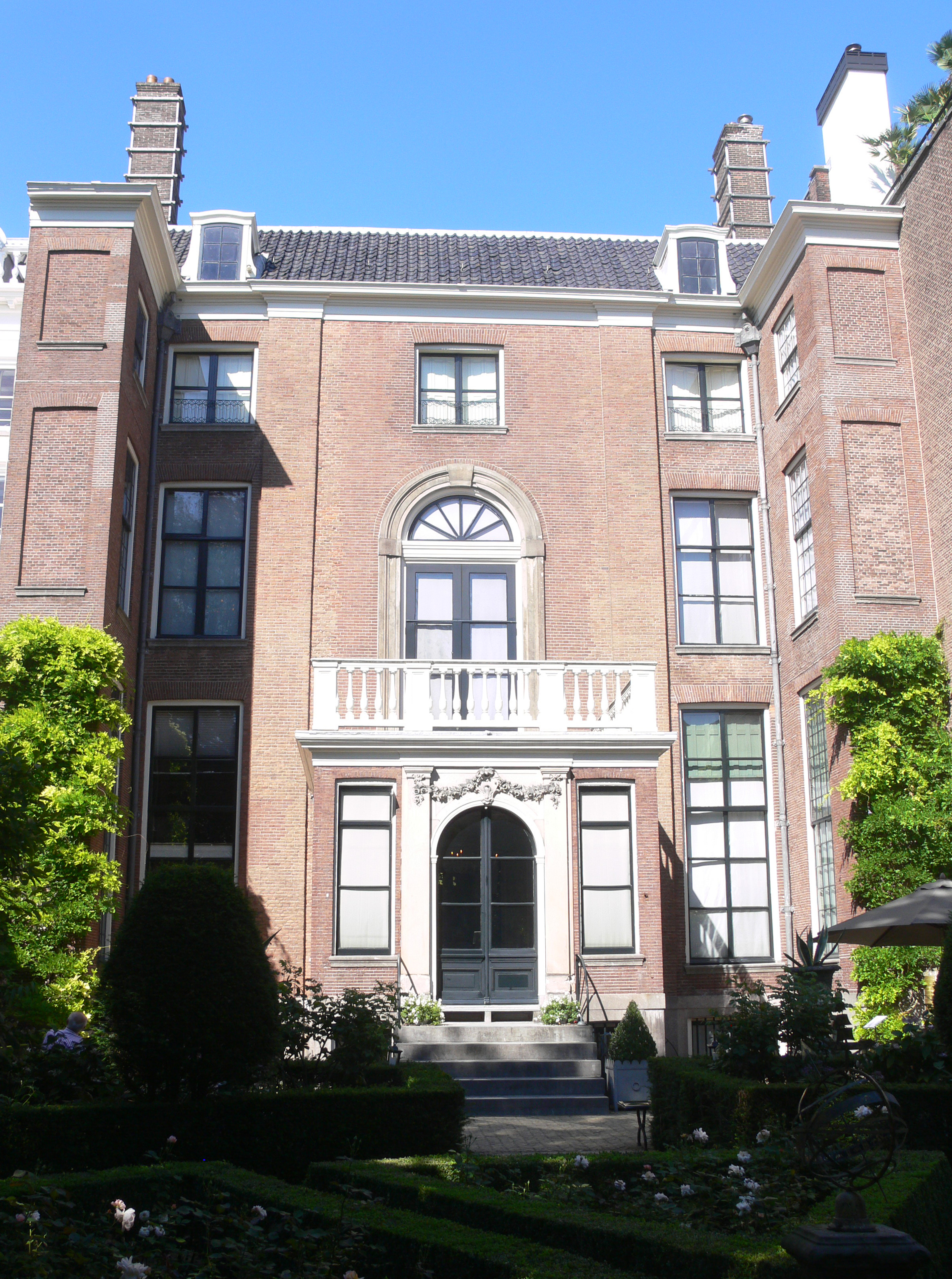
Explore Museum Van Loon through images that showcase its historic canal house in Amsterdam, offering a glimpse into past regent life. The photos feature elegant preserved interiors with classical architecture, historical paintings, and ornate details like a gold-colored metal railing on a marble staircase. You'll also see the formal garden with manicured hedges and the striking facade of this distinguished home, providing a comprehensive visual preview.
Discover unique art, history, and science museums in the city.
Navigate Amsterdam's extensive cultural offerings to find the perfect museum for your next visit. Explore different themes and historical periods to enrich your understanding of art and heritage. Locate institutions that spark your curiosity and delve into their unique exhibits.