The Stedelijk Museum Amsterdam is a prominent institution dedicated to modern and contemporary art and design. Explore a vast collection alongside dynamic temporary exhibitions that showcase groundbreaking works and artistic movements from the 20th and 21st centuries.
Discover modern and contemporary art, design, and photography at the Stedelijk Museum Amsterdam, featuring an extensive collection and rotating exhibitions.
The Stedelijk Museum Amsterdam is a leading international institution dedicated to modern and contemporary art and design. Its extensive collection, spanning from the early 20th century to the present day, features major works by influential artists and designers. Visitors can explore permanent collection displays that highlight significant movements, alongside a dynamic program of temporary exhibitions and educational initiatives.
Check today’s opening status, weekly schedule, and special date changes for Stedelijk Museum Amsterdam. Use these opening hours to plan your arrival and avoid closed times in Amsterdam.
Admission to the Stedelijk Museum Amsterdam is generally paid, though free entry is provided for visitors under 19 years old. Student tickets are available, offering a reduced rate for those with valid identification. Several cultural passes, including the Museumkaart, also grant free access, with some requiring advance reservations. The museum's ticketing aims to provide clear options for exploring its modern and contemporary art and design collections in Amsterdam.
Ages under 19
The Stedelijk Museum Amsterdam provides a range of facilities to support an inclusive visitor experience, featuring comprehensive barrier-free access and dedicated seating areas throughout the building. Guests can utilize services such as wheelchair-accessible restrooms, elevators, and assistive listening systems, while assistance animals are welcome on the premises. Practical resources like downloadable floor plans and specific tours in Dutch Sign Language are also offered to help ensure all visitors can navigate and enjoy the museum comfortably.
Disabled parking
AvailableWheelchair-friendly restroom
AvailableHearing loop (t-coil or headphones)
AvailableAccessible lift
AvailableVisitors can access the Stedelijk Museum Amsterdam using several accepted museum passes. These cards offer various forms of entry, though reservation requirements and access conditions can differ depending on the specific pass used for your visit to the museum.
Museum access, public transport, and sightseeing convenience.
The I amsterdam City Card offers a practical approach to sightseeing with entries to over 70 cultural spots. It combines museum access with essential city transport including bicycle rental and canal cruises for a flexible visiting experience.
Your guide to using the national pass in Amsterdam.
Discover how the Museumkaart annual membership provides unlimited admission to a variety of participating museums throughout Amsterdam. Learn about the program and how it connects visitors to local history, art, and science exhibitions.
The Stedelijk Museum Amsterdam is located at Museumplein 10 in the Museumplein neighborhood of Amsterdam. This central setting positions the museum within a prominent cultural district, offering convenient access for visitors exploring modern and contemporary art alongside other major institutions.
Museumplein 10
1071 DJ Amsterdam
Museumplein, North Holland, NL
For a smooth visit to the Stedelijk Museum Amsterdam, tickets are exclusively available online through the museum's website, and groups must book in advance. Please note that entrance to the museum is not permitted after 5:45 pm. Located in the Museumplein in Amsterdam, handbags up to A4 size are allowed in the galleries, but larger backpacks and weekend cases must be stored in lockers.

The Stedelijk Museum Amsterdam, located in the Museumplein neighborhood, stands as a leading institution for modern and contemporary art and design. It houses an extensive international collection spanning the 20th and 21st centuries, encompassing painting, sculpture, photography, film, video, and graphic design. Visitors can immerse themselves in permanent displays showcasing major movements and influential artists, alongside a dynamic program of temporary exhibitions that bring new perspectives to the forefront. The museum offers an engaging visitor experience, allowing exploration of groundbreaking artworks and thought-provoking design, with accessible facilities ensuring comfort for all, including families.
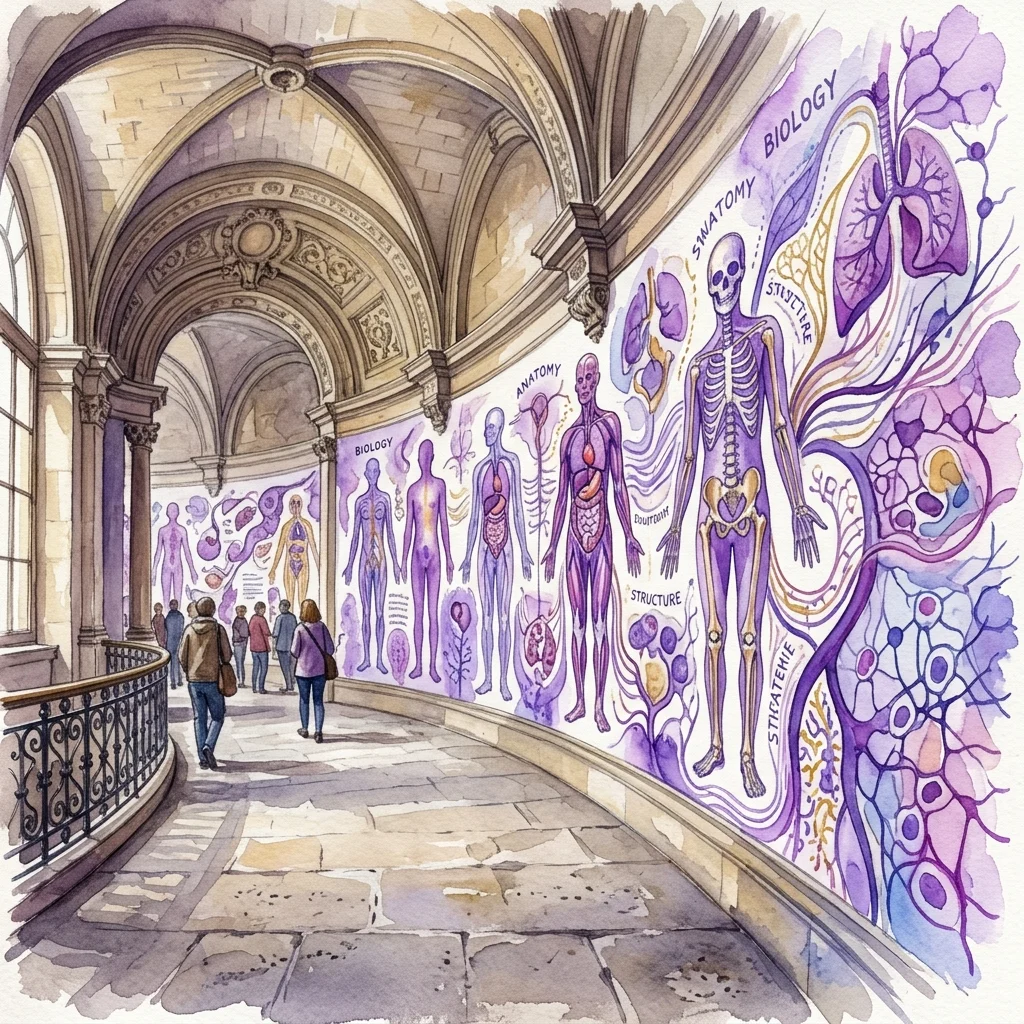
An immersive installation by visual artist Kexin Hao.
Artist Kexin Hao presents a series of anatomical murals that reframe the museum architecture as a living body. The installation critiques how systems categorize and define health, illness, and resistance.
Anatomy of Obstruction
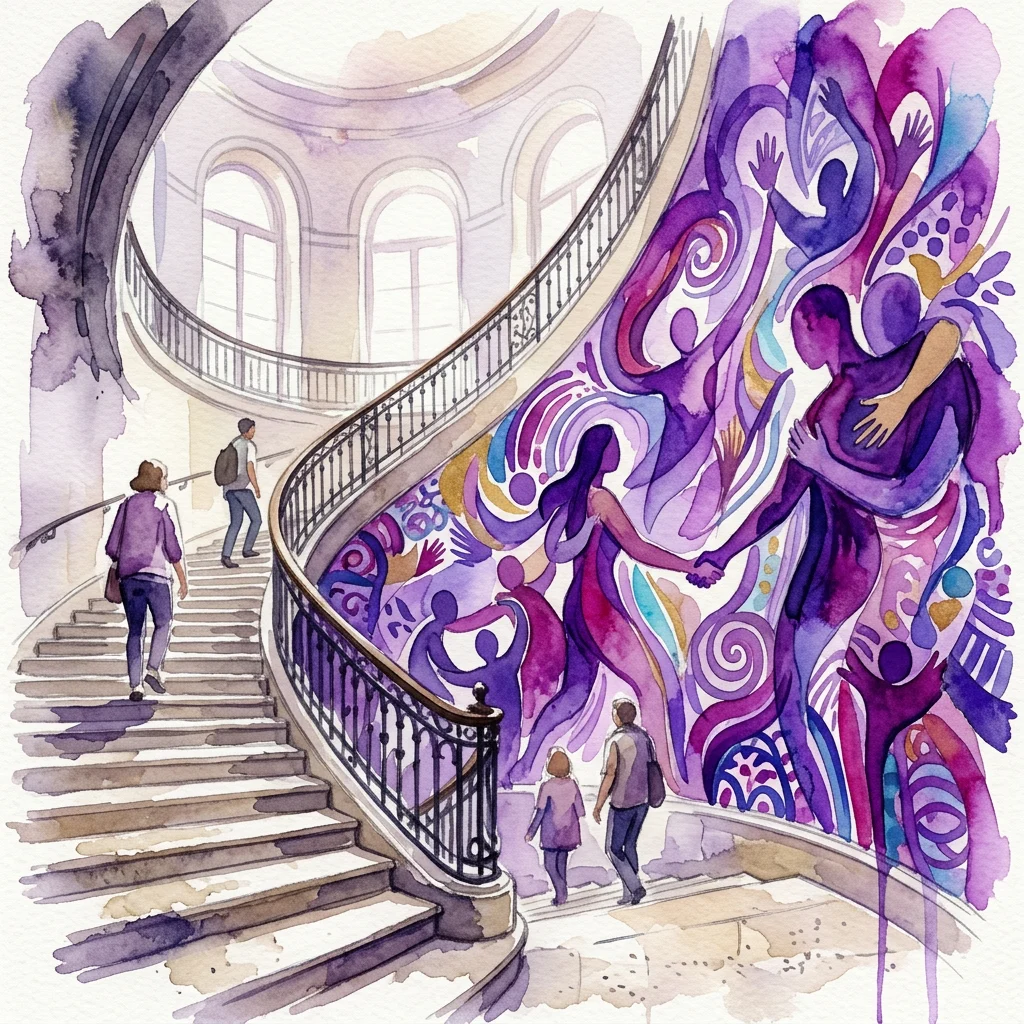
A new exhibition highlighting contemporary graphic art exploring unity.
Experience 'Post/No/Bills #6', showcasing Hedy Tjin's vibrant murals as part of an acclaimed series. Her expressive graphic art at Stedelijk Museum Amsterdam explores compelling themes of connection and solidarity.
Exhibition
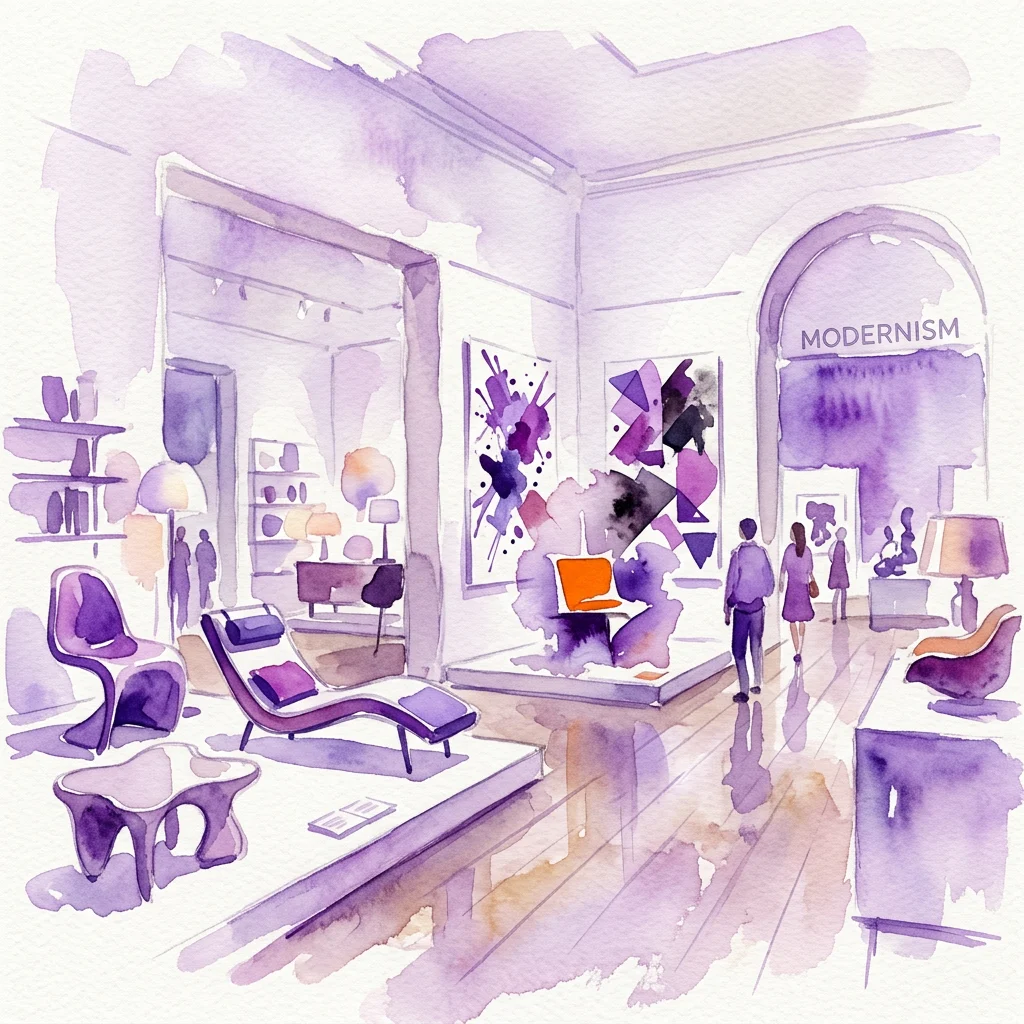
Celebrating a pivotal figure in Dutch post-war design history.
Delve into the influential work of Kho Liang Ie, known for his unique contributions to Dutch mid-century modernism. This exhibition highlights his poetic functionalist designs, innovative material choices, and impact on furniture, interior, and graphic art.
Kho Liang Ie Exhibition
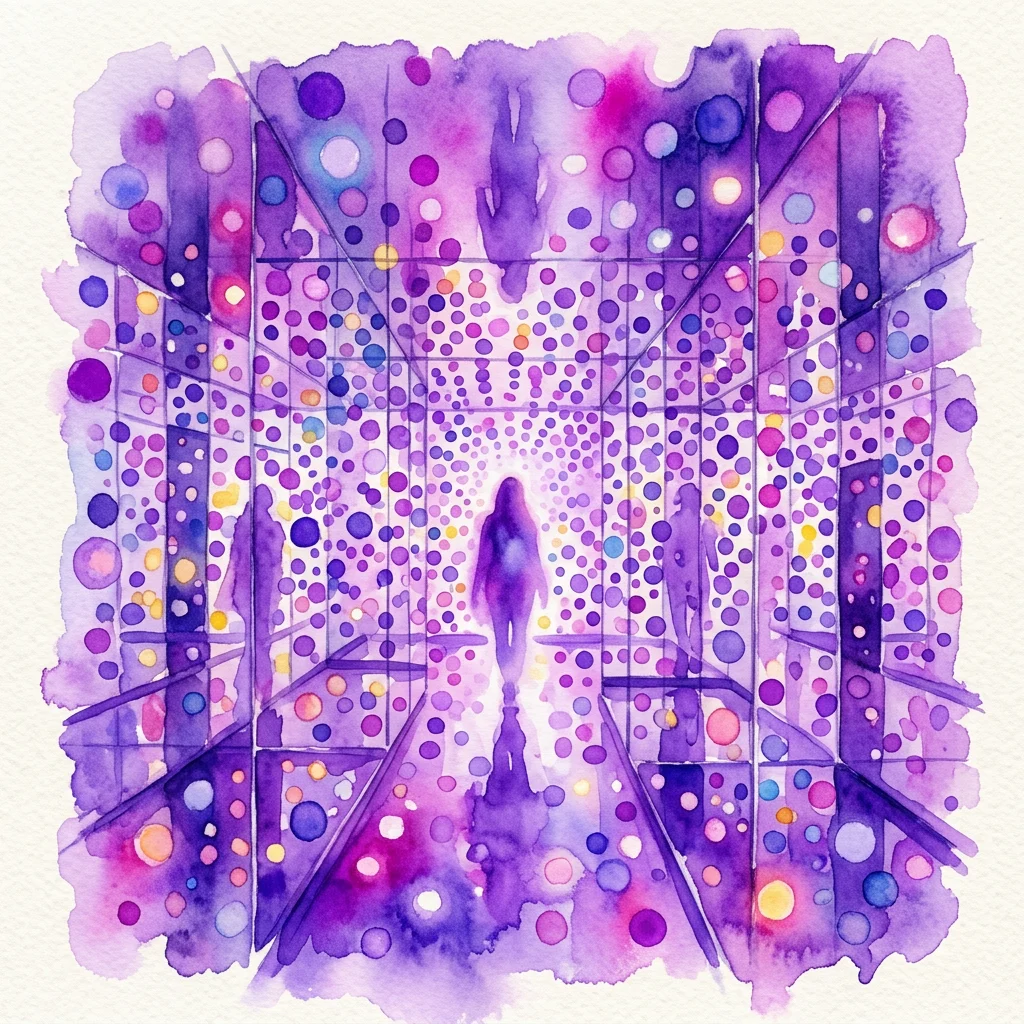
Delve into the art of an internationally renowned contemporary artist.
Experience the monumental retrospective showcasing Yayoi Kusama's artistic evolution through diverse media. Featuring a wide range of works, the exhibition delves into her signature concepts of infinity, self-obliteration, and repetition.
Yayoi Kusama Exhibition
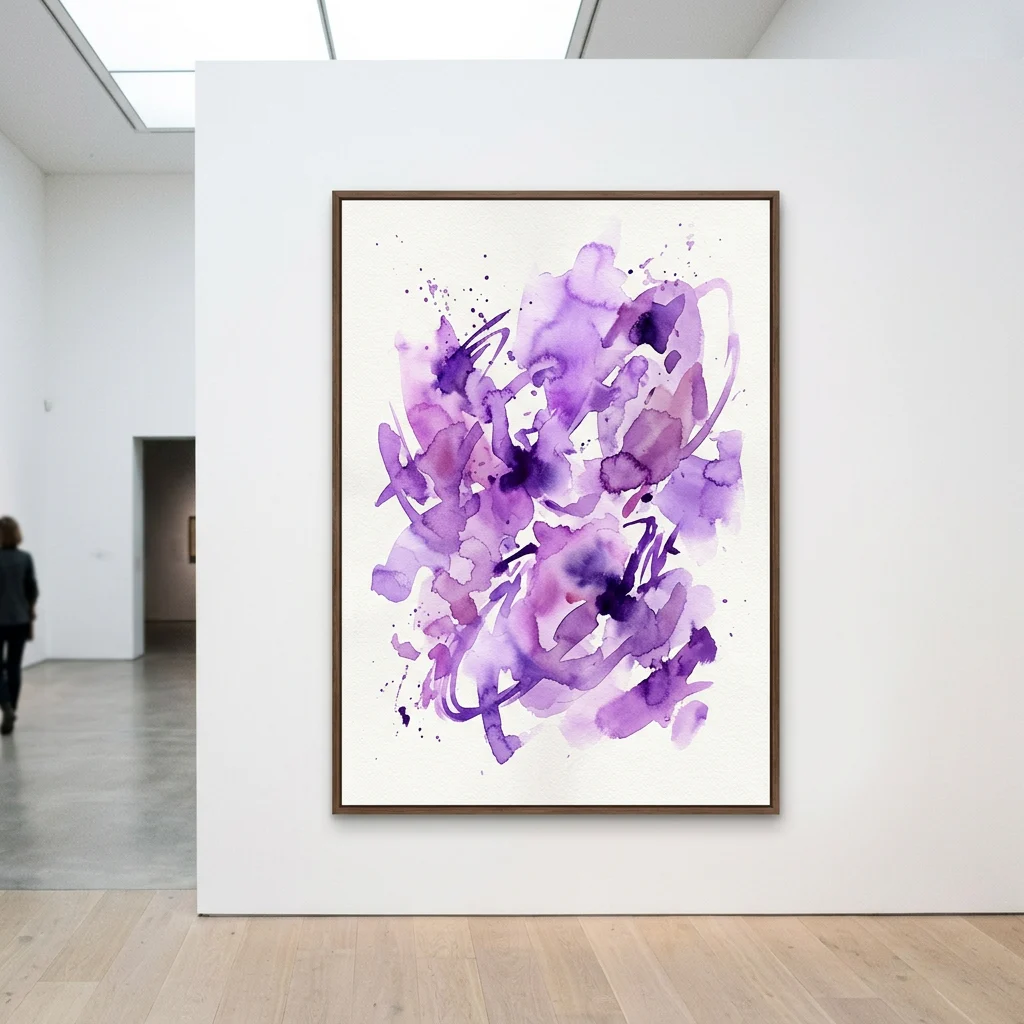
Visualizing extinct information carriers through graphic design and conceptual art.
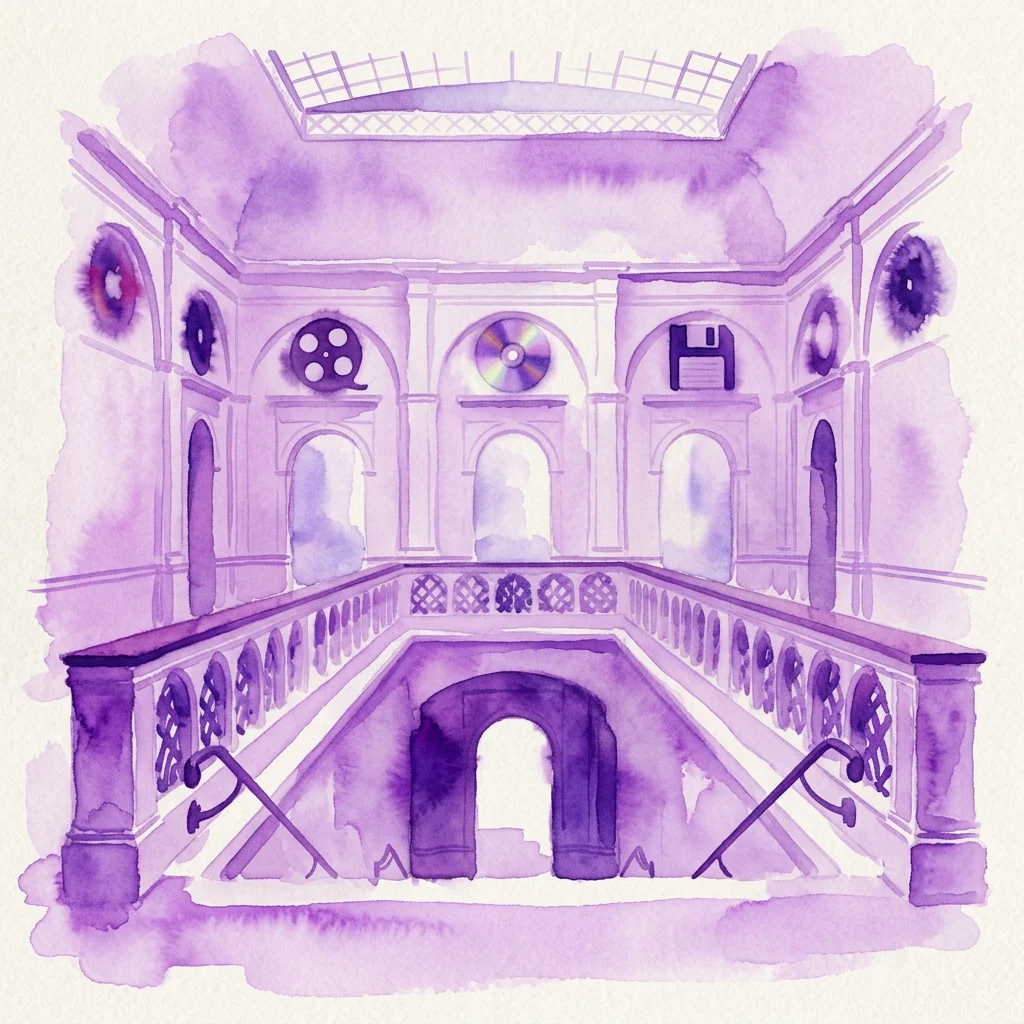
Delve into Experimental Jetset's "Circuits" installation, uniquely designed for the Stedelijk Museum. This exhibition features abstract wall paintings that conceptually showcase the physical forms of old media, such as LaserDiscs and cassette tapes. It highlights the intricate relationship between physical carriers and information.
Exhibition Details
Featuring winner Kevin Osepa and fellow visionaries in Dutch art.
Witness specially commissioned artworks by Fiona Lutjenhuis, Kevin Osepa, Thierry Oussou, and Buhlebezwe Siwani. This award exhibition celebrates significant emerging talents and their contributions to visual culture.
Prix de Rome 2025
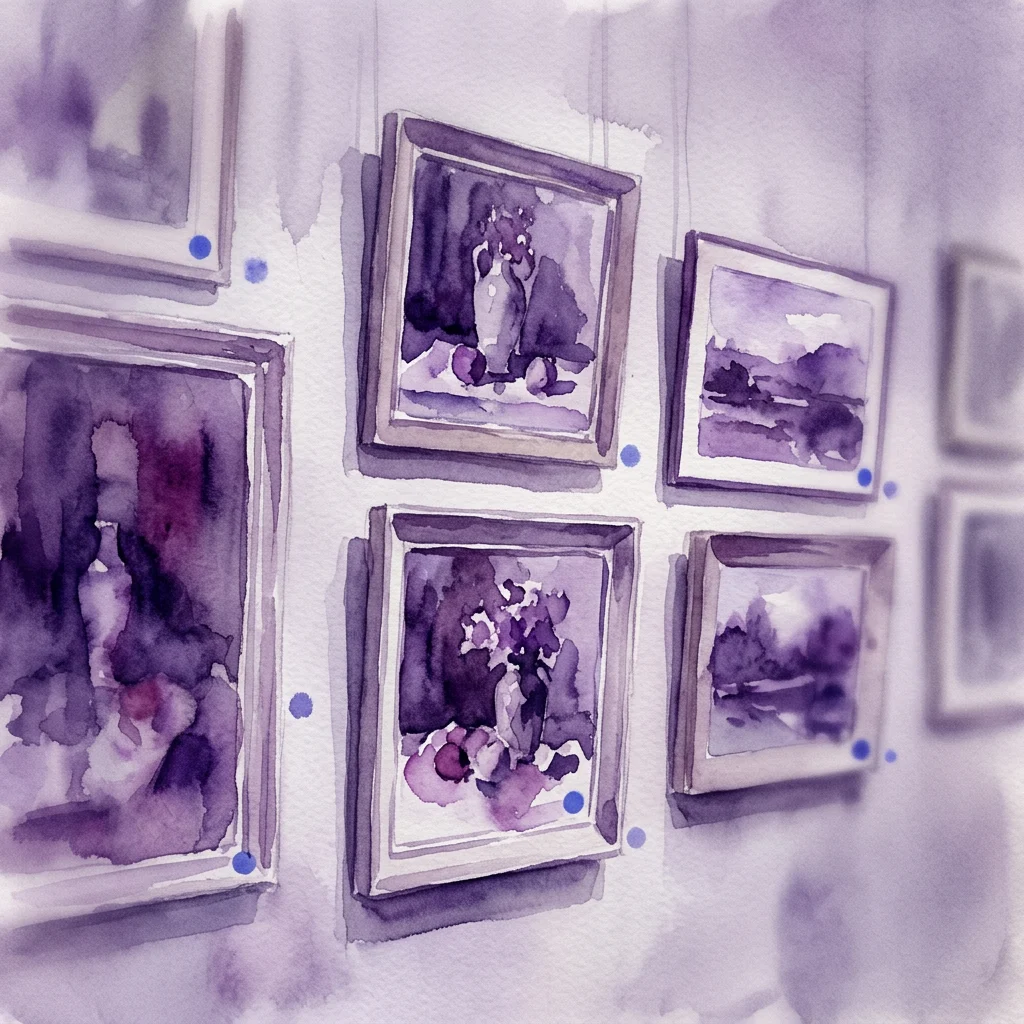
Explore overlooked artworks and historical criteria of cultural significance.
Discover the powerful story behind 'blue dot' artworks, once marked for lesser importance during wartime. This exhibition encourages reflection on art categorization, cultural heritage, and our evolving societal values. Find this special presentation at the Stedelijk Museum.
Blue Dots Exhibition
Celebrating the artistic legacy of a visionary Dutch photographer.
This exhibition honors Erwin Olaf's versatile career and creative process, from his early activism to iconic staged photographs. Discover his unique approach to identity, gender, and social issues, culminating with his final, unfinished video project.
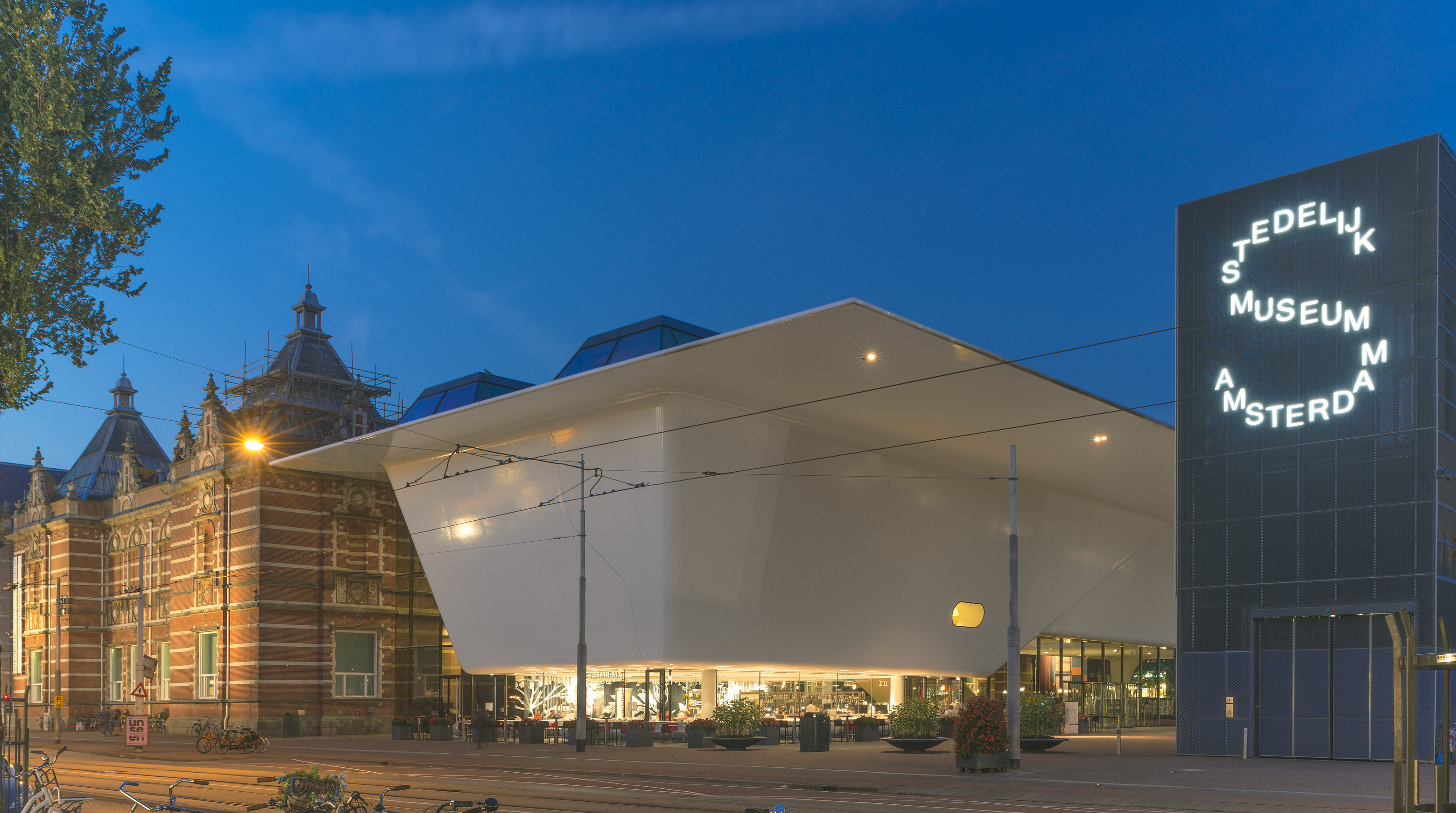
Erwin Olaf – FreedomThe Stedelijk Museum Amsterdam traces its origins to a significant donation by Sophia Adriana de Bruyn in 1874, which prompted the establishment of a society to form its initial collection. Its original Dutch Neo-Renaissance building was constructed between 1891 and 1895, and the museum officially opened to the public in Amsterdam on September 14, 1895, with a varied collection. Over the decades, particularly from the 1930s, the institution broadened its scope, actively acquiring modern art, photography, and expanding its cultural offerings to include modern music and film. By the mid-1970s, it transitioned to focus exclusively on modern and contemporary art and design. After extensive renovation and expansion, featuring the addition of the distinctive Benthem Crouwel Wing, the Stedelijk Museum fully reopened in September 2012.
The Vereeniging tot het Vormen van een Verzameling van Hedendaagsche Kunst (VVHK) was founded in 1874. This society was established to house the art and antiques collection donated by Sophia Adriana de Bruyn to the city, laying the groundwork for the museum.
Sophia Adriana de Bruyn was instrumental in the museum's origins, funding a significant portion of the construction costs and donating her collection of art and antiques to the city of Amsterdam in 1874.
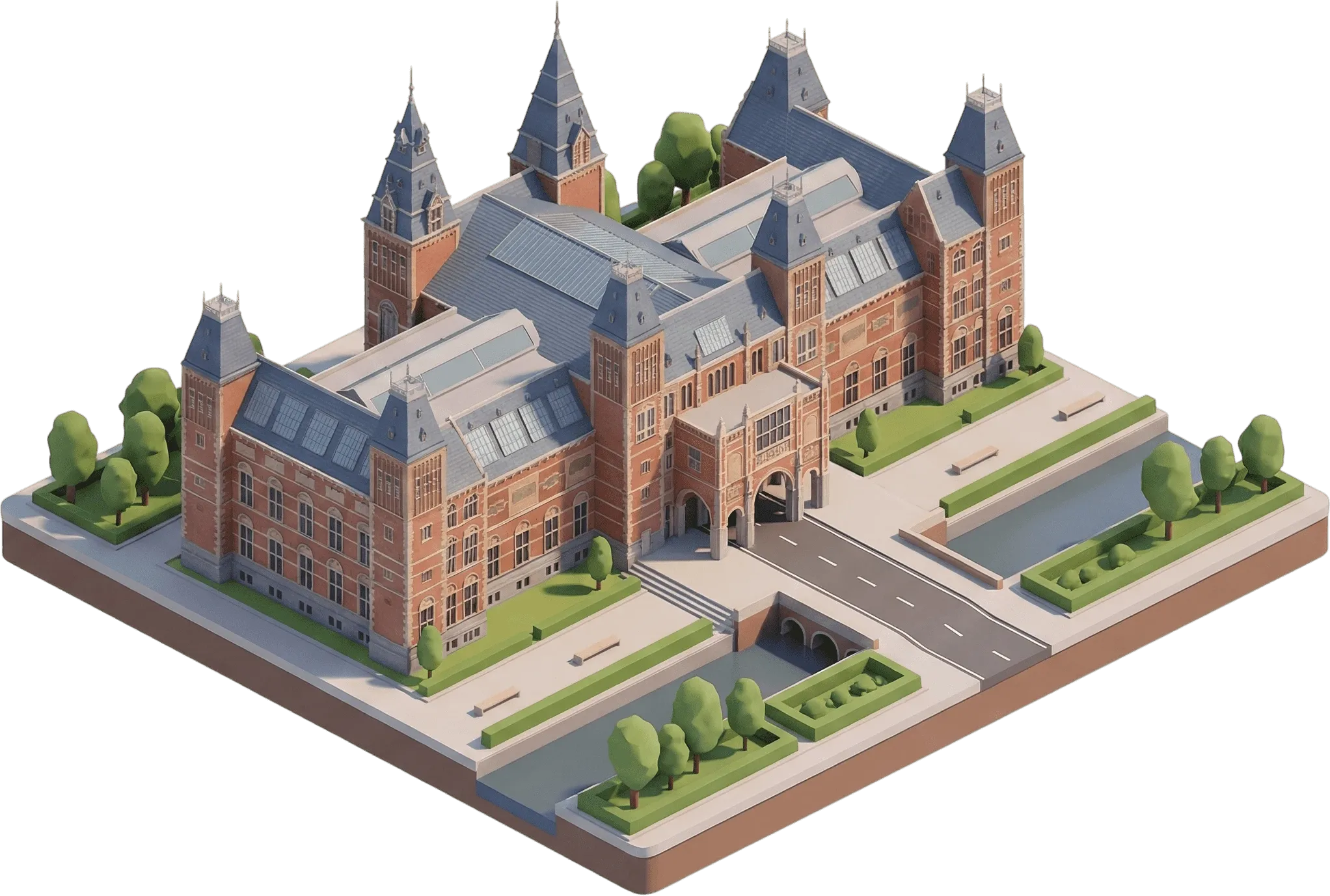
The Stedelijk Museum's original Dutch Neo-Renaissance style building, designed by architect Adriaan Willem Weissman, was constructed between 1891 and 1895 at Paulus Potterstraat, a short distance from the Rijksmuseum.
The Stedelijk Museum, Amsterdam, officially opened its doors to the public on September 14, 1895, as an initiative of local authorities and private individuals. Its initial collection included militaria, Asiatic art, and artifacts from other museums.
Cornelis Baard, initially appointed as curator in 1905, was promoted to museum director in 1920. During his tenure as curator, the local authority began building its own collection of modern art.
The museum initiated an active program of acquiring art in 1930, marking a significant expansion of its collection-building efforts to include modern art.
In 1932, a dedicated purchasing committee was established with two members from the VVHK and two from the local authority, overseeing all art purchases for the museum.
The Stedelijk acquired M.B.B. Nijkerk's collection of books in 1933, which subsequently broadened the museum's focus to include book design and typography in its scope.
The Museum of Applied Art opened on the ground floor of the west wing on December 15, 1934. Its collection featured furniture, glass, pottery, graphic design, and textiles, with an emphasis on Dutch work.
David Röell, who had previously served as secretary of the VVHK and worked at the Rijksmuseum, took over as the museum's director in 1936.
In January 1938, David Röell appointed Willem Sandberg as the new curator. Sandberg would later become the museum's director in 1945, initiating significant changes.
In 1938, director Röell had the polychrome staircase whitewashed and yellow skylight glass replaced. Curator Sandberg covered interior walls with white jute, creating an early forerunner of 'white cube' gallery spaces.
Willem Sandberg, previously the curator, took over as director of the Stedelijk Museum in 1945. His directorship marked a radical expansion in the museum's collecting policy and programs.
Under Willem Sandberg's leadership, a department of applied art was formally instigated in 1945, reflecting a broadening scope of the museum's collection and exhibitions.
At the start of 1950, the Stedelijk Museum began to present modern music, diversifying its cultural offerings beyond solely visual arts.
In 1952, the Stedelijk Museum became the host for the newly established Nederlands Filmmuseum and began regularly showing films, expanding its role in the cultural landscape.
An annex known as the Sandberg Wing was built in 1954 to specifically accommodate and showcase experimental art, reflecting the museum's progressive collecting policy.
A department dedicated to prints and drawings was formally instigated in 1954, further expanding the museum's collection and exhibition scope.
In 1956, Willem Sandberg initiated the acquisition of photography for the museum, making the Stedelijk the first Western European modern art museum to actively collect photography.
By 1956, the museum saw the addition of various new facilities, including a reading room, a print room, a museum restaurant and garden, and a new auditorium for film screenings and musical performances.
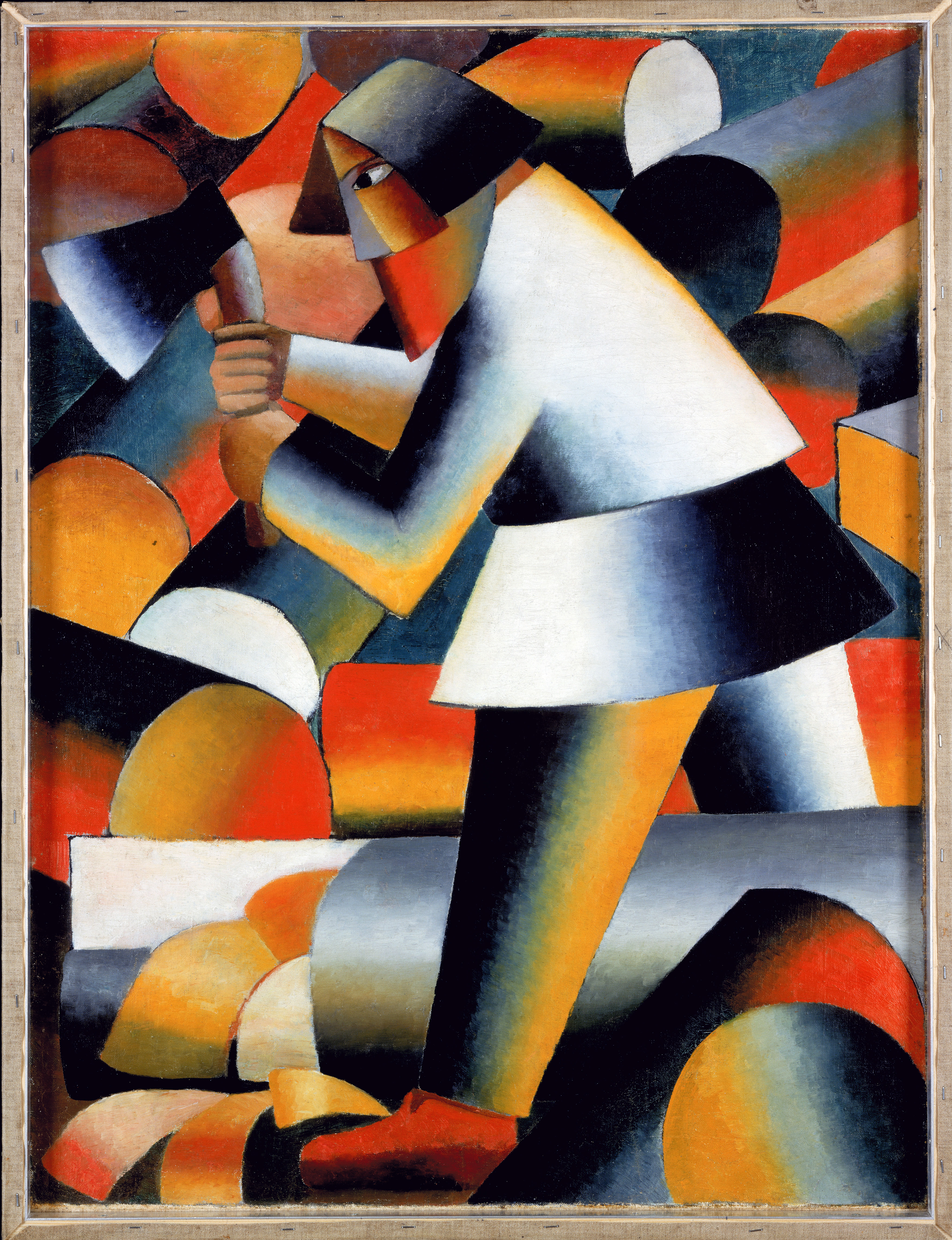
In 1958, Willem Sandberg acquired a significant group of works by Russian artist Kazimir Malevich, establishing the Stedelijk Museum with the largest collection of Malevich works outside Russia.
By 1962, the Vereeniging tot het Vormen van een Verzameling van Hedendaagsche Kunst (VVHK) handed over most of its collection to the Stedelijk, including works by notable artists such as Cézanne and Van Gogh.
Edy de Wilde took over as director from 1963 to 1985. Under his leadership, the Stedelijk began building its first collection of American contemporary art.
In 1963, Wim Crouwel and his design company, Total Design, began working for the Stedelijk Museum, establishing a consistent grid-based visual identity for catalogues, invitations, and posters using the Univers typeface.
In 1971, a communications department was formed at the Stedelijk, prompted by internal debates regarding the museum's social and educational functions and its public engagement.
The museum acquired its first video art pieces from European artists, including Jan Dibbets and Gilbert & George, in the early 1970s, marking an expansion into new media art forms.
By the mid-1970s, following the closure of its last period rooms, the Stedelijk Museum transitioned to become exclusively a museum dedicated to modern art.
On March 21, 1986, Gerard Jan van Bladeren vandalized Barnett Newman's painting 'Who's Afraid of Red, Yellow and Blue III' (1967) with a utility knife during a psychotic episode.
On May 20, 1988, three significant paintings—Van Gogh's 'Vase with Carnations,' Jongkind's 'Street in Nevers,' and Cézanne's 'Still life with bottles and apples'—were stolen. All three were recovered undamaged on May 31, 1988.
In the early 1990s, a competition was held to renovate the museum due to a lack of modern facilities. Robert Venturi won the contract, though he was later replaced in 1996.
In 1993, a leak in the museum's roof caused damage to several large paintings, including works by Ellsworth Kelly and Julian Schnabel, underscoring the urgent need for facility upgrades.
Portuguese architect Álvaro Siza Vieira replaced Robert Venturi in 1996 to lead the museum's renovation project, though approval for his design took six years and involved significant modifications.
On November 21, 1997, Gerard Jan van Bladeren, the same vandal, attacked Barnett Newman's painting 'Cathedra' (1951), leading to his permanent ban from the museum.
In 2001, the museum's collection of Ukrainian/Russian/Soviet art was expanded with drawings by Kazimir Malevich and other Russian avant-garde artists from the Khardzhiev-Chaga Cultural Centre.
At the end of 2003, the original Adriaan Willem Weissman building was closed at the insistence of the fire department, marking the beginning of extensive renovation work.
During the major renovation of its main building, the Stedelijk Museum temporarily relocated to the old Post CS Building, operating there for four and a half years from 2004 to 2008.
In 2006, the city council removed the Stedelijk Museum from its direct control, transforming it into an independent foundation that leases the building and manages the municipal collection.
As part of the major construction and renovation project, the Sandberg Wing, originally built in 1954 to house experimental art, was demolished in 2006 to make way for new additions.
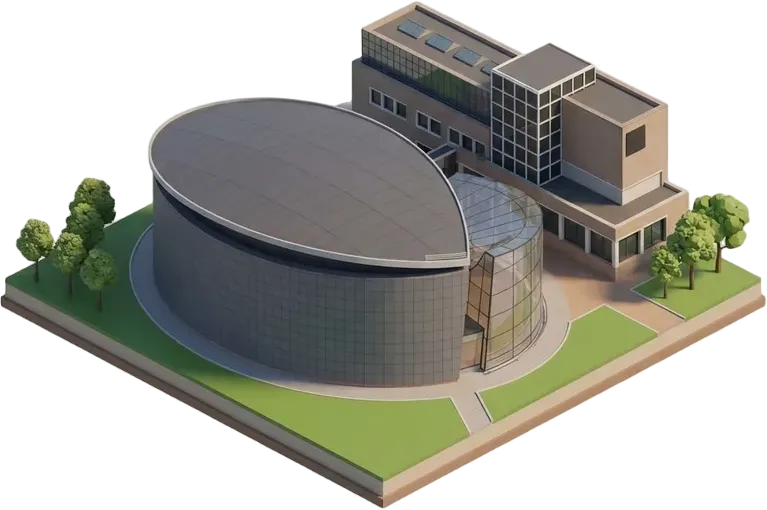
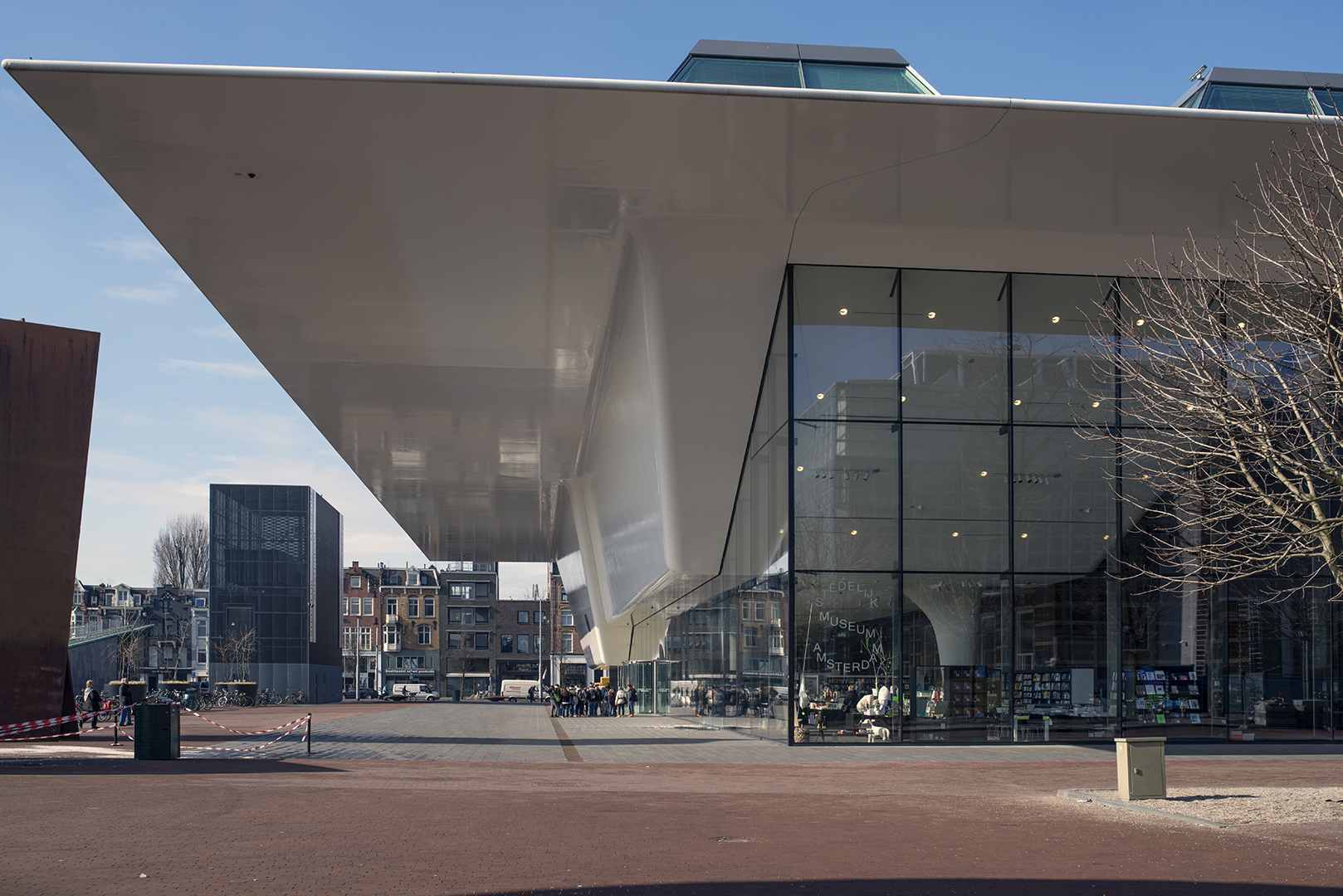
Construction started in 2007 on the major new extension designed by Benthem Crouwel Architects, which would eventually be colloquially known as 'The Bathtub' due to its distinctive shape.
In November 2009, the museum began a comprehensive project to digitize its historical archive, which contains approximately 1.5 million documents spanning from 1895 to 1980.
From August 2010 until January 2011, the Stedelijk Museum opened its doors with 'The Temporary Stedelijk,' a unique program in the restored, yet unfinished historical building during renovation.
In May 2011, during an AFC Ajax victory celebration on Museum Square, supporters damaged the rooftop and glass panels of the Benthem Crouwel Wing, resulting in an estimated €400,000 in damages.
Contractor VolkerWessels finished the construction of the new Benthem Crouwel Wing in February 2012, allowing for the installation of the critical climate control system before the grand reopening.
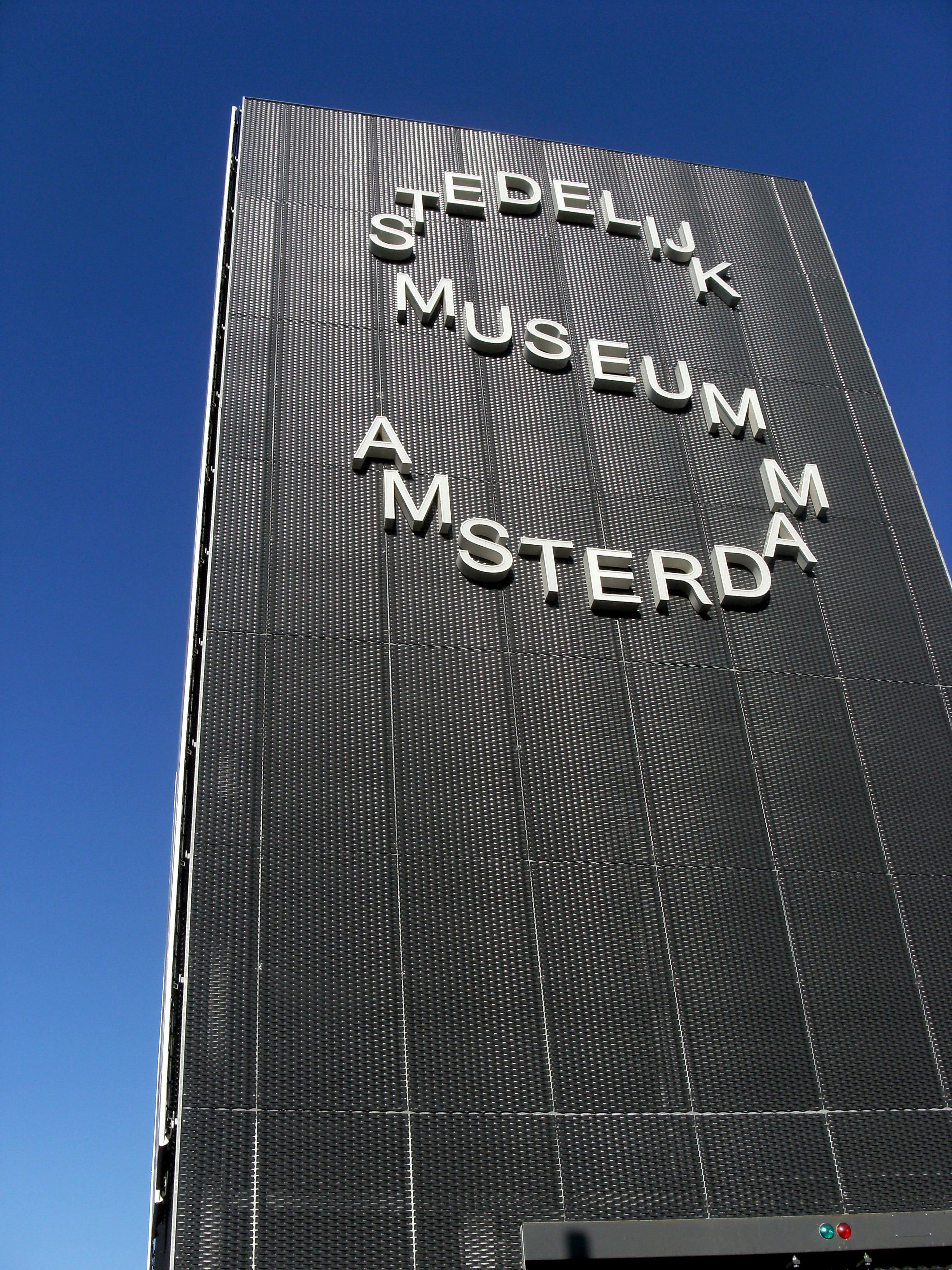
Armand Mevis and Linda van Deursen redesigned the museum's logo and visual identity, which was unveiled on September 23, 2012, coinciding with the museum's full reopening. The new logo features a large sans-serif 'S'.
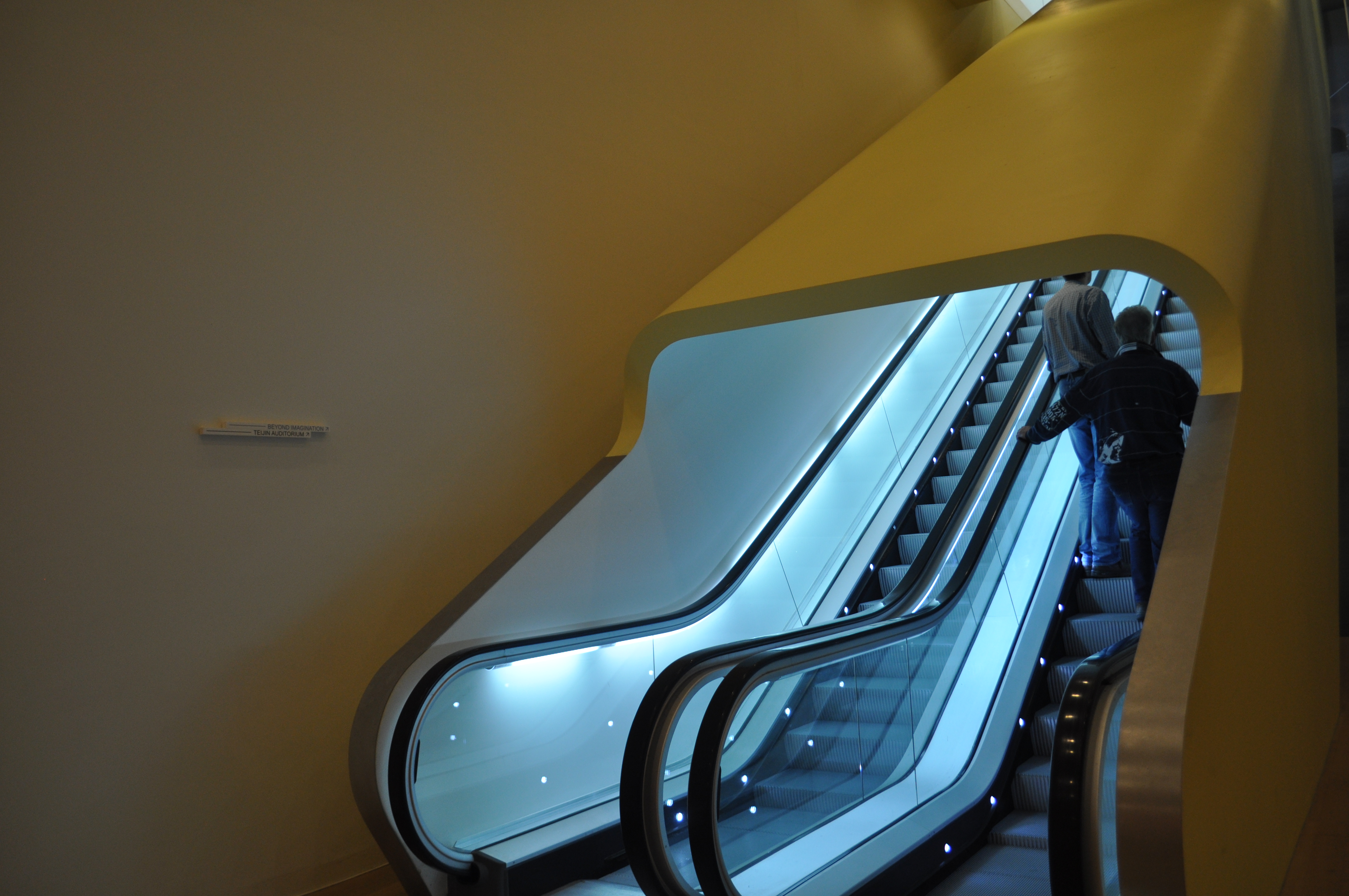
After eight years of extensive renovation and expansion, the Stedelijk Museum fully reopened to the general public on September 23, 2012, with the inaugural group show 'Beyond Imagination'.
In 2018, a monumental mural created by Keith Haring in 1986 on the Stedelijk Museum's storage facility was revealed after being covered by aluminum sheets for years. This 40-foot mural is his largest public work.

The Stedelijk Museum Amsterdam presents a commemorative exhibition featuring Wim T. Schippers' final work, 'Wim is gone 1942-2026 (unfinished)'. This special tribute showcases the artist's enduring connection to the museum, alongside a selection of his influential drawings, sculptures, and media works. Visitors are welcome to view these pieces and share their reflections in a dedicated condolence book.
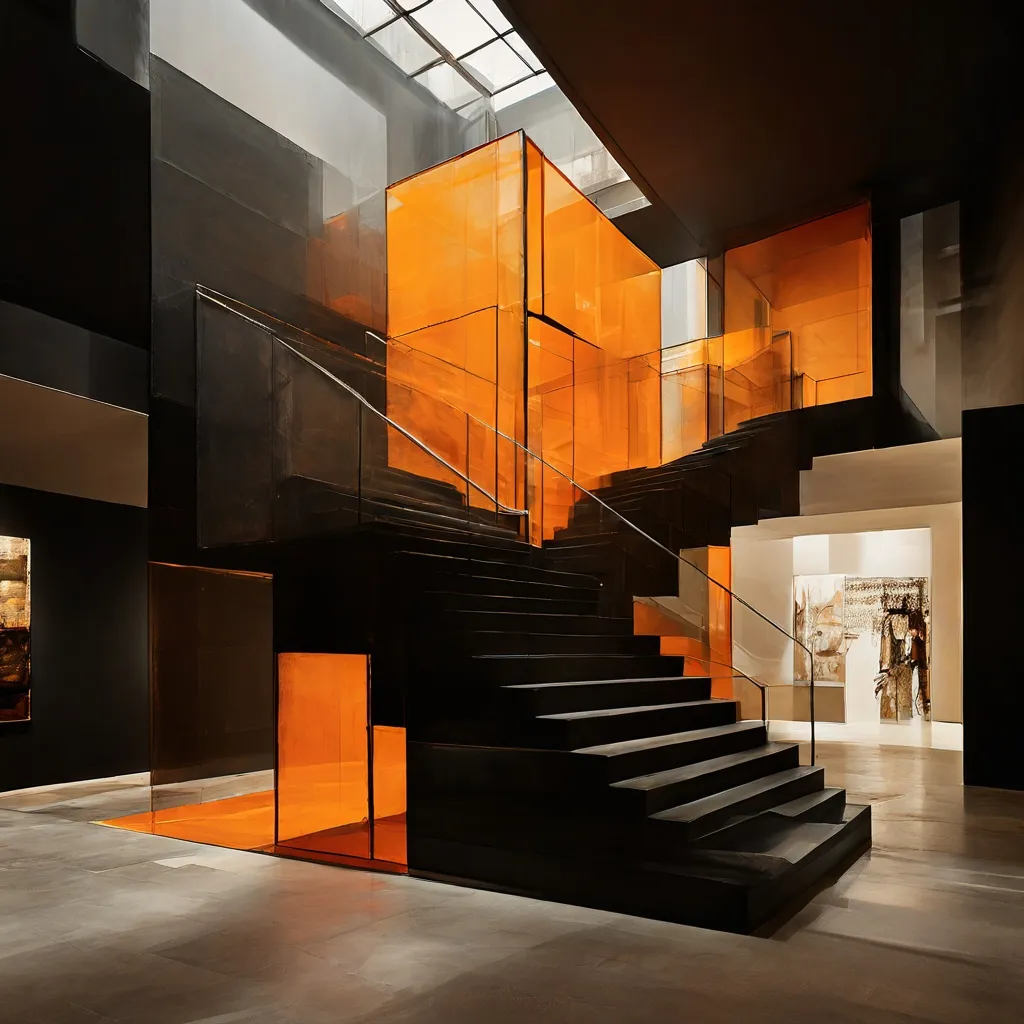
Discover 'Some Wild Kind of Language', the first major museum exhibition by American artist Adam Pendleton in the Netherlands. The show features a new series of monumental paintings and drawings that re-imagine the museum's historic architecture through a transformative black-cube installation.
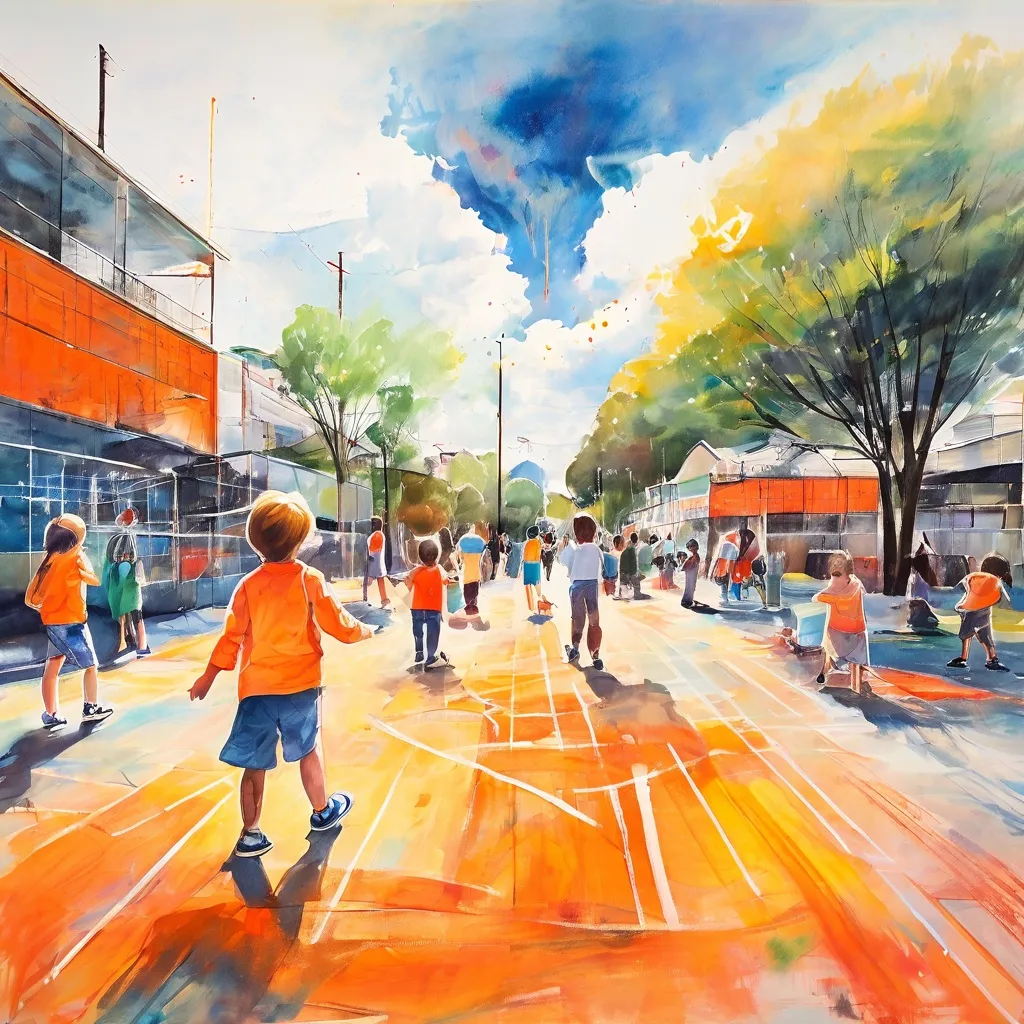
The Stedelijk Museum Amsterdam introduces 'Supersize Stedelijk,' an innovative educational initiative designed to bring art into the playground. This project encourages school pupils to discover and recreate artworks from the museum's collection as large-scale chalk drawings, fostering a playful and active engagement with modern and contemporary art.
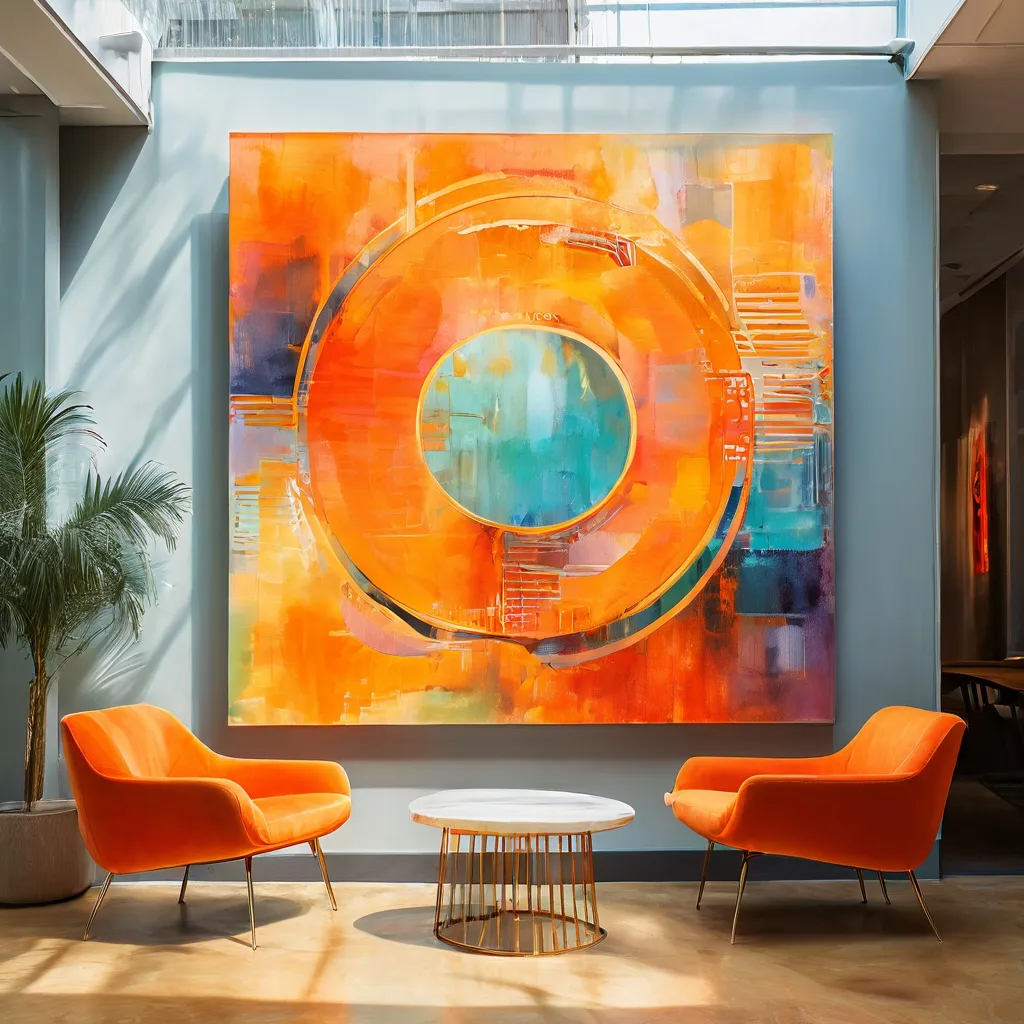
The Stedelijk Museum Amsterdam is celebrating a significant moment with artist Nora Turato, unveiling a new site-specific commission titled 'i was empty and now i'm full'. The museum also announces a major donation of her work 'I hear you, I hear you' and the launch of her new record, 'pool7', reflecting her evolving practice and artistic achievements.
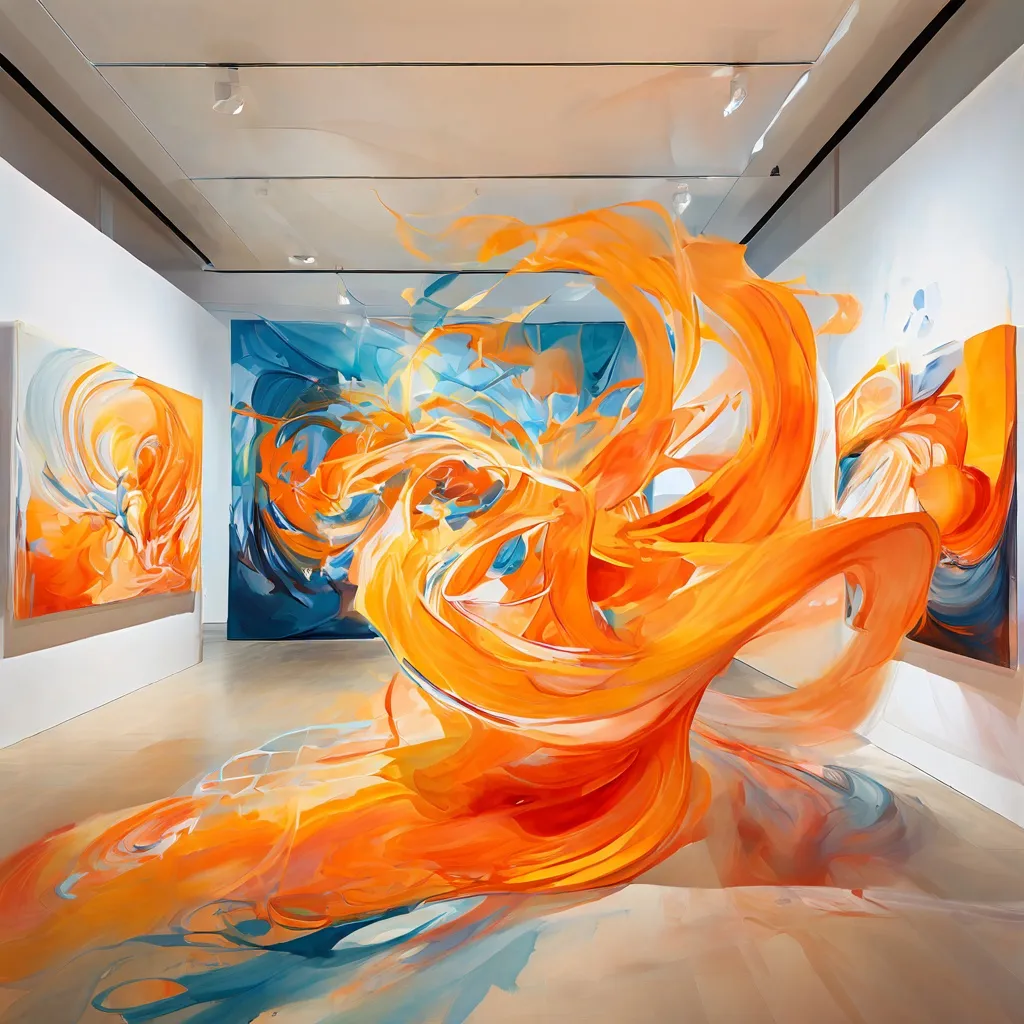
Painter Hend Samir has been awarded the fourteenth edition of the ABN AMRO Art Award. Known for her virtuosic technique and enigmatic storytelling, Samir explores universal themes of trauma, sexuality, and connection. This award supports her development and will feature an upcoming exhibition at the Stedelijk Museum Amsterdam.
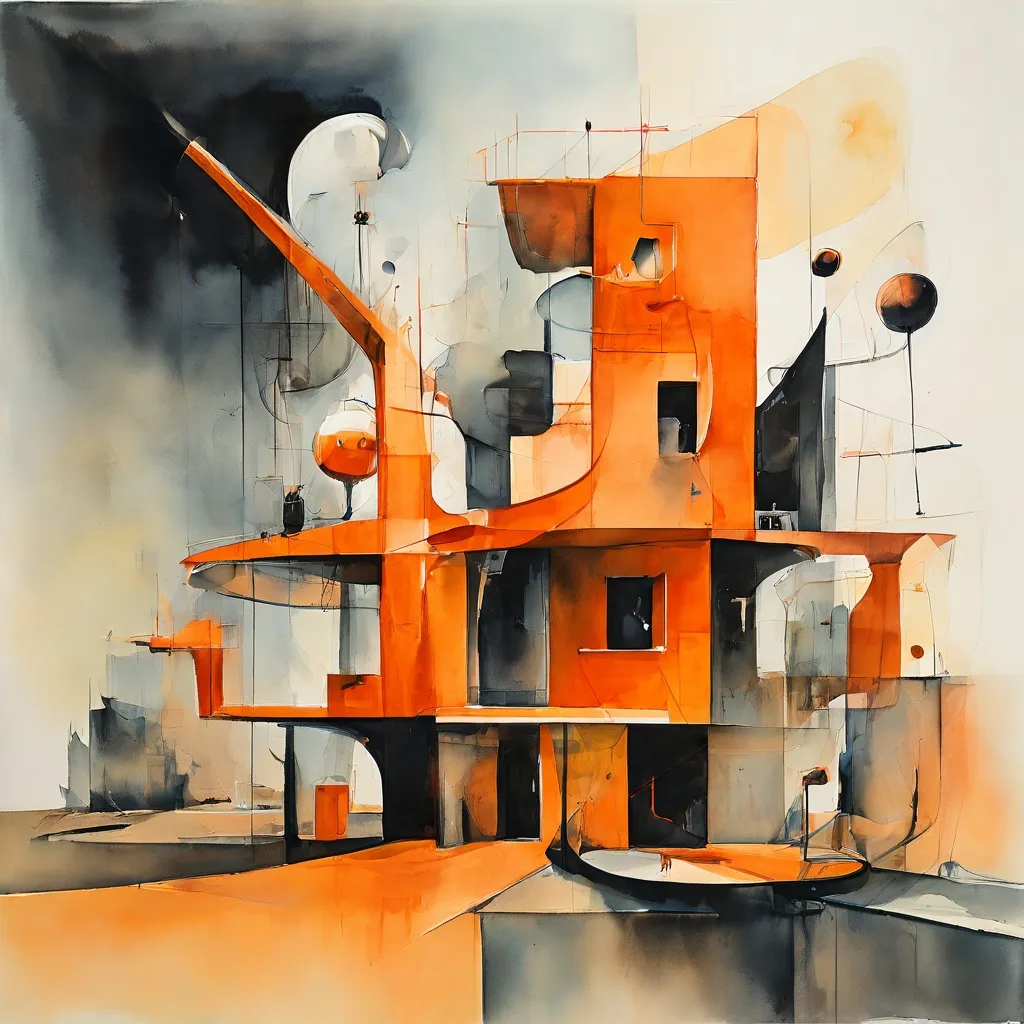
The Stedelijk Museum Amsterdam acknowledges the passing of Wim T. Schippers, a pivotal figure in contemporary art known for his blend of irony, humor, and absurdity. His influential sculptures, installations, and television programs are a significant part of the museum's collection.
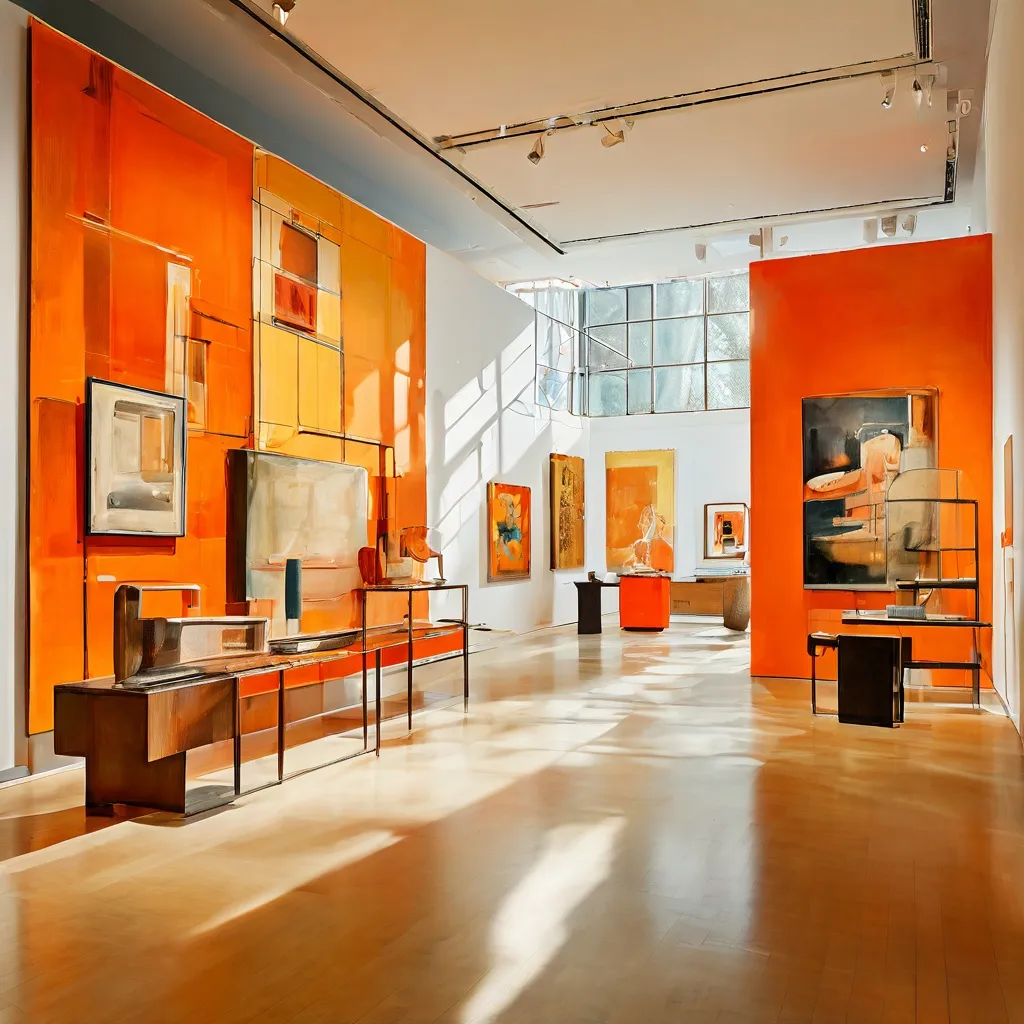
The Stedelijk Museum Amsterdam has refreshed its 'Yesterday Today' collection display, focusing on visual arts and design from before 1950. This updated presentation explores the profound connections between artistic and design movements and societal shifts, demonstrating how historical themes resonate with contemporary issues. Featuring over three hundred works, it highlights diverse perspectives on art history, including significant contributions from female artists and designers.
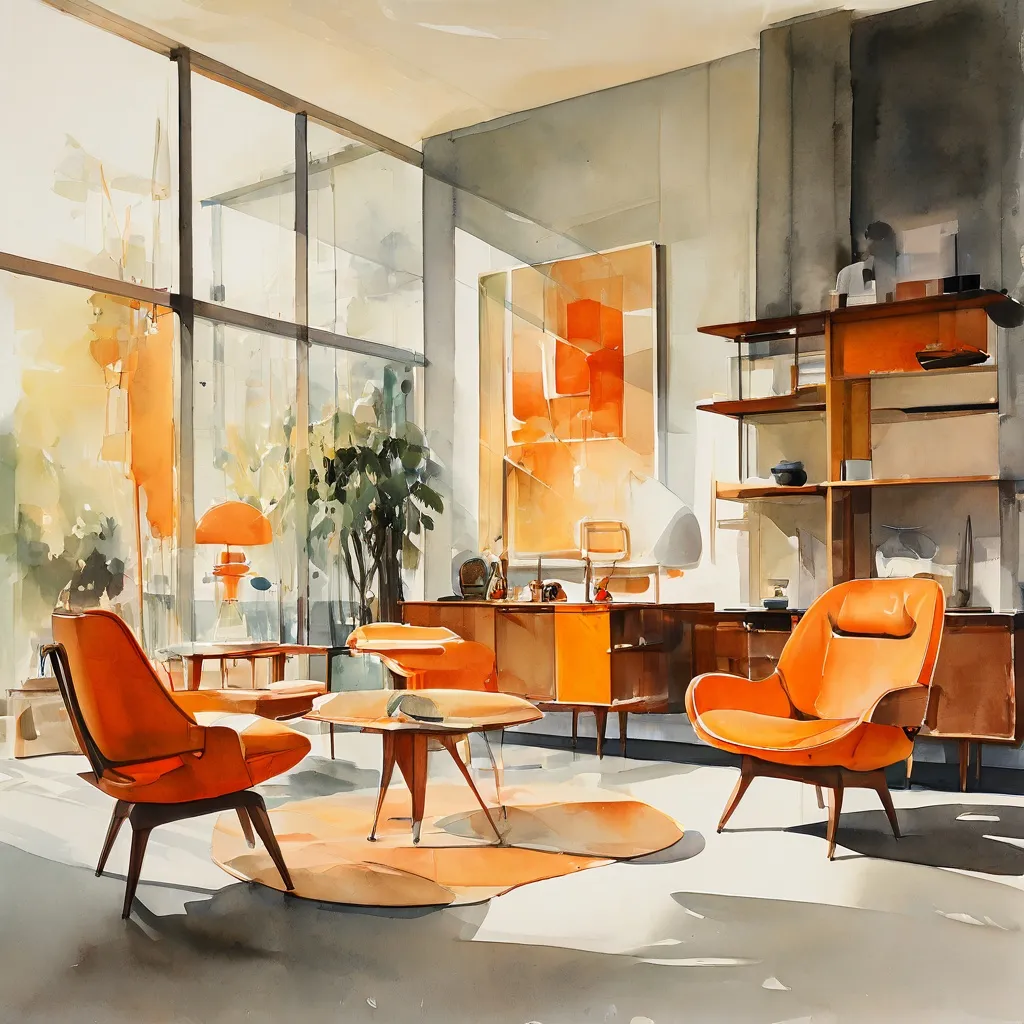
Explore the first major museum retrospective dedicated to Kho Liang Ie, a pivotal figure in Dutch design from the 1950s to the 1970s. The exhibition showcases his iconic furniture and interior designs, many of which have become enduring Mid-Century Modern classics.
Got questions about your visit to the Stedelijk Museum Amsterdam? We cover everything from daily opening hours to whether you need a ticket just to enjoy a coffee or browse the museum shop. Find practical answers and a few surprising details here.
Yes, Stedelijk Museum Amsterdam offers free entry for visitors under 19 years old. Additionally, holders of a valid Museumkaart or VriendenLoterij VIP-kaart can also enter for free, although reservations might be required.
Student tickets for Stedelijk Museum Amsterdam are available for 12.50 EUR.
Yes, Stedelijk Museum Amsterdam accepts several passes. Holders of a valid Museumkaart or VriendenLoterij VIP-kaart receive free entry, though reservations may be required. CJP Pass holders can purchase tickets for 12.50 EUR.
An adult admission ticket for Stedelijk Museum Amsterdam costs 22.50 EUR.
To ensure a smooth visit to the Stedelijk Museum Amsterdam, it is advisable to book your tickets online, with group visits requiring advance reservations. Note that entrance is not permitted after 5:45 pm, and while handbags up to A4 size are allowed in galleries, larger items like backpacks must be stored in the available lockers. The museum provides amenities such as toilets and various seating areas for visitor comfort. Additionally, the museum shop, Don Quixote Sculpture Hall, Fonda Coffee Bar, and Café Restaurant Sandberg are accessible without an entrance ticket.
The Stedelijk Museum Amsterdam offers an engaging experience in Amsterdam for those interested in modern and contemporary art, design, and photography, showcasing extensive collections and dynamic exhibitions. This venue is well-suited for families and groups, with resources and advance booking options available to enhance their visit. The museum actively caters to visitors with accessibility needs, providing wheelchair accessibility, step-free access, elevators, accessible restrooms, and Dutch Sign Language tours. These comprehensive facilities ensure a comfortable and inclusive experience for a wide range of audiences interested in visual arts from the early 20th century to the present.
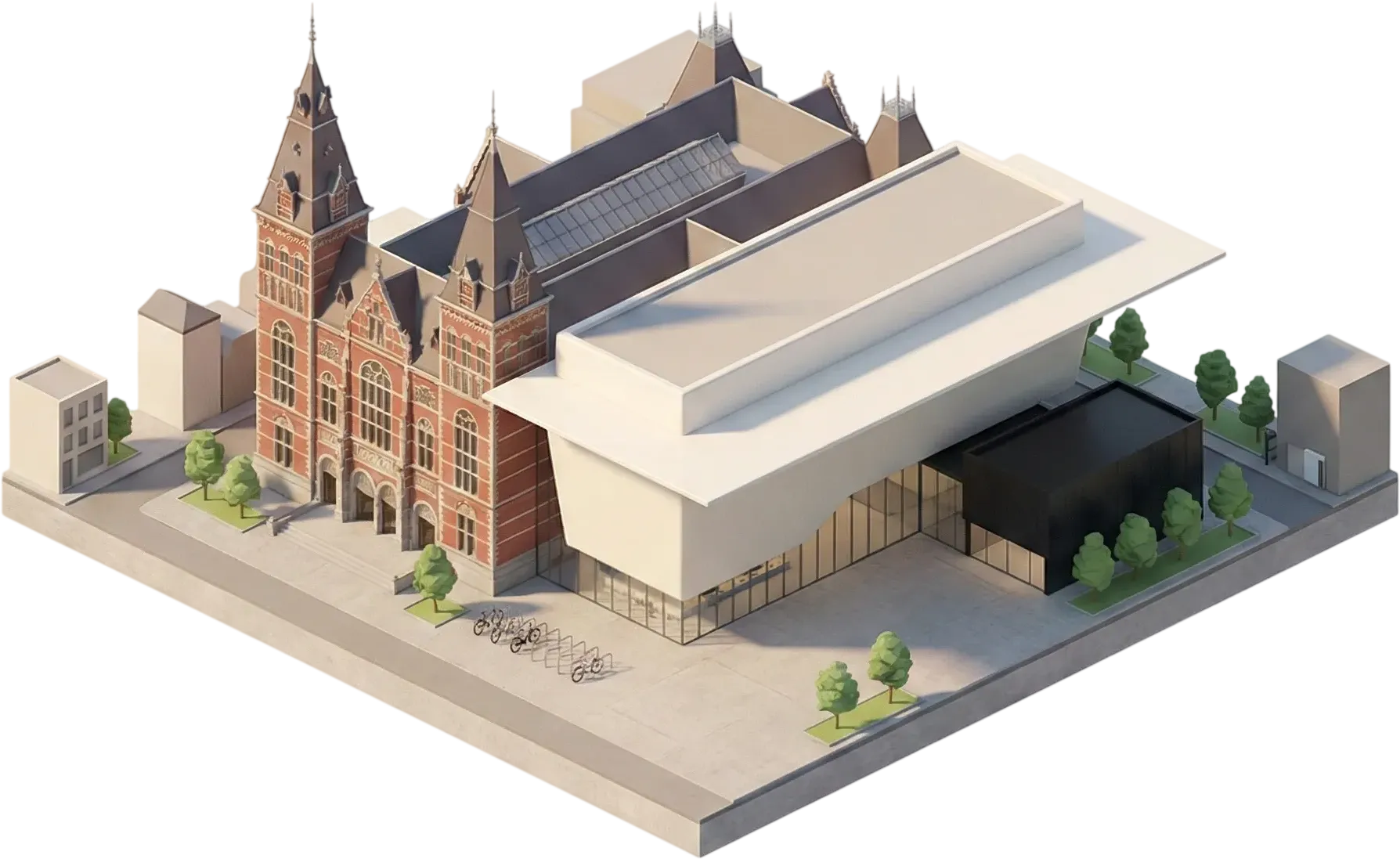
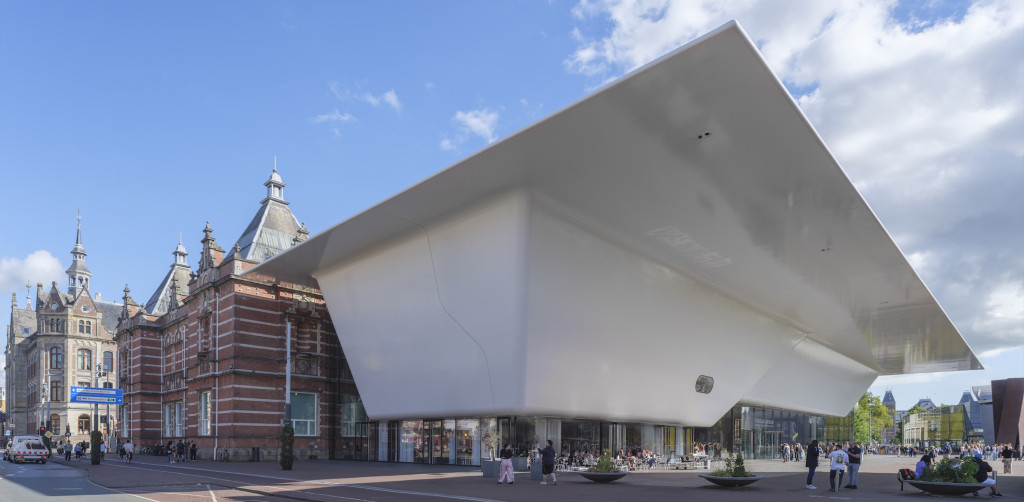
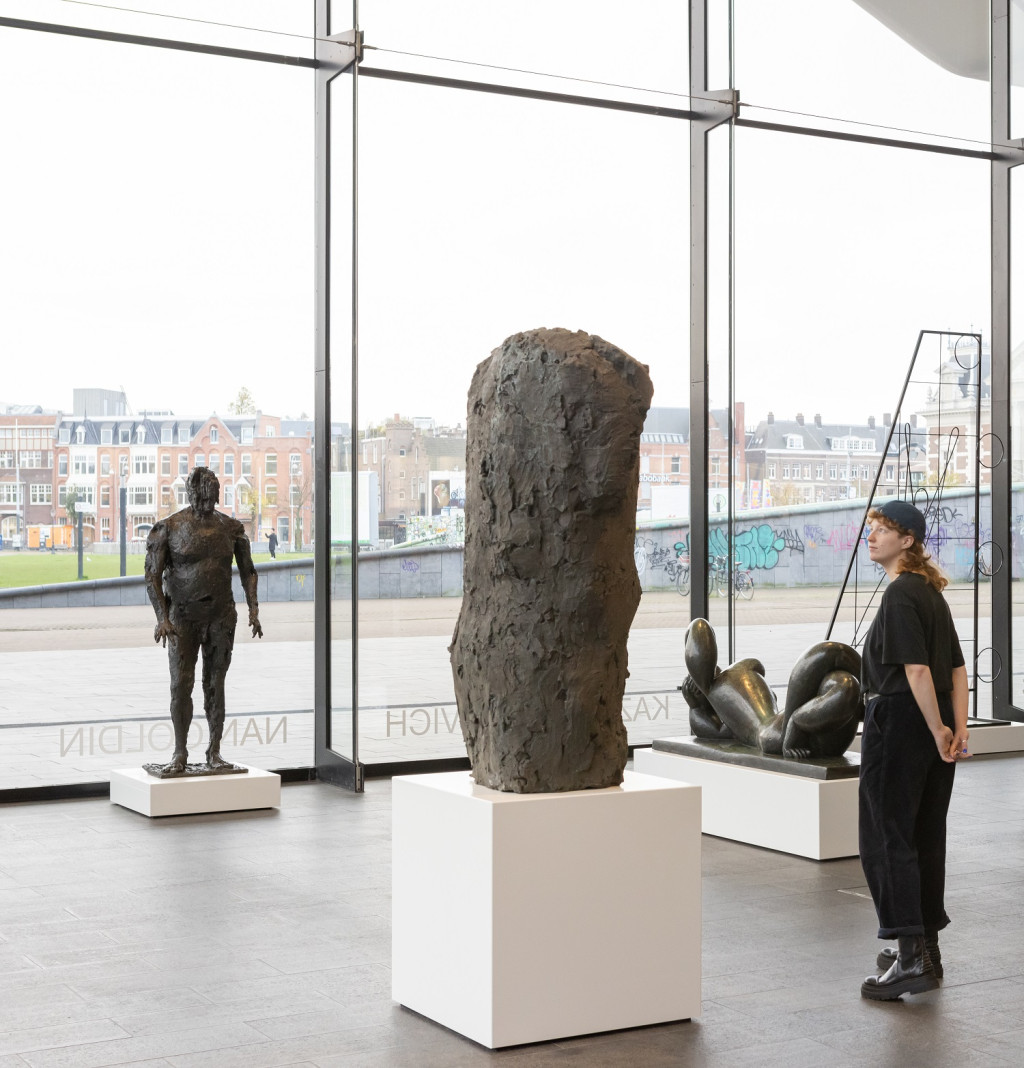
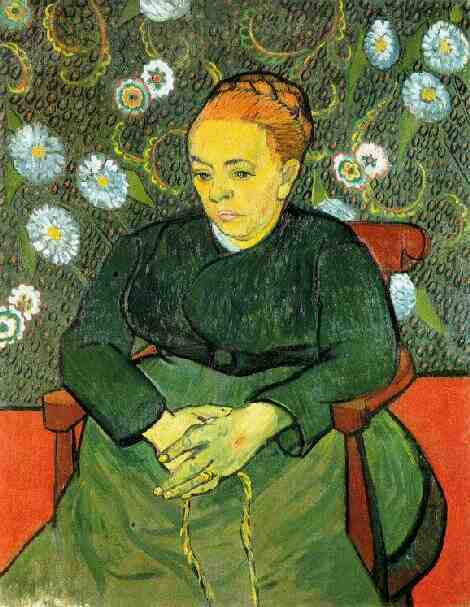
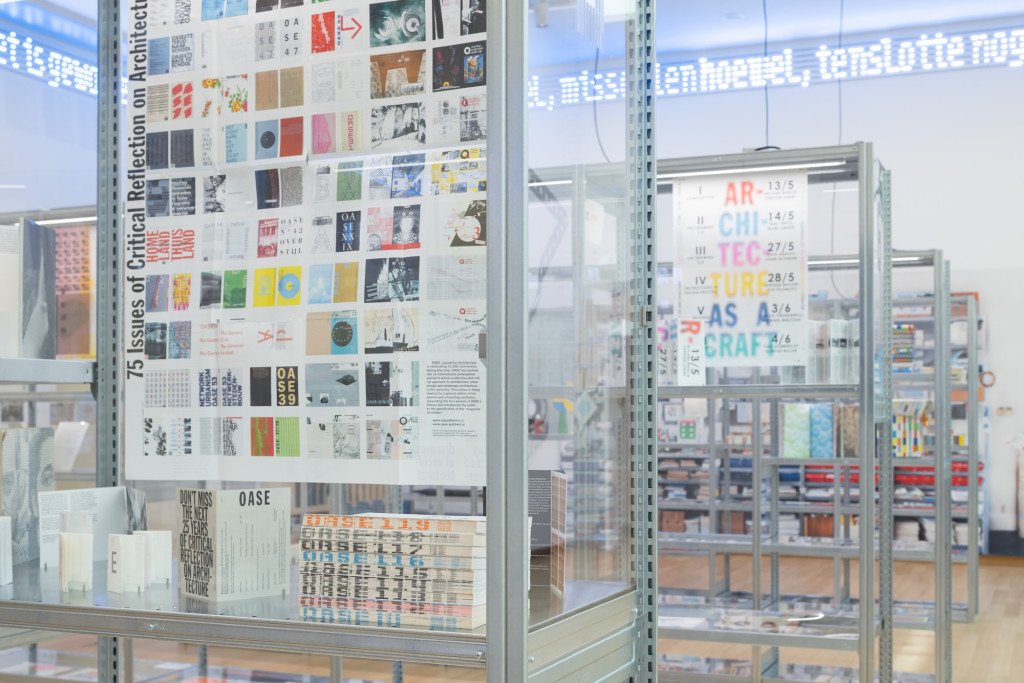
Explore images capturing the distinctive architecture of the Stedelijk Museum Amsterdam, blending its modern white extension with the historic red-brick building. The collection photos highlight contemporary art and design, featuring abstract geometric paintings, sculptures, and spacious galleries with city views, giving a sense of the visitor experience.
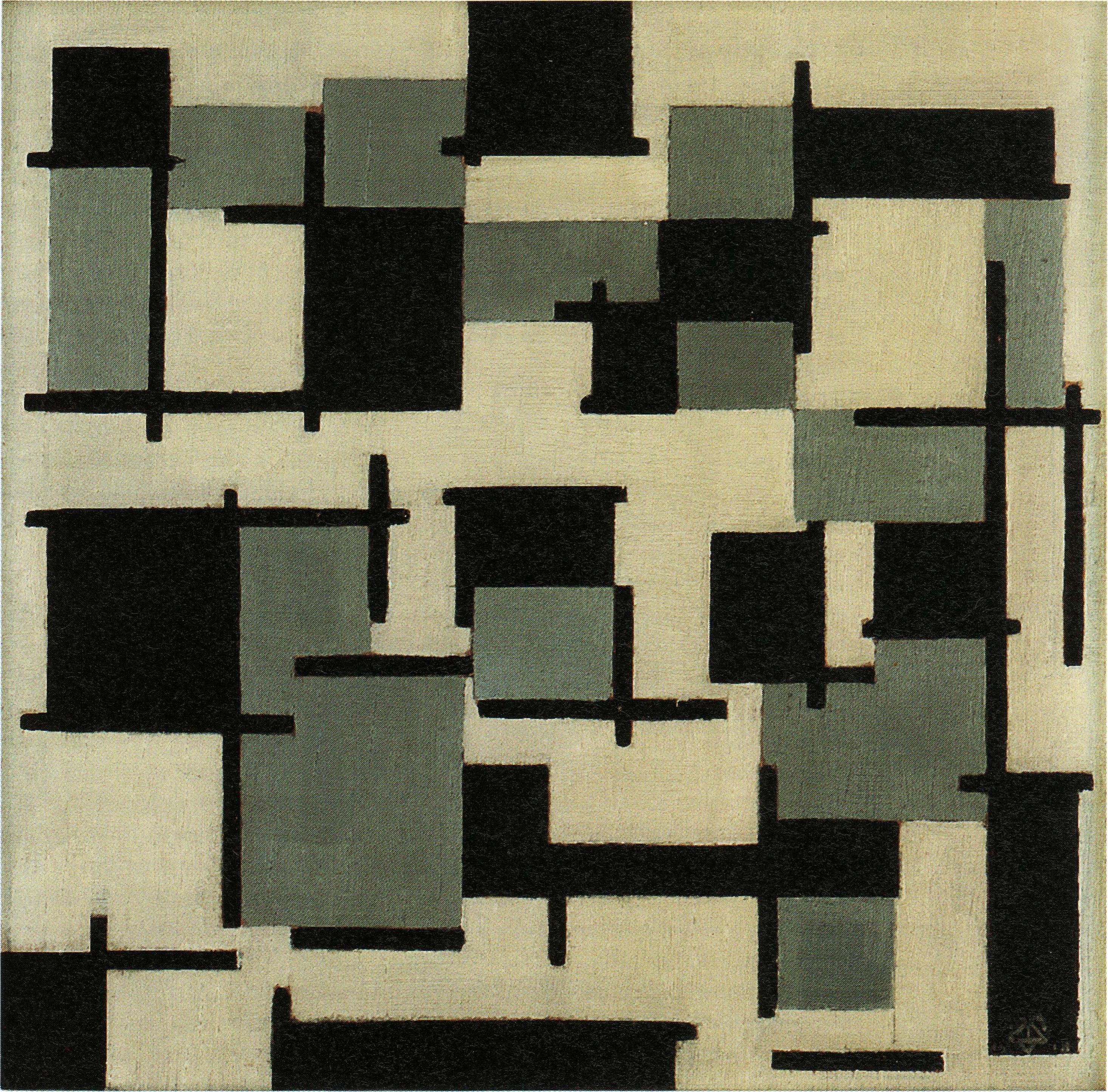


Discover unique art, history, and science museums in the city.
Navigate Amsterdam's extensive cultural offerings to find the perfect museum for your next visit. Explore different themes and historical periods to enrich your understanding of art and heritage. Locate institutions that spark your curiosity and delve into their unique exhibits.