Ripley's Believe It or Not! Amsterdam Marks a Century of Curiosities
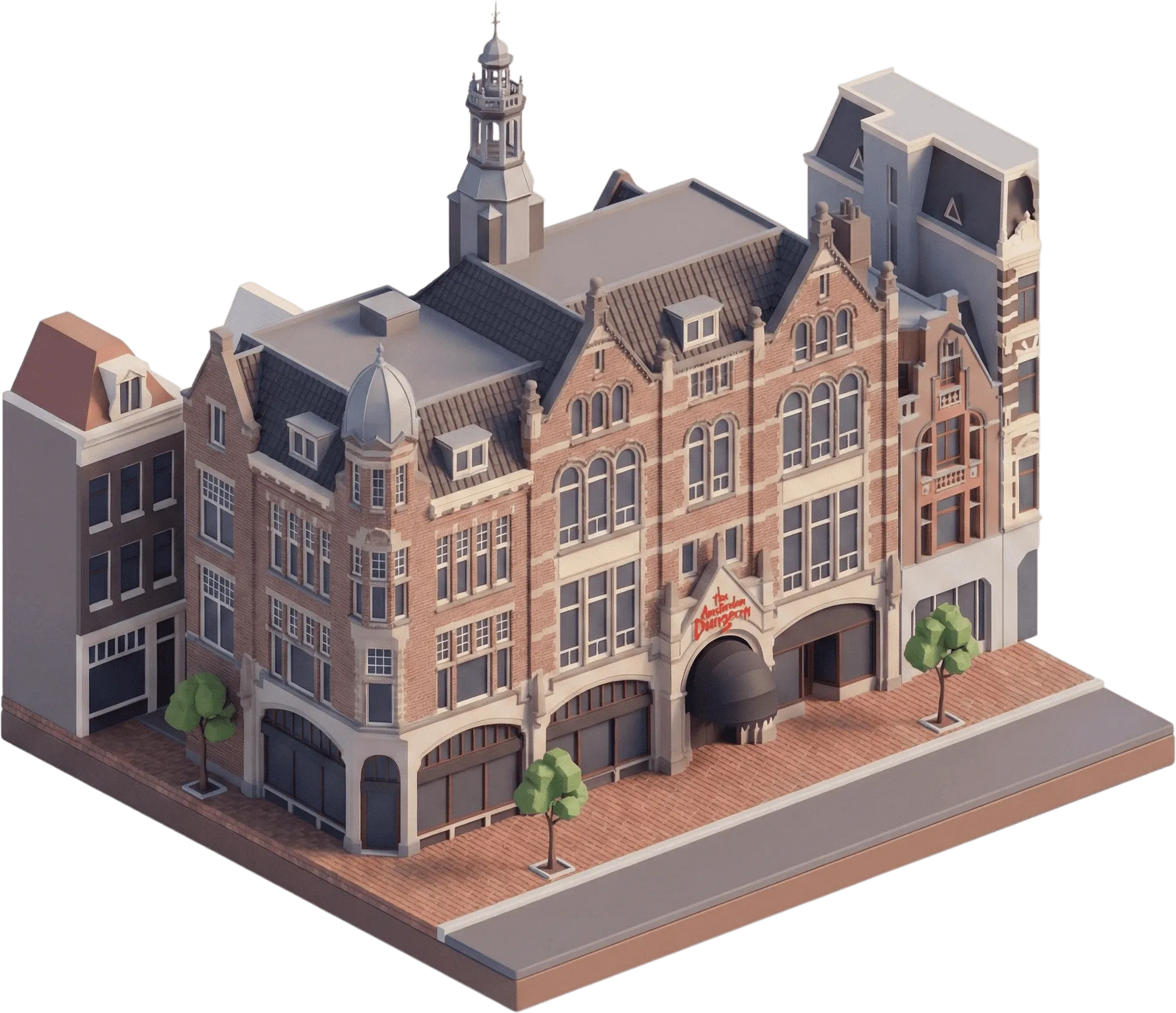
Ripley's Believe It or Not! in Amsterdam stands as a testament to the strange and extraordinary, part of a global phenomenon built on a unique legacy. This attraction's very foundation connects back to a significant milestone: the publication of the inaugural "Believe It or Not!" cartoon 100 years ago on December 19, 1918. This centenary highlights the lasting appeal of unusual facts and the inventive spirit of its original creator, Robert Ripley.
The Genesis of an Icon: Robert Ripley's Vision
The story began with Robert Ripley, an artist working for the New York Globe. On a day with little news, Ripley revisited an earlier idea to fill his allocated column space. He conceptualized a panel titled "Champs and Chumps," featuring nine astonishing athletic achievements drawn from his personal archive of daring feats. This initial cartoon, published a century ago, quickly expanded beyond sports and was soon re-christened "Believe It or Not!", a phrase that would become universally recognized. The series not only introduced a popular catchphrase but also made a considerable impact on culture.
A Legacy That Shaped History and Communication
The reach of Ripley's "Believe It or Not!" extended beyond mere entertainment. In November 1929, Ripley made a bold assertion in his first Sunday panel for William Randolph Hearst: "America Has No National Anthem." He pointed out that "The Star-Spangled Banner" was, at the time, an unofficial hymn sung to an old English drinking song. This statement ignited public discussion, eventually leading to Congress passing a bill, which President Herbert Hoover signed 16 months later, officially designating "The Star-Spangled Banner" as the national anthem.
The cartoon series also notably impacted postal practices. By 1929, Robert Ripley was receiving an unprecedented volume of mail, with an average of 3,000 letters daily for over two decades. This included fan mail, strange submissions, and requests for verification of his unbelievable stories. Many fans sent letters with creative, coded, or image-based addresses, which began to overwhelm the U.S. Postal Service. In 1930, Postmaster General Walter Brown announced that the USPS would no longer attempt to decipher such uniquely addressed mail, though the practice continued among dedicated fans.
Experience the Extraordinary at Ripley's Believe It or Not! Amsterdam
Today, the spirit of Robert Ripley's groundbreaking vision thrives at Ripley's Believe It or Not! Amsterdam. Visitors to this distinctive attraction can explore a captivating world of oddities, interactive exhibits, and mind-bending displays that uphold the tradition of showcasing the planet's most unbelievable facts and curiosities. From the peculiar to the profound, the Amsterdam location invites guests to experience the same sense of wonder that fascinated millions through Ripley’s original cartoons.
The "Believe It or Not!" cartoon series remains in publication, holding the distinction of being the world's longest-running syndicated cartoon. Its influence is still present, serving as a constant reminder of the extraordinary tales that exist just beyond our everyday perceptions.
To explore further unique cultural destinations and uncover more fascinating places, consider browsing the diverse collection of museums on Musemap (musemap.art) or discovering new points of interest on the map for your next local adventure.