Explore the Bizarre Medical Mystery of Tarrare at Ripley's Believe It or Not! Amsterdam
Ripley's Believe It or Not! Amsterdam, a renowned destination for the extraordinary and the unexplained, frequently highlights history's most puzzling tales. One particularly intriguing narrative revolves around Tarrare, an 18th-century Frenchman whose legendary and insatiable hunger baffled medical professionals of his era and continues to fascinate experts today. This historical oddity perfectly embodies the kind of unbelievable stories Ripley's aims to share with its visitors.
Tarrare: A Life Defined by Endless Appetite
Tarrare's story begins in 18th-century Paris, where he was known for an almost supernatural appetite. Accounts suggest his hunger was so extreme it led him to consume unusual items and even resort to cannibalism, a fact that secured his place in medical history as one of its most perplexing cases. Early in his life, his dietary needs were merely robust, but they quickly escalated to a truly sinister level, as documented by contemporary records. His relentless cravings pushed him to ingest live animals and even seek sustenance from morgues, with one chilling suspicion involving a missing toddler. The BBC has explored similar historical cases of individuals with uncontrollable hunger.
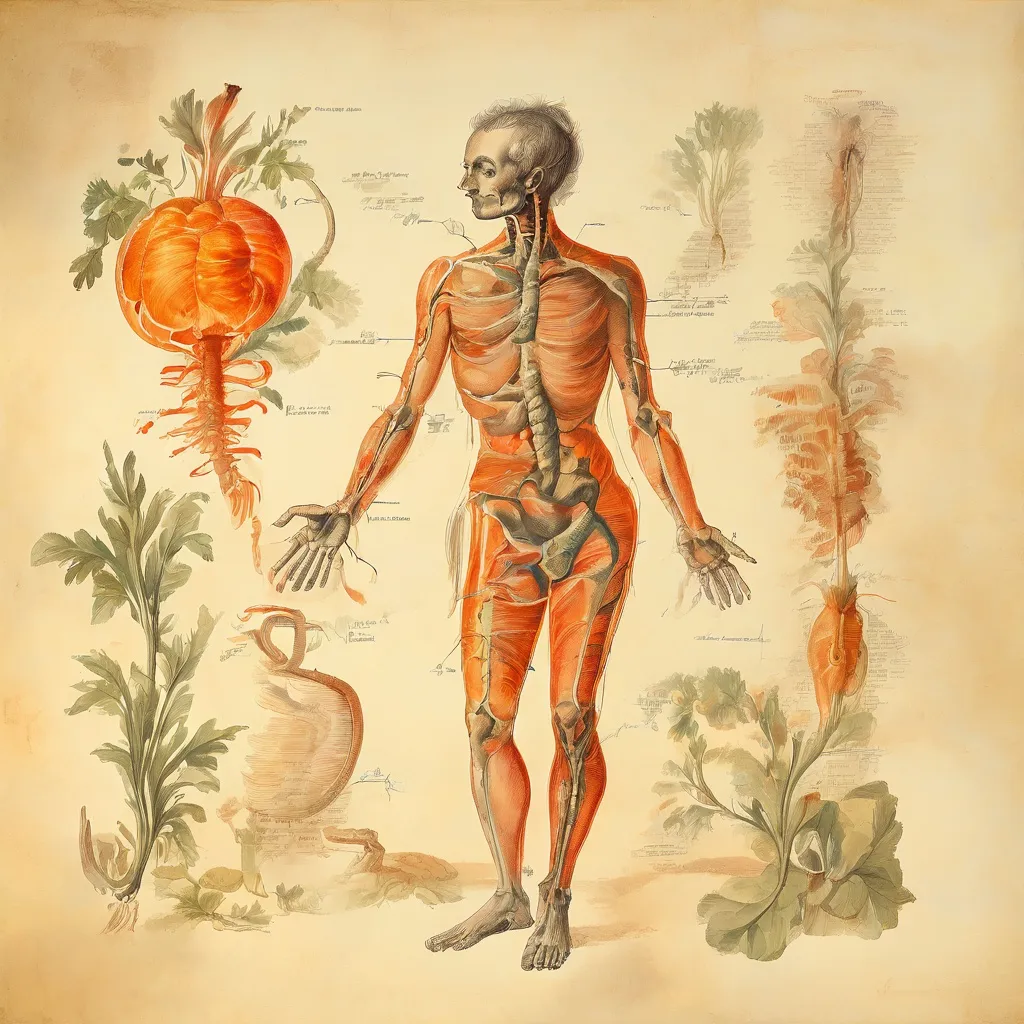
Despite his massive food intake, Tarrare was surprisingly small, often weighing around 100 pounds before eating. His physical appearance was equally striking: a remarkably wide mouth, stained teeth, and cheeks that hung slack when not distended. His stomach, when empty, was so loose he could reportedly wrap it around his waist. He performed as a street act, consuming corks, stones, entire baskets of apples, and live animals, particularly snakes, for the morbid amusement of onlookers. You can learn more about his peculiar life in this historical podcast.
Born around 1772 in the French countryside, Tarrare's voracious appetite was evident from a young age, reportedly enabling him to consume his own body weight in beef within 24 hours. This insatiable hunger eventually led to his expulsion from his family home, as they could no longer afford to feed him. After years as a vagabond and a street performer, Tarrare found himself in military service during the French War of the First Coalition.
It was here that he came under the care of Dr. Pierre-François Percy, a respected military surgeon. Military rations proved insufficient for Tarrare, who resorted to foraging for scraps and even consuming hospital bandages. Dr. Percy's observations detailed Tarrare's bloodshot eyes, constant overheating and sweating, and an exceptionally rancid body odor, which only worsened after meals. Experiments included Tarrare consuming meals prepared for fifteen people and live animals, from cats (whose blood he would drink) to eels.
Tarrare's unique ability was even considered for military espionage. He was tasked with swallowing a wooden box containing a document to be delivered across enemy lines. However, his conspicuous nature and inability to speak German quickly led to his capture and torture, after which he was returned to Dr. Percy's care.
Despite various treatments, Tarrare's condition persisted. He was caught consuming cadavers from the hospital morgue multiple times. Following the disappearance of a toddler, Tarrare was accused and subsequently fled the hospital, vanishing into the city. He reappeared six years later in Versailles, gravely ill. He claimed to have swallowed a golden fork, but an autopsy after his death from tuberculosis revealed an unfathomably large esophagus and stomach lined with ulcers. The fork was never found.
Searching for Answers: Modern Medical Perspectives on Tarrare's Condition
While Tarrare received no suitable diagnosis in his own lifetime, contemporary medical texts of the time, such as The Study of Medicine and London Medical and Physical Journal, featured Dr. Percy's detailed reports. Dr. Percy himself was a highly reputable figure, considered the father of military surgeons and Chief Surgeon to the French Army, lending credibility to his accounts, as highlighted on the Napoleon Empire website.
Modern medicine offers several theories for Tarrare's extreme condition. Dr. Don Moore, a chiropractor specializing in science-based nutrition at Synergy Pro Wellness, suggests a potential hyperactivity of hormones and brain dysfunction. He hypothesizes an enlarged hypothalamus, which regulates body temperature and hunger, could explain Tarrare's constant overheating and insatiable appetite. Dr. Moore also considers pica, a disorder involving the consumption of non-edible items, as a possibility.
Other plausible explanations include hyperthyroidism, known for causing excessive appetite and sweating, or Prader-Willi syndrome, a genetic condition characterized by constant hunger. Severe iron deficiency, which can trigger cravings for unusual substances, and a damaged amygdala, linked to polyphagia (extreme overeating), are also considered. The story of Tarrare and others like him has been investigated by outlets like Quartz. Given his diet of raw meat, a parasitic infection like hookworms or roundworms could also explain why he never gained significant weight despite his massive consumption, as the parasite would be fed instead.
Interestingly, a similar case involving Charles Domery occurred concurrently in the same region, suggesting a possible common environmental factor, perhaps related to the famine during the French Revolution. While no single diagnosis can be confirmed, the various theories provide insight into this perplexing historical medical mystery. The story, as chronicled by sites like io9 Gizmodo, reminds us of the often-unforeseen extremes of human physiology.
Discovering Oddities and Mysteries at Ripley's Amsterdam
The captivating and bizarre story of Tarrare, with its blend of historical medical mystery and unbelievable human experience, perfectly exemplifies the kind of fascinating curiosities visitors can discover at Ripley's Believe It or Not! Amsterdam. It offers a compelling look into the extremes of human physiology and the enduring appeal of historical oddities.
Visitors to Musemap (musemap.art) can find more insights into unique cultural spots and attractions like Ripley's. To plan your next adventure and uncover more fascinating stories, consider browsing other intriguing museums in Amsterdam or exploring the city's diverse offerings on our interactive map.