
Bath
Museum itinerary · Bath

Invention and industry in Bath: Herschel and Bath at Work

From an astronomer’s workshop to Bowler’s bottling floor

Visit the house and garden linked to the discovery of Uranus. Then climb toward Julian Road to follow the tools, rooms and routines of Bowler’s engineering and soft-drink business.

Museum stops
2
Visits and transfers
3 hr 12 min
Suggested days
Tue, Wed, Thu, Fri, Sat, & Sun
Why these museums go together

This route trades grand façades for places where things were made. At Herschel’s house, the size of the rooms makes scientific invention feel domestic. At Bath at Work, the tools and machinery put that ingenuity in an economic and social context.

The Herschel house shows a discovery that depended on skill at making and adjusting an instrument. The Museum of Bath at Work shows how equipment, rooms and shop fittings supported trades on a different scale. Compare a telescope-making workspace with the bottling and engineering floor. Both visits are worth doing slowly because a fitted bench or a well-placed door can tell you more about how work happened than an isolated object in a case.

ScienceHistory
Route map
© OpenStreetMap contributors

The itinerary, stop by stop

Stop 1 · 1 hr 15 min
Herschel Museum of Astronomy

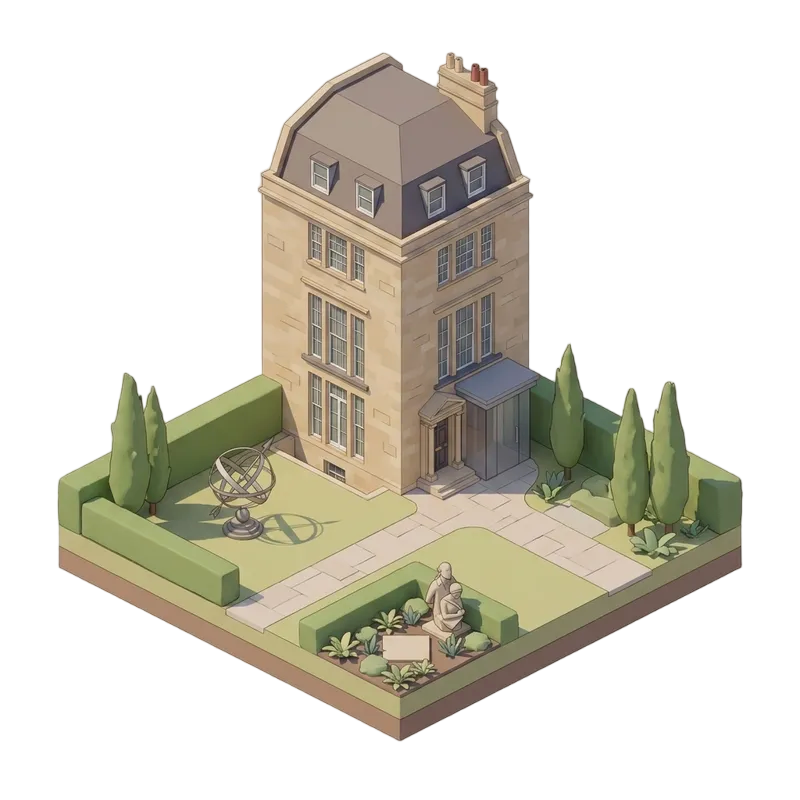
At 19 New King Street follow the house route from the domestic rooms to the workshop and garden where William Herschel identified Uranus as an object that was moving. Notice how making a reflecting telescope involved designing the instrument and producing its mirror. Compare the scale of the workshop with the explanation of its discoveries and save time for Caroline Herschel’s part in the history. When the garden is closed, use the available house and museum interpretation to understand where the observation happened.

What to look for

The garden observation site
Look at the available view from the garden where Uranus was found in 1781. Consider how repeated observations can distinguish movement from an apparent fixed star.
Workshop and a reflecting telescope
Use the interpretation to picture the telescope’s mirror and tube. A large instrument started with shaping and polishing a surface to the right form.
Caroline Herschel
Look for her role in observing, recording and discovery. Trace her work rather than treating it as merely part of William’s biography.
Home and workshop
Compare the domestic space with the room where instruments were made. Read how work fitted into a small house off New King Street.

Walk · 17 min

Getting to Museum of Bath at Work

Walk via New King Street, Queen Square, Gay Street and Julian Road. The mapped pedestrian route is about 1.08 km; allow 17 minutes door to door.

Stop 2 · 1 hr 40 min
Museum of Bath at Work

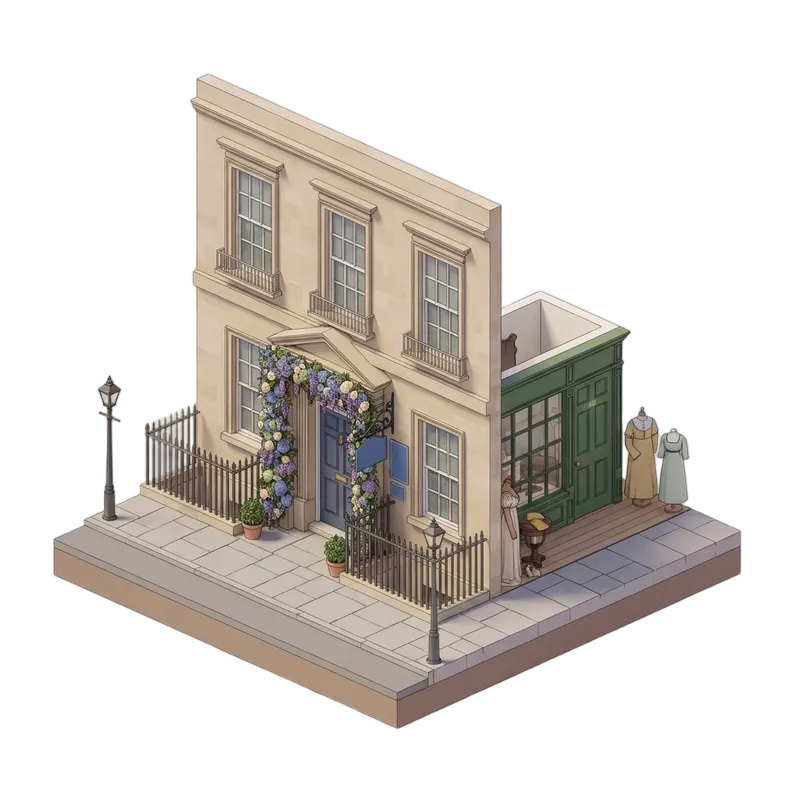
Use Bowler’s shop as the entrance to the social history of Bath at Work. Follow the recreated arrangement of the engineering and soft-drink business and compare what a customer saw with the work done behind it. Then locate a different industry on the ground floor, such as the reconstructed stone mine or cabinetmaking. If time allows, compare the Bath Chair and clock displays with the technical ideas and users you saw in Bowler’s business.

What to look for

Bowler’s shop and original fittings
Look for the retail surfaces and tools. Read what remained from the Avon Street site and what the museum reconstructed from documentation.
Engineering and plumbing benches
Identify where a small part would be held, shaped or checked. Connect the tools to repeated work rather than looking at them as a static wall.
Soft-drink bottling
Follow bottles and machinery along the process. Consider where the workers handled the container and why the location of steps mattered.
Bath stone or cabinetmaking
For a contrast, use the ground-floor reconstruction or the Keevil & Sons material. Compare who used the finished product with Bowler’s shoppers.
Timing, booking and admission

Set your pace

On a date within both museums’ open season, aim for Herschel around 10:00 and keep about 75 minutes for house, workshop and garden. Leave at about 11:15 for the 1.08-kilometre walk via Queen Square and Gay Street. Allow 17–20 minutes and leave more time on the uphill stretch to Julian Road. Start Bath at Work around 11:45 and allow 100 minutes, using most for Bowler’s shop and factory setting and the remainder for trade, stone and transport.

What to book ahead

Plan this as a seasonal outing. Bath at Work lists a December and January closure, and Herschel also has a winter break and some group closures. Confirm both calendars first.

Tickets and museum passes

The two venues have separate admissions. Bath at Work announces a December–January closure; Herschel can have its own winter maintenance period and occasional closure for school groups. Check both current visitor pages before buying anything. Check the entry route if you need step-free access; both interiors use historic buildings, and this route includes an uphill walk in the city.

Sources and route research

Comprehensive Guide to Museum Exhibitions and Cultural Showcases in Bath
Uncover art and history through diverse city-wide exhibition programming.
Browse through a variety of museum exhibitions in Bath to connect with local art, archaeology, and literature. Gain deeper insight into the creative identity of the region by visiting these thoughtfully presented cultural displays.
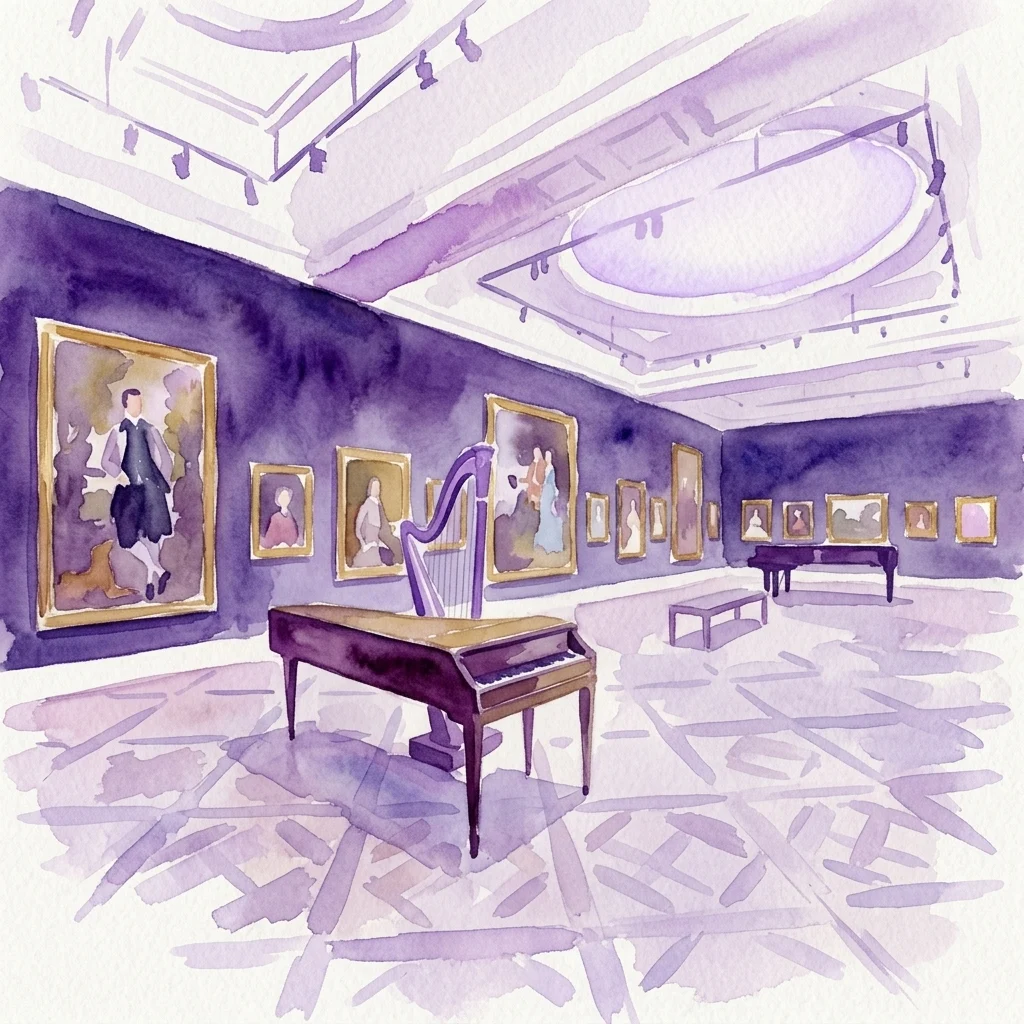
Watercolor illustration of an 18th-century gallery with deep purple walls, gold-framed portraits, a fortepiano and harp, and polished wooden floors.
The Holburne Museum
Permanent exhibition

18th-century British Paintings Collection at the Holburne Museum

Permanent display of historical portraiture and theatrical art.

Discover a significant assembly of British portraiture and works by masters including Thomas Gainsborough and Johann Zoffany. The display offers insight into 18th-century social history within the museum's historic Picture Gallery.

British Paintings Exhibition
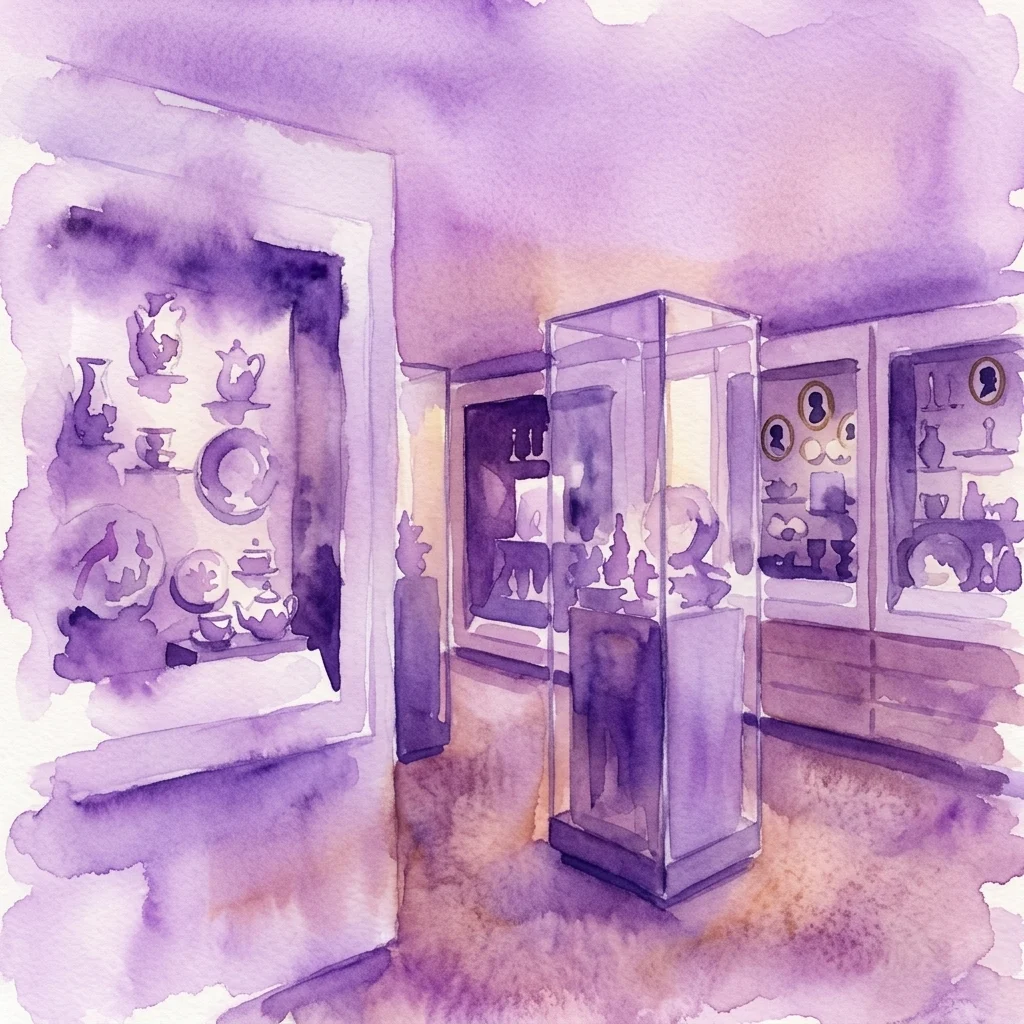
Purple watercolor illustration of a gallery interior with glass display cabinets holding porcelain, plates, and decorative objects arranged on the walls and a central freestanding case.
The Holburne Museum
Permanent exhibition

17th and 18th-century Decorative Art at the Holburne Museum

A permanent collection reflecting the culture and history of Georgian Bath.

View fine 17th and 18th-century porcelain, glassware, and personal items. This collection offers insights into historical social customs and includes notable pieces like Meissen figurines.

Decorative Art Exhibition
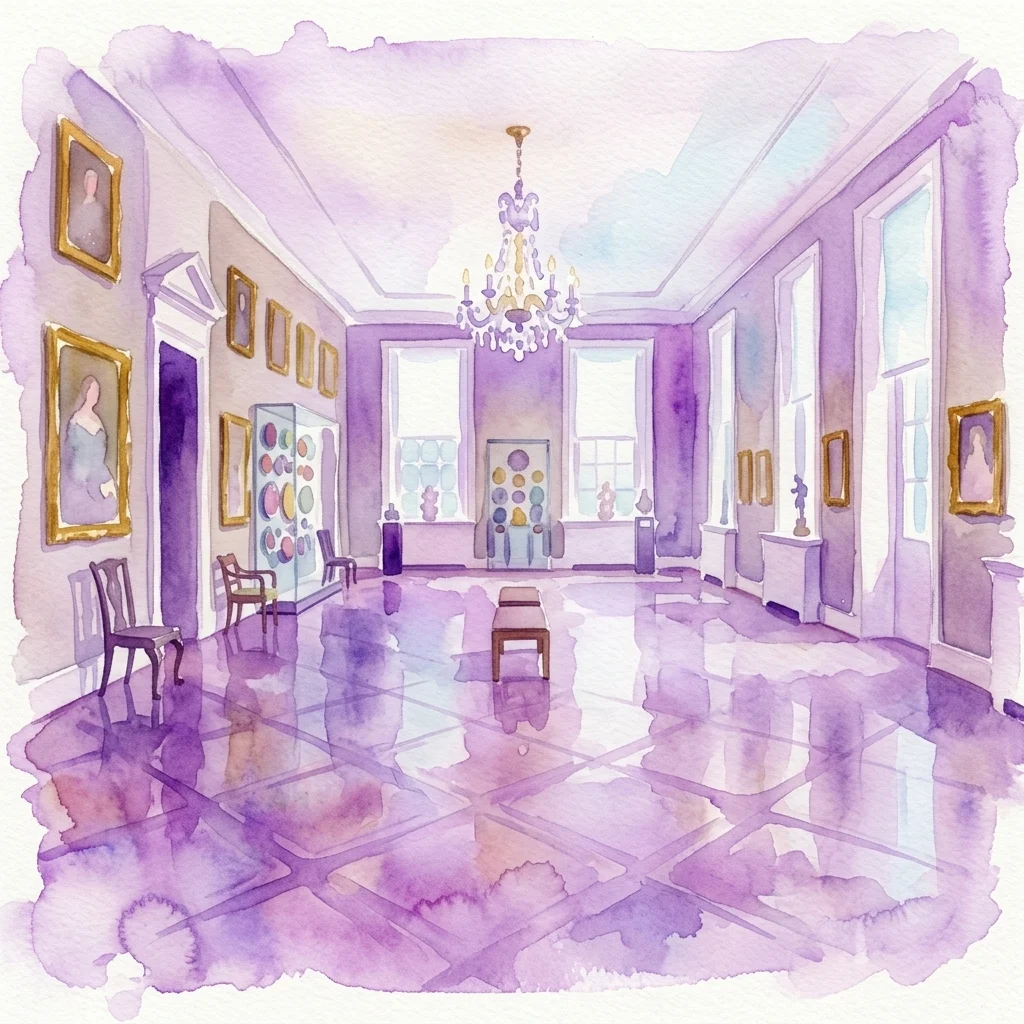
Watercolor illustration of the Holburne Museum's Ballroom gallery featuring a chandelier, tall windows, framed portrait paintings, and decorative objects in glass vitrines.
The Holburne Museum
Permanent exhibition

Ballroom: 17th and 18th-Century Painting and Decorative Art Collection

Explore historical paintings and decorative objects in a refined, historic setting.

Discover a permanent display of paintings, silver, and ceramics in the museum's Ballroom. This historic room provides a unique backdrop for viewing art from the 17th and 18th centuries.

Ballroom Exhibition
Bath

Comprehensive Collection of Museums to Visit in Bath

Uncover diverse historical narratives and artistic treasures across the city.

Examine the breadth of cultural offerings available through a wide museum list in Bath. The selection ranges from ancient Roman sites to celebrated literary houses, providing meaningful insights into the region's enduring legacy and creative heritage.