
Bath
Museum itinerary · Bath

A Bath day from the Roman spring to the Herschels’ workshop and Royal Crescent

Water engineering, a telescope workshop and a Georgian household

Trace Bath across two very different eras. The Roman Baths and World Heritage Centre explain the spring. Herschel’s workshop and No. 1 Royal Crescent reveal two kinds of Georgian home.

Museum stops
4
Visits and transfers
5 hr 21 min
Suggested days
Tue, Wed, Thu, Fri, & Sat
Why these museums go together

Follow the heat of the spring through the baths before looking at the wider valley in the World Heritage Centre. After lunch on the way west, exchange public monuments for a private workshop and a house built to receive visitors.

Both afternoon stops have domestic rooms. At New King Street ask where a mirror could be made and a telescope used; at Royal Crescent ask who saw the finished table and who carried things to it.

HistoryScienceArchitecture
Route map
© OpenStreetMap contributors

The itinerary, stop by stop

Stop 1 · 1 hr 45 min
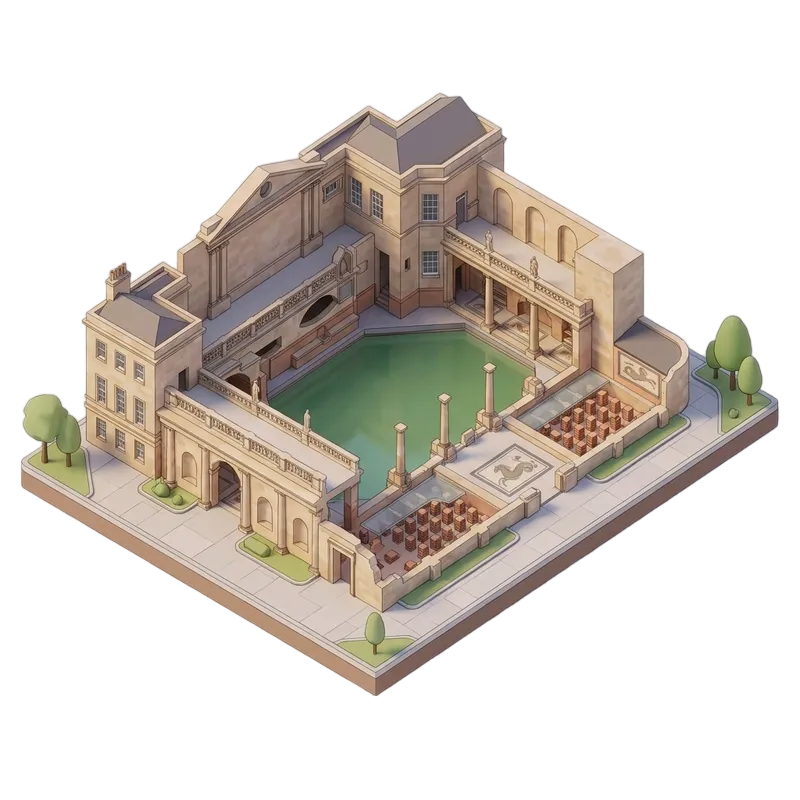
The Roman Baths

Use the museum route to see the spring, its Roman engineering and the temple stories before returning to the Great Bath as a whole. Choose a point to slow down where the water system is visible, then connect the religious material to a specific person’s request in a curse tablet. Finish in a heat or exercise room if time allows. The upper and lower viewpoints on the Great Bath do different jobs: the view from above explains the plan, and standing lower helps you see the scale of the water and walkways.

What to look for

Sacred Spring and Roman plumbing
Follow where the water enters and where the channels take it. Compare the natural spring with the engineered baths that depended on it.
Sulis Minerva in gilt bronze
Look for the goddess’s head from the temple. Compare the surviving metal and gilding with the way the museum reconstructs where such a figure once stood.
The Gorgon and curse tablets
Look at the temple pediment and then one written tablet from the spring. The shift from large architectural carving to a private written appeal is part of the story.
The Great Bath and the exercise rooms
Compare the large bathing area to evidence for exercise or the Laconicum. Notice how different activities needed a change in heat, space or access to water.

Walk · 2 min

Getting to Bath World Heritage Centre

Walk 135 m via Abbey Churchyard → York Street → Swallow Street. Allow about 2 min on foot between the two mapped locations, plus time at the entrance.

Stop 2 · 45 min
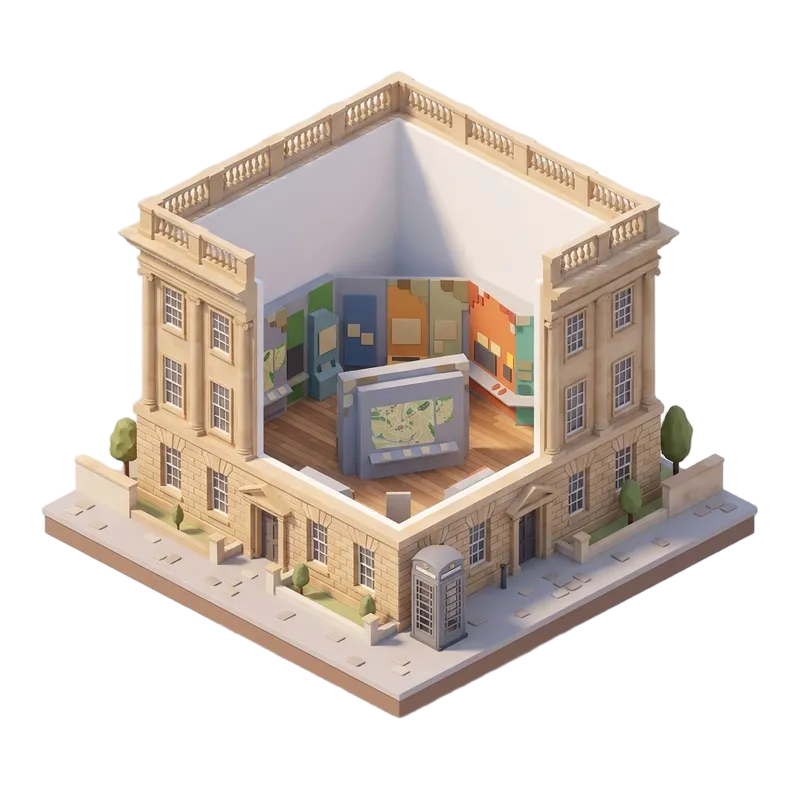
Bath World Heritage Centre

Enter through York Street and use the interactive displays to compare the hot springs with the geology and landscape around Bath. Then bring the chronology forward through Georgian building and the social life of the spa town. Ask the staff or volunteers which nearby street gives the clearest short follow-up if you have time. Choose one useful map or suggested trail before leaving rather than trying to do a second full city circuit immediately.

What to look for

Hot springs as a shared theme
Relate the explanation here to the water route you followed just before. Look for how the natural resource shaped the city outside the Roman walls.
Georgian architecture and planning
Use the map to match the street pattern to a building or square you have already passed. Ask why a whole city can be protected as heritage.
The spa town’s social setting
Follow how taking the waters affected people’s daily appointments, places to meet and routes between indoor and outdoor spaces.
Hills and landscape
Look at how the natural bowl around Bath relates to streets and sightlines. Choose a landmark from the visitor material to identify outside.

Walk · 10 min

Getting to Herschel Museum of Astronomy

Walk 680 m via Swallow Street → York Street → Westgate Street → Charles Street → New King Street. Allow about 10 min on foot between the two mapped locations, plus time at the entrance.

Stop 3 · 1 hr 10 min
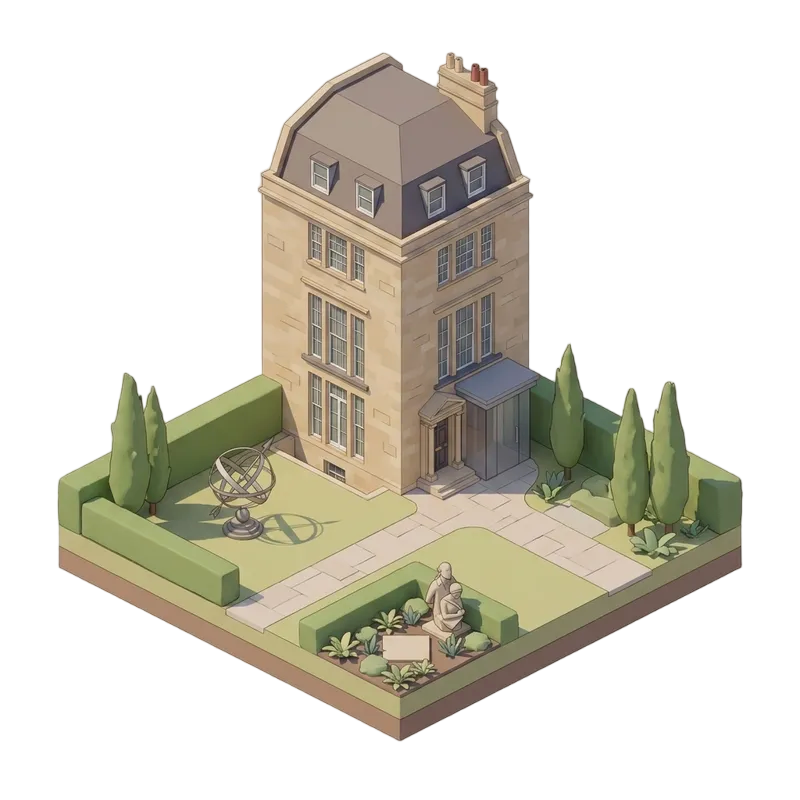
Herschel Museum of Astronomy

At 19 New King Street follow the house route from the domestic rooms to the workshop and garden where William Herschel identified Uranus as an object that was moving. Notice how making a reflecting telescope involved designing the instrument and producing its mirror. Compare the scale of the workshop with the explanation of its discoveries and save time for Caroline Herschel’s part in the history. When the garden is closed, use the available house and museum interpretation to understand where the observation happened.

What to look for

The garden observation site
Look at the available view from the garden where Uranus was found in 1781. Consider how repeated observations can distinguish movement from an apparent fixed star.
Workshop and a reflecting telescope
Use the interpretation to picture the telescope’s mirror and tube. A large instrument started with shaping and polishing a surface to the right form.
Caroline Herschel
Look for her role in observing, recording and discovery. Trace her work rather than treating it as merely part of William’s biography.
Home and workshop
Compare the domestic space with the room where instruments were made. Read how work fitted into a small house off New King Street.

Walk · 9 min

Getting to No. 1 Royal Crescent

Walk 620 m via New King Street → Little Stanhope Street → Monmouth Place → Royal Crescent. Allow about 9 min on foot between the two mapped locations, plus time at the entrance.

Stop 4 · 1 hr 20 min
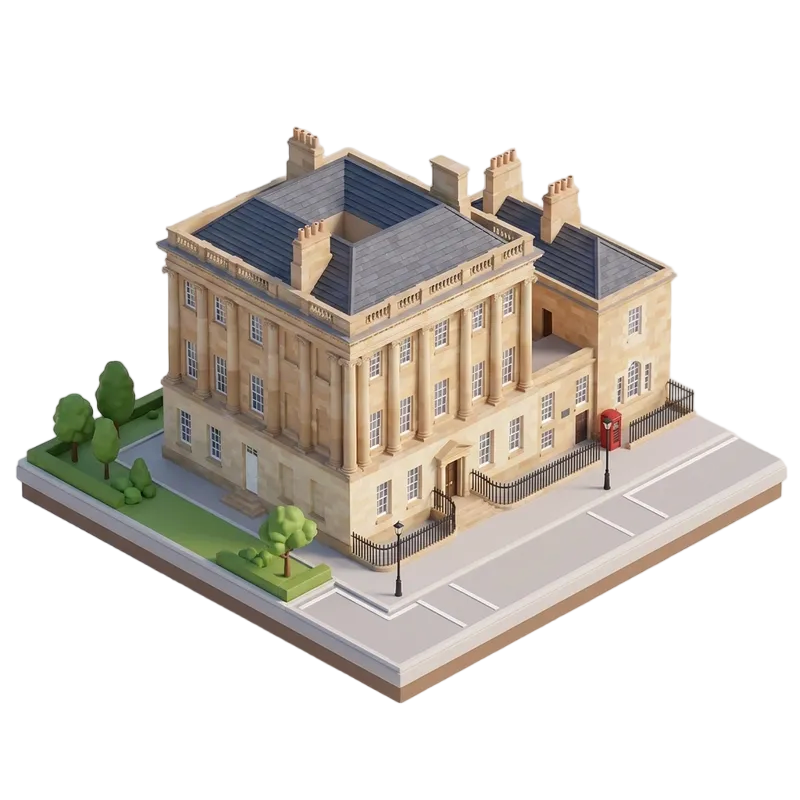
No. 1 Royal Crescent

Begin outside by looking along the curve and then enter the house to follow the prepared visitor route. Use dining room, parlour and the Gentleman’s Retreat to compare different kinds of receiving and withdrawing within the same household. On the main route, look for the original staircase that can be seen below the glass and finish with a service space if it is accessible. Make time to compare where guests would stand with where the work serving them happened.

What to look for

The dining room
Read the position of the table in the room and imagine the routes guests and those serving them took. Compare furniture with the role suggested by the room’s position.
The parlour
Look at where people could have sat or stood. Think about which features encourage conversation and which mark out status.
Gentleman’s Retreat and staircase
The museum notes original stairs visible beneath glass near this room. Look if you are comfortable with glass flooring, or follow the indicated alternative route.
Kitchen and service
Where accessible, compare the surfaces and distances in a working room with the dining or reception space. Some service rooms are omitted on the step-free route.
Timing, booking and admission

Set your pace

Start at 09:30 when a Roman Baths slot is available, then visit the Heritage Centre around 11:30. After lunch aim for 13:15 at Herschel and 14:45 at the Crescent. Allow extra time on the uphill walk.

What to book ahead

Check winter breaks, workshop closures at Herschel and the final entry at No. 1. Reserve the Roman Baths first and leave space for lockers and the exit from the archaeological site.

Tickets and museum passes

The World Heritage Centre has free entry. Price the Roman Baths separately. Herschel and No. 1 share Bath Preservation Trust membership arrangements; check coverage before selecting two individual admissions.

Sources and route research

Comprehensive Guide to Museum Exhibitions and Cultural Showcases in Bath
Uncover art and history through diverse city-wide exhibition programming.
Browse through a variety of museum exhibitions in Bath to connect with local art, archaeology, and literature. Gain deeper insight into the creative identity of the region by visiting these thoughtfully presented cultural displays.
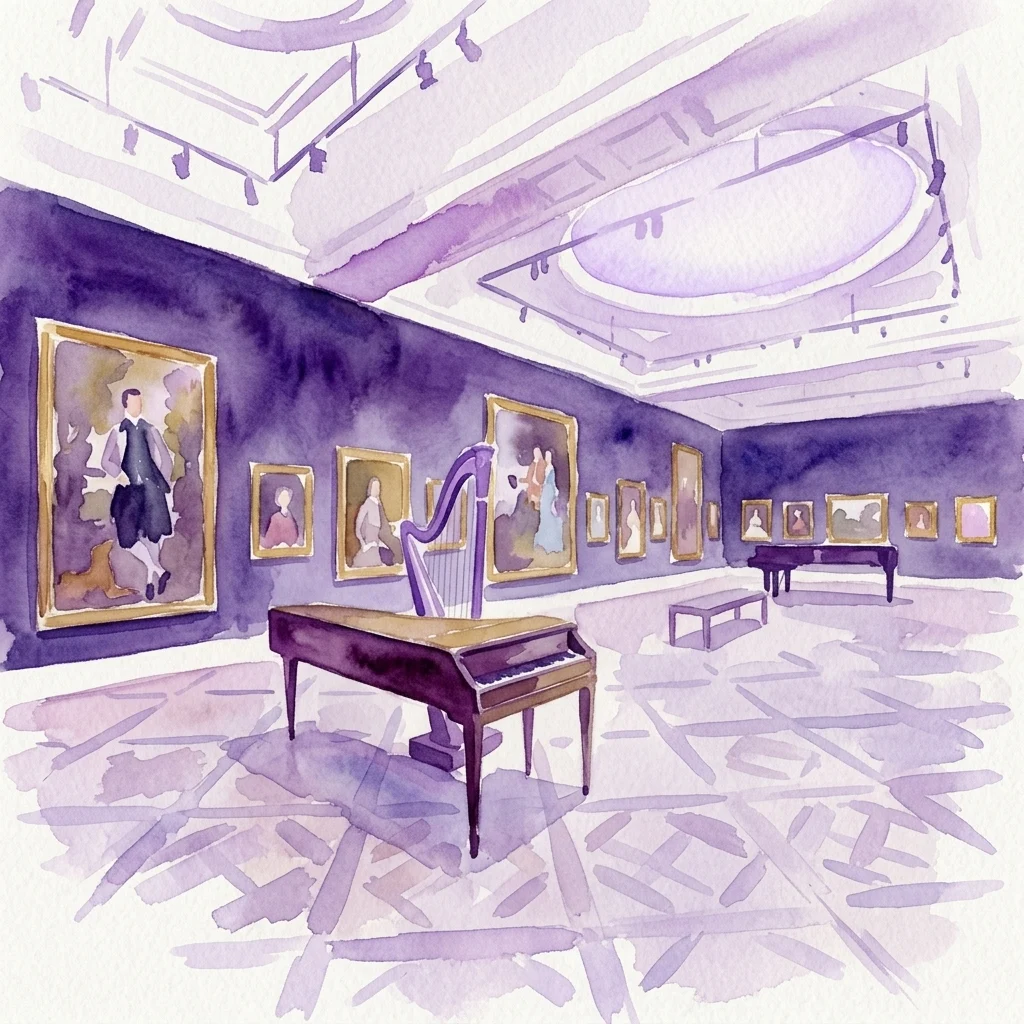
Watercolor illustration of an 18th-century gallery with deep purple walls, gold-framed portraits, a fortepiano and harp, and polished wooden floors.
The Holburne Museum
Permanent exhibition

18th-century British Paintings Collection at the Holburne Museum

Permanent display of historical portraiture and theatrical art.

Discover a significant assembly of British portraiture and works by masters including Thomas Gainsborough and Johann Zoffany. The display offers insight into 18th-century social history within the museum's historic Picture Gallery.

British Paintings Exhibition
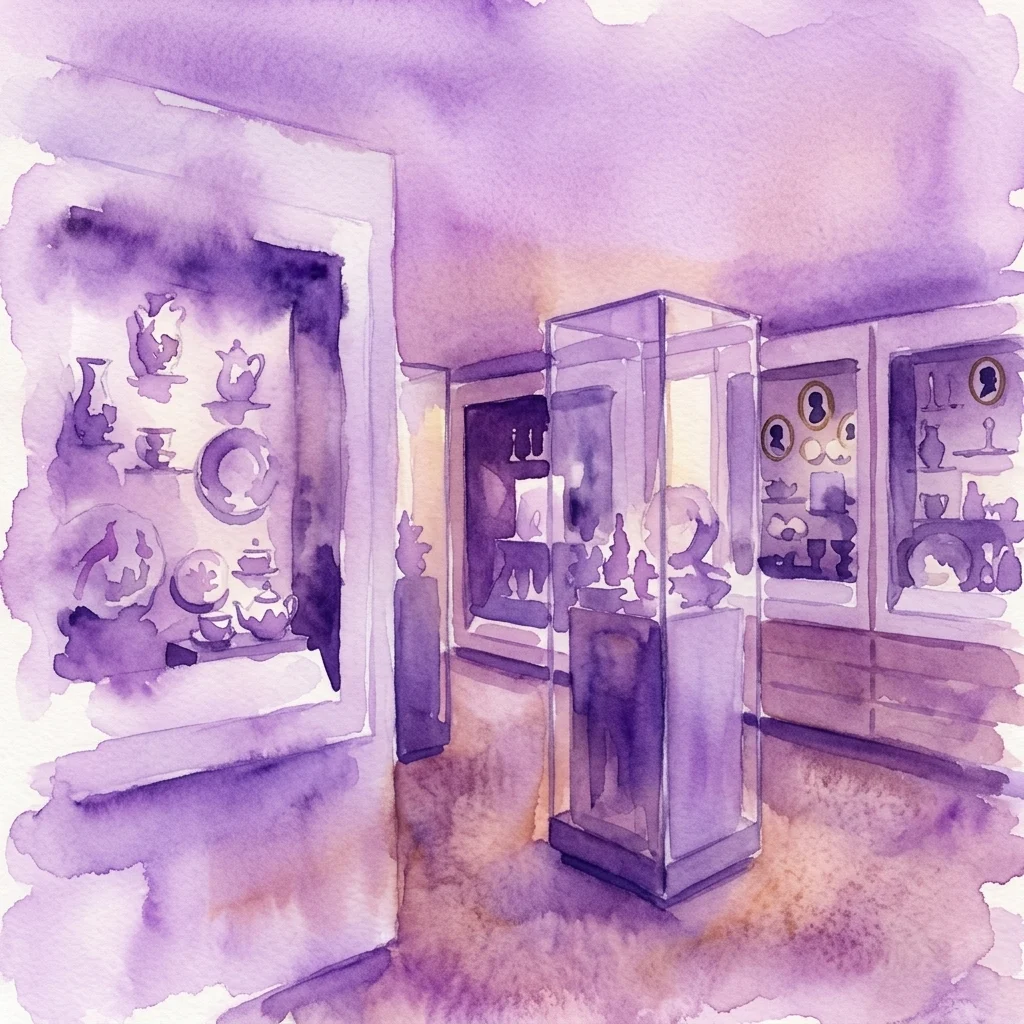
Purple watercolor illustration of a gallery interior with glass display cabinets holding porcelain, plates, and decorative objects arranged on the walls and a central freestanding case.
The Holburne Museum
Permanent exhibition

17th and 18th-century Decorative Art at the Holburne Museum

A permanent collection reflecting the culture and history of Georgian Bath.

View fine 17th and 18th-century porcelain, glassware, and personal items. This collection offers insights into historical social customs and includes notable pieces like Meissen figurines.

Decorative Art Exhibition
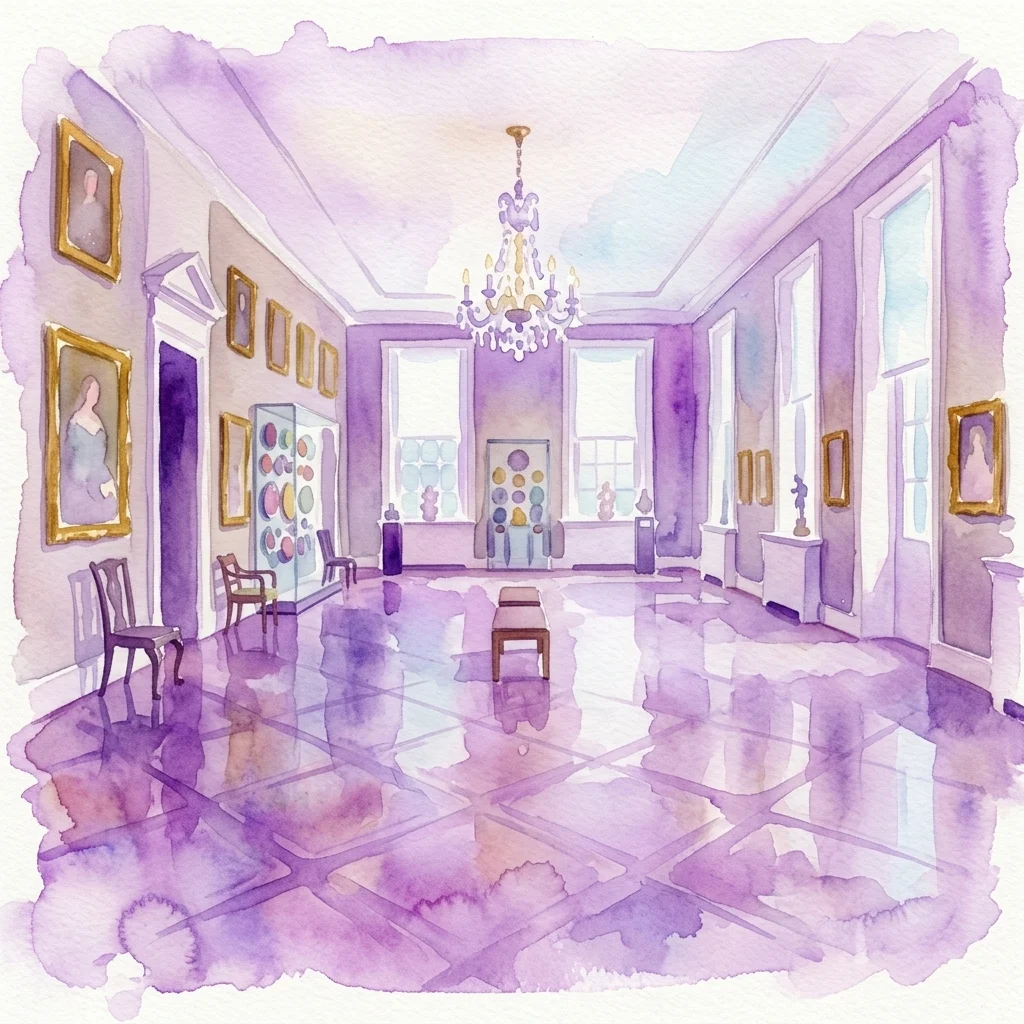
Watercolor illustration of the Holburne Museum's Ballroom gallery featuring a chandelier, tall windows, framed portrait paintings, and decorative objects in glass vitrines.
The Holburne Museum
Permanent exhibition

Ballroom: 17th and 18th-Century Painting and Decorative Art Collection

Explore historical paintings and decorative objects in a refined, historic setting.

Discover a permanent display of paintings, silver, and ceramics in the museum's Ballroom. This historic room provides a unique backdrop for viewing art from the 17th and 18th centuries.

Ballroom Exhibition
Bath

Comprehensive Collection of Museums to Visit in Bath

Uncover diverse historical narratives and artistic treasures across the city.

Examine the breadth of cultural offerings available through a wide museum list in Bath. The selection ranges from ancient Roman sites to celebrated literary houses, providing meaningful insights into the region's enduring legacy and creative heritage.