
Bath
Museum itinerary · Bath

Visit Georgian Bath through the objects its collectors kept

Furniture, ceramics and silver between Royal Crescent and Sydney Gardens

Set a furnished Bath townhouse beside East Asian ceramics and the Holburne’s decorative arts. Compare how a single vessel changes between a dining room and a display case.

Museum stops
3
Visits and transfers
4 hr 38 min
Suggested days
Tue, Wed, Thu, Fri, & Sat
Why these museums go together

At No. 1, consider what a guest could see on the table and where the work of preparing it happened. At Bennett Street look at a maker’s choice of glaze or carving. The Holburne adds a third eye, that of a collector arranging pieces for others to see.

Keep material and use separate in your notes. A piece identified as porcelain gives you a technique to compare across the museums, even when the people who used it lived far apart.

ArtDesignHistory
Route map
© OpenStreetMap contributors

The itinerary, stop by stop

Stop 1 · 1 hr 20 min
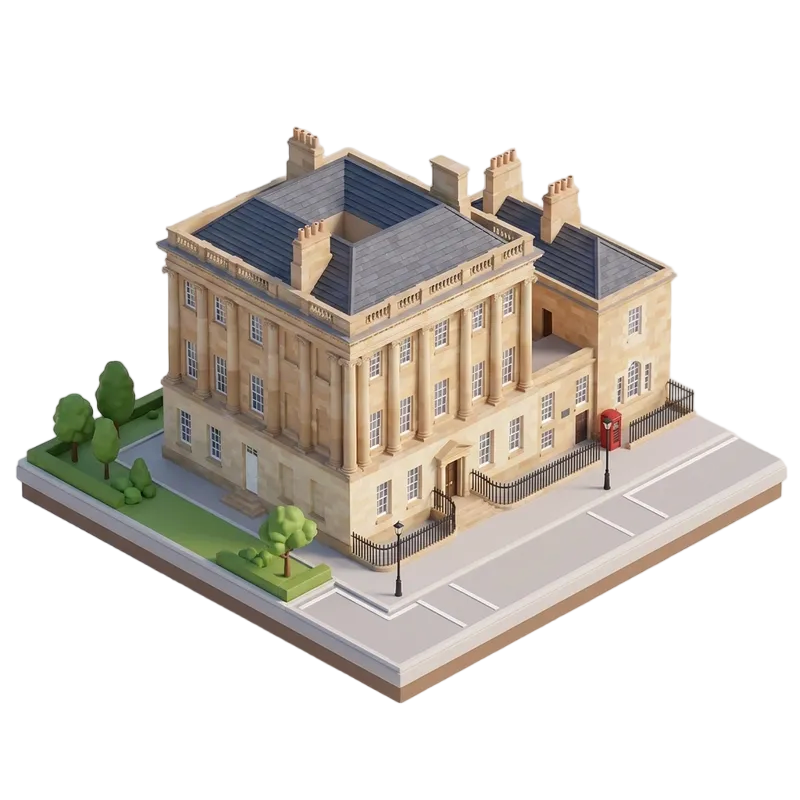
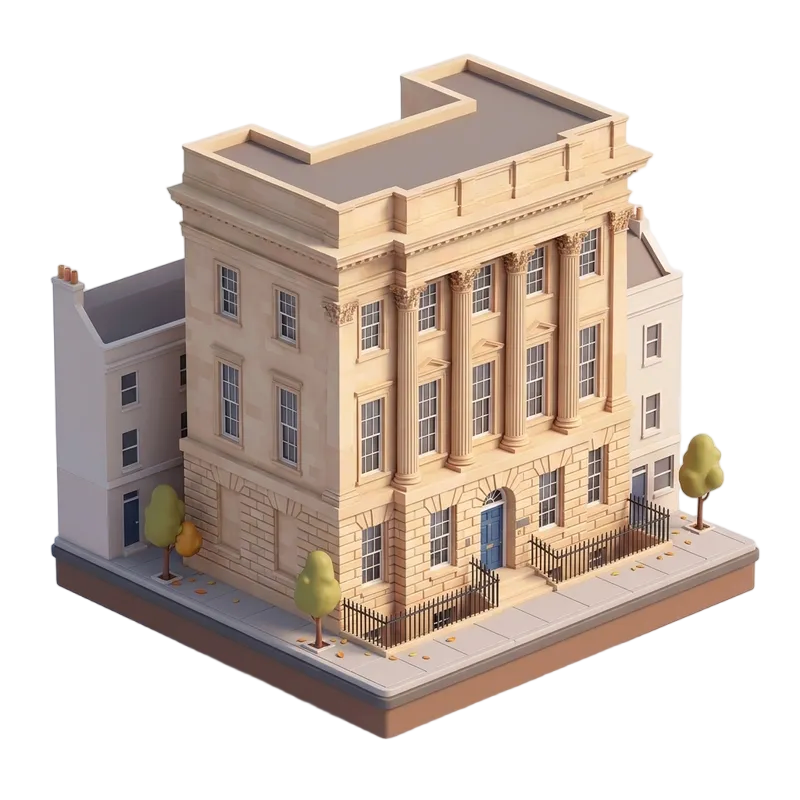
No. 1 Royal Crescent

Begin outside by looking along the curve and then enter the house to follow the prepared visitor route. Use dining room, parlour and the Gentleman’s Retreat to compare different kinds of receiving and withdrawing within the same household. On the main route, look for the original staircase that can be seen below the glass and finish with a service space if it is accessible. Make time to compare where guests would stand with where the work serving them happened.

What to look for

The dining room
Read the position of the table in the room and imagine the routes guests and those serving them took. Compare furniture with the role suggested by the room’s position.
The parlour
Look at where people could have sat or stood. Think about which features encourage conversation and which mark out status.
Gentleman’s Retreat and staircase
The museum notes original stairs visible beneath glass near this room. Look if you are comfortable with glass flooring, or follow the indicated alternative route.
Kitchen and service
Where accessible, compare the surfaces and distances in a working room with the dining or reception space. Some service rooms are omitted on the step-free route.

Walk · 4 min

Getting to Museum of East Asian Art

Walk 296 m via Royal Crescent → Brock Street → The Circus → Bennett Street. Allow about 4 min on foot between the two mapped locations, plus time at the entrance.

Stop 2 · 1 hr 20 min
Museum of East Asian Art

Use the collection galleries to choose a material subject rather than treating ceramics, jade and lacquer as examples of one style. Start with a single stone or ceramic piece and read where it came from and how it was used. Compare it with another object made by a different method. Leave time for the Discovery Room if available, where visitors can examine the stories and symbolism associated with collection objects. Check the displays before coming for one specific item.

What to look for

Ceramics and glaze
Look at where glaze pools or thins and compare the decoration with the shape meant to be handled or displayed.
Jade carving
Notice where light passes through an edge or reveals a cut. Read the geographic and chronological context before interpreting the object as decoration.
Lacquer, bamboo or metal
Choose a different material and look for the traces of its making. Compare the kind of labour visible at close range to the finished surface.
Discovery Room
If open, use this room to test one interpretation about use or symbolism before leaving the museum.

Walk · 19 min

Getting to The Holburne Museum

Walk 1405 m via Bennett Street → St Andrew's Terrace → George Street → Great Pulteney Street → Sydney Place. Allow about 19 min on foot between the two mapped locations, plus time at the entrance.

Stop 3 · 1 hr 35 min
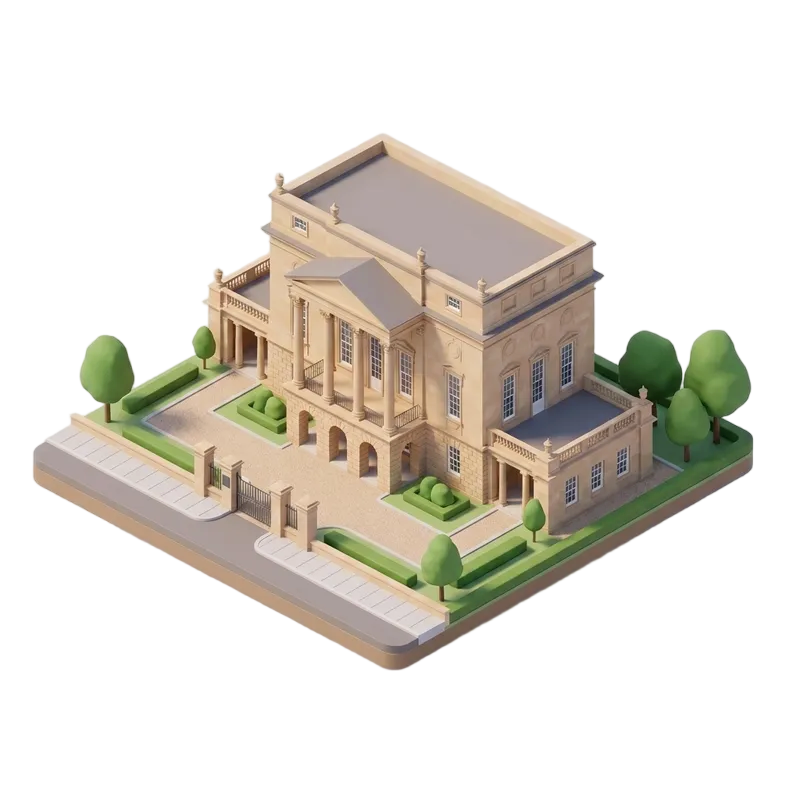
The Holburne Museum

Take a moment to look down Great Pulteney Street from the museum’s approach. Inside, start with a portrait or Bath-related landscape, then switch scale to silver, porcelain or another small object. Follow the collecting history when a label distinguishes Sir William Holburne’s bequest from later holdings. If one gallery is closed or repurposed, begin with the visitor map and replace it with a collection display of another material.

What to look for

Portraiture at the Holburne
The collection includes Gainsborough’s Unknown Lady in a Blue Cloak. If it is on display, compare the treatment of fabric with a small decorative object nearby.
Holburne silver
If shown, compare a serving object with a piece made for drinking or for salt. Its relief is often clearest when you work out how it caught light at a table.
The Barker family in Bath
The museum holds works by generations of the Barker family. Look for one landscape or portrait if on view and place it beside the image of Bath you saw earlier.
Ceramics and porcelain
Choose one small vessel and read the material label. Compare its surface, ornament and intended use with the glass or ceramics at Victoria.
Timing, booking and admission

Set your pace

Try 10:00 at No. 1, 11:35 at the East Asian Art museum and 14:15 at the Holburne after lunch and the walk along Great Pulteney Street. Keep an hour free at the end for a favourite gallery.

What to book ahead

Tuesday to Saturday is the usual overlap. Check both museums’ winter breaks and book the Royal Crescent entry first. The East Asian Art museum lists a festive closure from 24 December 2026 to 19 January 2027.

Tickets and museum passes

Check admission at each door. At the Holburne select the permanent collection and the exhibition you actually want before comparing tickets or concessions.

Sources and route research

Comprehensive Guide to Museum Exhibitions and Cultural Showcases in Bath
Uncover art and history through diverse city-wide exhibition programming.
Browse through a variety of museum exhibitions in Bath to connect with local art, archaeology, and literature. Gain deeper insight into the creative identity of the region by visiting these thoughtfully presented cultural displays.
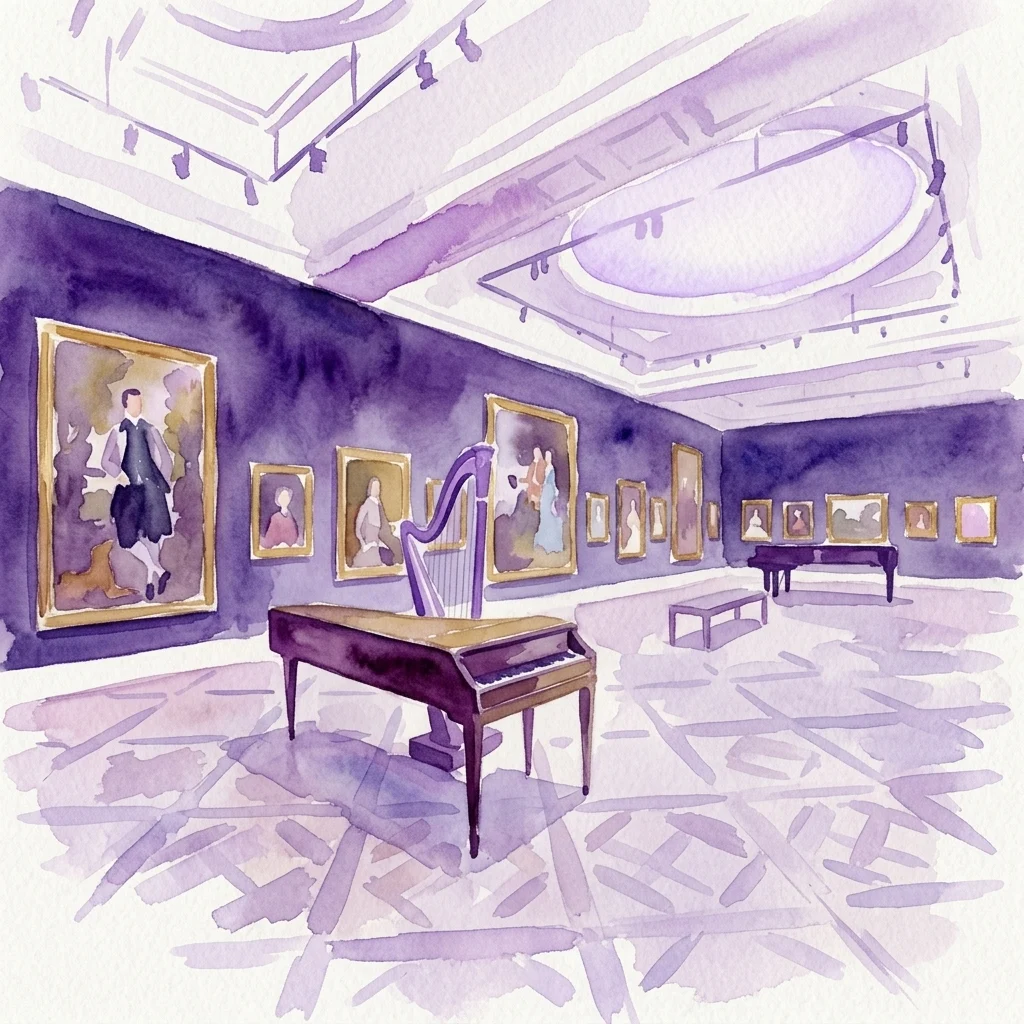
Watercolor illustration of an 18th-century gallery with deep purple walls, gold-framed portraits, a fortepiano and harp, and polished wooden floors.
The Holburne Museum
Permanent exhibition

18th-century British Paintings Collection at the Holburne Museum

Permanent display of historical portraiture and theatrical art.

Discover a significant assembly of British portraiture and works by masters including Thomas Gainsborough and Johann Zoffany. The display offers insight into 18th-century social history within the museum's historic Picture Gallery.

British Paintings Exhibition
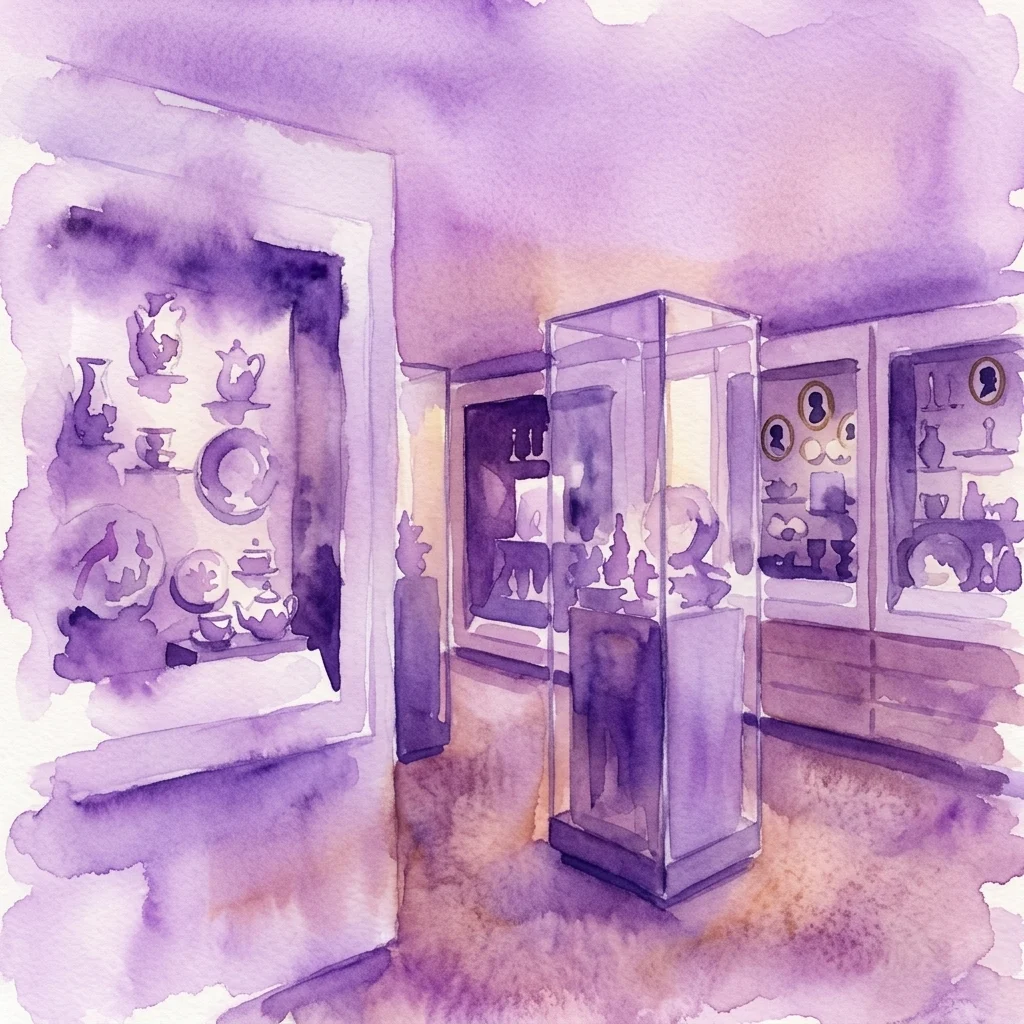
Purple watercolor illustration of a gallery interior with glass display cabinets holding porcelain, plates, and decorative objects arranged on the walls and a central freestanding case.
The Holburne Museum
Permanent exhibition

17th and 18th-century Decorative Art at the Holburne Museum

A permanent collection reflecting the culture and history of Georgian Bath.

View fine 17th and 18th-century porcelain, glassware, and personal items. This collection offers insights into historical social customs and includes notable pieces like Meissen figurines.

Decorative Art Exhibition
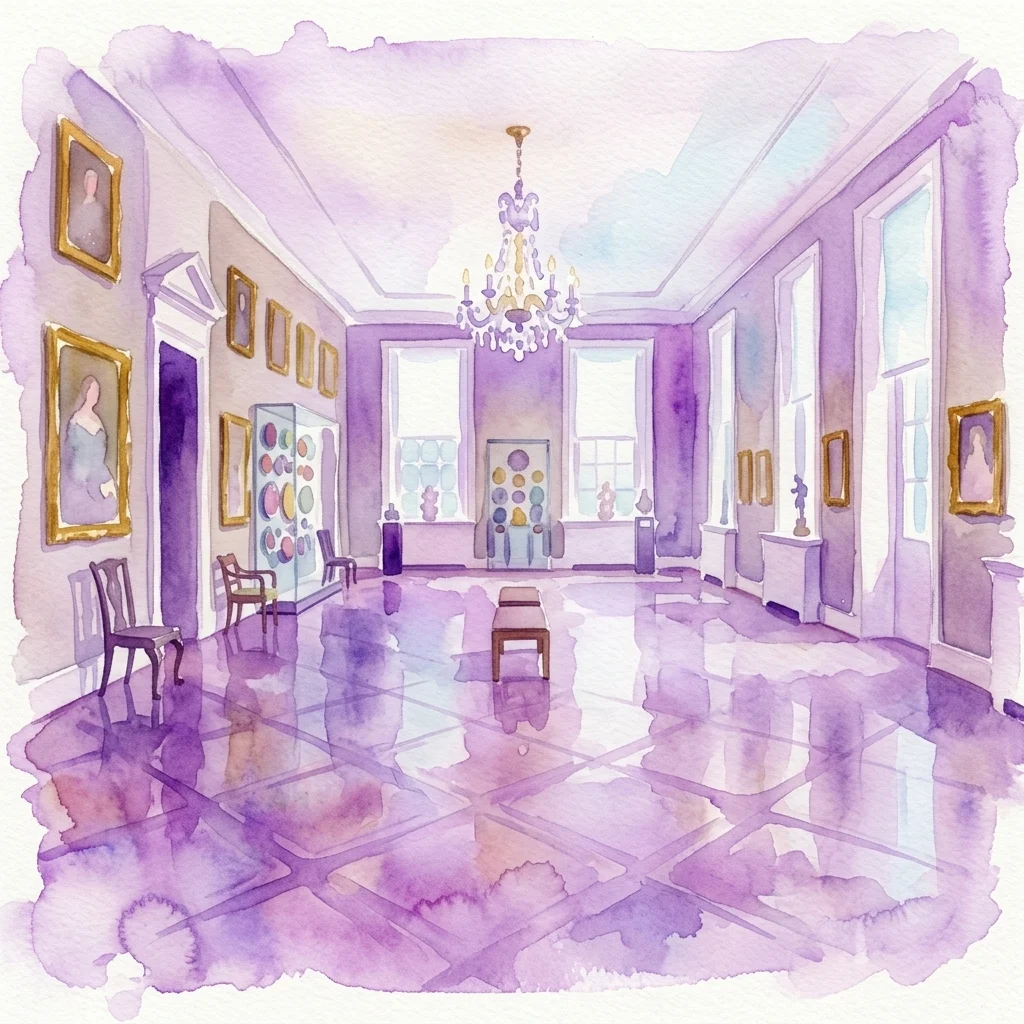
Watercolor illustration of the Holburne Museum's Ballroom gallery featuring a chandelier, tall windows, framed portrait paintings, and decorative objects in glass vitrines.
The Holburne Museum
Permanent exhibition

Ballroom: 17th and 18th-Century Painting and Decorative Art Collection

Explore historical paintings and decorative objects in a refined, historic setting.

Discover a permanent display of paintings, silver, and ceramics in the museum's Ballroom. This historic room provides a unique backdrop for viewing art from the 17th and 18th centuries.

Ballroom Exhibition
Bath

Comprehensive Collection of Museums to Visit in Bath

Uncover diverse historical narratives and artistic treasures across the city.

Examine the breadth of cultural offerings available through a wide museum list in Bath. The selection ranges from ancient Roman sites to celebrated literary houses, providing meaningful insights into the region's enduring legacy and creative heritage.