
Bath
Museum itinerary · Bath

From the Roman Baths to Bath’s World Heritage Centre

A hot spring and the city that grew around it

Follow the water through the Roman Baths, from the Sacred Spring to the Great Bath. At the free World Heritage Centre, find out how the same spring shaped the later spa town, its streets and its setting.

Museum stops
2
Visits and transfers
2 hr 48 min
Suggested days
Any day
Why these museums go together

The baths show what Romans built around the spring and why people came there. The nearby World Heritage Centre moves the focus outdoors, linking the ancient site to the streets and hills of the later city.

The same spring explains both visits at a different scale. The Roman Baths show how the water was channelled to create a complex of worship, bathing and exercise. The World Heritage Centre shows how the surrounding city grew around the resource, from the relationship of springs and archaeology to the later Georgian streets and surrounding hills. Finish by finding one of those relationships outside on foot. It means there is a through line even if you choose only two objects at each stop.

HistoryLocal heritage
Route map
© OpenStreetMap contributors

The itinerary, stop by stop

Stop 1 · 1 hr 55 min
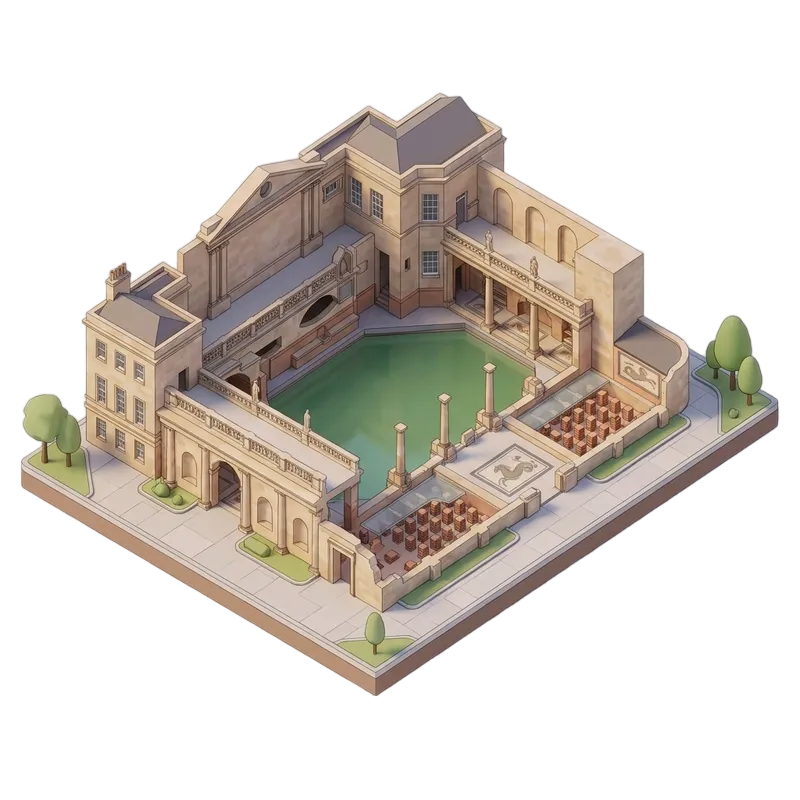
The Roman Baths

Use the museum route to see the spring, its Roman engineering and the temple stories before returning to the Great Bath as a whole. Choose a point to slow down where the water system is visible, then connect the religious material to a specific person’s request in a curse tablet. Finish in a heat or exercise room if time allows. The upper and lower viewpoints on the Great Bath do different jobs: the view from above explains the plan, and standing lower helps you see the scale of the water and walkways.

What to look for

Sacred Spring and Roman plumbing
Follow where the water enters and where the channels take it. Compare the natural spring with the engineered baths that depended on it.
Sulis Minerva in gilt bronze
Look for the goddess’s head from the temple. Compare the surviving metal and gilding with the way the museum reconstructs where such a figure once stood.
The Gorgon and curse tablets
Look at the temple pediment and then one written tablet from the spring. The shift from large architectural carving to a private written appeal is part of the story.
The Great Bath and the exercise rooms
Compare the large bathing area to evidence for exercise or the Laconicum. Notice how different activities needed a change in heat, space or access to water.

Walk · 3 min

Getting to Bath World Heritage Centre

Walk via York Street. The mapped pedestrian route is about 30 m; allow 3 minutes door to door.

Stop 2 · 50 min
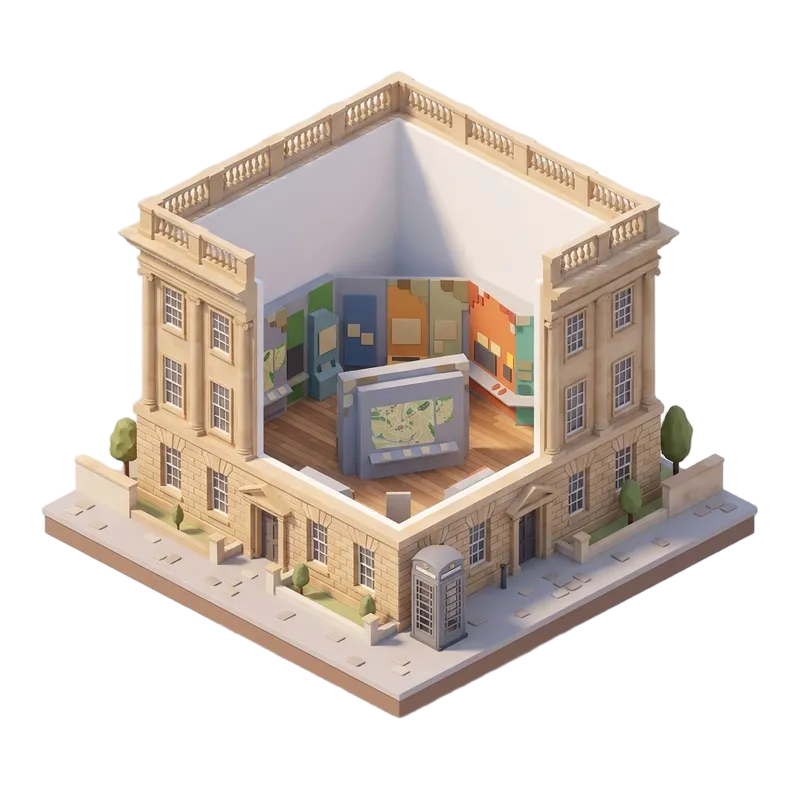
Bath World Heritage Centre

Enter through York Street and use the interactive displays to compare the hot springs with the geology and landscape around Bath. Then bring the chronology forward through Georgian building and the social life of the spa town. Ask the staff or volunteers which nearby street gives the clearest short follow-up if you have time. Choose one useful map or suggested trail before leaving rather than trying to do a second full city circuit immediately.

What to look for

Hot springs as a shared theme
Relate the explanation here to the water route you followed just before. Look for how the natural resource shaped the city outside the Roman walls.
Georgian architecture and planning
Use the map to match the street pattern to a building or square you have already passed. Ask why a whole city can be protected as heritage.
The spa town’s social setting
Follow how taking the waters affected people’s daily appointments, places to meet and routes between indoor and outdoor spaces.
Hills and landscape
Look at how the natural bowl around Bath relates to streets and sightlines. Choose a landmark from the visitor material to identify outside.
Timing, booking and admission

Set your pace

Look for a Roman Baths entry around 10:00 and spend just under two hours there. Use the first hour for the water, temple finds and main complex, then give the remaining time to one especially interesting gallery or the rooms for exercise and heat. The World Heritage Centre is very close on York Street. Allow about three minutes between entrances plus time to orient at the exit. Begin the second visit around noon and spend 50 minutes with the free displays before stepping back into the city.

What to book ahead

Book the Roman Baths in advance for the time you want. Check World Heritage Centre hours separately; admission there is free and the centre closes on 25 and 26 December.

Tickets and museum passes

The Roman Baths are the paid and capacity-sensitive stop; check the museum’s online timed entries for your date, including seasonal hours. The World Heritage Centre is free and operates separately. You do not need to build a second paid ticket around the first one. Check the museums’ access statements if step-free movement is important, as the historic baths combine multiple levels and a distinct entrance and exit route.

Sources and route research

Comprehensive Guide to Museum Exhibitions and Cultural Showcases in Bath
Uncover art and history through diverse city-wide exhibition programming.
Browse through a variety of museum exhibitions in Bath to connect with local art, archaeology, and literature. Gain deeper insight into the creative identity of the region by visiting these thoughtfully presented cultural displays.
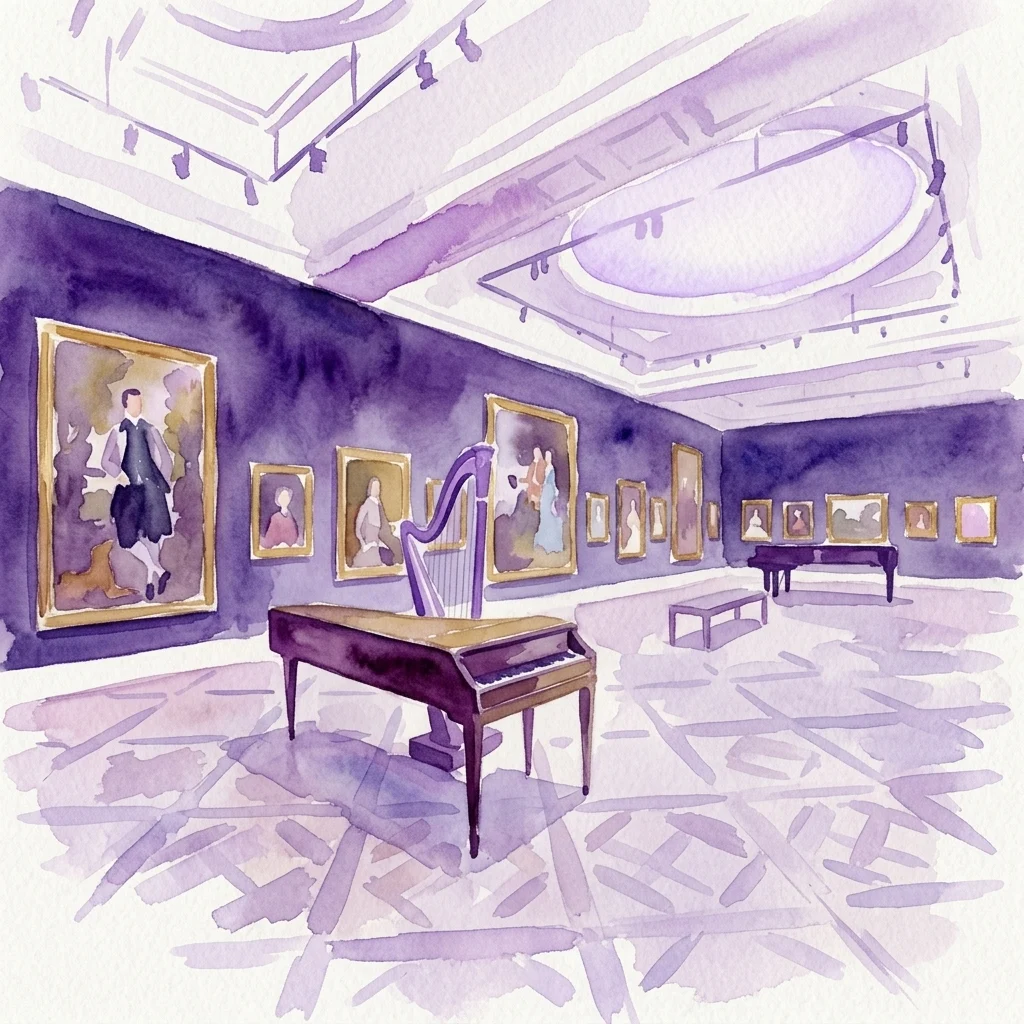
Watercolor illustration of an 18th-century gallery with deep purple walls, gold-framed portraits, a fortepiano and harp, and polished wooden floors.
The Holburne Museum
Permanent exhibition

18th-century British Paintings Collection at the Holburne Museum

Permanent display of historical portraiture and theatrical art.

Discover a significant assembly of British portraiture and works by masters including Thomas Gainsborough and Johann Zoffany. The display offers insight into 18th-century social history within the museum's historic Picture Gallery.

British Paintings Exhibition
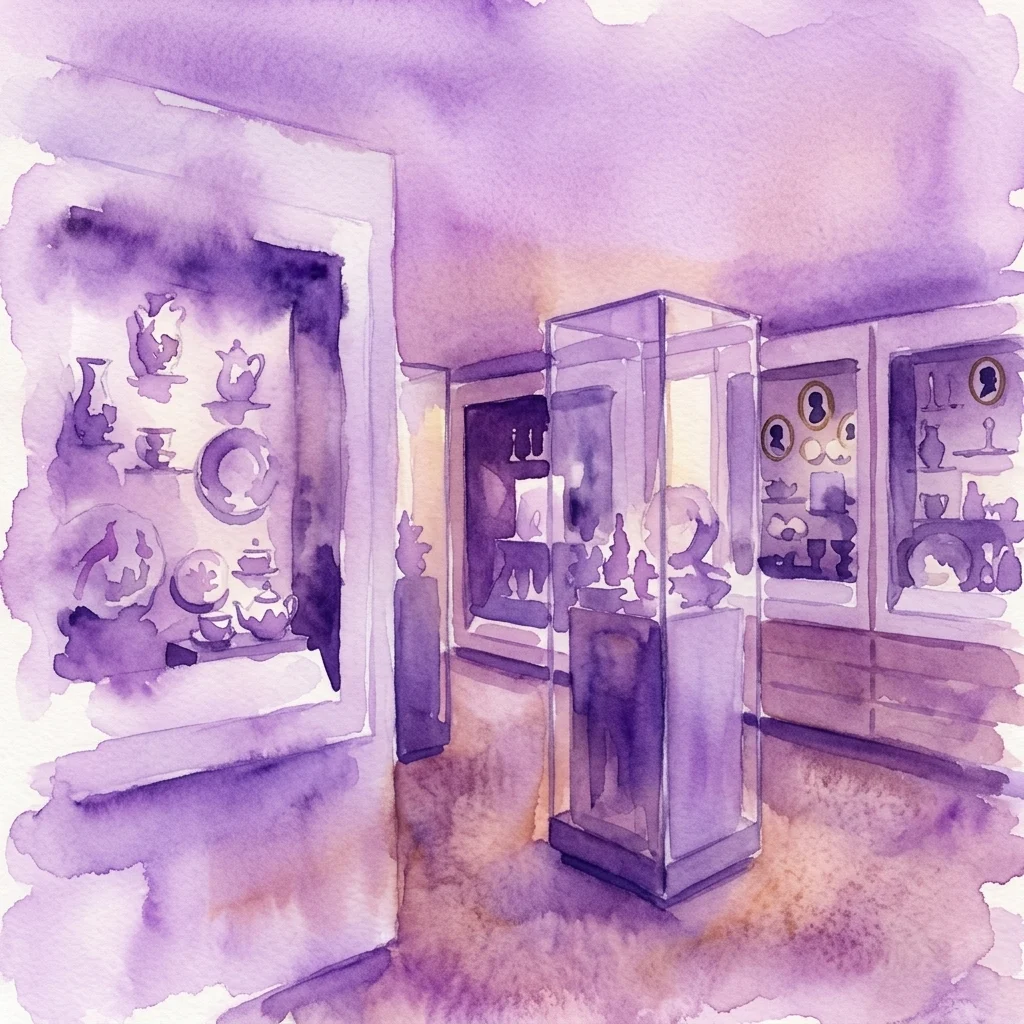
Purple watercolor illustration of a gallery interior with glass display cabinets holding porcelain, plates, and decorative objects arranged on the walls and a central freestanding case.
The Holburne Museum
Permanent exhibition

17th and 18th-century Decorative Art at the Holburne Museum

A permanent collection reflecting the culture and history of Georgian Bath.

View fine 17th and 18th-century porcelain, glassware, and personal items. This collection offers insights into historical social customs and includes notable pieces like Meissen figurines.

Decorative Art Exhibition
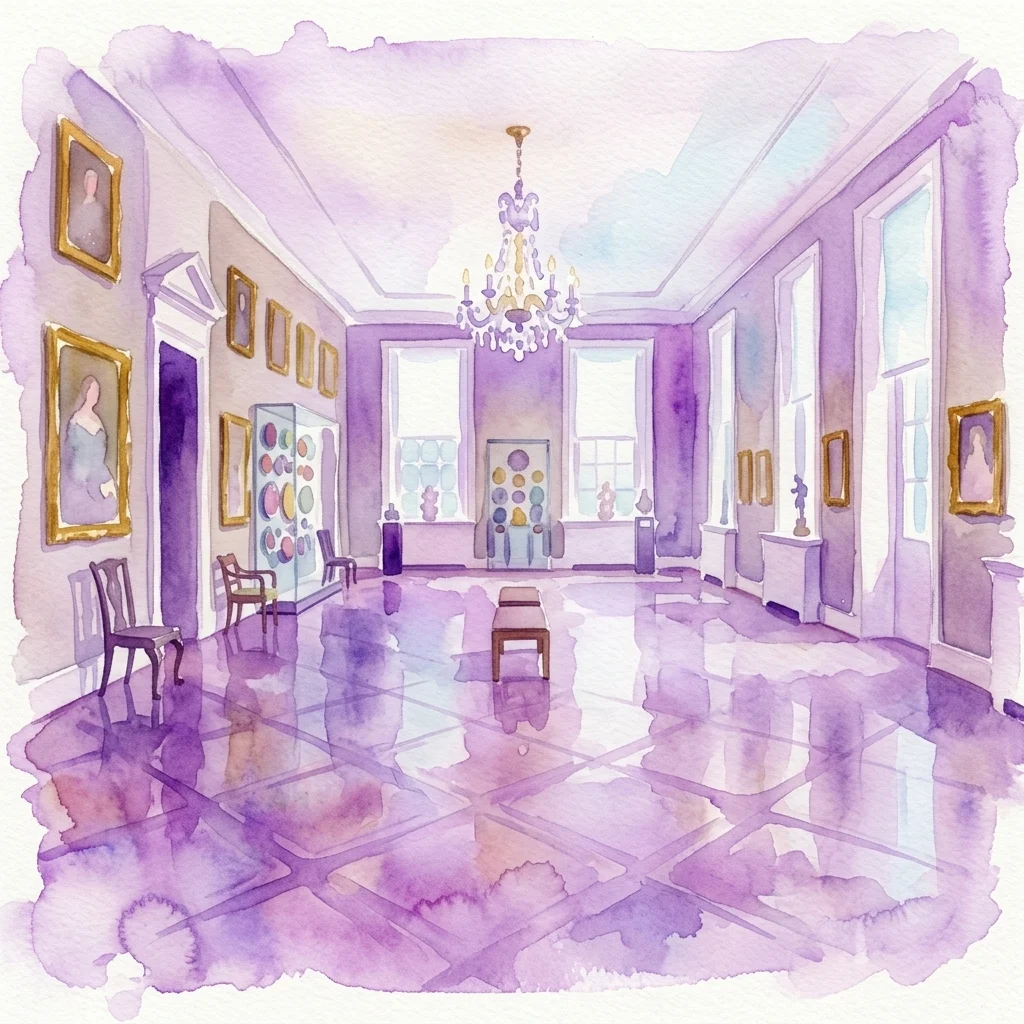
Watercolor illustration of the Holburne Museum's Ballroom gallery featuring a chandelier, tall windows, framed portrait paintings, and decorative objects in glass vitrines.
The Holburne Museum
Permanent exhibition

Ballroom: 17th and 18th-Century Painting and Decorative Art Collection

Explore historical paintings and decorative objects in a refined, historic setting.

Discover a permanent display of paintings, silver, and ceramics in the museum's Ballroom. This historic room provides a unique backdrop for viewing art from the 17th and 18th centuries.

Ballroom Exhibition
Bath

Comprehensive Collection of Museums to Visit in Bath

Uncover diverse historical narratives and artistic treasures across the city.

Examine the breadth of cultural offerings available through a wide museum list in Bath. The selection ranges from ancient Roman sites to celebrated literary houses, providing meaningful insights into the region's enduring legacy and creative heritage.