
Bruges
Museum itinerary · Bruges

Who commissioned the masterpieces of Bruges?

A medieval hospital, a canon, a ducal household and a church

Read Memling in a hospital ward, Van Eyck in a gallery and a family’s ambitions in the Gruuthuse oratory. Finish inside the church you have just seen from above.

Museum stops
4
Visits and transfers
4 hr 52 min
Suggested days
Tue, Thu, Fri, Sat, & Sun
Why these museums go together

Start with works made for a community of carers and patients. At the Groeningemuseum look for the kneeling canon in Van Eyck’s panel. The private chapel in Gruuthuse and the tombs in Our Lady’s complete a story of how patrons placed themselves in religious spaces.

The distances are small enough to revisit the same church from two viewpoints. Look down from the palace oratory before standing in the choir: privacy, status and devotion suddenly become architectural facts.

ArtHistoryArchitecture
Route map
© OpenStreetMap contributors

The itinerary, stop by stop

Stop 1 · 1 hr 20 min
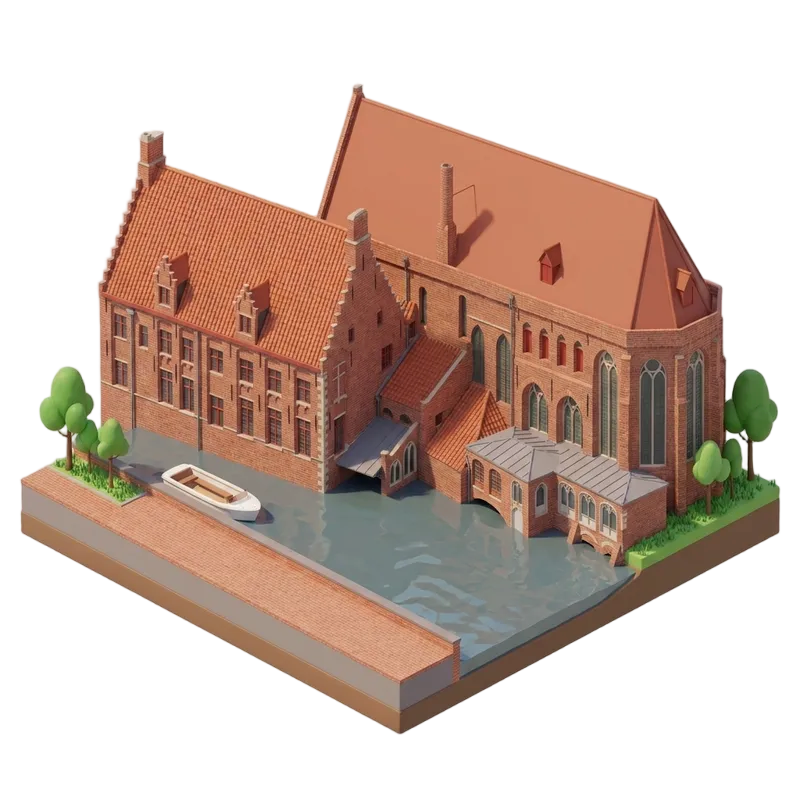
Museum Sint-Janshospitaal

Start in the old wards to understand who looked after the patients and where a painted altarpiece belonged. Compare Memling’s large hospital commission with the small diptych made for Maarten van Nieuwenhove. Enter the hospital church for the painted Shrine of Saint Ursula. If the attic is open, look up at the oak roof before walking to the Groeningemuseum for a different kind of donor portrait.

What to look for

Diptych of Maarten van Nieuwenhove
Find the convex mirror behind the Virgin, where you can see how Memling brings the donor and the Virgin into a single space. The surviving original hinges also let you read it as an object that actually opened and shut.
Altarpiece of the two Saints John
Pick out the lamb and the chalice before searching for the small wooden crane in the distance. The crane links the painted scene to the Bruges wine trade and the revenue the hospital received from it.
Shrine of Saint Ursula
Go to the hospital church to see the little painted building. Read one side from scene to scene, then look at how the images fit the shape of a container made for relics.
Oak roof and Closer to Memling
In the attic, look up at the monumental roof structure before trying the interactive material. Choose one detail on the tables and use it to reconsider something you saw in the actual paintings downstairs.

Walk · 7 min

Getting to Groeningemuseum

Walk 456 m via Onze-Lieve-Vrouwekerkhof-Zuid. Allow about 7 min on foot between the two mapped locations, plus time at the entrance.

Stop 2 · 1 hr 30 min
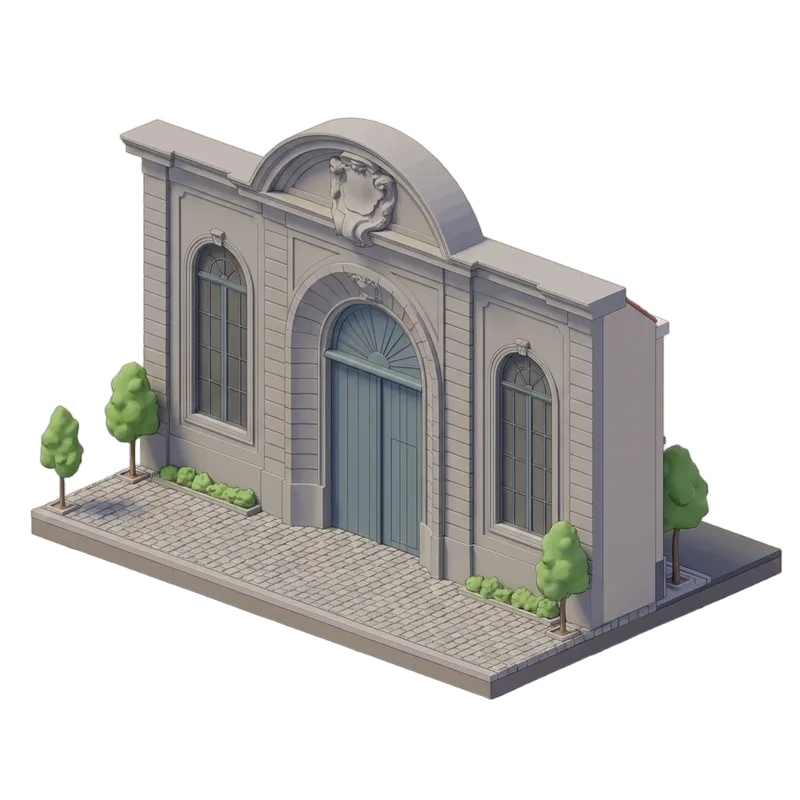
Groeningemuseum

Go first to the early Netherlandish galleries. Spend about 40 minutes with Van Eyck and the triptychs, 25 minutes comparing Gerard David’s approach to storytelling, and the rest on a later work of your choice. Look first from far enough back to see where your eye goes, then step closer to the reflective surfaces, painted inscriptions and tiny architectural details. This is a collection you can enjoy slowly even if you visit only a handful of works.

What to look for

Virgin and Child with Canon van der Paele
Look at the canon’s spectacles and the reflections on Saint George’s armour. The two details make devotion feel like a physical encounter in a room shared with the viewer.
Memling’s Moreel Triptych
Follow the family groups across the wings before looking back at the saints in the centre. The hinged format keeps the people who commissioned the painting visibly part of its devotional world.
Gerard David’s Judgment of Cambyses
Study the scene of judgment before turning to its graphic punishment panel. David places an ancient story in surroundings recognisable to the Bruges officials who were meant to learn from it.
The Last Judgment and its frame
Look beyond the painted edge. The surviving frame was made for the work and had been separated from it; together they show how an image and its physical surround once worked as a single object.

Walk · 3 min

Getting to Gruuthusemuseum

Walk 209 m through the museum quarter to the Gruuthuse courtyard. Allow about 3 min on foot between the two mapped locations, plus time at the entrance.

Stop 3 · 1 hr 10 min
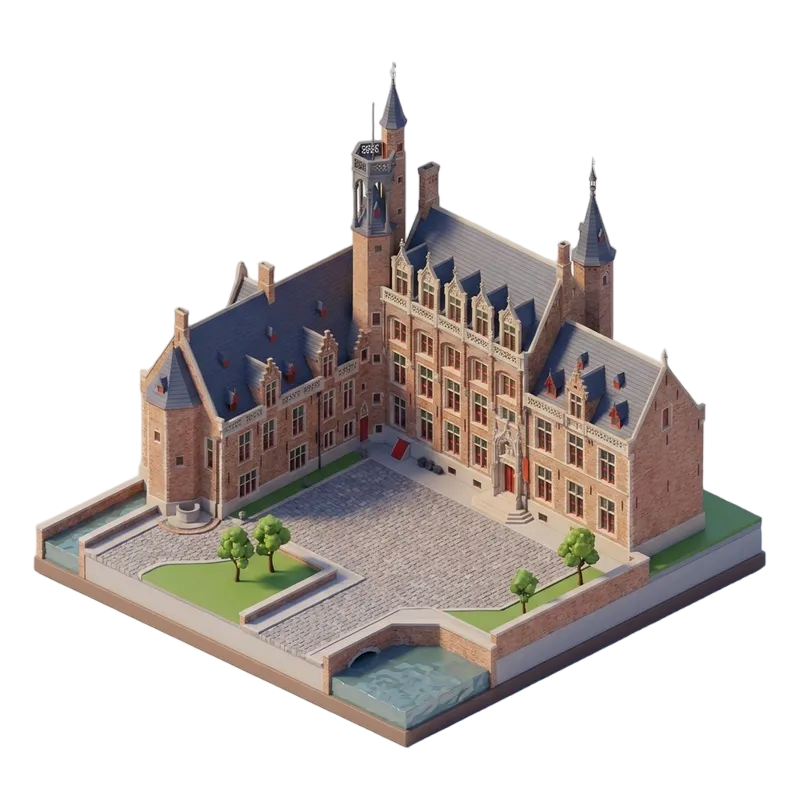
Gruuthusemuseum

Start with the city map and the early rooms that introduce Bruges as a place of trade. Follow the palace route to its private chapel before committing time to upper-floor decorative arts. Spend the last part of the visit with a tapestry and the ceramics or glass displays. An unfamiliar object here is more useful than a rushed lap of the whole museum if you ask how it was made, who bought it and where it would have been seen.

What to look for

The painted city map
Look for the towers and the commercial buildings before trying to locate the palace. The city is the real subject of the museum and this image gives you a first overview.
The Seven Wonders of Bruges
Here the tiny buildings and stations of the city reward close looking. Compare this crowded image with the more navigable map and consider what each artist chose to emphasise.
The private oratory
Look down into the church choir and picture the sightline from two different positions. The chapel connected a family’s domestic space with a public place of worship.
The liberal arts tapestries
Look at how a large woven surface organises figures, architecture and emblems. Try to spot the different treatment of faces and background details before deciding how close these objects were meant to be seen.

Walk · 2 min

Getting to O.L.V.-kerk Museum

Walk 106 m from the palace courtyard to the church museum entrance. Allow about 2 min on foot between the two mapped locations, plus time at the entrance.

Stop 4 · 40 min
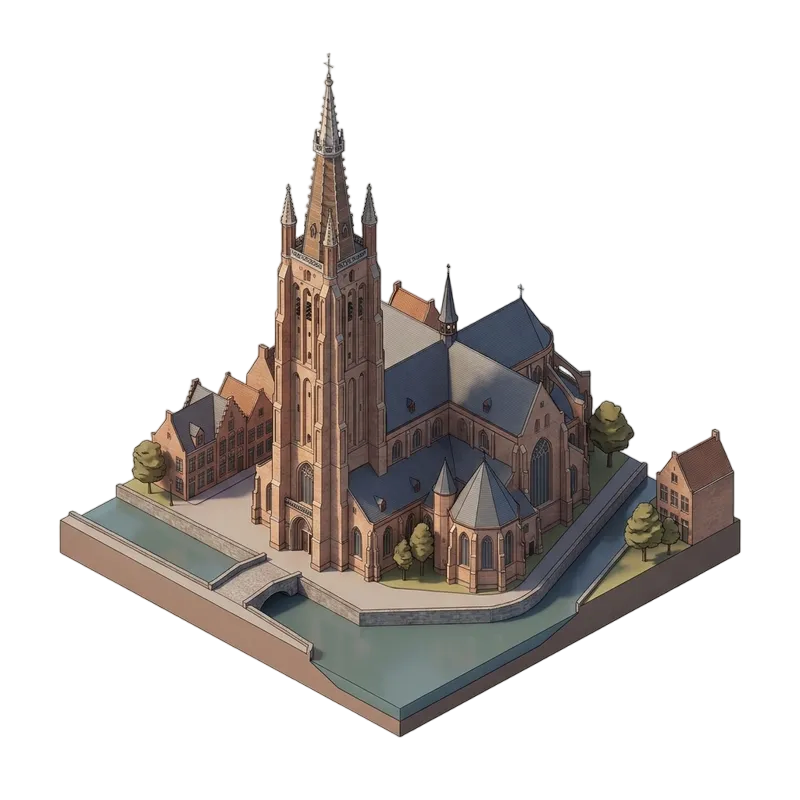
O.L.V.-kerk Museum

Use the museum entrance and go to the sculpture before taking in the tombs and the choir. Having just looked down into this church from the oratory, find the same line of sight from the floor. Keep the visit focused and leave about ten minutes for looking up, finding the connection and returning to the figure before you leave.

What to look for

Michelangelo’s Madonna and Child
Notice the child’s position and the greater stillness of the adult figure. The way the marble holds those two different movements is worth a longer look than its reputation alone might prompt.
Mary of Burgundy and Charles the Bold
Compare the two burial monuments as a pair, paying attention to the figures and heraldic detail. They bring the Burgundian history of the palace back into the church itself.
The choir and the palace sightline
Look up toward the side of the chancel connected to the palace. The visit gives you a second view of the space from which the Gruuthuse family could attend services privately.
Timing, booking and admission

Set your pace

Start the hospital at 09:30 on a day when it offers that entry, or 10:00 otherwise. Allow around 80 minutes there, 90 at Groeninge, 70 at Gruuthuse and 40 in the church. Lunch after Groeninge. Aim to reach the church by 15:45.

What to book ahead

Check the municipal calendar for all four venues, especially the planned Groeningemuseum renovation in 2027. Sunday church access starts later and services can shorten it. Skip dates when a required museum is closed.

Tickets and museum passes

Compare the 72-hour Musea Brugge Card with the Gruuthuse–Our Lady’s combination plus separate hospital and Groeninge admissions. The sculpture and tombs are part of the paid church museum visit.

Sources and route research

Discover Art Exhibitions and Museum Programming in Bruges
Explore rich Flemish heritage and creative temporary displays.
Immerse yourself in the cultural landscape of Bruges by exploring local museum exhibitions. Discover everything from historic artifacts to modern masterpieces in renowned galleries across the city. Find your next inspiring cultural experience and plan your visual itinerary.
Purple watercolor painting of a solitary armchair in a softly rendered interior space, evoking stillness and quiet observation.
Adornes Estate
From Feb 5, 2022

Simply Photography Exhibition by Willy Vynck at Adornes Estate

Striking black and white contemporary art in Bruges.

See Willy Vynck's photographic collection focusing on the understated elegance of everyday reality. Hosted at Adornes Estate, these black and white images reveal form, shadow, and silent human interactions.

Simply Exhibition
Purple watercolor illustration featuring a chapel tower with arched windows and a hanging spherical ornament.
Adornes Estate
From Jan 28, 2023

Explore the Backstage Photographic Exhibition at Adornes Estate, Bruges

Archival photography mapping 150 years of historic estate life.

Witness the physical and social transformations of this historic Bruges landmark. This exhibition showcases archival photographs of chapel restorations, family celebrations, and the daily activities of past residents.

Backstage Exhibition Details
A purple and pink watercolor painting of a greenhouse interior filled with plants and structural beams, featuring the word "MELANCHOLY" on a wall.
Adornes Estate
From May 14, 2022

Melancholy: Poetry of the Mind Exhibition at Adornes Estate

Contemporary art reflecting on creative genius and loss.

This exhibition, hosted at the Adornes Estate's historic Jerusalem Chapel, reconsiders the multifaceted nature of melancholy. Viewers can contemplate various paintings and contemporary works that challenge modern taboos surrounding sorrow, introspection, and creative drive.

Melancholy Exhibition
Bruges

Explore the Cultural Heritage with Museums in Bruges

Discover local Flemish art and medieval history collections.

Browse the historic cultural institutions of Bruges at your own pace. Gain insights into religious art, medieval history, and traditional craftsmanship that define this UNESCO World Heritage city.