Reconstructing the Journeys of Bruges’ 19th-Century Artists: The Legacy of the Apprentice-Master II Project
A fascinating two-year chapter in the study of Bruges’ art history has drawn to a close. Between June 2024 and May 2026, Musea Brugge spearheaded the Apprentice-Master II initiative—an intensive research program investigating the international trajectories of 19th-century artists who trained at the Bruges Academy. After completing their local schooling, many of these creative minds journeyed across borders to refine their techniques, with a significant number settling in Rome, then a major focal point of the global art scene.
Tracking the Footsteps of Art Academicians from Bruges to Rome
Led by researcher Thijs Dekeukeleire and educational coordinator Marie Vandeghinste, the project traced these artists' historical footsteps from Flanders to the Italian capital. Over its two-year run, the initiative succeeded in translating academic discoveries into public knowledge through several key milestones:
- An international academic conference hosted at the Academia Belgica in Rome.
- A specialized drawing course featuring hands-on masterclasses.
- A collaborative crowdsourcing campaign organized alongside the Bruges City Archive.
- The digital publication of hundreds of historic academic sketches, which are now fully viewable on the organization's public collection platform.
The project was realized with crucial backing from the Flemish government alongside a network of national and international institutions, including the RKD (Netherlands Institute for Art History), the Institut National d’Histoire de l’Art (INHA), Ghent University, the University of Antwerp, and the Royal Library of Belgium.
Connecting Art History to Your Visit at Brugse Vrije
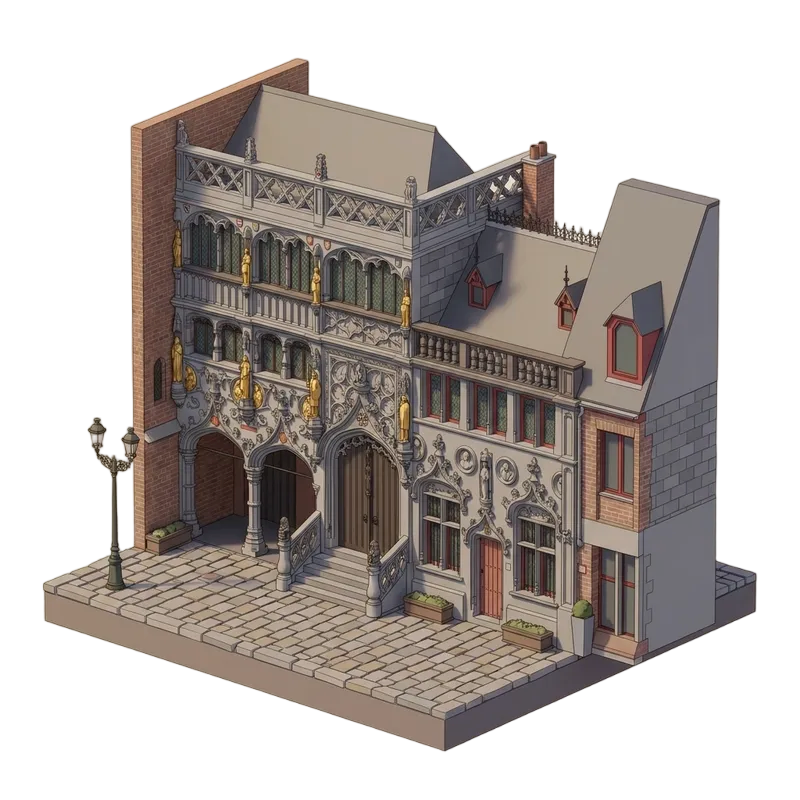
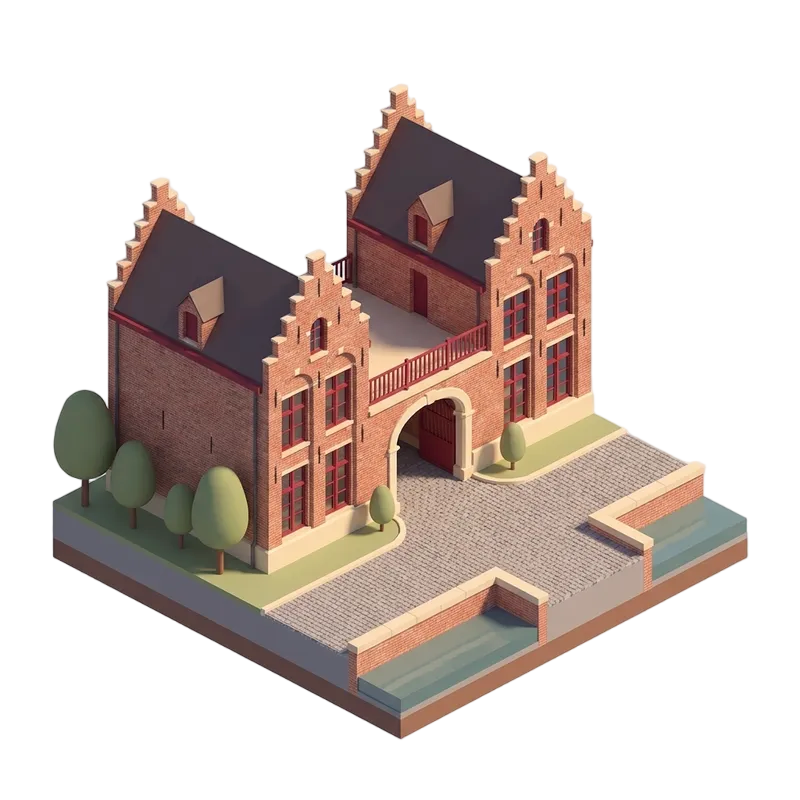
For those inspired by this deep dive into local artistic heritage, visiting the physical historic sites of Bruges brings these stories to life. The Brugse Vrije stands as a prime example of the city’s complex past. Once the administrative and judicial nerve center of the region, the building today preserves its stunning aldermen's chamber, home to a monumental 16th-century carved fireplace created to honor Emperor Charles V.
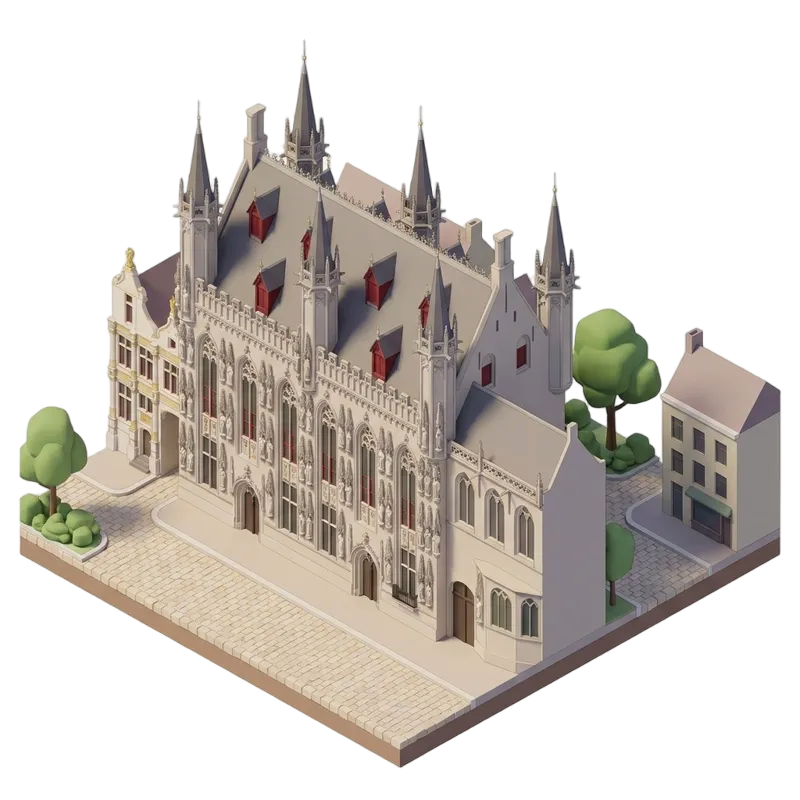
If you are planning to experience this masterpiece in person, there is a helpful ticketing tip to keep in mind. Visitors booking admission to the nearby Stadhuis (City Hall) receive free entry to the Brugse Vrije as part of their ticket. There is no need to purchase separate admission passes for both locations, allowing you to easily experience both of these historic landmarks in a single itinerary.
To start mapping out your journey through Flanders' historic capital, discover more historic gems on Musemap (musemap.art) by browsing our comprehensive list of local museums or using the interactive map to plan your walking route.