How a Landmark Art Discovery at Musea Brugge Connects the Historic Brugse Vrije to a French Masterpiece
A major breakthrough in art history has solved a long-standing mystery, revealing how closely the historic art scene in Bruges was intertwined with the rest of Europe. Researchers at Musea Brugge have successfully identified the subject of an anonymous 1813 portrait by the legendary French neoclassical master Jean-Auguste-Dominique Ingres.
The man in the drawing is Joseph Ducq (1762–1829), a highly talented draftsman and painter from Bruges. This discovery highlights the international reach of local artists during the 19th century.
Discovering the Global Reach of Bruges Artists During Your Museum Visit
For decades, the identity of the gentleman in Ingres’ portrait remained unknown. In 1980, scholars incorrectly guessed that the drawing depicted a local politician. The truth was finally uncovered by researcher Dr. Thijs Dekeukeleire during his work on the Apprentice-Master II initiative, a research project mapping the international travels and careers of Bruges-trained creators.
By comparing Ingres' original pencil portrait with a lithographic print of Ducq held in the Musea Brugge collection—created by Ducq’s own student, Adriaan Wulffaert—the researcher recognized an unmistakable resemblance.
Ducq was a student at the Bruges Academy before traveling to Paris and Rome to perfect his craft. In Rome, he became part of a lively network of French and Flemish creators, befriending Ingres. The portrait was likely created as a personal farewell gift just before Ducq returned home to serve as the director of the Bruges Academy. Because Ingres rarely drew portraits of artists from this region, the piece represents an incredibly rare connection in his historical portfolio.
What This Means for Cultural Visitors in Bruges
While the original drawing is currently held in a private collection in Toronto, Canada, this discovery enriches the story of the city's artistic heritage. Visitors exploring local heritage sites can look at the city's historic institutions with a fresh perspective, knowing that local neoclassical figures were respected peers of Europe’s most celebrated masters.
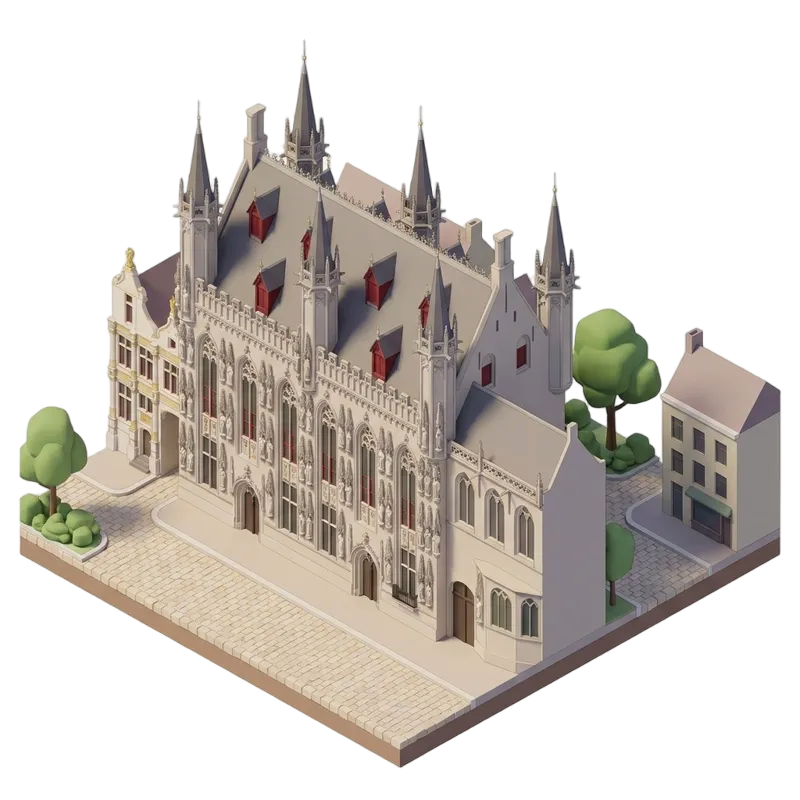
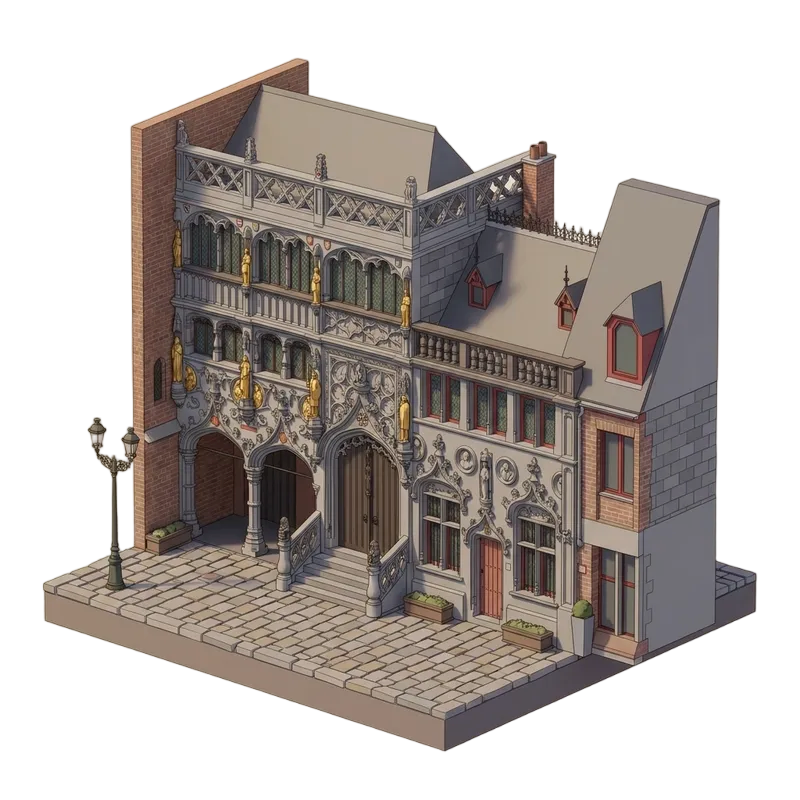
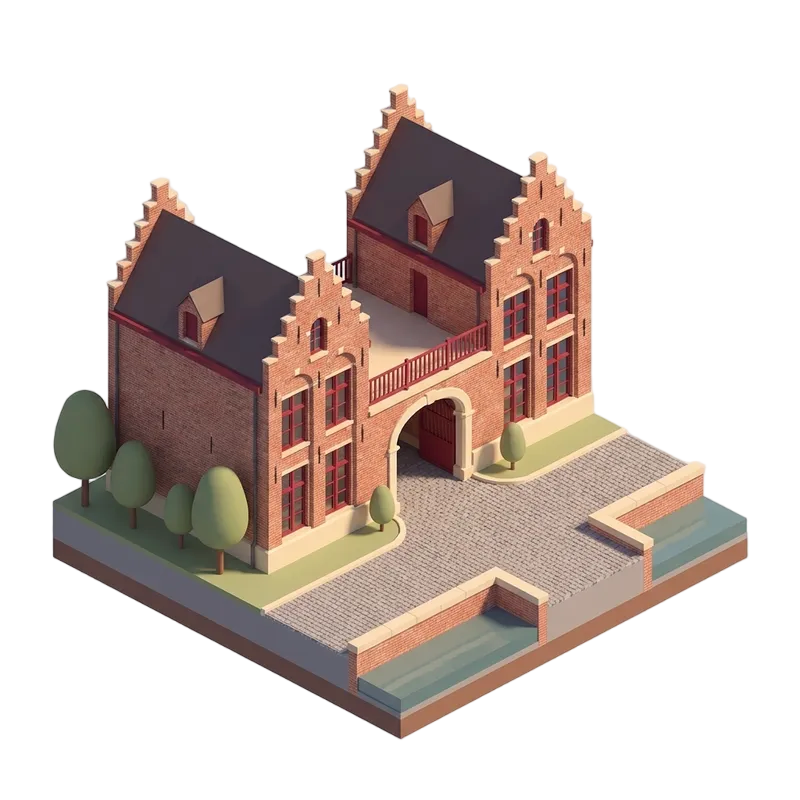
If you are planning to explore the civic history of the city, the Brugse Vrije offers an incredible window into this era. As the former administrative and judicial heart of the region, it houses the spectacular aldermen's chamber and a world-famous 16th-century carved fireplace. This recent art discovery underscores how the local administration and its cultural institutions have always been connected to a much wider European narrative.
Ongoing historical investigations like this one will find a new home at the upcoming research centre BRON, situated within the city's Museum Quarter.
When planning your cultural itinerary, let Musemap (musemap.art) help you navigate the rich heritage of the city. You can easily browse museums in Bruges or use our interactive Bruges cultural map to find the best historic spots nearby.