

Coimbra
Museum itinerary · Coimbra

Bissaya Barreto’s House and the Sister Lúcia Memorial in Coimbra

Two twentieth-century lives near the Botanical Garden, told through the objects they kept.

See the tiled garden, porcelain and furnished rooms of Bissaya Barreto’s home. A short walk away, the Sister Lúcia Memorial follows the Carmelite’s life from Fátima to Coimbra through photographs, handmade objects and her cell.

Museum stops
2
Visits and transfers
2 hr 17 min
Suggested days
Tue, Wed, Thu, Fri, & Sat
Why these museums go together

The furnished house of a physician and collector and the personal belongings of a Carmelite nun make a revealing pair. Their very different rooms bring two twentieth-century lives into focus beyond the university’s monumental buildings.

Begin with a physician’s house arranged around collected art and objects of use, then see the priorities of a Carmelite life as presented at a memorial. The comparison works on a small scale: notice what each place preserves from a real routine. You can see fine ceramics and garden decoration at the first, and items connected to a cell, private work and public devotion at the second.

HistoryLocal heritageDesign
Route map
© OpenStreetMap contributors

The itinerary, stop by stop

Stop 1 · 1 hr 5 min
Bissaya Barreto House-Museum

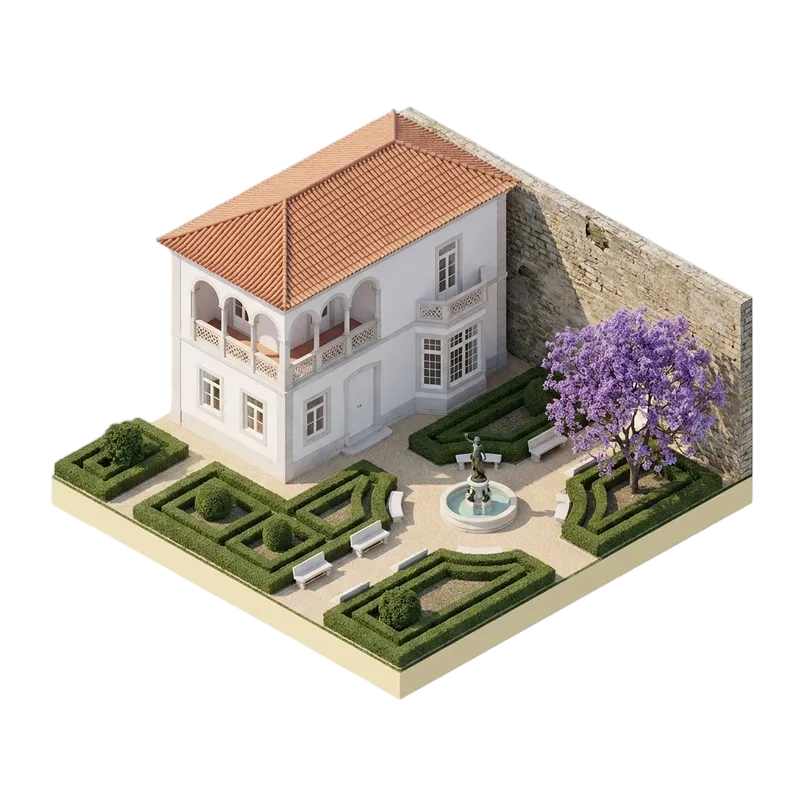
Start in the garden or entrance area so you can see the surrounding tiles and how the bifurcated stair relates to the house. Then take the interior as a lived-in arrangement, choosing one furnished room before going to Chinese porcelain or faience. If the garden is closed or the weather is poor, make the two ceramic displays your focus. Compare how the house shows objects as groups with how a gallery would isolate them.

What to look for

Baroque garden tiles
Look at how the shaped Lisbon-made panels sit against the surrounding wall. Move a little closer to distinguish the edges of the design from the edges of the individual tiles.
The bifurcated stair
Look from below before following either side. Notice how the stonework and symmetry announce the principal floor while leading different lines of approach to one entrance.
The China porcelain gallery
Compare the colours and painted surfaces of two pieces in the gallery. The collection includes East India Company porcelain; read the label for what each object shows about production and trade.
Portuguese faience
Move from the Chinese porcelain to the adjacent faience if open. Compare one everyday vessel with the more polished or finely decorated ceramic from the other gallery. Ask what each would have announced about the household using it.
The sitting room and dining room
Through the wrought-iron doorway, look for the painted ceiling and the portrait of Bissaya Barreto by José Malhoa if they are viewable. Next door, compare the dining room’s coffered timber ceiling, tiled friezes and English Empire-style furniture.

Walk · 7 min

Getting to Memorial of Sister Lúcia

Walk via Largo de Santana → Rua de Santa Teresa. Budget 7 min for roughly 360 m.

Stop 2 · 1 hr 5 min
Memorial of Sister Lúcia

Begin with the photographs to place Lúcia’s life before moving to the cell and work made by hand. Use the last part of the stop with objects related to Fátima and papal gifts if you want the wider public story. The memorial adjoins an active religious community, so allow a quieter pace and ask before taking photographs or entering any unmarked space.

What to look for

The Carmelite cell
Look for the contrast between the room’s functional arrangement and the furnished house earlier. Ask which objects were useful every day and which survive because of the person who used them.
Handmade work
Choose an item she made and study the materials and finish before reading the label. It offers a tangible detail of routine in a display otherwise framed by a well-known public biography.
The photographic timeline
Identify a moment from Fátima and a later moment in Coimbra. Use the photographs to place the change in surroundings rather than trying to absorb the entire timeline at once.
Fátima objects and papal gifts
Compare a personal item associated with the earlier period with a gift from a pope, where displayed. Their different scale and use make clear how a private life became the subject of public devotion.
Timing, booking and admission

Set your pace

Start at the Bissaya Barreto house at 15:00 for roughly 65 minutes. Aim for Sister Lúcia’s Memorial around 16:15 and allow up to 65 minutes. It advertises a 17:30 afternoon close, so the timing leaves a small margin. If you arrive late, cut the garden and visit the memorial first only if both venues confirm they can still admit you; otherwise prioritise one house. Check Saturday hours, since the Bissaya Barreto house’s daytime opening starts in the afternoon.

What to book ahead

Distinguish the house’s hours from those of its temporary gallery. The memorial has split hours Tuesday to Saturday and advertises Monday morning for pre-booked groups only. Use the operator’s contact details to confirm special arrangements, especially for a group or for visitors who need to avoid steps. Keep the visit quiet beside the Carmel.

Tickets and museum passes

These are two separately managed venues. Check current house and memorial rates individually, including any age or student reduction. Treat a guided visit or special exhibition as a separate option unless the operator explicitly includes it.

Sources and route research

Explore Museum Exhibitions in Coimbra and Cultural Discovery Programs
A guide to artistic and historical displays across the city.
Engage with the cultural programs presented by institutions throughout Coimbra. Find inspiration in curated art exhibitions and historical collections that define the city identity through academic and scientific heritage.
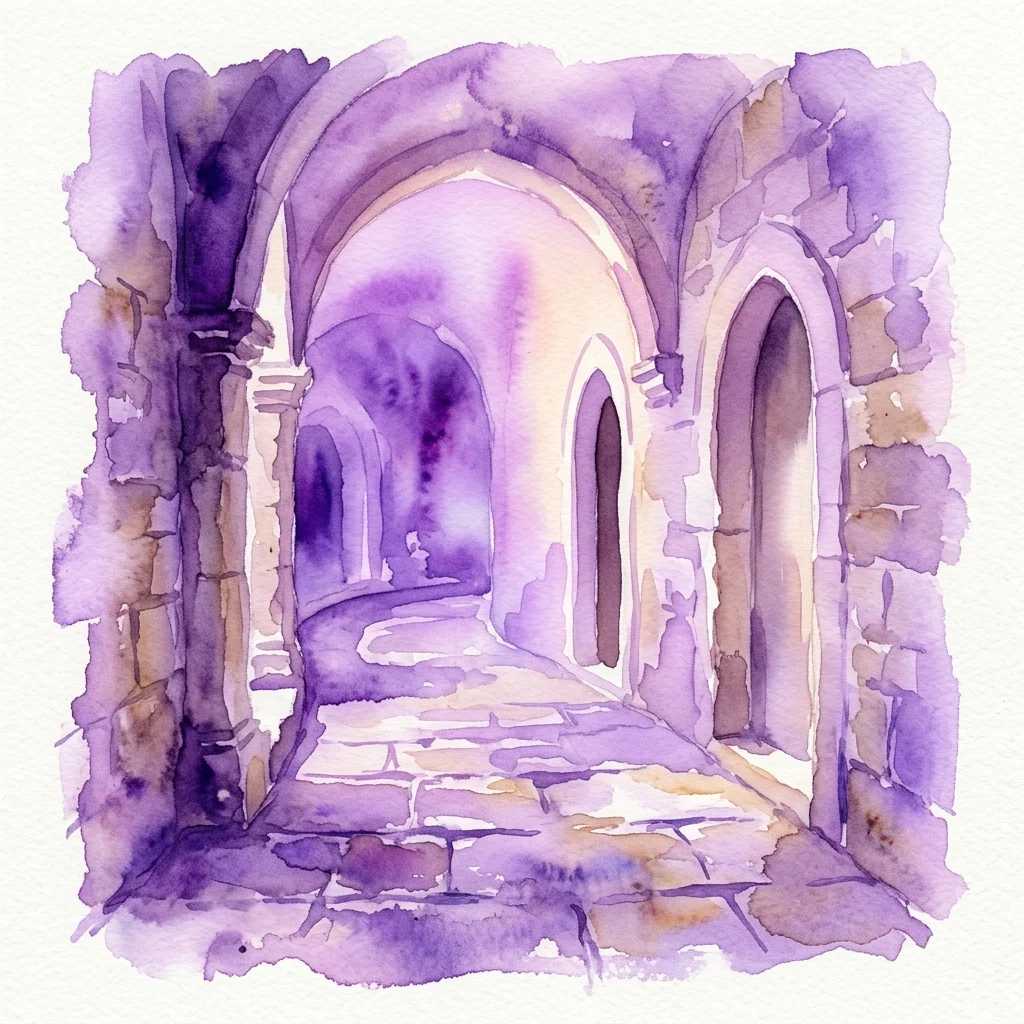
Watercolor illustration of a medieval stone corridor with arched doorways and a stone-paved floor, rendered in purple, violet, and warm tan tones.
Jews of Coimbra Exhibition and Medieval Mikveh
Permanent exhibition

Jews of Coimbra: From Tolerance to Persecution Exhibition Overview

Jewish history and cultural heritage in medieval Coimbra.

Explore the Jewish experience in Coimbra through archival research and material artifacts. The exhibition charts the evolution of local community life and the impact of historical religious shifts.

Jews of Coimbra
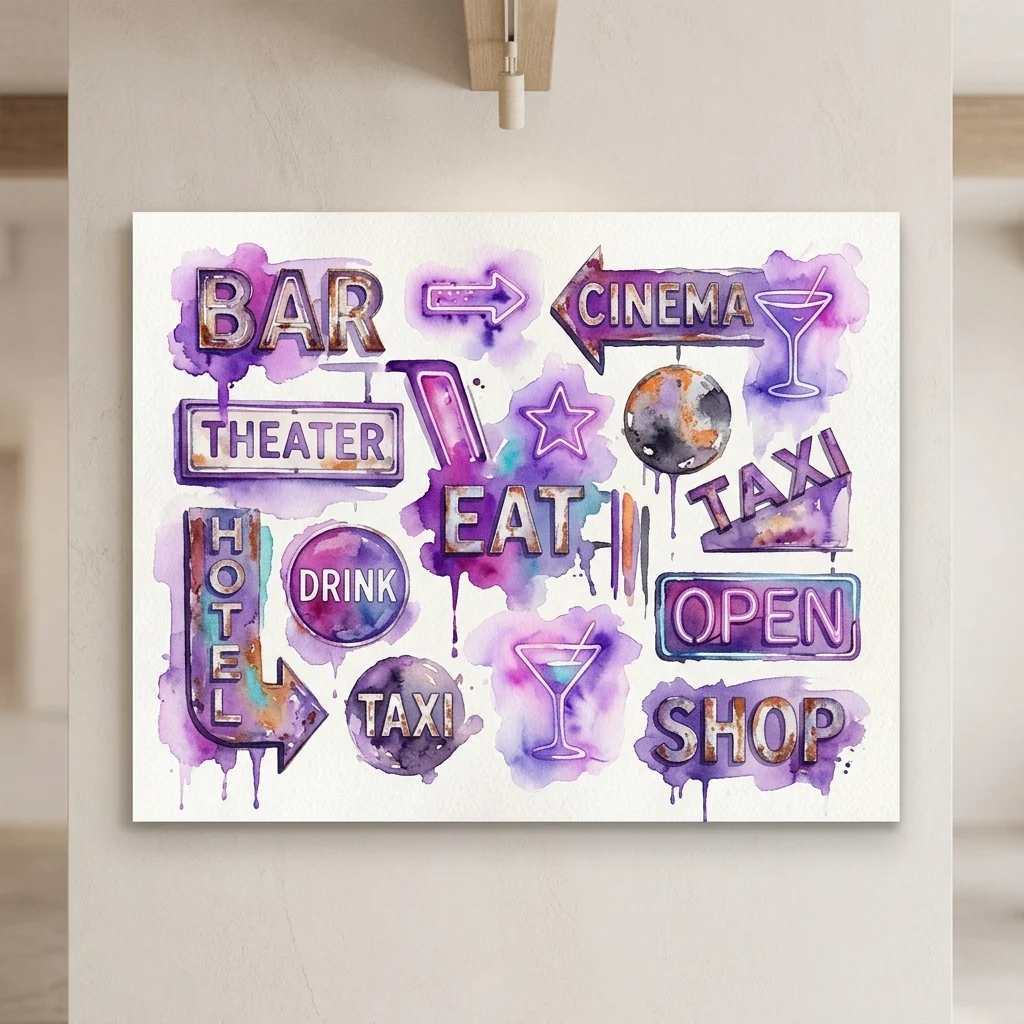
Watercolor painting displayed on a gallery wall featuring stylized vintage storefront signs including Bar, Cinema, Theater, Hotel, Taxi, and Shop, rendered in purple and pink washes.
Salão Brazil
From Jul 3, 2026

Types of Coimbra: Rescued Urban Signage Exhibition

Exploring the graphic and technological heritage of Coimbra.

This exhibition documents Coimbra's commercial history through a collection of restored shop signs. It highlights diverse graphic styles while serving as a cultural project to archive the city's fading visual identity.

Types of Coimbra
Watercolor illustration in purple and violet tones with organic branch-like lines, three circular portrait silhouettes, and the Portuguese text 'dar a ouvir' and 'INSTALAÇÃO'.
Convento São Francisco
From Aug 30, 2026

Video Art Installation: Until the End of the World by Fernando Mota

A multidisciplinary exploration of geological time and human history.

Discover this research project at Convento São Francisco that uses natural materials and musical performance to examine our role in Earth's narrative. The installation integrates scientific inquiry into a compelling contemporary art experience.

Until the End of the World
Coimbra

Explore Museums in Coimbra and Discover Historic Cultural Heritage Sites

A curated overview of academic and artistic collections across the city.

Browse through the heritage of Coimbra by visiting specialized institutions dedicated to science, religion, and regional history. Musemap provides an overview of available cultural spaces, allowing for informed exploration of the unique stories preserved within these architectural treasures.