Full admission with guided tour€5.00

A university medical collection devoted to disease, pathological anatomy and evidence of health in past populations. Preparations, models and paleopathological material connect medical education with research on past health.
A university medical collection devoted to disease, pathological anatomy and evidence of health in past populations.

The Museum of Pathological Anatomy and Paleopathology in Pisa is a university medical collection dedicated to the study of disease and health in past populations. Its galleries showcase preparations, models, and significant paleopathological material that bridge the gap between medical education and research. Visitors can explore a distinct cultural perspective on medical history, grounding their understanding of the city within its specialized scientific heritage.
The Museum of Pathological Anatomy and Paleopathology is located on Via Roma in the historic Santa Maria neighborhood of Pisa. This position within the university district places the collection in close proximity to various academic sites and monuments, making it a natural addition to an in-depth exploration of the city's rich history and architectural heritage.
Via Roma 57
56126 Pisa
Santa Maria, Tuscany, IT
Visitors to the Museum of Pathological Anatomy and Paleopathology should allow 45 to 60 minutes to explore the collection in Pisa. As this venue requires timed entry for specific exhibitions, booking in advance is essential to ensure your arrival goes smoothly. Please confirm current opening hours and reservation requirements before traveling to the site.

The Museum of Pathological Anatomy and Paleopathology in the Santa Maria neighborhood of Pisa offers a unique academic look into the history of medicine. Visitors can explore a specialized university collection that centers on disease, pathological anatomy, and the analysis of past health populations. Through a series of detailed preparations and models, the exhibition connects medical education with rigorous historical research. This venue provides a distinct cultural focus, detailing the evolution of scientific study within its original architectural context. The visit encourages a closer inspection of historical material, allowing guests to bridge the gap between early medical practice and modern research methods.
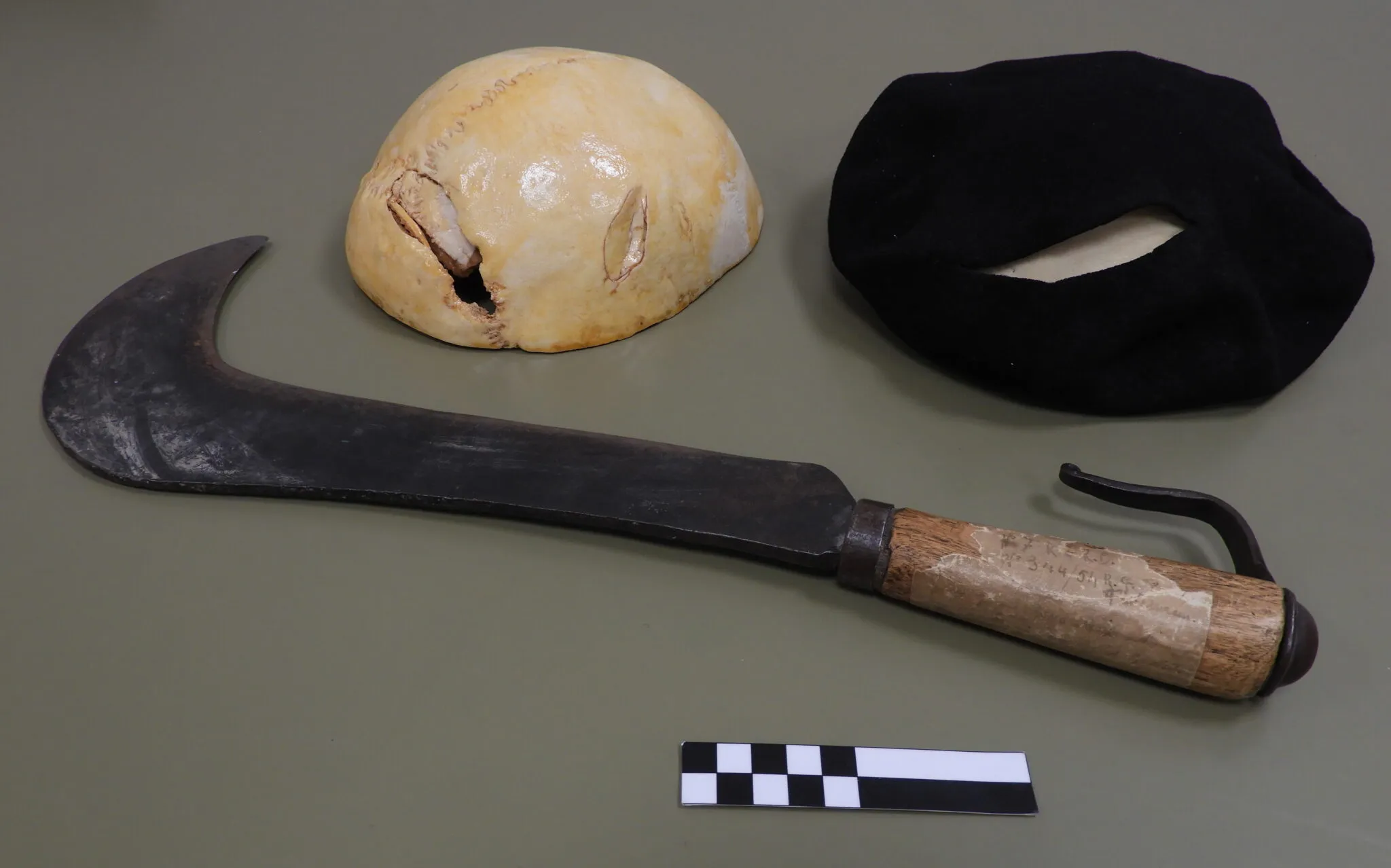
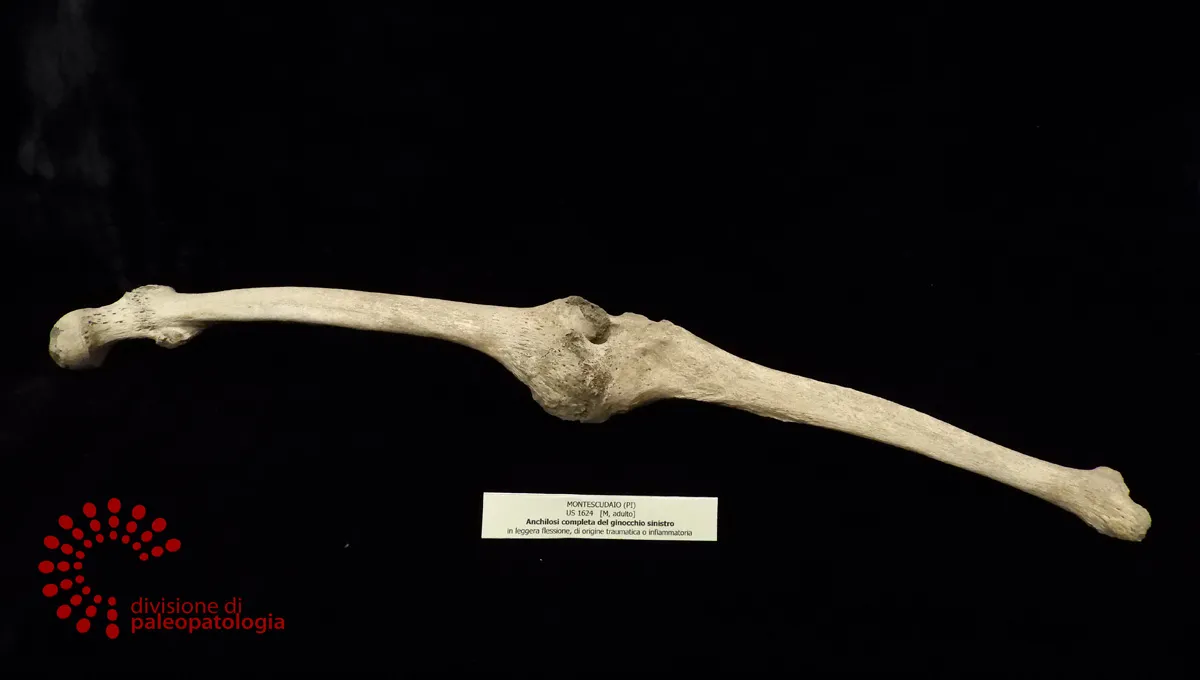
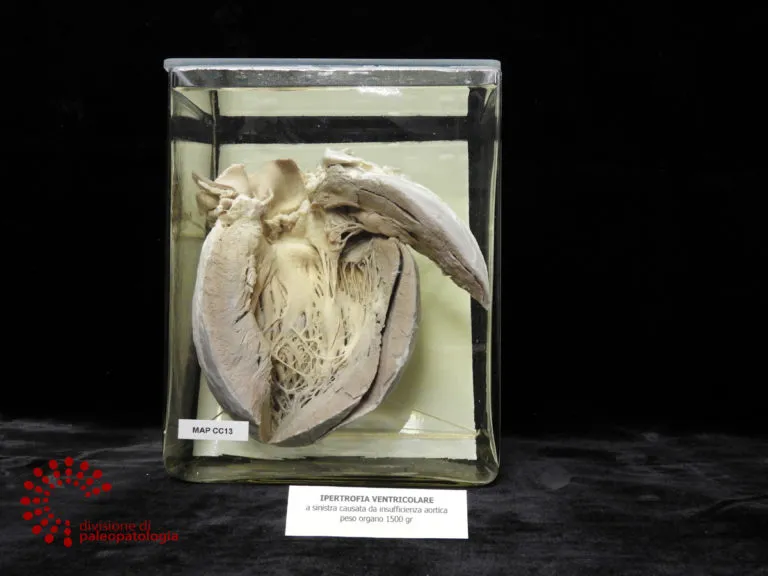
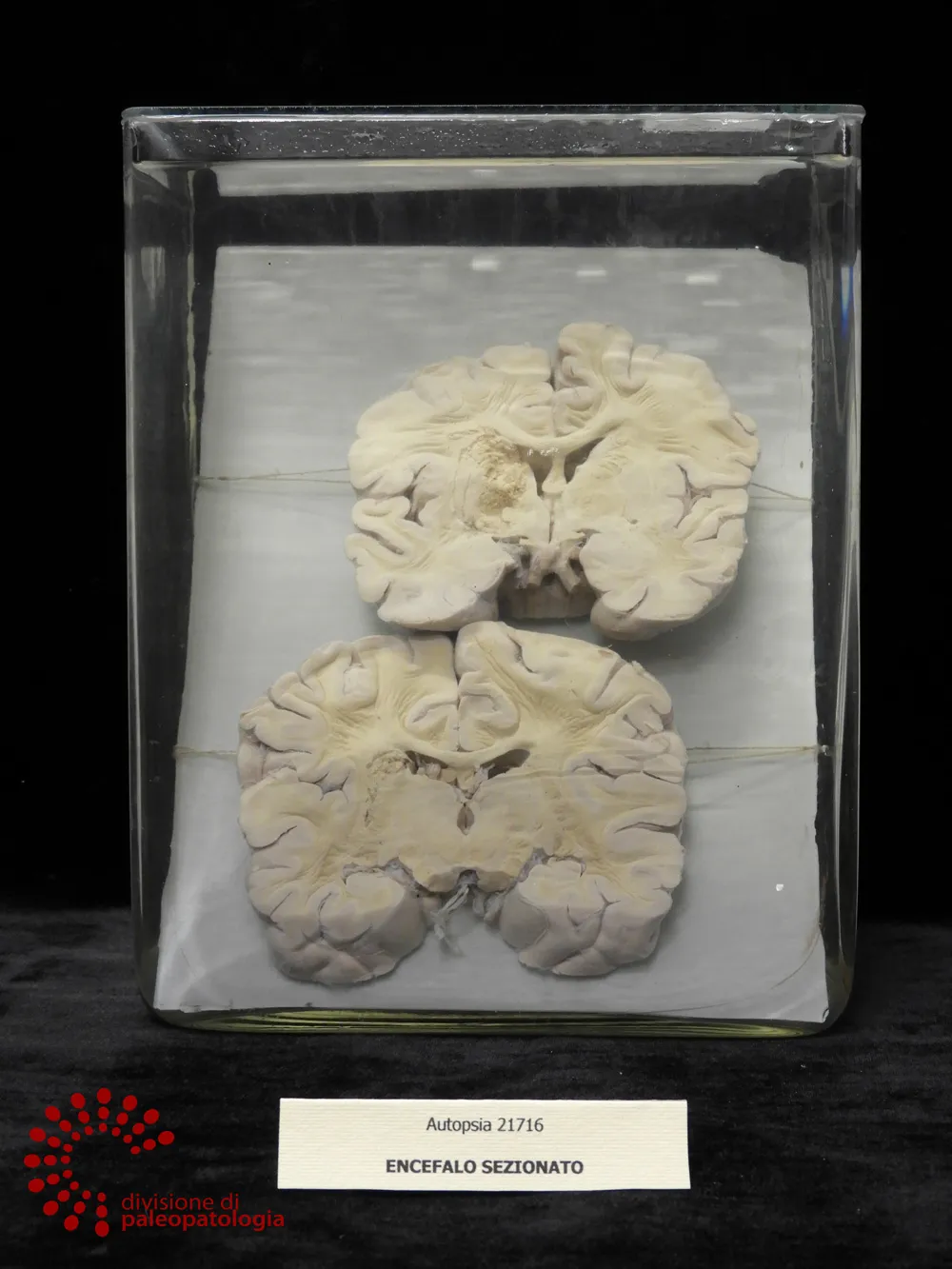
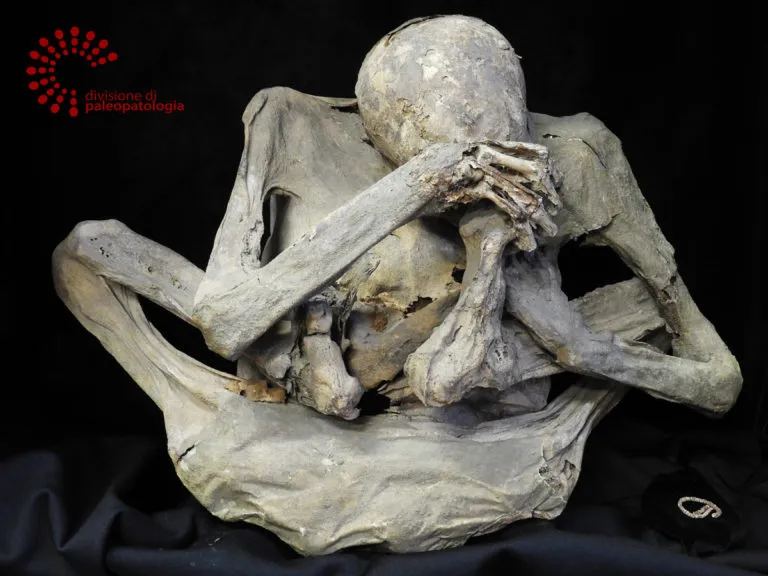
The Museum of Pathological Anatomy and Paleopathology dates its formal foundation to 1884. It emerged from nineteenth-century teaching specimens preserved in glass jars, with some materials even pre-dating that era. These collections later expanded to include sections on forensic medicine. Today, the institution serves as a **vital research archive**, using human remains from the Etruscan period to the Middle Ages to document the history of disease and medical diagnosis in Pisa.
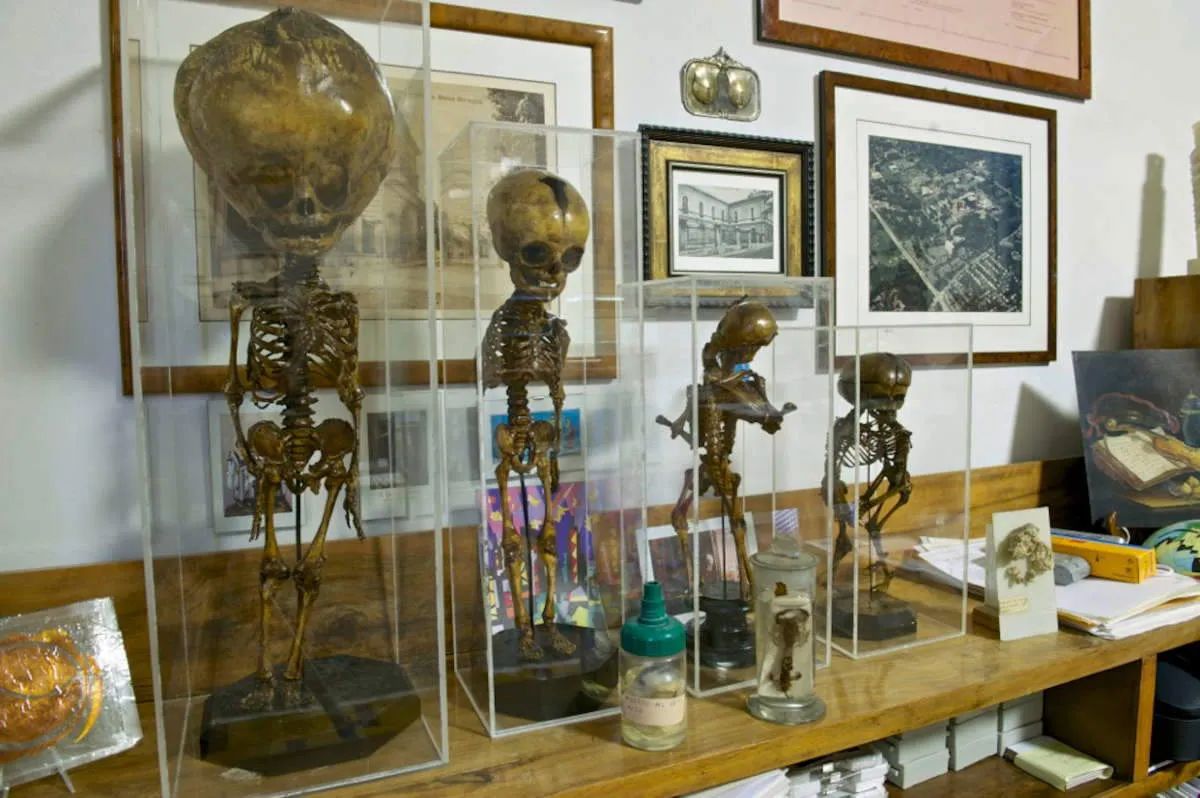
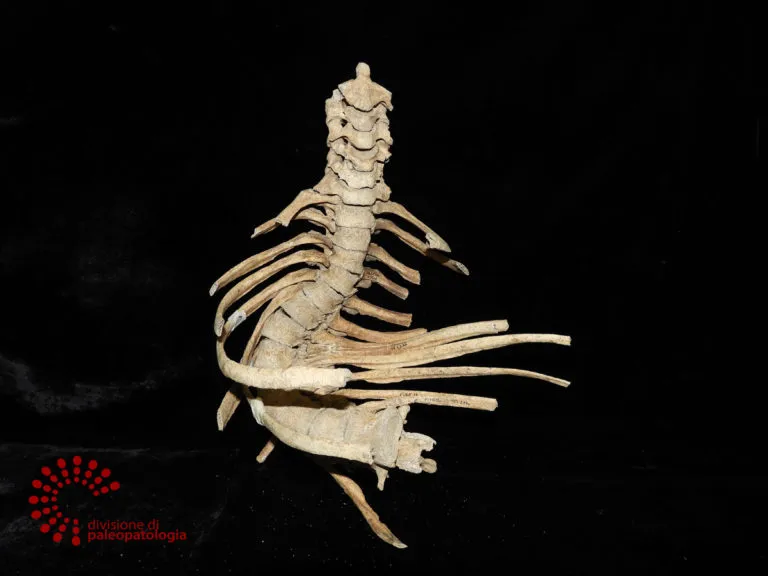
Explore the unique atmosphere and collections of the Museum of Pathological Anatomy and Paleopathology in Pisa. These images highlight the historic architecture and the specialized medical preparations that define this academic venue. Visitors can gain a preview of the diverse anatomical displays and the curated exhibitions that explore the intersection of medical history and past populations.
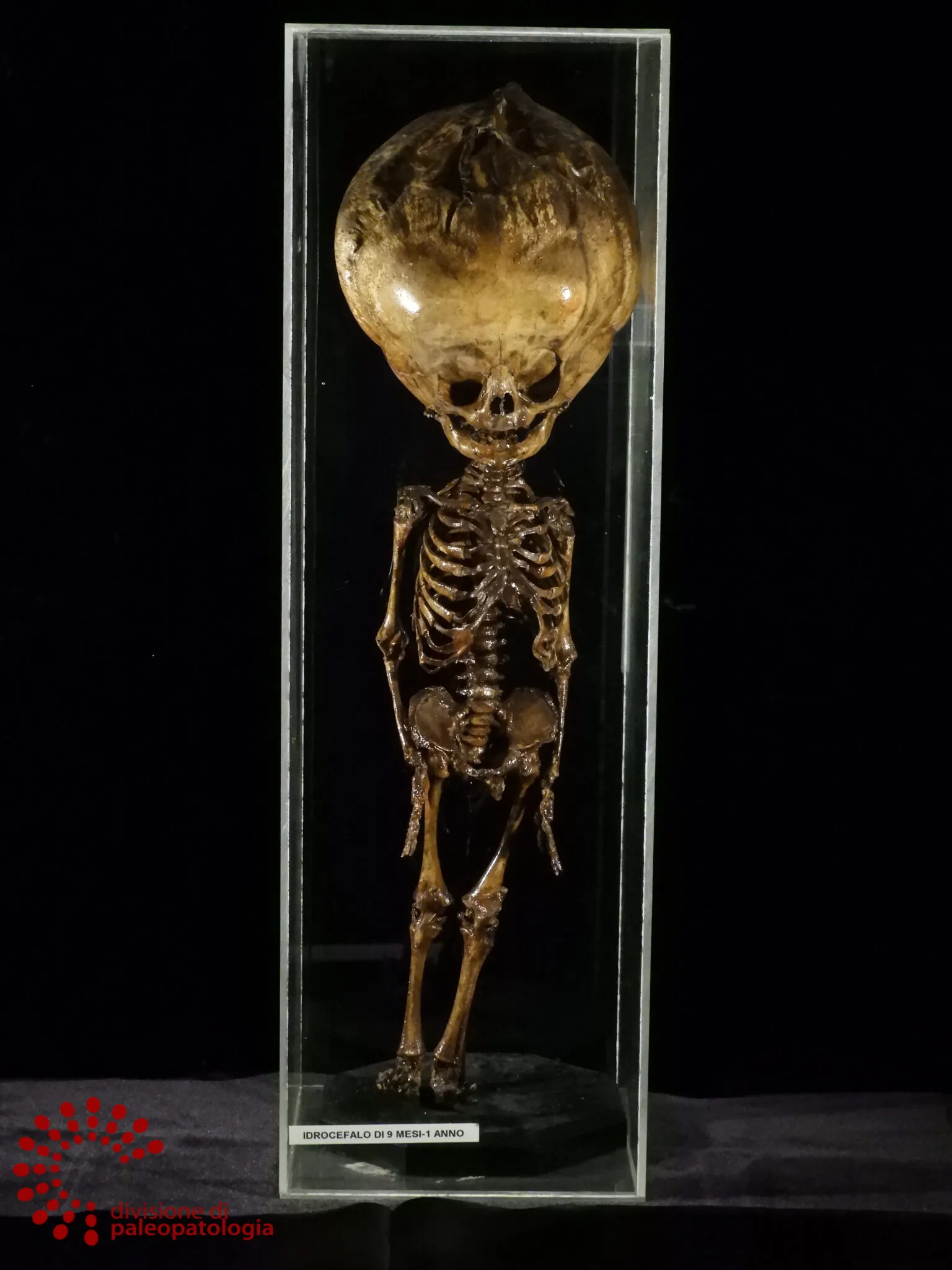
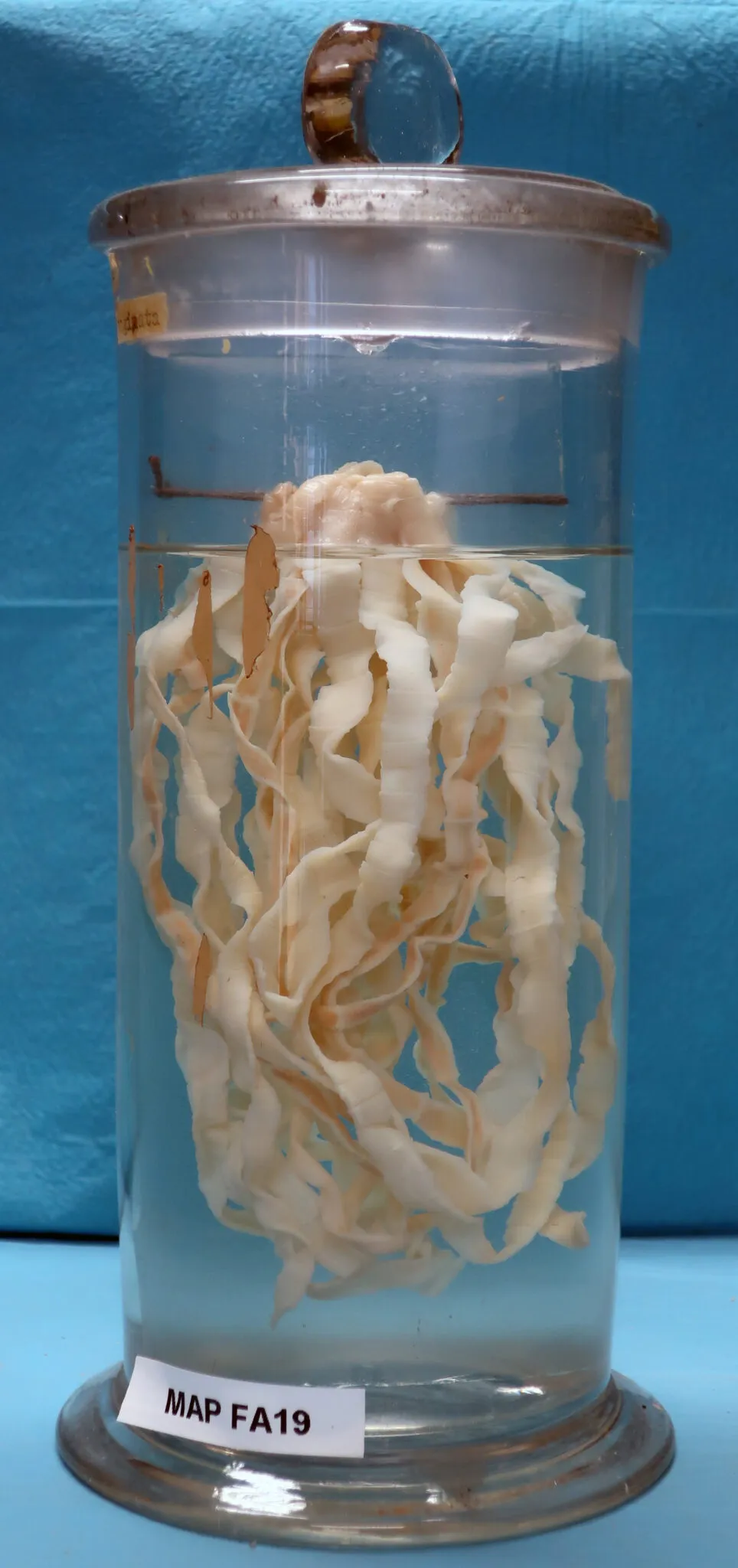

Discover local heritage sites and unique artistic archives within the city.
Identify the most compelling cultural points of interest, from monumental sculpture collections to academic science archives. Pinpoint the destinations that align with your personal interests in architecture, history, and the arts.