Garden and Botanical Museum combined€6.00

A historic university botanical garden and museum with living collections, glasshouses, herbaria and objects from botanical study. Paths, beds and glasshouses present plant diversity while the museum documents collecting and classification.
A historic university botanical garden and museum with living collections, glasshouses, herbaria and objects from botanical study.
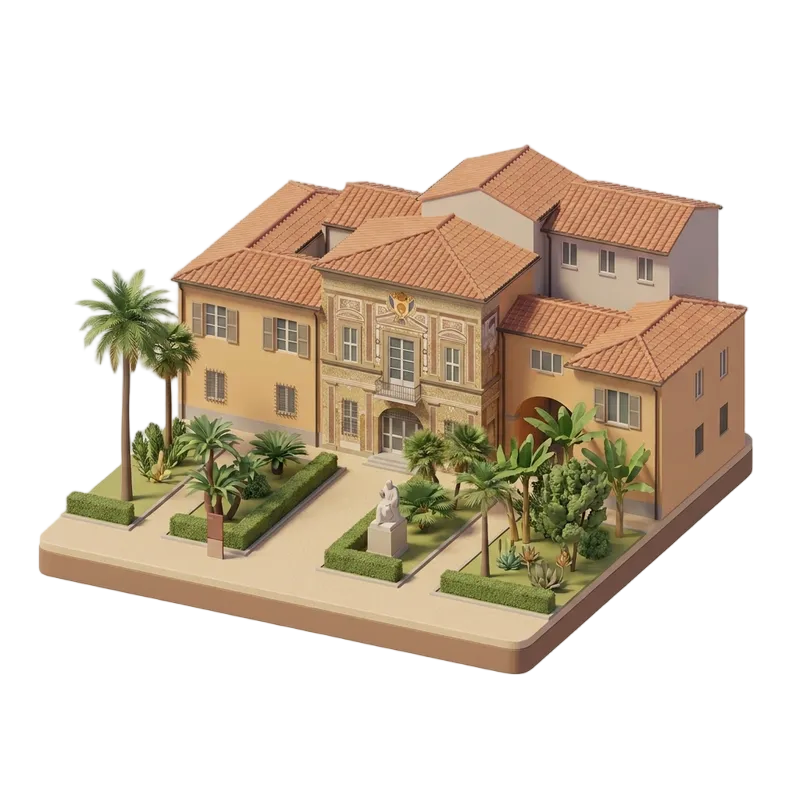
The Botanical Garden and Museum of Pisa offers a unique academic perspective on plant diversity through its historic living collections and scientific archives. Visitors explore diverse paths, traditional glasshouses, and specialized displays that highlight the history of botany in Italy. This university institution documents centuries of classification and study, providing an essential link between nature and scientific heritage in Pisa.
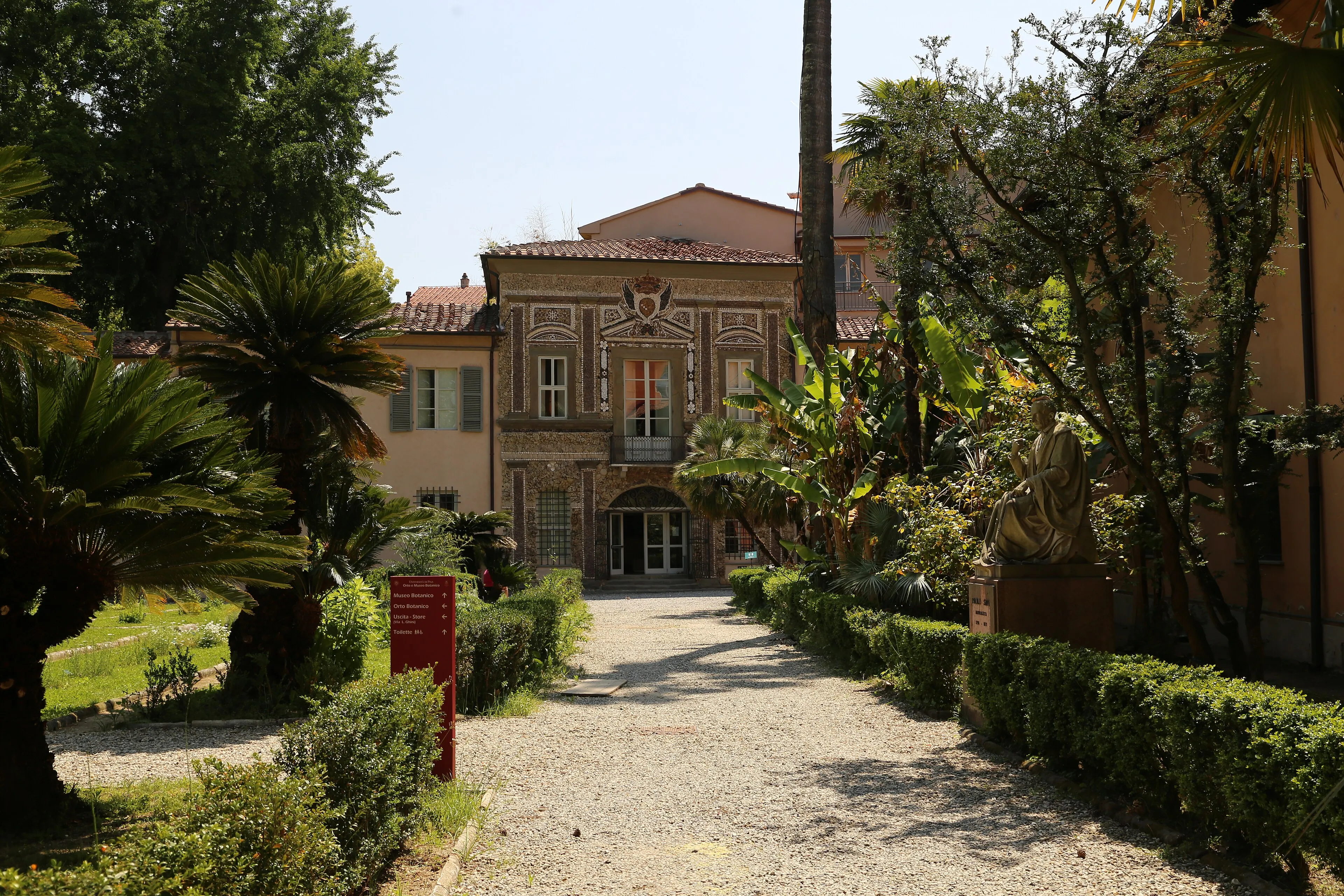
The Botanical Garden and Museum of Pisa is situated in the Santa Maria neighborhood of Pisa, nestled near key university collections and historic riverside sites. This central position allows visitors to easily incorporate the garden's diverse living collections and botanical history into a broader exploration of the city's academic and cultural heritage.
Via Luca Ghini 13
56126 Pisa
Santa Maria, Tuscany, IT
Visitors should allow approximately 60 to 90 minutes to fully explore the trails and outdoor heritage areas at the Botanical Garden and Museum of Pisa. Given the variable opening hours and the current closure of the museum building, it is recommended to check the status of the gardens before arriving. Advanced reservations are suggested to help ensure a smooth entry into this historic site.

The Botanical Garden and Museum of Pisa offers a unique journey through living plant collections and the history of scientific inquiry. Visitors explore winding paths, diverse flower beds, and historic glasshouses that showcase an impressive range of botanical diversity. Beyond the greenery, the museum documents the evolution of plant classification through significant historical objects and herbaria. This venue in Pisa provides a distinct cultural perspective, bridging the gap between natural science and local history. It is an ideal space for those seeking to understand the relationship between architectural heritage and the natural world.
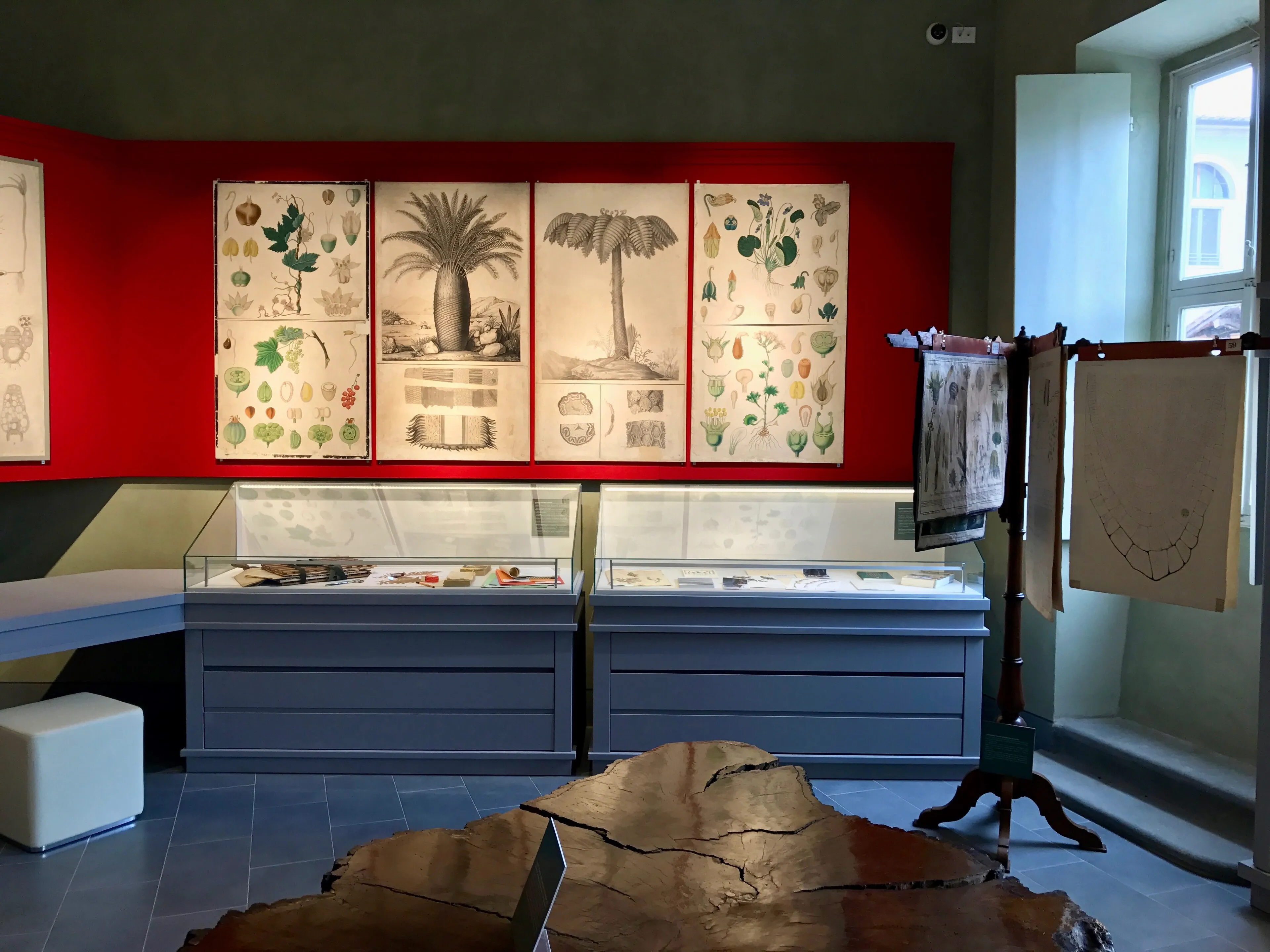
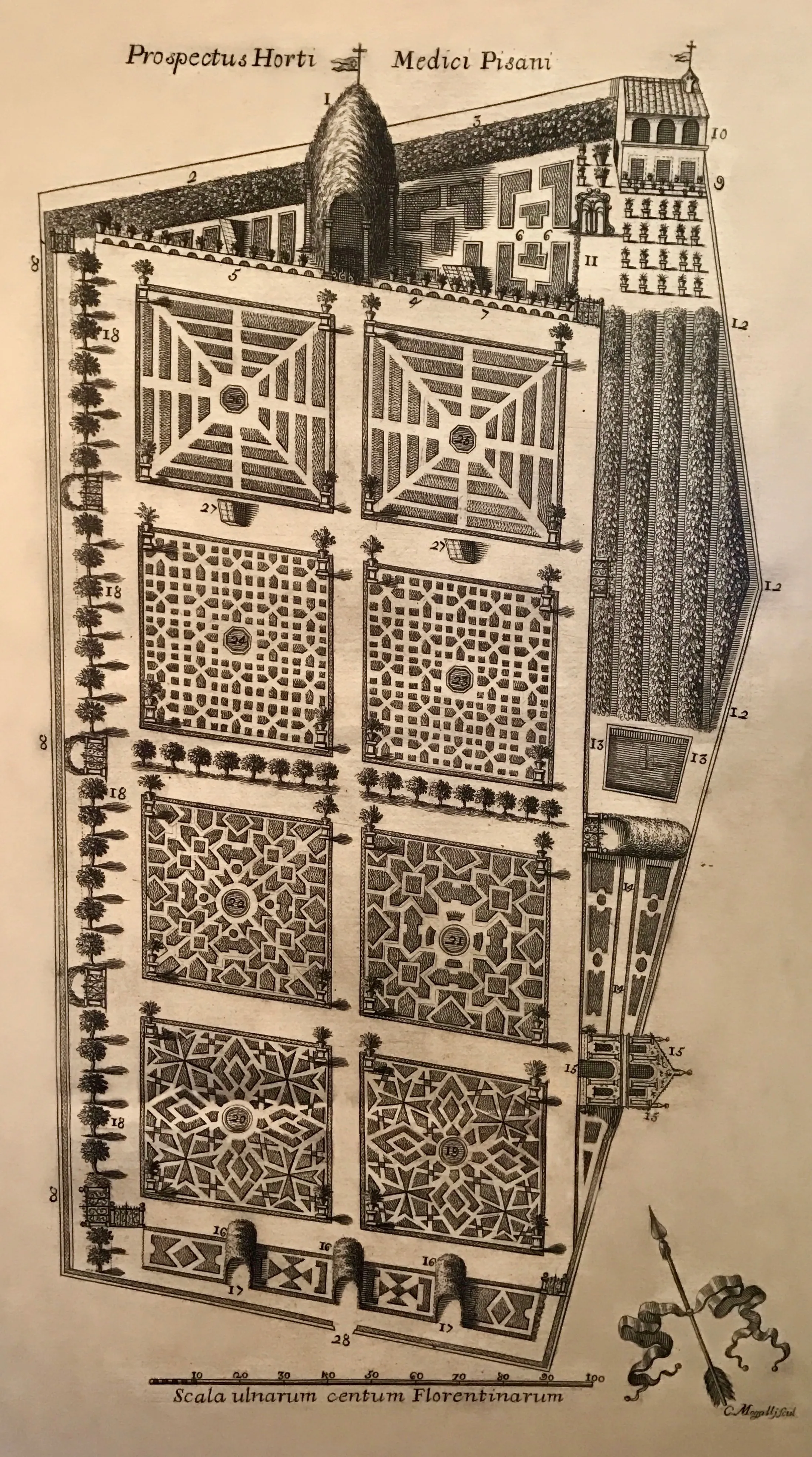
Naturalist Luca Ghini established the Botanical Garden and Museum of Pisa in 1543 under the patronage of Cosimo I de' Medici. Created to teach medicinal plants through direct observation, it stands as one of the *earliest university botanical gardens* in Europe. Following two earlier locations, the site settled near Piazza del Duomo in 1591, where it grew to include significant herbaria, glasshouses, and botanical collections that continue to serve the institution today.
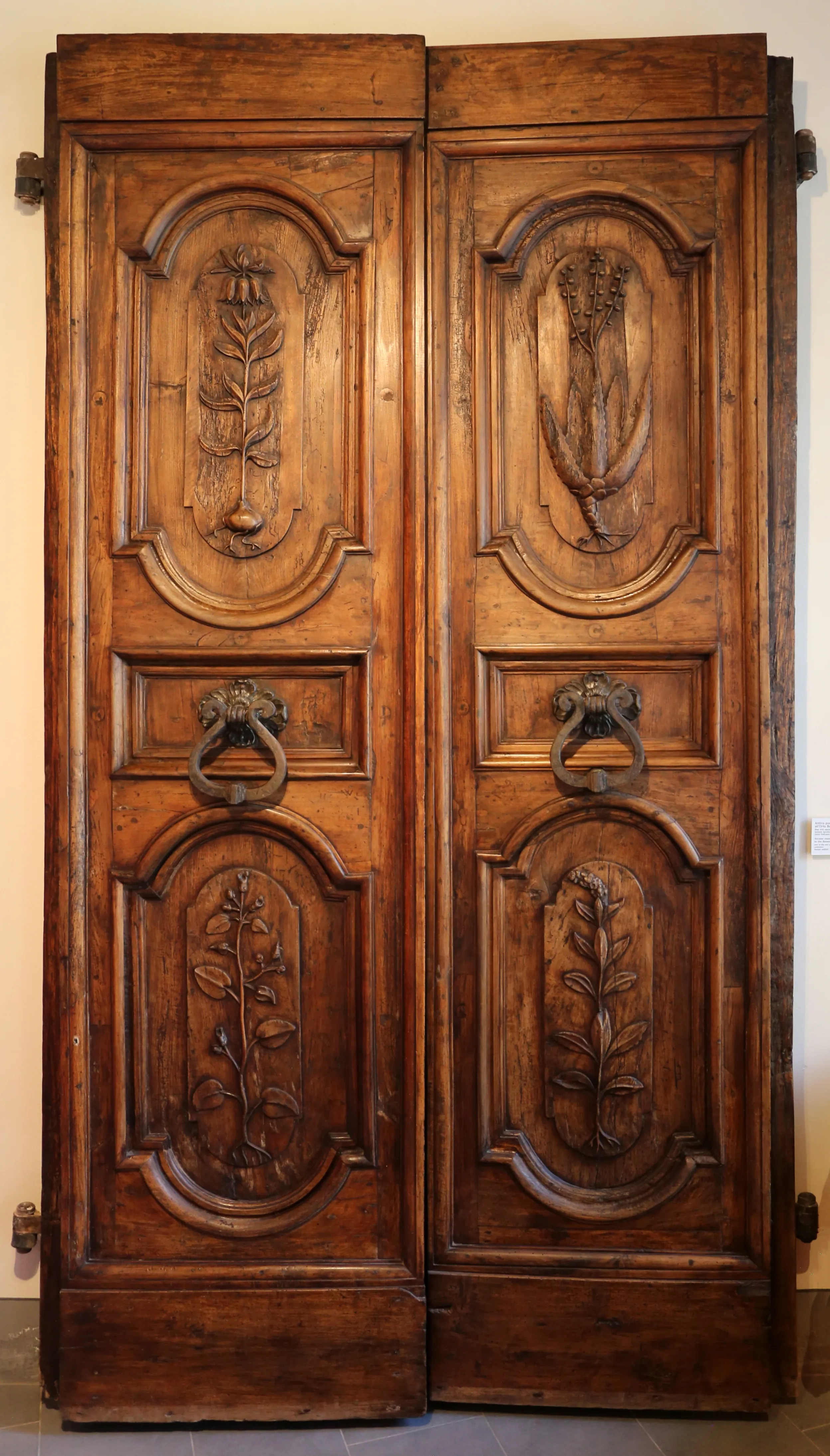
Explore the historic Botanical Garden and Museum of Pisa through this collection of images capturing the site's unique architectural heritage and botanical collections. The photographs highlight the intersection of natural diversity and scientific history in Pisa, featuring scenes from the herbarium, specialized glasshouses, and the serene garden grounds.

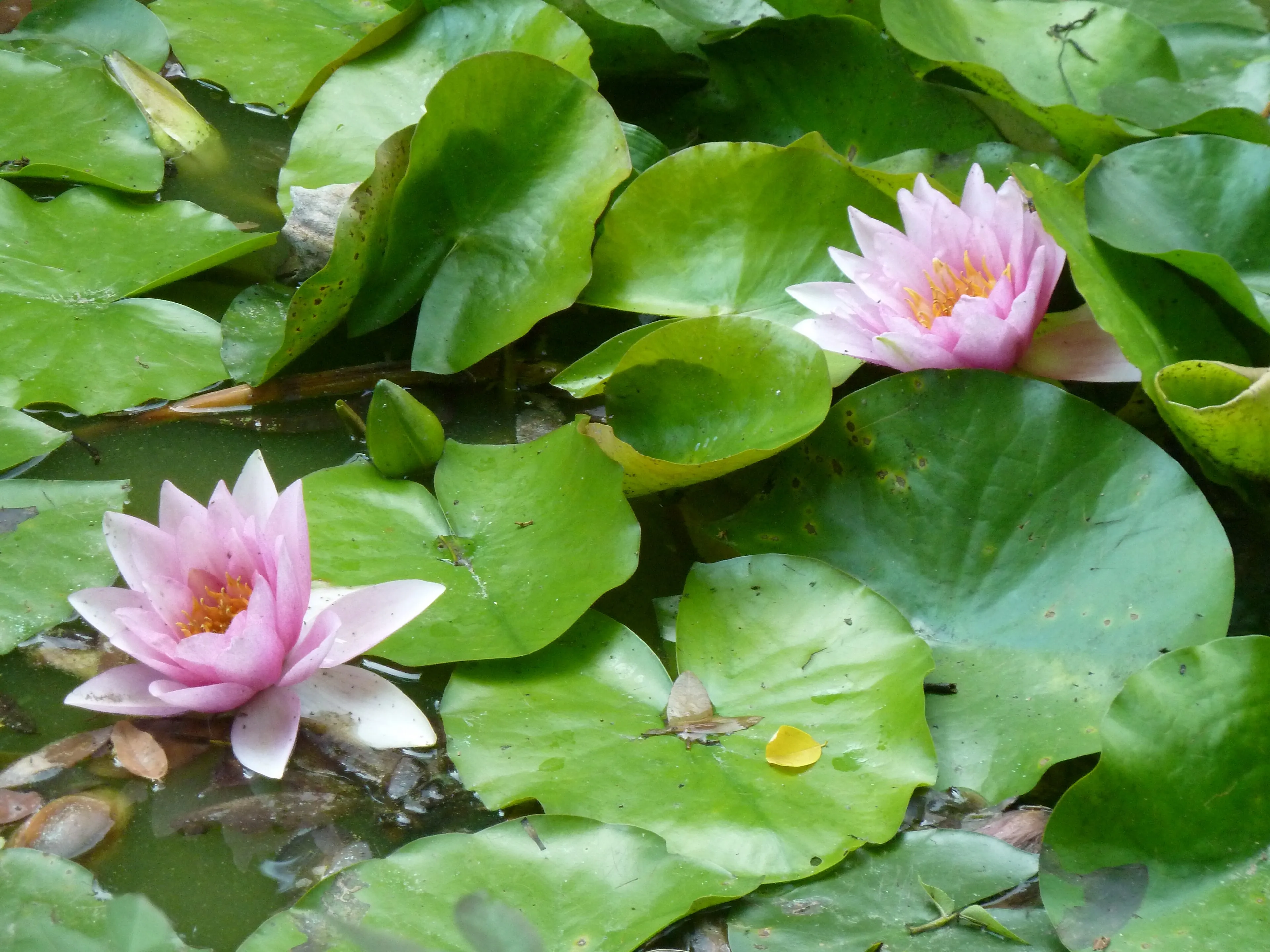

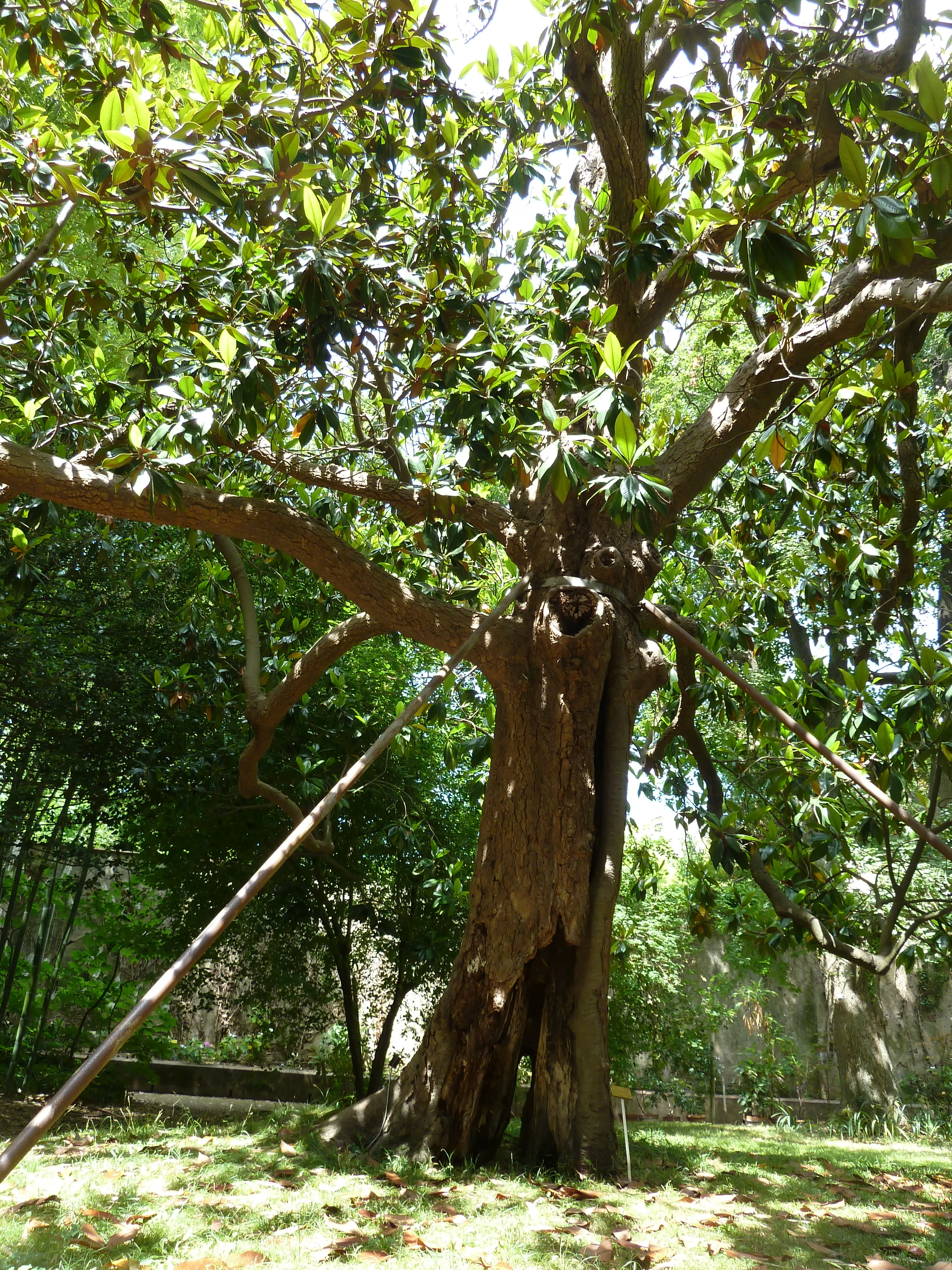
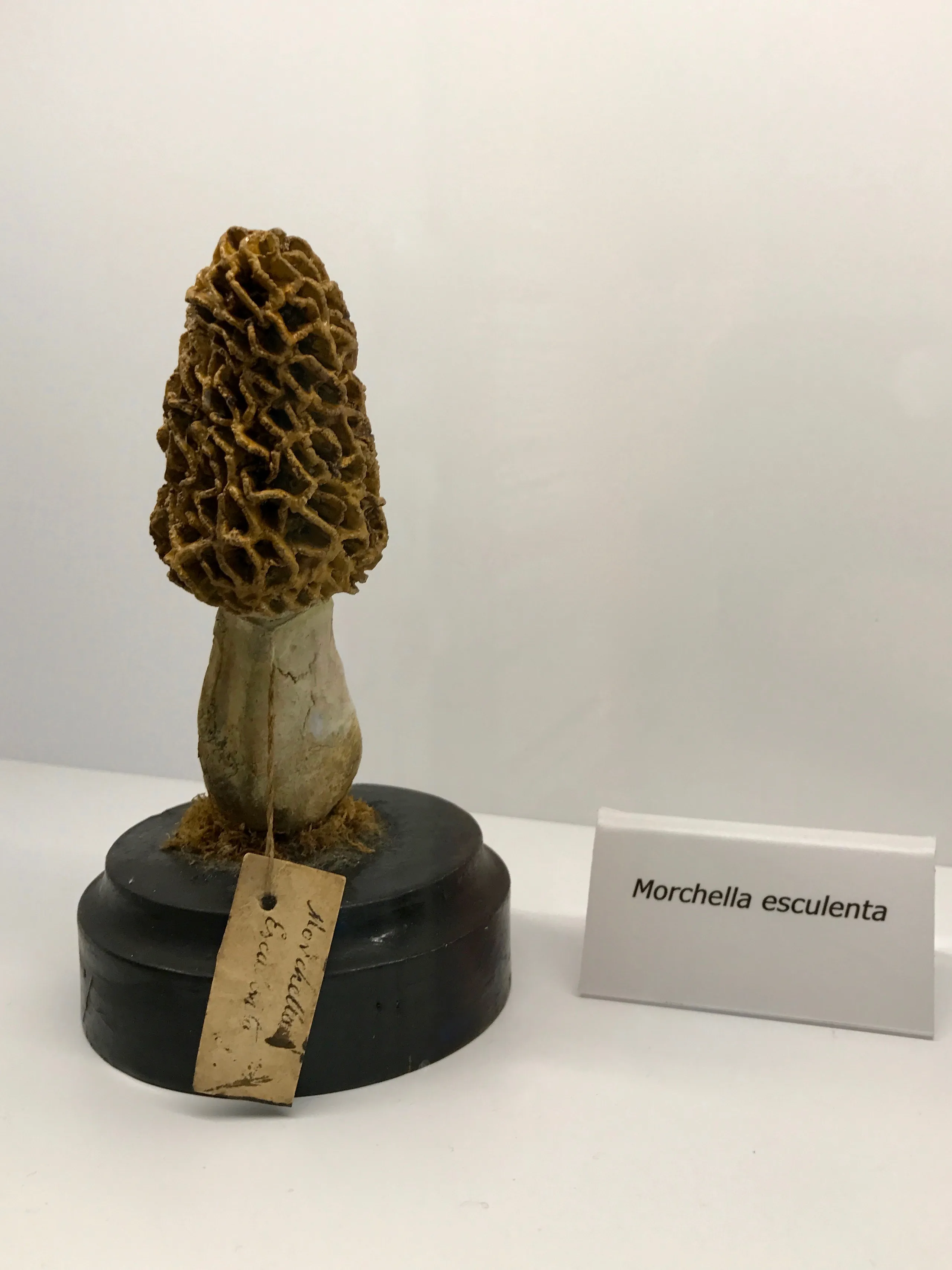

Discover local heritage sites and unique artistic archives within the city.
Identify the most compelling cultural points of interest, from monumental sculpture collections to academic science archives. Pinpoint the destinations that align with your personal interests in architecture, history, and the arts.