General admission
Free

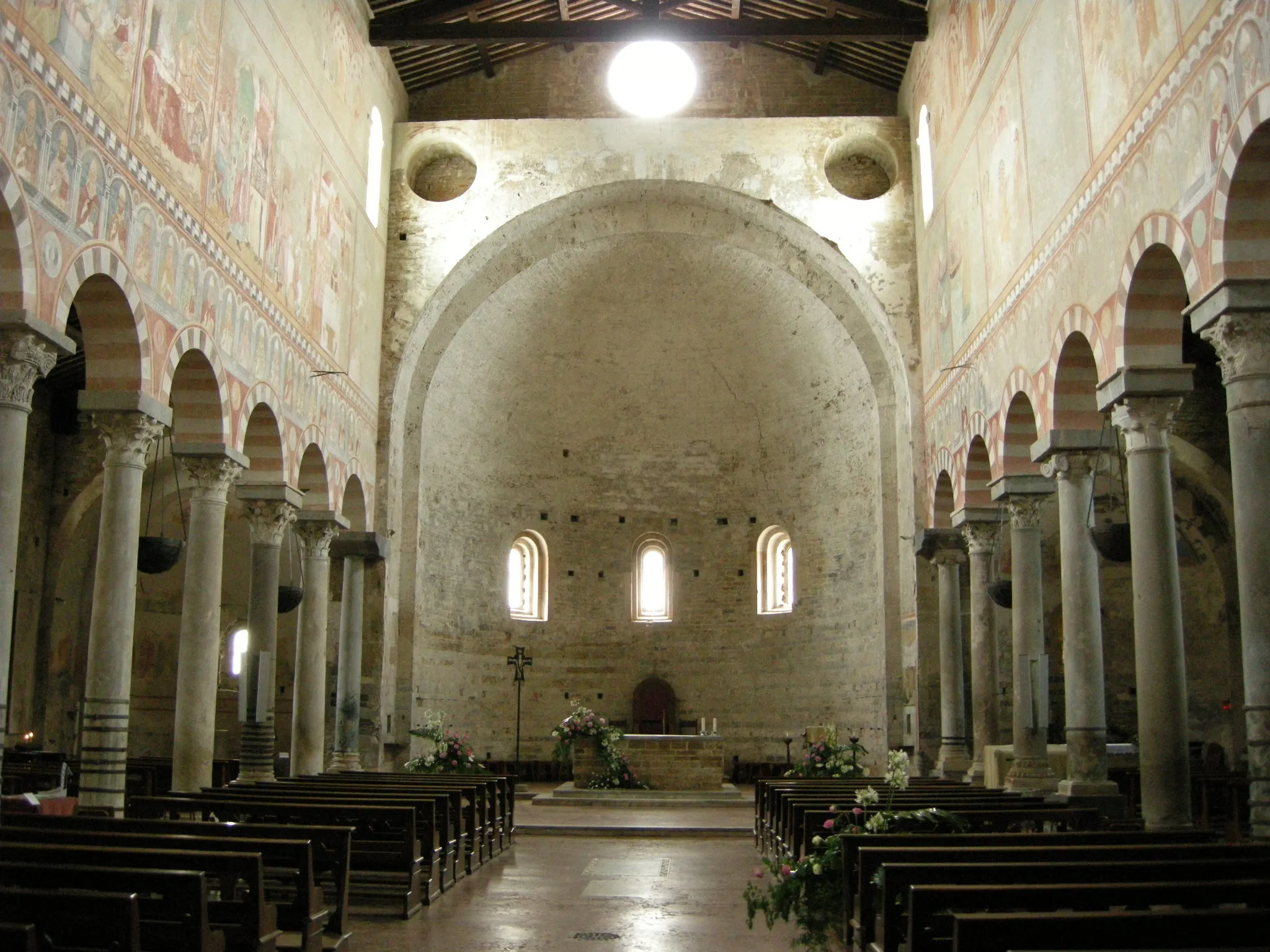
A Romanesque basilica near Pisa's historic shoreline, noted for apses, ancient columns and a medieval fresco cycle. The interior preserves papal frescoes, reused columns and the unusual focus of opposing apses.
A Romanesque basilica near Pisa's historic shoreline, noted for apses, ancient columns and a medieval fresco cycle.
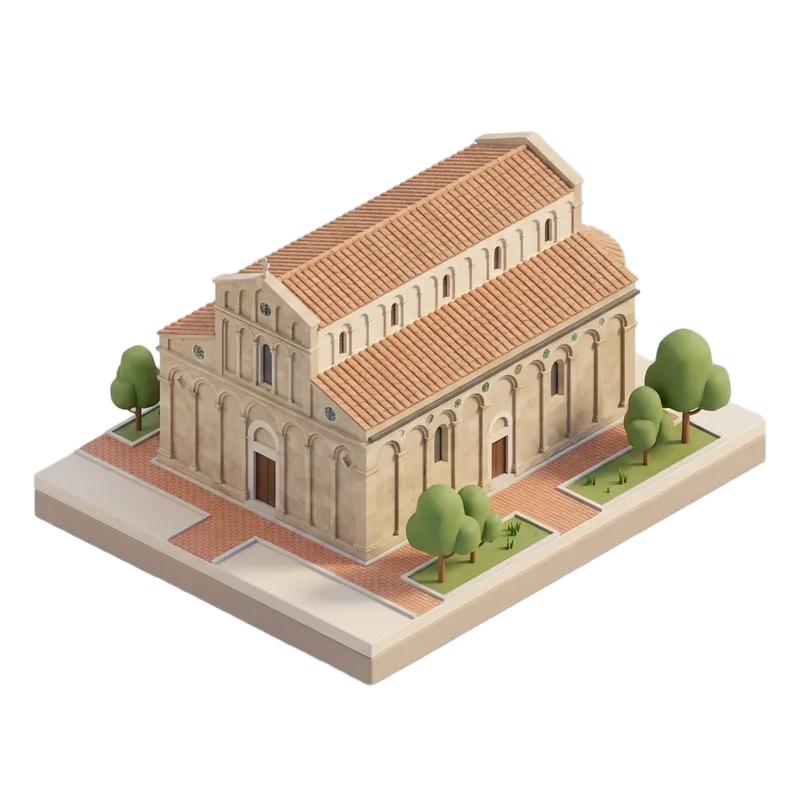
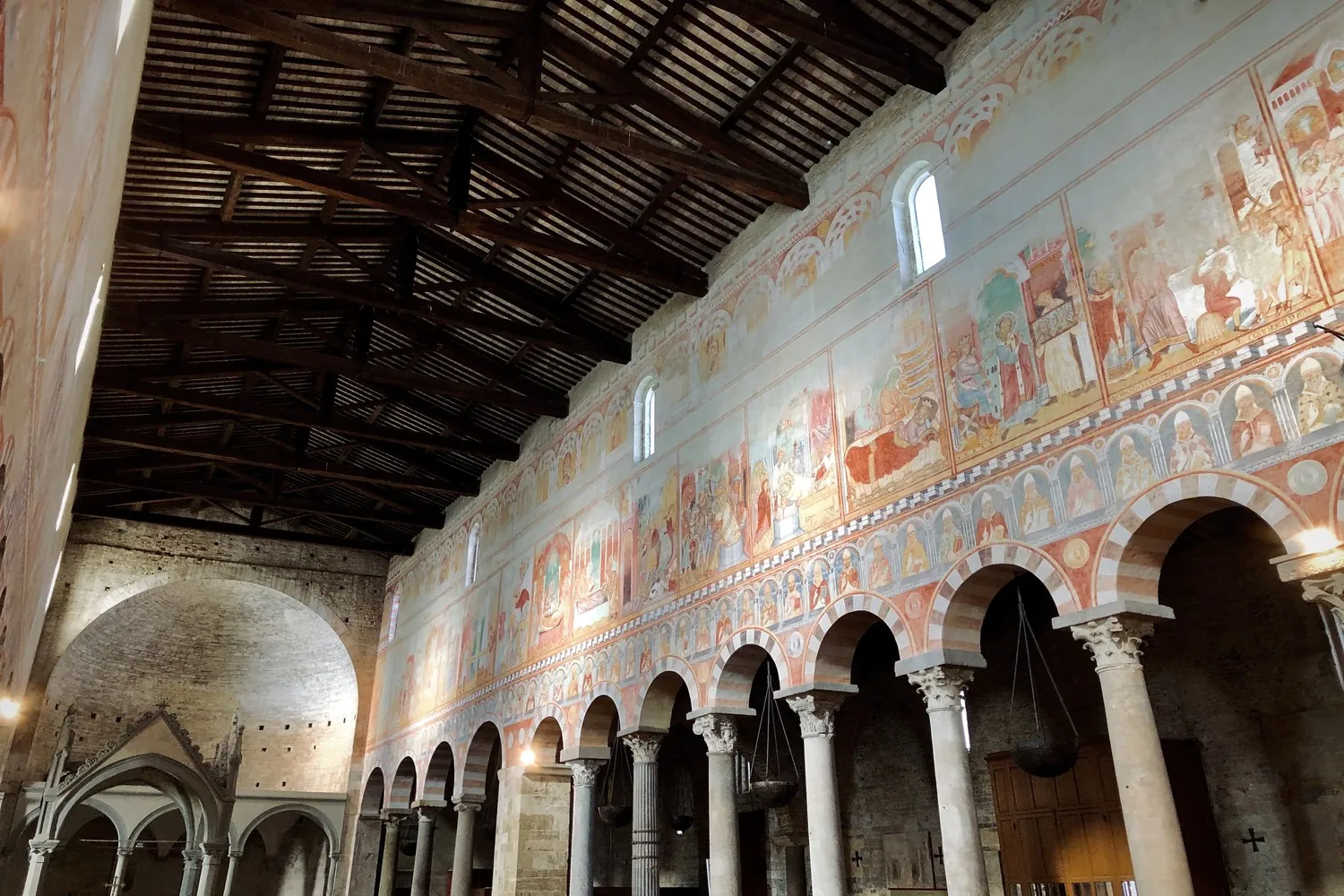
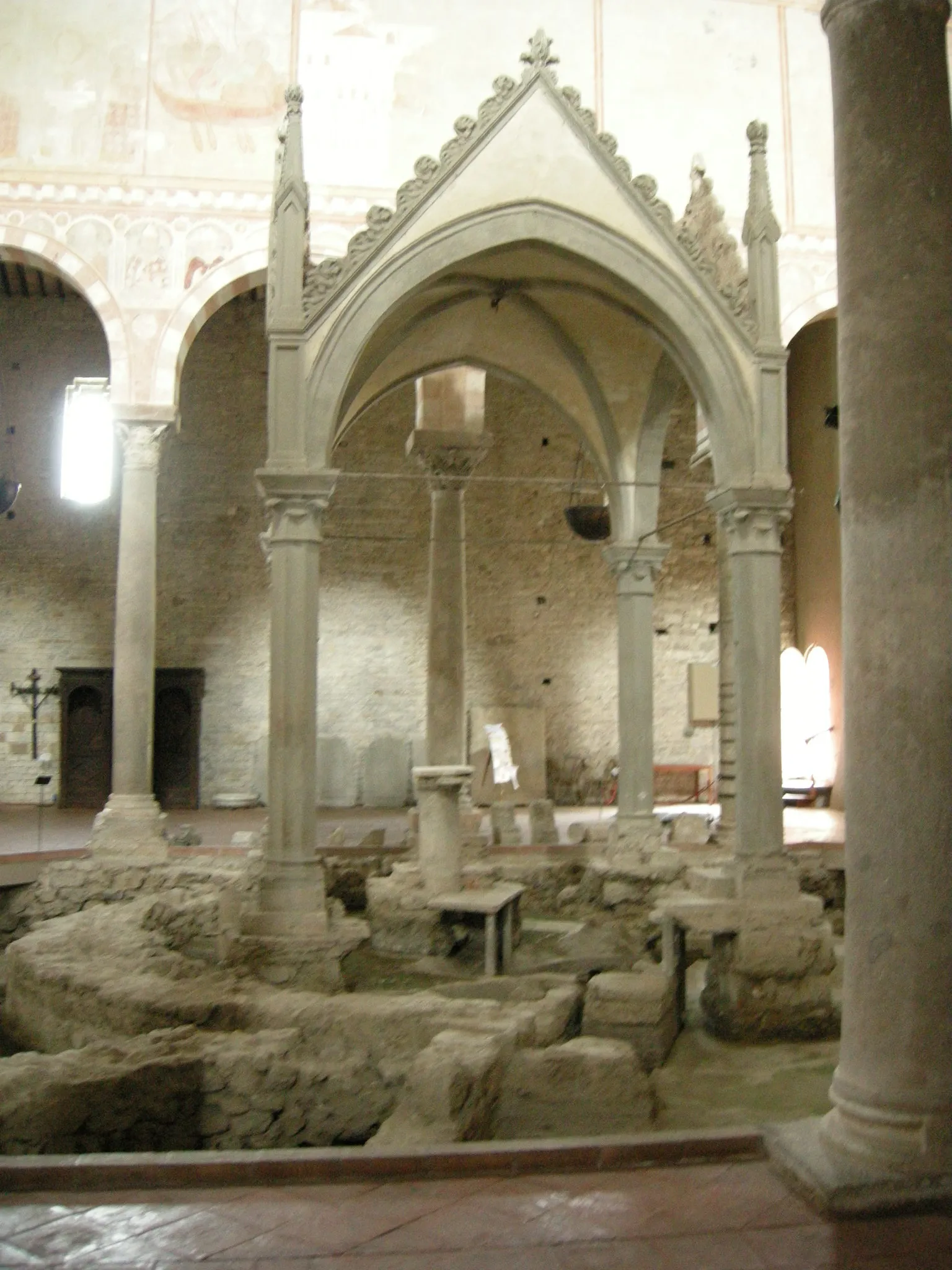
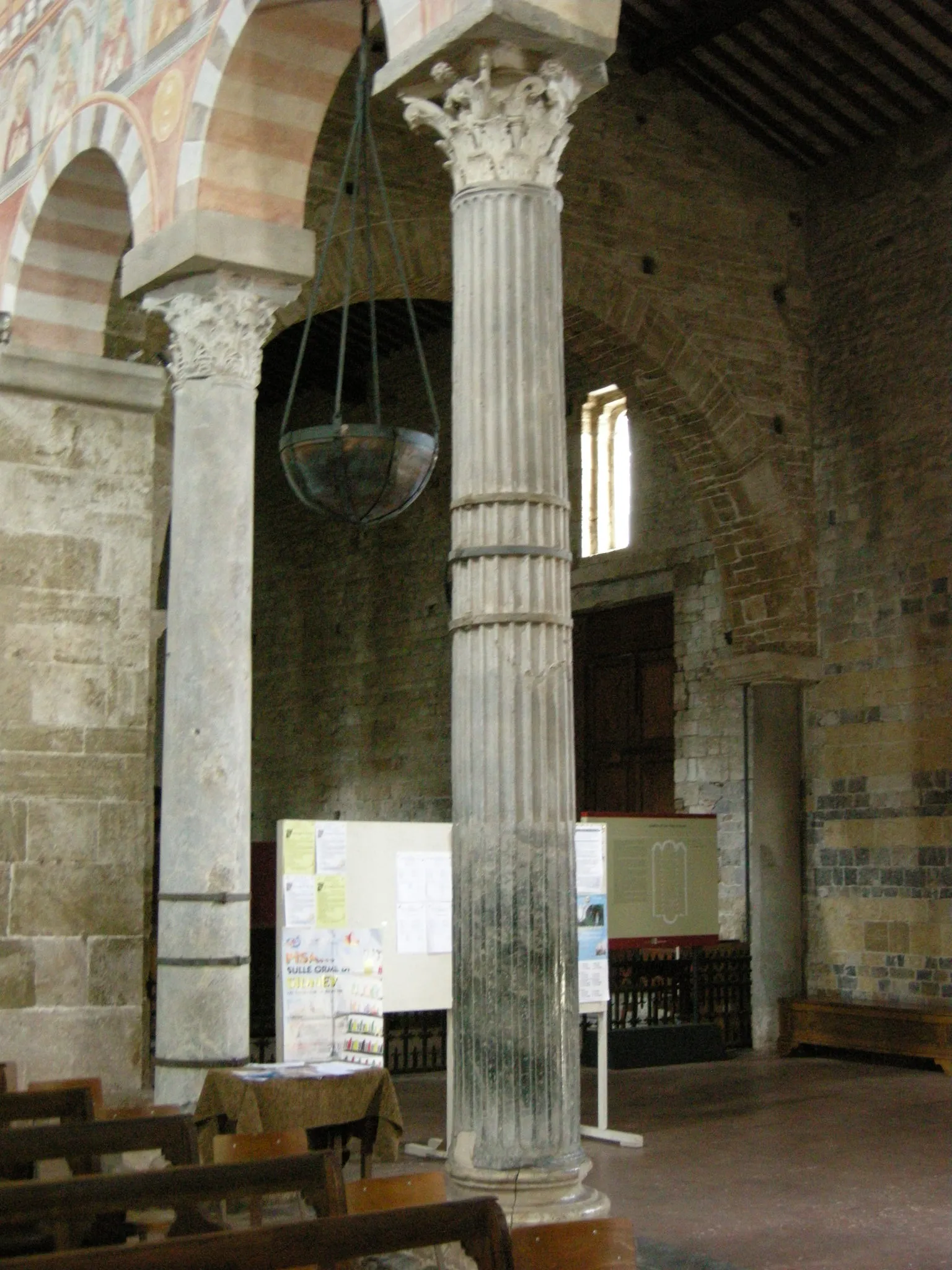
Located near the historic shoreline of Pisa, the Basilica of San Piero a Grado is an architectural landmark defined by its unique opposing apses and ancient columns. The interior houses an exceptional medieval fresco cycle, providing visitors with a focused look at early Romanesque heritage. This site offers an immersive experience, allowing guests to study the evolution of religious architecture and wall painting in a serene, historic environment.
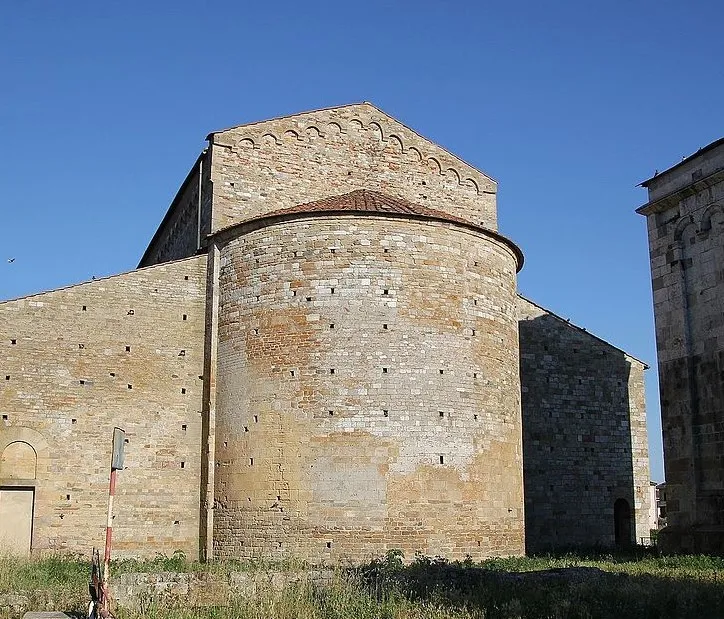
The Basilica of San Piero a Grado is located in the San Piero a Grado district of Pisa, situated near the city's historic shoreline. This site offers visitors an opportunity to explore Romanesque architecture and a significant cycle of medieval frescoes outside of the main city center. Its positioning provides a unique perspective on the region's cultural history for those planning a visit to the area.
Via Livornese
56122 Pisa
San Piero a Grado, Tuscany, IT
Visitors typically spend between 30 and 60 minutes exploring the historic interior and Romanesque architecture of the Basilica of San Piero a Grado in Pisa. No formal reservation is required for entry, though it is advisable to check the daily schedule for potential seasonal adjustments. Planning your visit for an early morning slot on a weekday often provides the most peaceful experience.

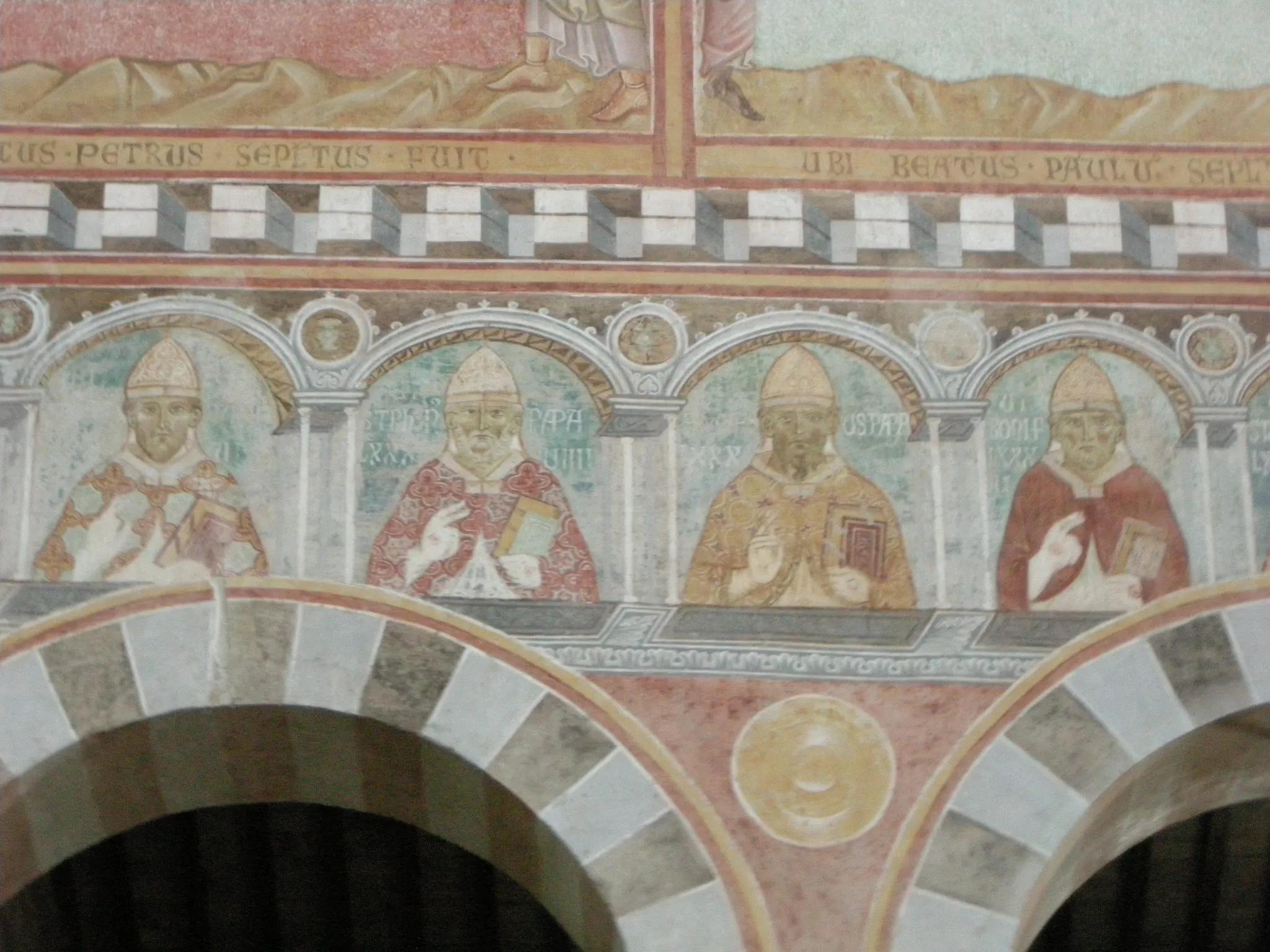
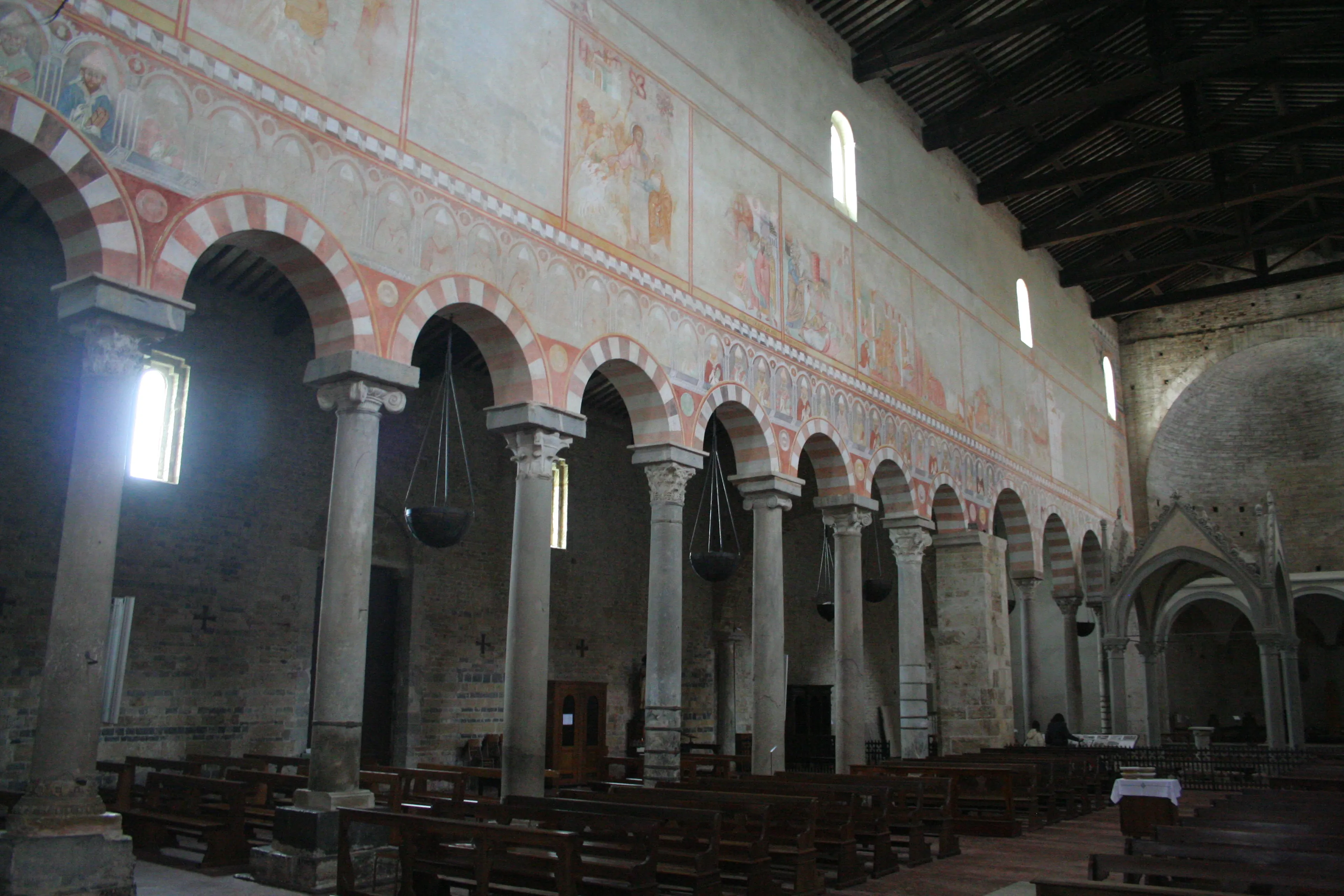
The Basilica of San Piero a Grado in Pisa stands as a significant example of Romanesque architecture near the city's historic shoreline. Visitors encounter a space defined by its unique structural layout, which features the unusual focus of opposing apses and an array of carefully preserved ancient columns. The interior offers a deep look at medieval wall painting, including a notable cycle of papal frescoes. This site provides a distinct cultural narrative that complements the broader history of the region. Exploring the venue allows for a close examination of architectural details and historical craftsmanship in a quiet setting. The experience is rewarding for those interested in medieval art and the architectural heritage of Tuscany.
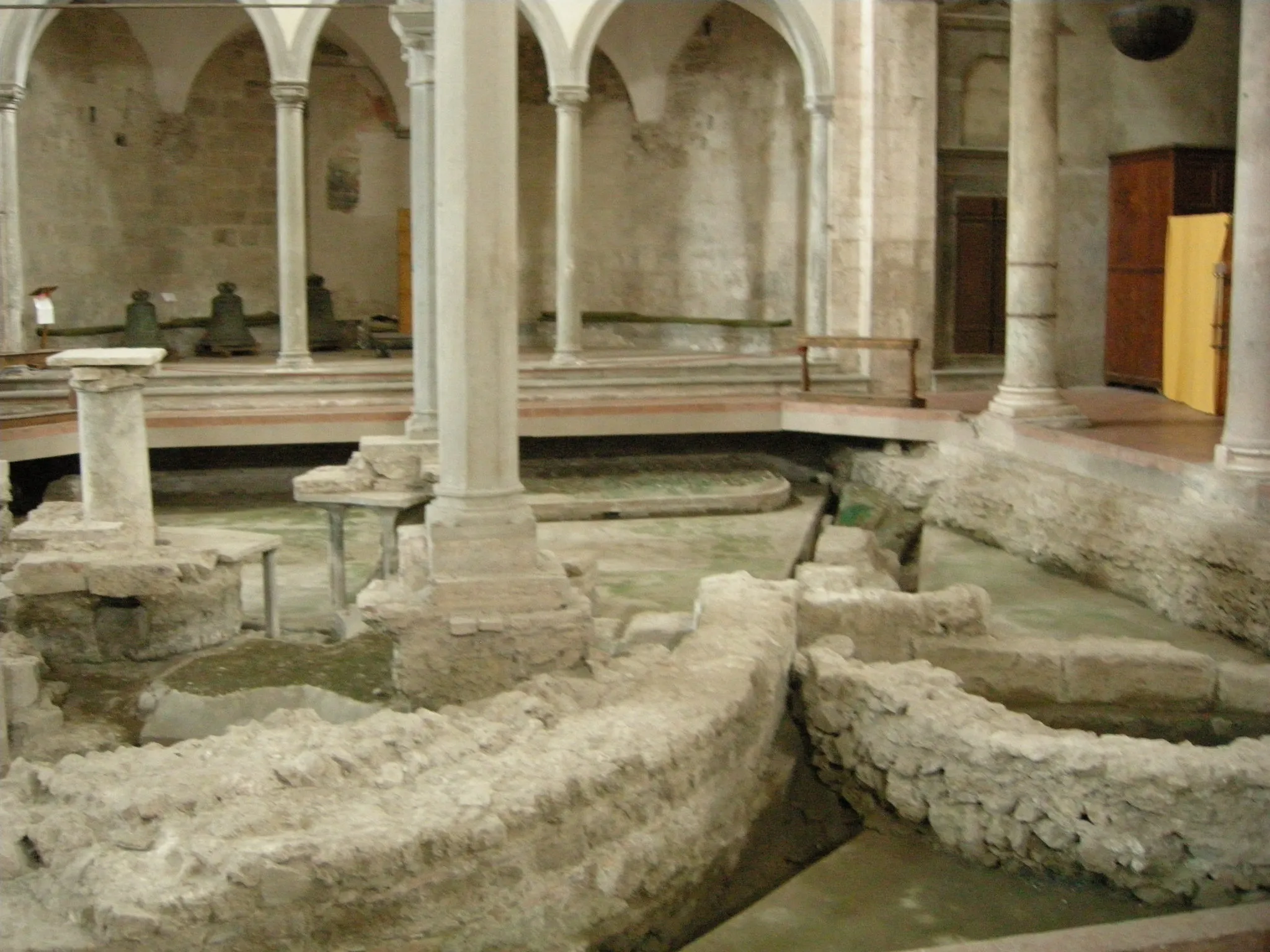
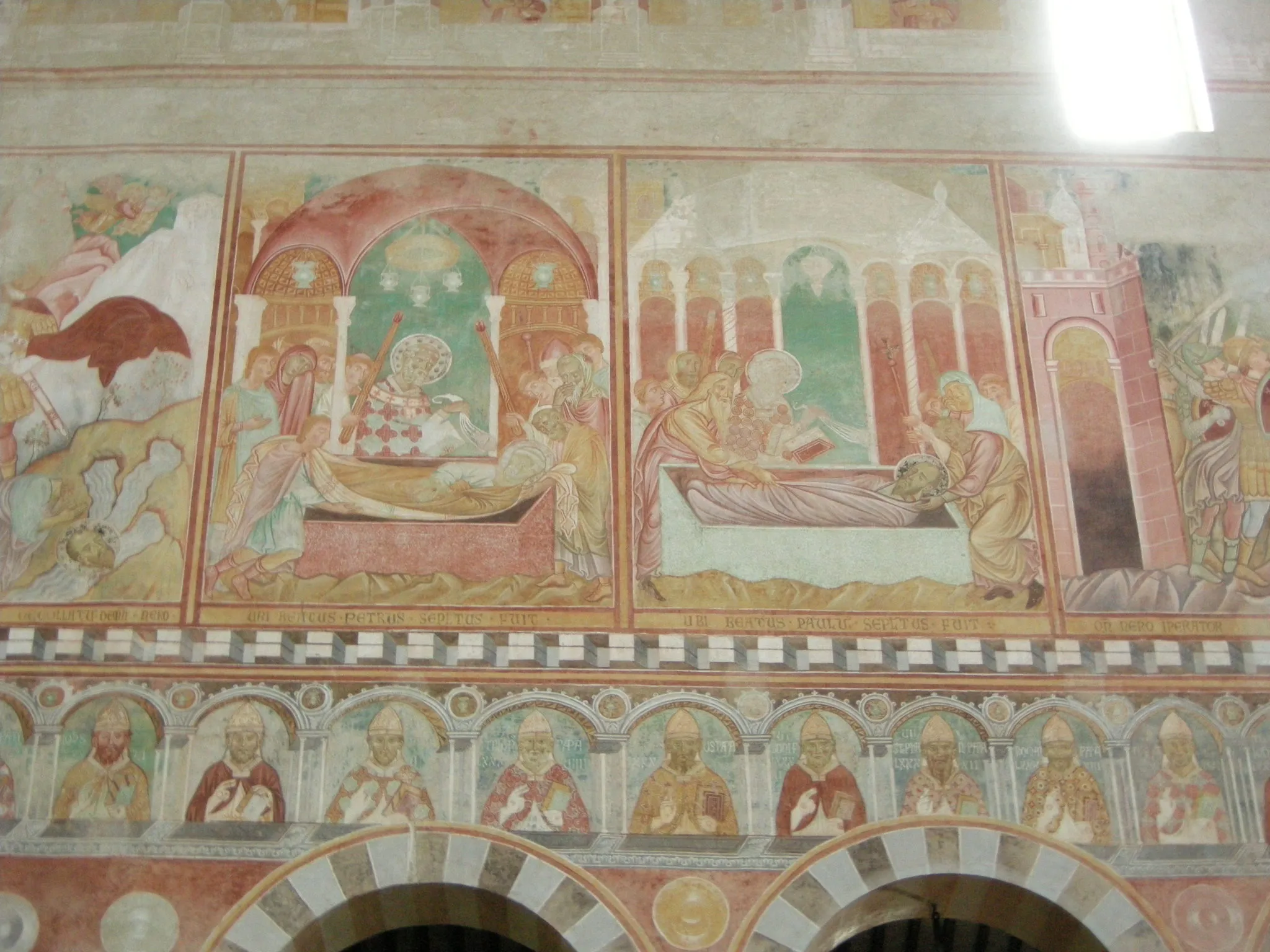
The Basilica of San Piero a Grado was established between the tenth and eleventh centuries on a site near the historic shoreline of Pisa. Excavations beneath the floor reveal remnants of earlier Christian structures, which clarify the church's unique architecture. By 1300, the interior was enhanced by a cycle of **medieval papal frescoes** attributed to Deodato Orlandi. This site maintains significant cultural importance due to its traditional association with the landing of Saint Peter in Italy.
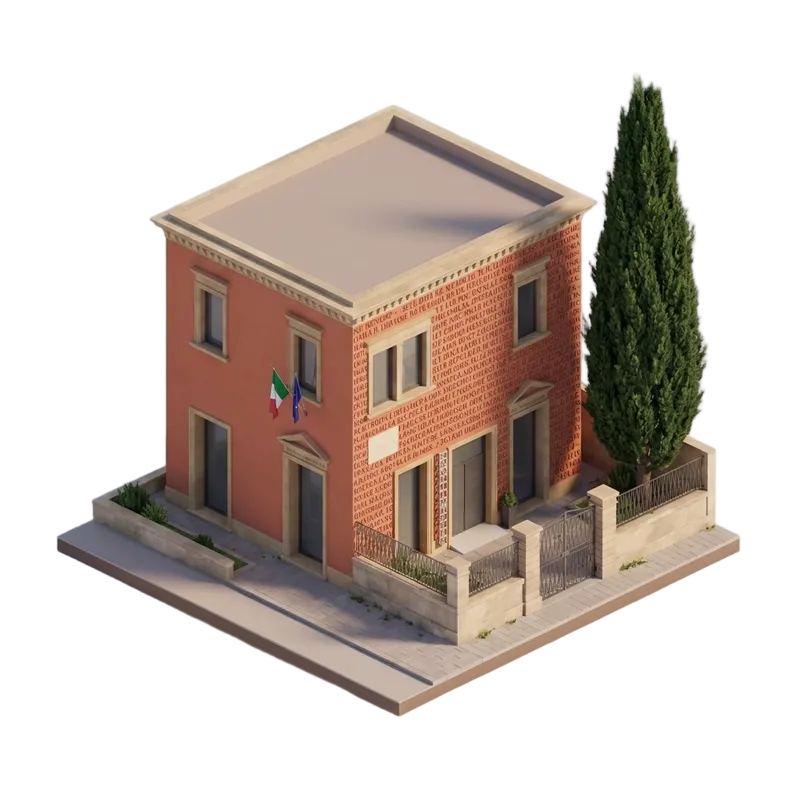
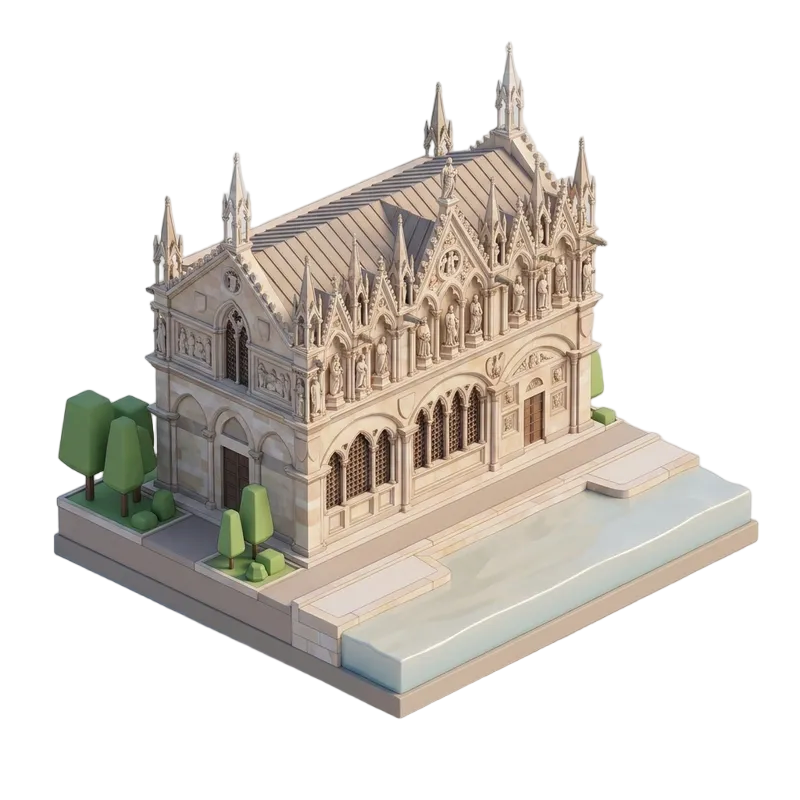
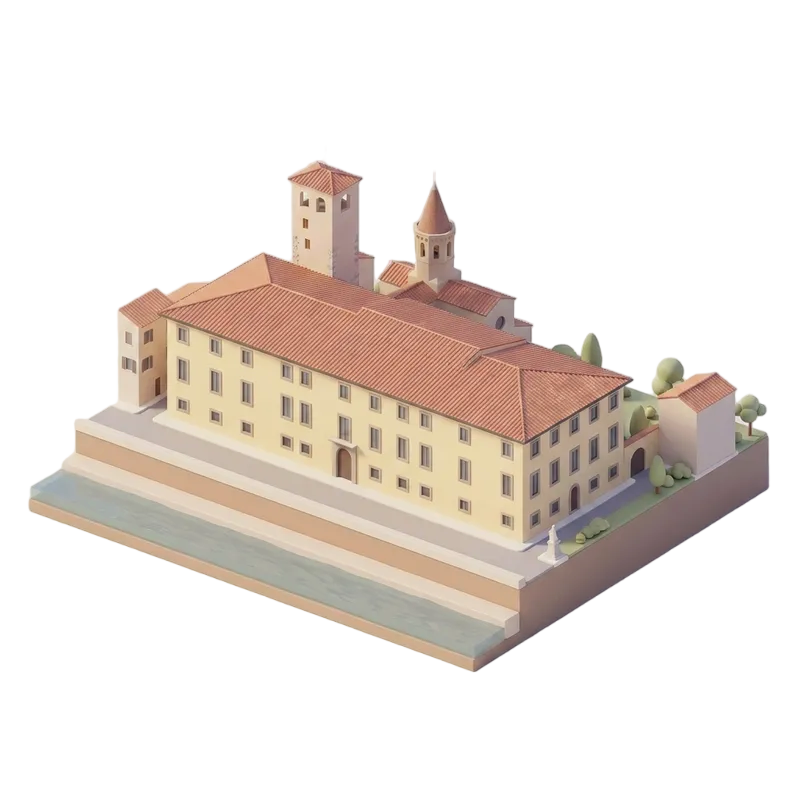
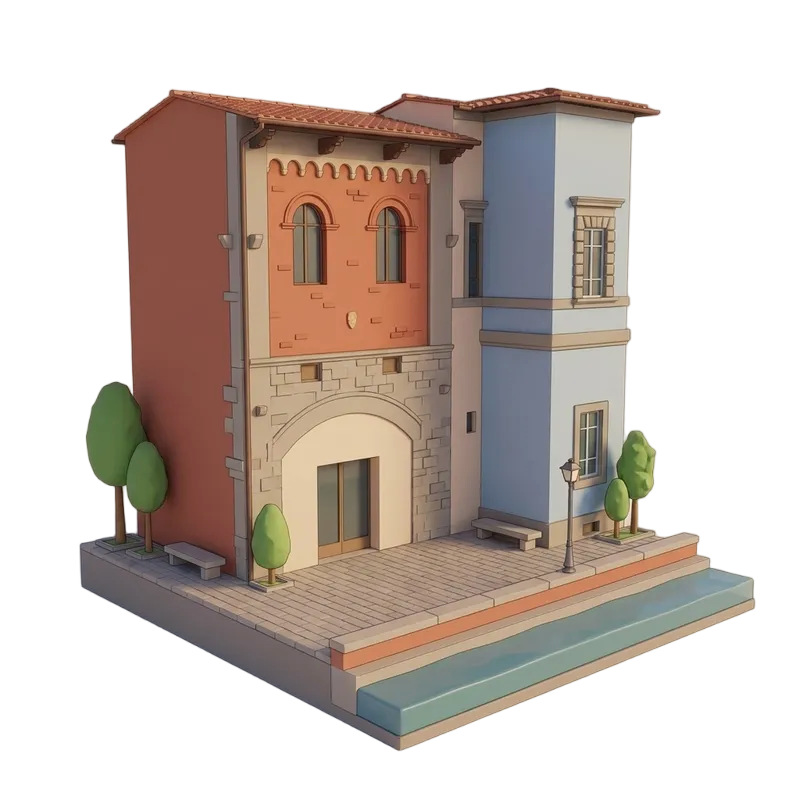
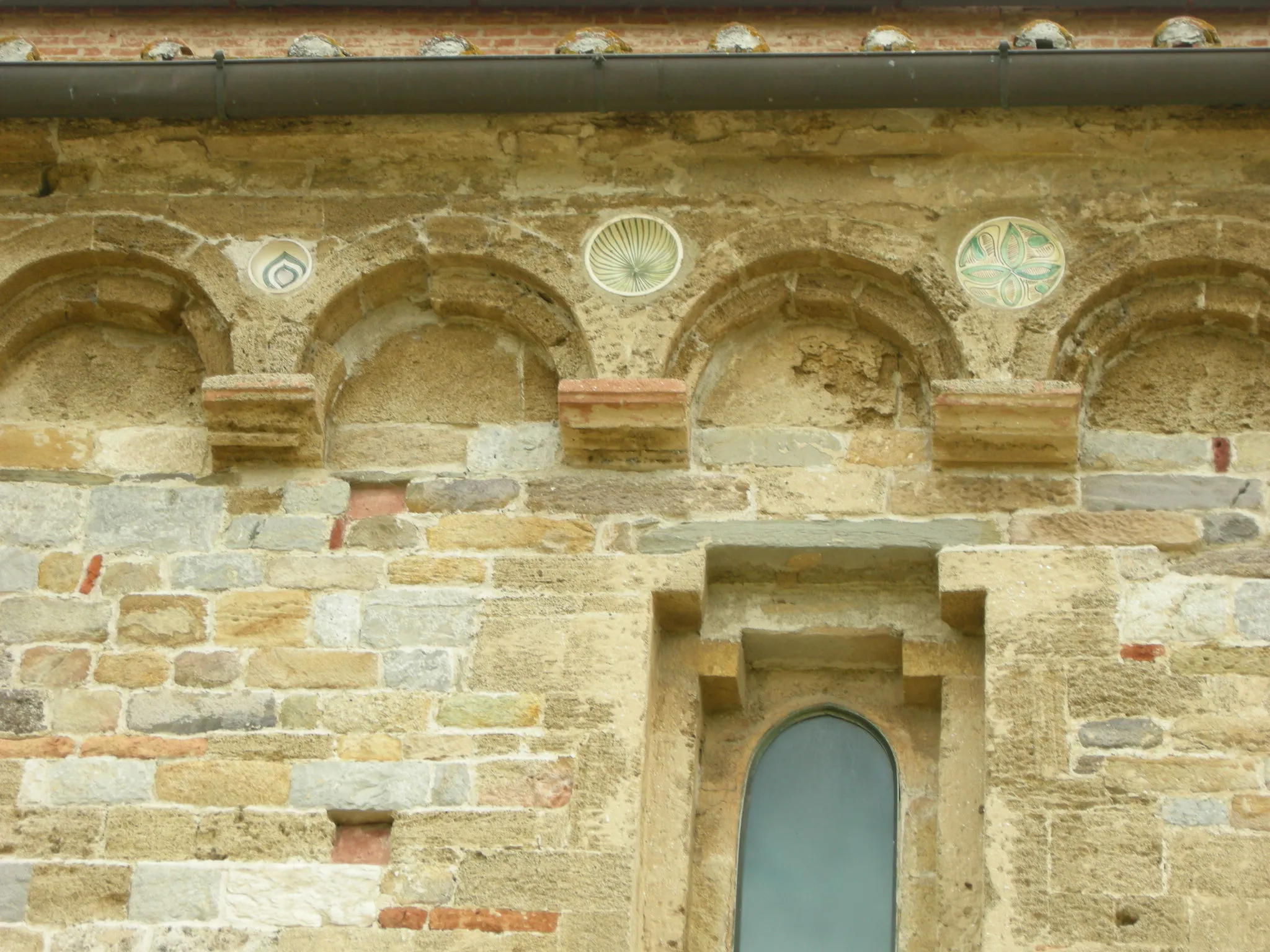
Explore the Romanesque character of the Basilica of San Piero a Grado through these images, which highlight its historic architecture in Pisa. The gallery captures the striking profile of the building alongside interior details, including the ancient columns and surviving medieval fresco cycles. These visuals provide a preview of the unique spatial layout that visitors encounter when exploring this heritage site.
Discover local heritage sites and unique artistic archives within the city.
Identify the most compelling cultural points of interest, from monumental sculpture collections to academic science archives. Pinpoint the destinations that align with your personal interests in architecture, history, and the arts.