
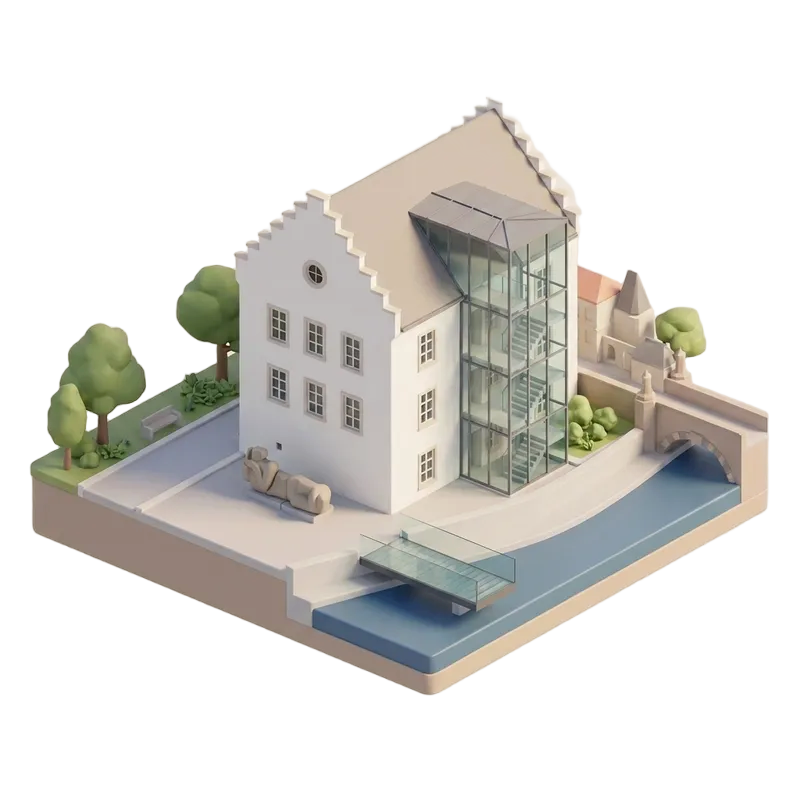
Prague
Museum itinerary · Prague

Czech Cubism and Decorative Arts in Prague’s Old Town

Follow the sharp angles from a Gočár façade to a chair and a glazed vessel.

The House at the Black Madonna shows how Czech Cubism moved between buildings, furniture and objects. Walk across the Old Town to give those experiments a wider context among textiles, glass and historical interiors.

Museum stops
2
Visits and transfers
2 hr 50 min
Suggested days
Tue, Wed, Thu, Fri, Sat, & Sun
Why these museums go together

There is a reason Prague’s Cubism is easier to grasp inside a furnished room than from the street. Begin inside Josef Gočár’s House at the Black Madonna, where angles appear in objects as well as the architecture. Then visit the main Museum of Decorative Arts to put those experiments beside other materials and periods.

The Black Madonna shows how angular geometry crossed between furniture, architecture and painting in an unusually concentrated episode. The second museum lets you see the larger world that made that experiment possible. Use the objects across the two buildings to ask what a shape does: how it directs a hand, displays a material or changes the impression of a room.

ArtDesignArchitecture
Route map
© OpenStreetMap contributors

The itinerary, stop by stop

Stop 1 · 1 hr
House at the Black Madonna

Study the angular furniture, ceramics and applied art in Gočár’s building. Look for how the same diagonal appears in a furnishing, a handle or a whole room. Begin at street level with the form of the building, then follow the permanent exhibition through the design objects, paintings and sculpture. Give a chair or desk five minutes before moving to the smaller ceramics. End with one picture and one Gutfreund sculpture or another displayed work. If you are short of time, keep the building, one piece of furniture and a ceramic as a complete comparison.

What to look for

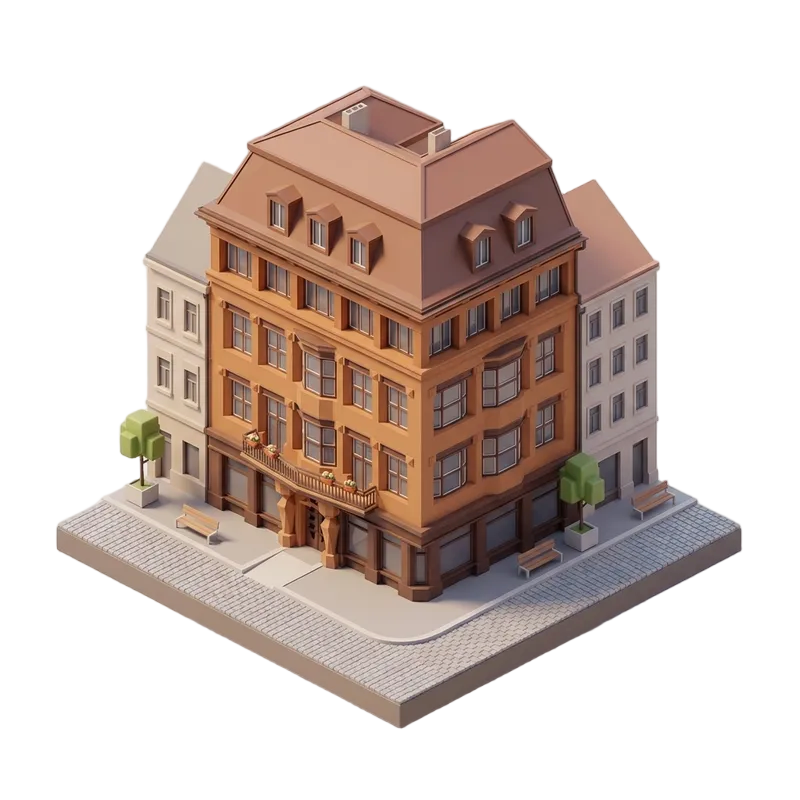
Gočár’s street façade
Take a minute at the corner to judge how the bays and the entry frame work at pedestrian scale. The building explains why the capital’s Cubism is more than a painting style. Look for one angle you can recognise again in an object upstairs.
Furniture by Hofman, Janák or Gočár
Choose a chair, table or cabinet from the exhibit and find the points where practical contact is unavoidable: the hand, seat or base. Notice which parts remain familiar and how the sharp geometry gives the useful object an unfamiliar profile.
Faceted ceramics
Look for a small glazed object whose surfaces meet at distinct angles. Move a little and watch reflected light mark the changes of plane. This is a useful way to compare the smaller applied arts with the same search for planes in the building.
Painting and Gutfreund’s sculpture
Compare a painting by a Cubist artist such as Emil Filla or Josef Čapek with a sculpture by Otto Gutfreund if both are accessible. Where does a painter suggest a turn, and where can a sculpture make the turn literal as you walk around it?

Walk · 15 min

Getting to Museum of Decorative Arts in Prague

Walk about 1 km via Celetná, Old Town Square and the streets toward Jan Palach Square. Use the main building entrance on 17. listopadu.

Stop 2 · 1 hr 35 min
Museum of Decorative Arts in Prague

Use the main collection to broaden the comparison. Glass, metalwork and textiles show how much an object’s form depends on the material and the maker’s techniques. Begin with the permanent exhibition ART, LIFE. ART FOR LIFE. Use its organisation by experiences and places of life to choose a pair of sections rather than following every case. Give one room to objects for display and another to clothing or domestic life. If a planned section is unavailable, choose another pair designed for different ways of handling, wearing or displaying objects.

What to look for

Treasury and liturgical craft
Select one processional or ritual object in the relevant display. Read its materials and look for the places where it needs to be held, seen from afar or reflect light. Compare that encounter with the Cubist object designed to sit in a room.
The cabinet of curiosities
The permanent display uses a Renaissance collecting cabinet to ask how an arrangement makes objects meaningful. Choose a pair and see whether they were valued for workmanship, rarity or association. It explains another reason to create a striking shape.
Textiles, clothing and jewellery
Follow one garment or piece of jewellery from its outline to the clasp, seam or repeated motif. Imagine how it shifts when a wearer moves. It is a helpful contrast with the static angles of a cabinet or chair from the first museum.
Glass and the domestic interior
Find a vessel or household piece and consider how it responds to the light of a domestic room. Compare the visibility of its surface with the much more explicit edges of the Cubist ceramics. If glass is unavailable, try the same exercise with polished metal.
Timing, booking and admission

Set your pace

Allow about an hour at the Black Madonna and 90 minutes at the main museum. Tuesday’s later opening makes this a useful late-afternoon route. For a 10:00 start, give the Black Madonna about an hour and aim for the main museum around 11:20, including the walk and ticket desk. Ninety-five minutes there takes you to about 13:00. Starting late on a Tuesday? Keep the building and one permanent design theme; use the later closing only if the relevant galleries follow it that day.

What to book ahead

Check the opening calendar for both buildings, especially Monday and holiday closures. Look at separate exhibition admissions when planning the second stop. If you want the printed Czech Cubism map, ask about it at the first entrance rather than adding another stop to this museum block.

Tickets and museum passes

Both sites are part of Prague’s Museum of Decorative Arts. Check the current ticket for the specific building and show before assuming both visits are included.

Sources and route research

Explore Current Museum Exhibitions and Cultural Showcases in Prague
Discover Prague's rich tapestry of art, history, and cultural displays.
Uncover a world of rotating art shows and compelling museum programming throughout Prague. Engage with diverse cultural exhibitions showcasing everything from ancient artifacts to modern masterpieces.
Story of Prague Multimedia Exhibition at House at the Golden Ring
House at the Golden Ring
Permanent exhibition

Story of Prague Multimedia Exhibition at House at the Golden Ring

An interactive tech journey through eight centuries of history

Explore Prague's heritage through augmented reality, film installations, and special effects spanning three floors. This technology-driven exhibition features 160 displays that make history accessible.

Story of Prague Exhibition
Mark Dion: Cabinet of Electrical Curiosities Permanent Art Installation
Old Town Hall and Astronomical Clock
Permanent exhibition

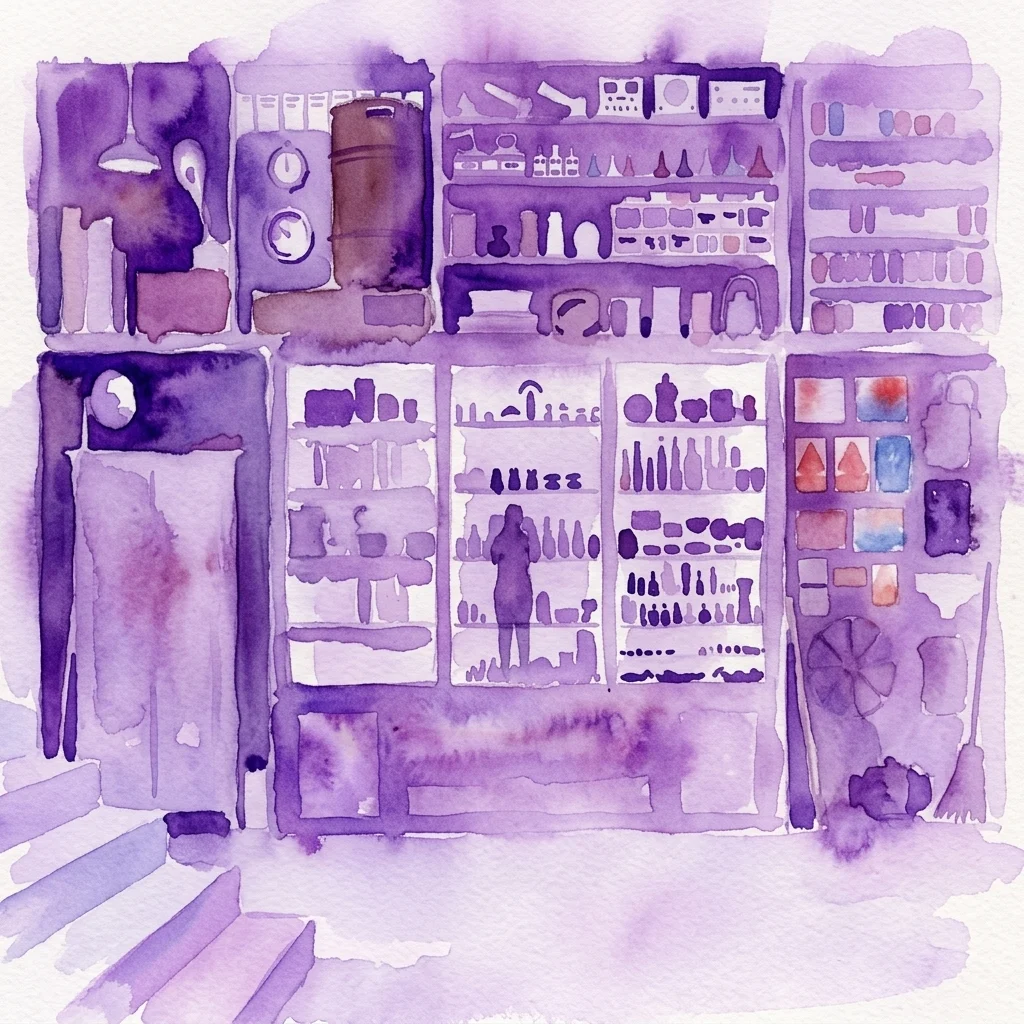
Mark Dion: Cabinet of Electrical Curiosities Permanent Art Installation

Discover site-specific art featuring artifacts from Kunsthalle Praha's history.

Experience Mark Dion's ongoing installation exploring the history of Kunsthalle Praha's site. See how industrial artifacts tell the story of the Zenger electrical substation's transformation into a cultural hub.

Mark Dion Exhibition
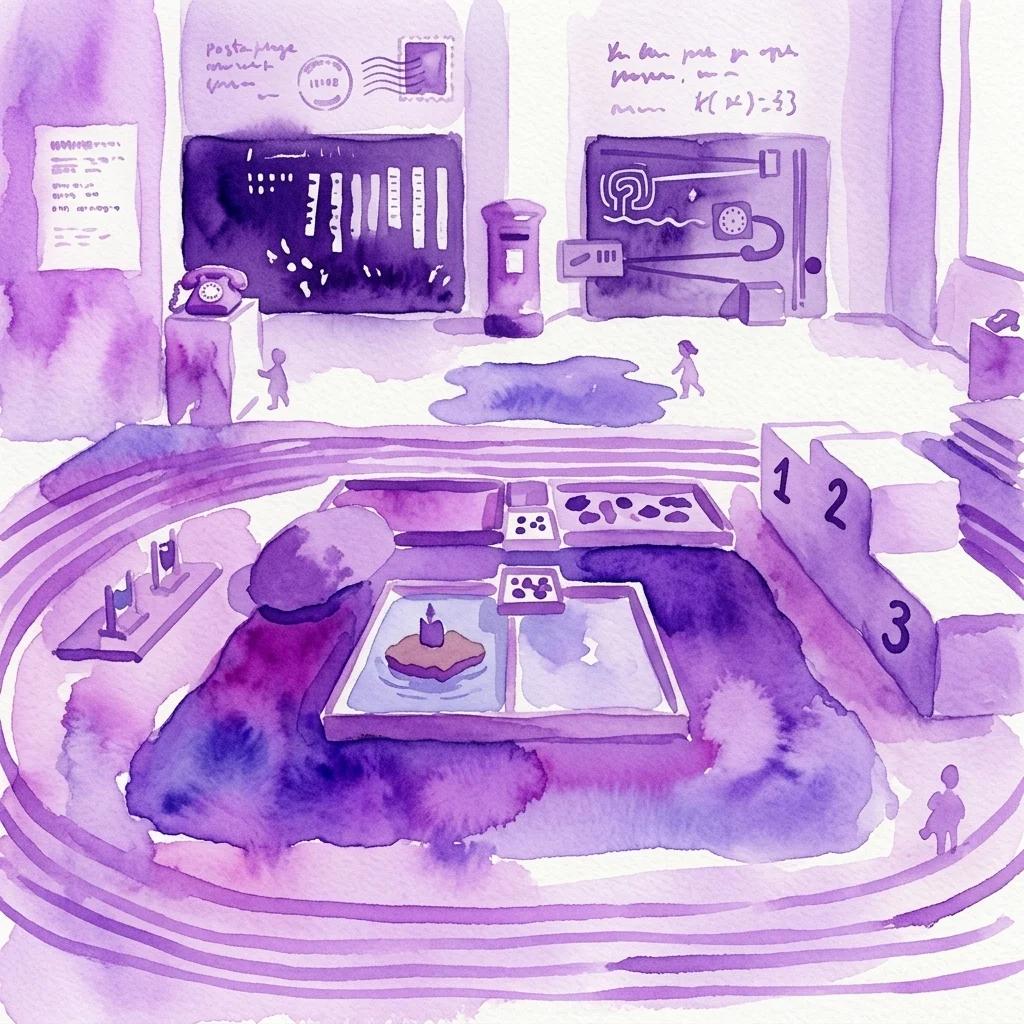
Watercolor illustration of the Children's Postal Playground, a vibrant interactive museum space with postal-themed exhibits like telephones, typewriters, and stamp printing stations for children.
Postal Museum
Permanent exhibition

The Children's Postal Playground: An Interactive Exhibition for Young Explorers

A permanent, hands-on journey into the history of postal services.

This interactive exhibition offers children a fun way to learn about postal history. Engage with vintage telephones, typewriters, and even print unique personalized stamps in a permanent play setting.

Postal Playground Exhibition
Prague

Discover All Museums in Prague: Browse the Complete Cultural Institution List

Unearth Prague's fascinating art, history, and heritage collections across the city.

Begin your cultural journey through Prague by exploring its diverse array of museums. Whether you're interested in historical exhibitions or contemporary art spaces, a full list of noteworthy institutions awaits your discovery. Plan your visits and delve into the narratives shaping the city's unique identity.