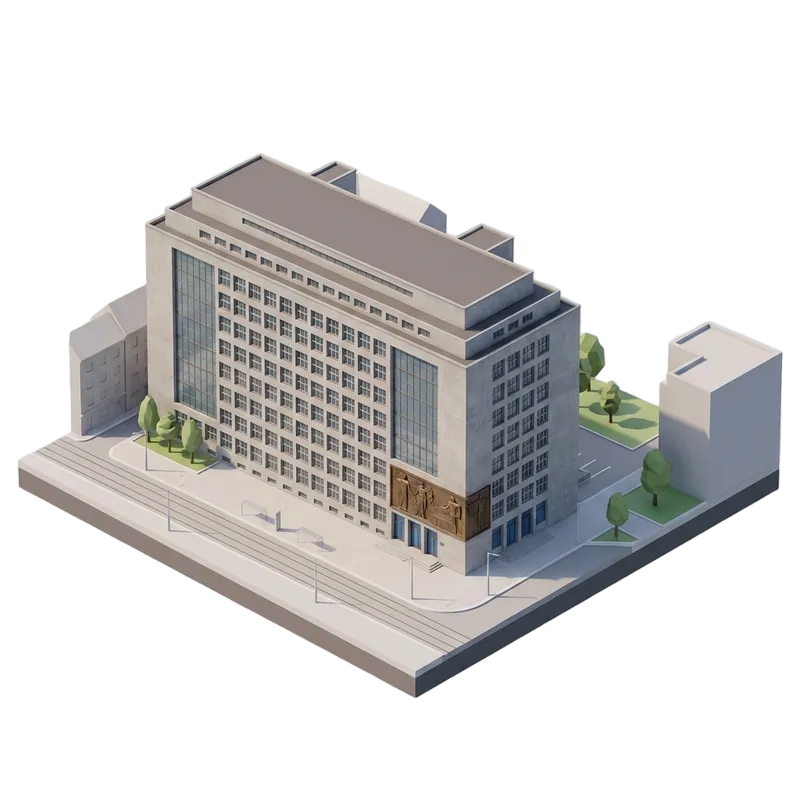
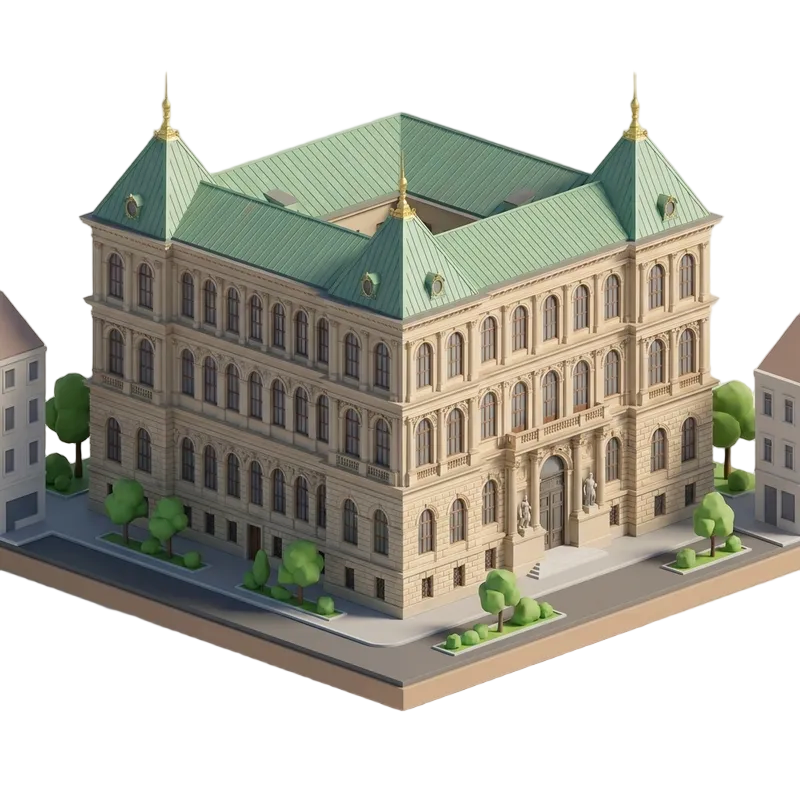
At the Trade Fair Palace in Holešovice, make the building the first exhibit. The open central hall and straight circulation routes once served commercial exhibitions. Choose the First Czechoslovak Republic galleries for a manageable 70-minute visit. Read one room through its original exhibition or collector, then compare a Czech or Slovak work with an international one. If that collection is unavailable, choose a single suite in the long nineteenth-century display.
Kostelní’s transport and tractor halls explain how machines were made and used. At this former trade-fair building the issue becomes how modern Czechoslovakia exhibited its art and designed the buildings where the public encountered it.
What to look for
- A functionalist trade-fair building
- Josef Fuchs and Oldřich Tyl designed the palace for exhibitions in the 1920s. Look along a balcony or gallery edge and consider how an exhibitor could be seen from more than one level.
- The First Czechoslovak Republic
- The display for 1918–1938 reconstructs some of the places and exhibitions in which audiences first encountered interwar art. Choose two works shown in the same context and read their relationship before looking up the artists.
- International art in an interwar collection
- The First Republic exhibition places the national collection’s French works alongside Czech and Slovak art. Pick one pairing, or two nearby works, and compare their treatment of space rather than trying to cover the entire floor.
- The long nineteenth century
- As an alternative, the display spanning 1796–1918 offers an earlier view of modernity. Look at one city or landscape and compare it with the technology that was changing movement and work at the first two museums.