
Prague
Museum itinerary · Prague

Prague design and optical illusions on both banks of the Vltava

Furniture, glass, film sets and abstract painting

Walk from the House at the Black Madonna through Prague’s decorative arts collection to Karel Zeman’s film sets and Museum Kampa by the Vltava.

Museum stops
4
Visits and transfers
5 hr 1 min
Suggested days
Tue, Wed, Thu, Fri, Sat, & Sun
Why these museums go together

At the House at the Black Madonna, try drawing the outline of a Cubist chair with a finger in the air. By the end of the day you will be doing something similar in front of a Kupka painting. Between them are two very different schools for the eye: glass and textiles at UPM, then illusions you can make yourself at Karel Zeman.

Gutfreund provides a link between Cubist design and the sculpture at Kampa. The Zeman stop gives everyone a chance to move, experiment and reset after the morning’s display cases.

ArtDesignFilm
Route map
© OpenStreetMap contributors

The itinerary, stop by stop

Stop 1 · 55 min
House at the Black Madonna

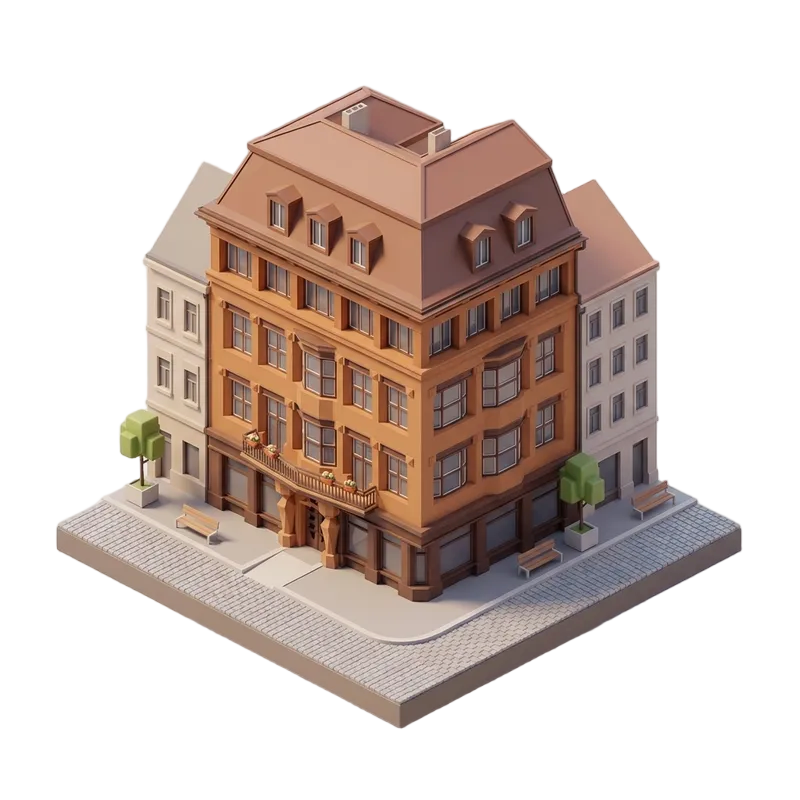
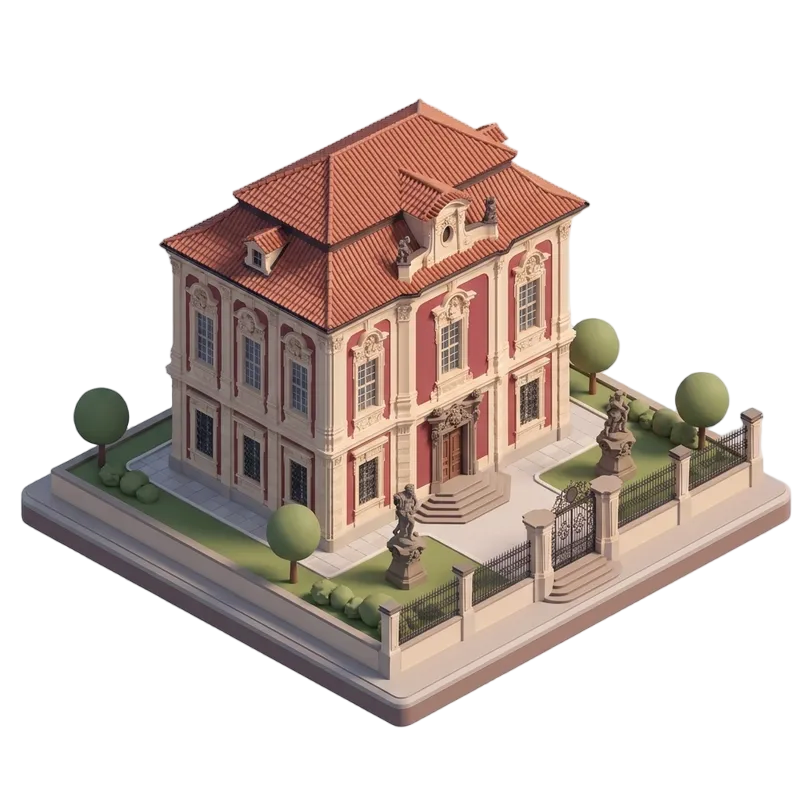
Study the angular furniture, ceramics and applied art in Gočár’s building. Look for how the same diagonal appears in a furnishing, a handle or a whole room. Begin at street level with the form of the building, then follow the permanent exhibition through the design objects, paintings and sculpture. Give a chair or desk five minutes before moving to the smaller ceramics. End with one picture and one Gutfreund sculpture or another displayed work. If you are short of time, keep the building, one piece of furniture and a ceramic as a complete comparison.

What to look for

Gočár’s street façade
Take a minute at the corner to judge how the bays and the entry frame work at pedestrian scale. The building explains why the capital’s Cubism is more than a painting style. Look for one angle you can recognise again in an object upstairs.
Furniture by Hofman, Janák or Gočár
Choose a chair, table or cabinet from the exhibit and find the points where practical contact is unavoidable: the hand, seat or base. Notice which parts remain familiar and how the sharp geometry gives the useful object an unfamiliar profile.
Faceted ceramics
Look for a small glazed object whose surfaces meet at distinct angles. Move a little and watch reflected light mark the changes of plane. This is a useful way to compare the smaller applied arts with the same search for planes in the building.
Painting and Gutfreund’s sculpture
Compare a painting by a Cubist artist such as Emil Filla or Josef Čapek with a sculpture by Otto Gutfreund if both are accessible. Where does a painter suggest a turn, and where can a sculpture make the turn literal as you walk around it?

Walk · 13 min

Getting to Museum of Decorative Arts in Prague

Follow the walking route via Celetná → Staroměstské náměstí → 17. listopadu. The mapped distance is about 1000 m, or 13 minutes on foot.

Stop 2 · 1 hr 15 min
Museum of Decorative Arts in Prague

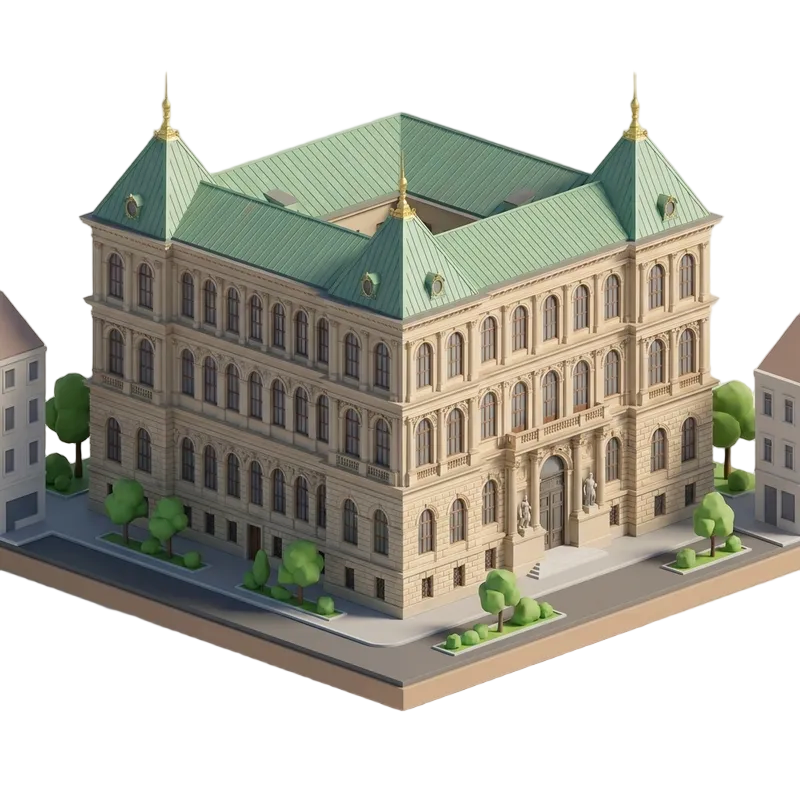
Use the main collection to broaden the comparison. Glass, metalwork and textiles show how much an object’s form depends on the material and the maker’s techniques. Begin with the permanent exhibition ART, LIFE. ART FOR LIFE. Use its organisation by experiences and places of life to choose a pair of sections rather than following every case. Give one room to objects for display and another to clothing or domestic life. If a planned section is unavailable, choose another pair designed for different ways of handling, wearing or displaying objects.

What to look for

Treasury and liturgical craft
Select one processional or ritual object in the relevant display. Read its materials and look for the places where it needs to be held, seen from afar or reflect light. Compare that encounter with the Cubist object designed to sit in a room.
The cabinet of curiosities
The permanent display uses a Renaissance collecting cabinet to ask how an arrangement makes objects meaningful. Choose a pair and see whether they were valued for workmanship, rarity or association. It explains another reason to create a striking shape.
Textiles, clothing and jewellery
Follow one garment or piece of jewellery from its outline to the clasp, seam or repeated motif. Imagine how it shifts when a wearer moves. It is a helpful contrast with the static angles of a cabinet or chair from the first museum.
Glass and the domestic interior
Find a vessel or household piece and consider how it responds to the light of a domestic room. Compare the visibility of its surface with the much more explicit edges of the Cubist ceramics. If glass is unavailable, try the same exercise with polished metal.

Walk · 14 min

Getting to Karel Zeman Museum

Follow the walking route via náměstí Jana Palacha → Mánesův most → Saská. The mapped distance is about 1000 m, or 14 minutes on foot.

Stop 3 · 1 hr 5 min
Karel Zeman Museum

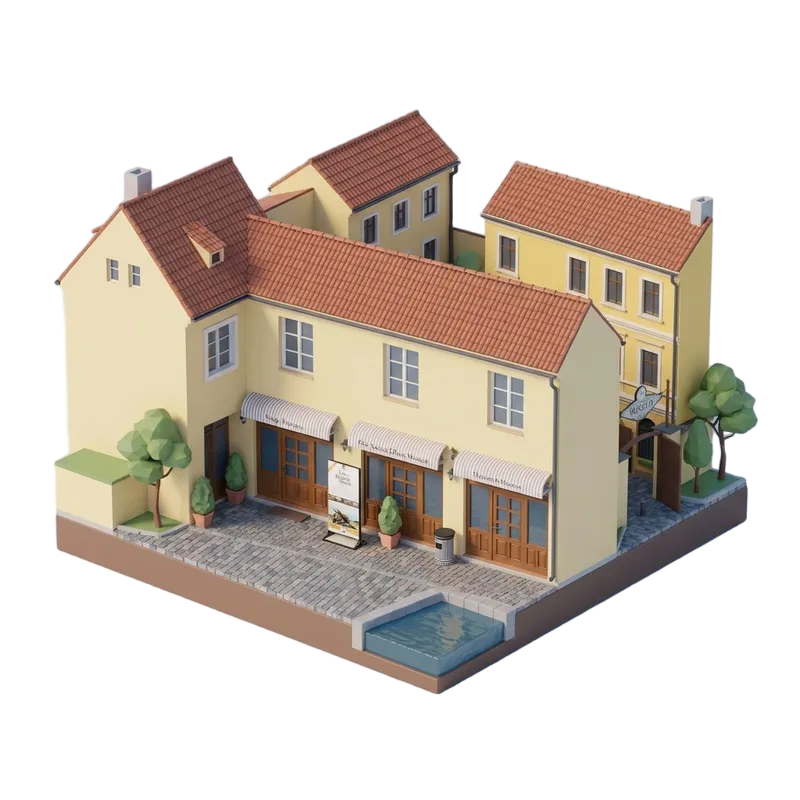
Try the camera setups and practical effects used to suggest travel or extraordinary scale. The interactive displays give children and adults something to compare with modern screen effects. Start with one film excerpt or demonstration before going to the hands-on stations. Try a set from the Jules Verne film and compare it with a second encounter from Baron Munchausen. If a queue forms, skip a repeated recording and look closely at how a detail of a set produces the effect.

What to look for

Journey to the Beginning of Time
Start with the way the museum introduces the film’s journeys through prehistoric scenes. Look for the points where an ordinary figure tells you the apparent scale of a creature or landscape. At a second station check whether that sense of size changes when the viewpoint moves.
The Jules Verne submarine
At the recreation connected with Invention for Destruction, notice how line, repeated pattern and the shape of the controls give the scene a book-illustration quality. Compare a close view with a wider camera frame to see which clues stay legible in each.
Baron Munchausen’s moon
If the moon set is available, try the viewing position the museum proposes before making your own recording. Look for the gap between what your eyes see in the room and what the narrow camera view leaves out. That difference is part of the effect.
Flying machine and frame
Try the flying machine or choose another participatory station if it is busy. Keep the device still while the performer changes position. The wider museum experience is more useful than collecting perfect photos at every effect.

Walk · 9 min

Getting to Museum Kampa

Follow the walking route via Hroznová → Kampa → U Sovových mlýnů. The mapped distance is about 660 m, or 9 minutes on foot.

Stop 4 · 1 hr 10 min
Museum Kampa

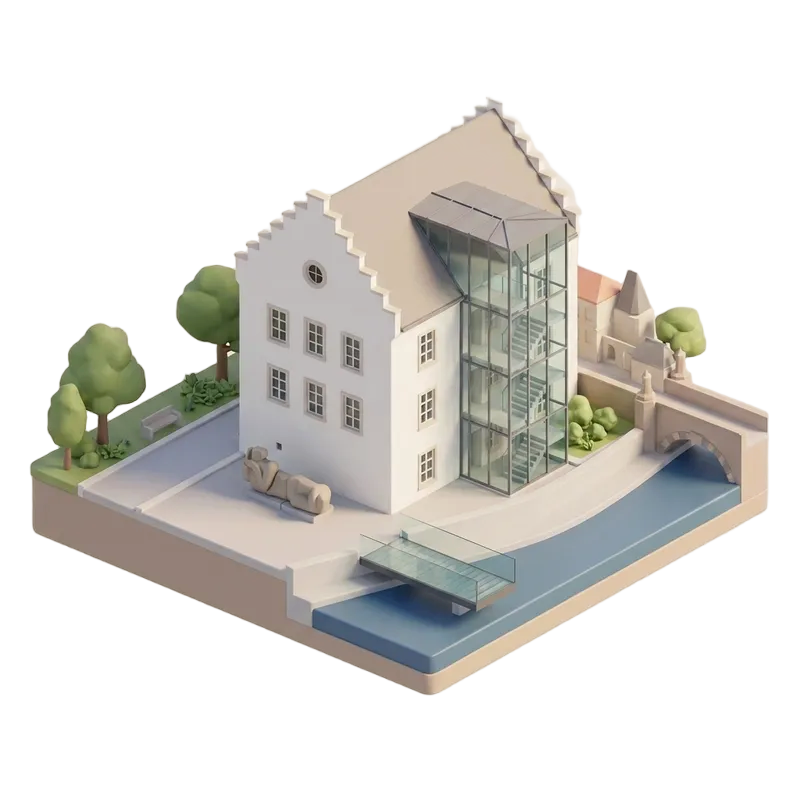
Compare František Kupka’s experiments in colour and abstraction with the sharp forms of Otto Gutfreund’s sculpture. The museum’s setting in Sovovy mlýny opens out onto the river. Begin with the chronology of Kupka’s permanent exhibition and choose one early figurative work as a reference. Move from there into the early abstract paintings and finish by comparing a sculpture if one is displayed. If the collection presentation has changed, use two works from different points in Kupka’s career to hold the same comparison.

What to look for

Amorpha, Warm Chromatic
The museum identifies this painting with a key early public exhibition of abstraction. If shown, follow where colour seems to advance or recede without a landscape creating that depth. Compare the sensation with the illusion of distance in the film setups.
The Cathedral
Notice the relationship between vertical fields and your view of the whole painting. Move back far enough to take in its structure, then approach to see what gives colour a luminous quality. If it is away, try the comparison with another early abstract canvas.
The Form of Yellow
The museum describes this as a highlight of the collection. Look at what surrounds the yellow rather than treating it as isolated colour. Ask what gives it weight or direction, and compare the effect with the repeated patterns in the Jules Verne sets.
Otto Gutfreund’s forms
Look for a work from the Mládek collection when available. Move slowly to see how a profile changes as you turn. If the sculpture is not shown, the museum’s account of collectors Meda and Jan Mládek offers another context for why this work is here.
Timing, booking and admission

Set your pace

Start at 10:00 and leave about 75 minutes for the main decorative arts building. Eat near the river before crossing to Malá Strana. Keep 65 minutes for the film museum and reach Kampa by about 15:00, with time for the collection before the evening.

What to book ahead

Check that the two UPM branches and Kampa are showing the galleries you want. At Zeman decide how many camera stations to try before moving on. Busy bridge approaches take longer than the mapped walk.

Tickets and museum passes

UPM operates the first two buildings. Compare its current ticket options for both. The Karel Zeman Museum and Museum Kampa have their own admissions.

Sources and route research

Explore Current Museum Exhibitions and Cultural Showcases in Prague
Discover Prague's rich tapestry of art, history, and cultural displays.
Uncover a world of rotating art shows and compelling museum programming throughout Prague. Engage with diverse cultural exhibitions showcasing everything from ancient artifacts to modern masterpieces.
Story of Prague Multimedia Exhibition at House at the Golden Ring
House at the Golden Ring
Permanent exhibition

Story of Prague Multimedia Exhibition at House at the Golden Ring

An interactive tech journey through eight centuries of history

Explore Prague's heritage through augmented reality, film installations, and special effects spanning three floors. This technology-driven exhibition features 160 displays that make history accessible.

Story of Prague Exhibition
Mark Dion: Cabinet of Electrical Curiosities Permanent Art Installation
Old Town Hall and Astronomical Clock
Permanent exhibition

Mark Dion: Cabinet of Electrical Curiosities Permanent Art Installation

Discover site-specific art featuring artifacts from Kunsthalle Praha's history.

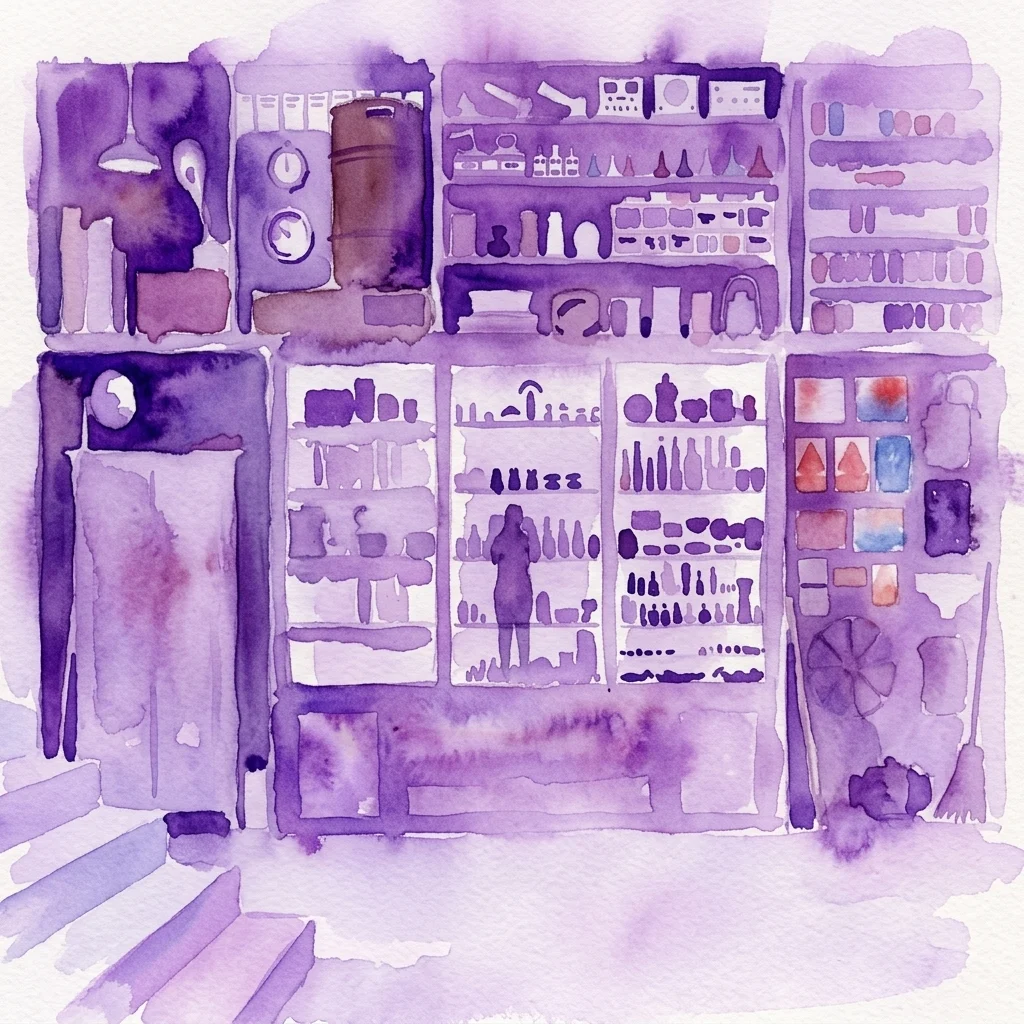
Experience Mark Dion's ongoing installation exploring the history of Kunsthalle Praha's site. See how industrial artifacts tell the story of the Zenger electrical substation's transformation into a cultural hub.

Mark Dion Exhibition
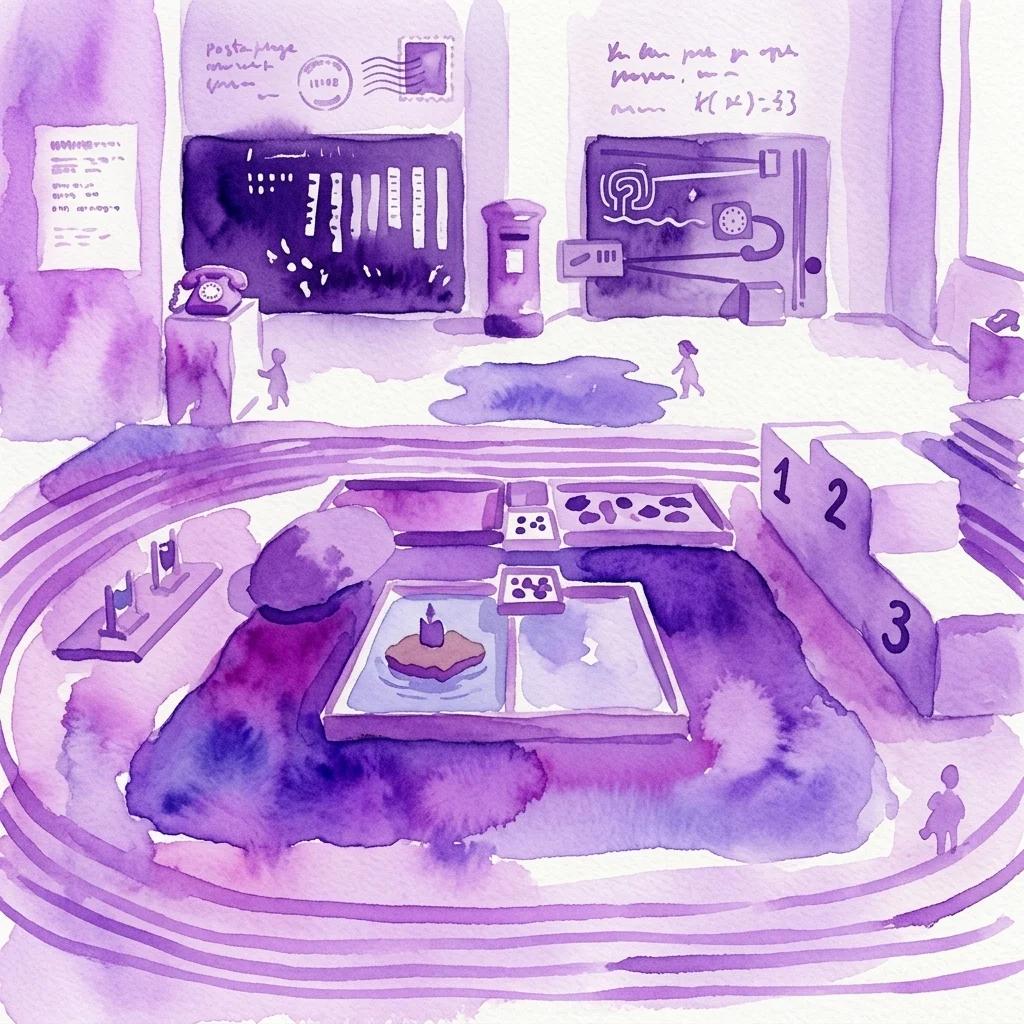
Watercolor illustration of the Children's Postal Playground, a vibrant interactive museum space with postal-themed exhibits like telephones, typewriters, and stamp printing stations for children.
Postal Museum
Permanent exhibition

The Children's Postal Playground: An Interactive Exhibition for Young Explorers

A permanent, hands-on journey into the history of postal services.

This interactive exhibition offers children a fun way to learn about postal history. Engage with vintage telephones, typewriters, and even print unique personalized stamps in a permanent play setting.

Postal Playground Exhibition
Prague

Discover All Museums in Prague: Browse the Complete Cultural Institution List

Unearth Prague's fascinating art, history, and heritage collections across the city.

Begin your cultural journey through Prague by exploring its diverse array of museums. Whether you're interested in historical exhibitions or contemporary art spaces, a full list of noteworthy institutions awaits your discovery. Plan your visits and delve into the narratives shaping the city's unique identity.