
Prague
Museum itinerary · Prague

Two Old Masters Palaces on Prague’s Hradčany Square

Follow the National Gallery from European workshops to art made for Bohemia.

Use Sternberg Palace to look across Italian, Flemish and Dutch painting. Cross Hradčany Square to Schwarzenberg Palace and see how portable styles, artists and objects reached the Prague court and the Bohemian Baroque.

Museum stops
2
Visits and transfers
2 hr 57 min
Suggested days
Tue, Wed, Thu, Fri, Sat, & Sun
Why these museums go together

This art route gives Hradčany Square a different focus. Start with Sternberg’s survey of European painting and then turn to Schwarzenberg’s selection of Renaissance and Baroque works, including artists connected to the Bohemian lands. The buildings put two historic interiors beside each other as well.

At Sternberg, place paintings in the cities and workshops that produced them: Siena and Florence, Antwerp and Amsterdam. Across the square, use Schwarzenberg to follow the movement of artists, patrons and styles into and within the Bohemian lands. Both buildings belong to the National Gallery, but the first builds a map and the second gives Prague a place within it.

ArtArchitectureHistory
Route map
© OpenStreetMap contributors

The itinerary, stop by stop

Stop 1 · 1 hr 20 min
Sternberg Palace - National Gallery Prague

Old Masters II is a broad introduction to European painting. Use the installations to compare the different schools’ handling of light, interiors and portraiture. Start in the early Italian rooms, then work toward the Dutch and Flemish paintings. Give a single still life enough time to read it from the darkest shadow to the brightest detail. Finish with Hans Raphon’s altarpiece if it is accessible and take a moment for the palace architecture. If a work is away, choose another painting from the same section.

What to look for

Italian painting before the High Renaissance
Compare areas devoted to centres such as Siena, Florence and Venice. The gallery singles out Lorenzo Monaco’s Lamentation of Christ. Look at the spacing of the mourners if it is visible, then compare the use of space with a picture from another Italian city.
Rachel Ruysch’s still life
Look for the Still Life with Flowers and Fruit. Use the brightest bloom as a starting point and follow the arrangement into shadow. If it is unavailable, try the same reading with Nicolaes Gillis’s banquet picture or another northern still life.
Hans Raphon’s Passion retable
Examine how the separate parts help establish the order of a large religious story. A retable can ask you to move your attention in stages. Use it to compare what a frame does with what colour does in a single canvas.
Pickenoy or Mignard portrait
Compare the pose and costume of a portrait by Nicolaes Eliasz. Pickenoy or Pierre Mignard if visible. Ask what the sitter has been given to communicate status: gesture, cloth, surrounding space or eye contact. Keep one observation for the second palace.

Walk · 7 min

Getting to Schwarzenberg Palace - National Gallery Prague

Return to Hradčany Square and cross to the Schwarzenberg courtyard entrance. Budget about 400 m including the two palace approaches. The mapped approach includes steps.

Stop 2 · 1 hr 30 min
Schwarzenberg Palace - National Gallery Prague

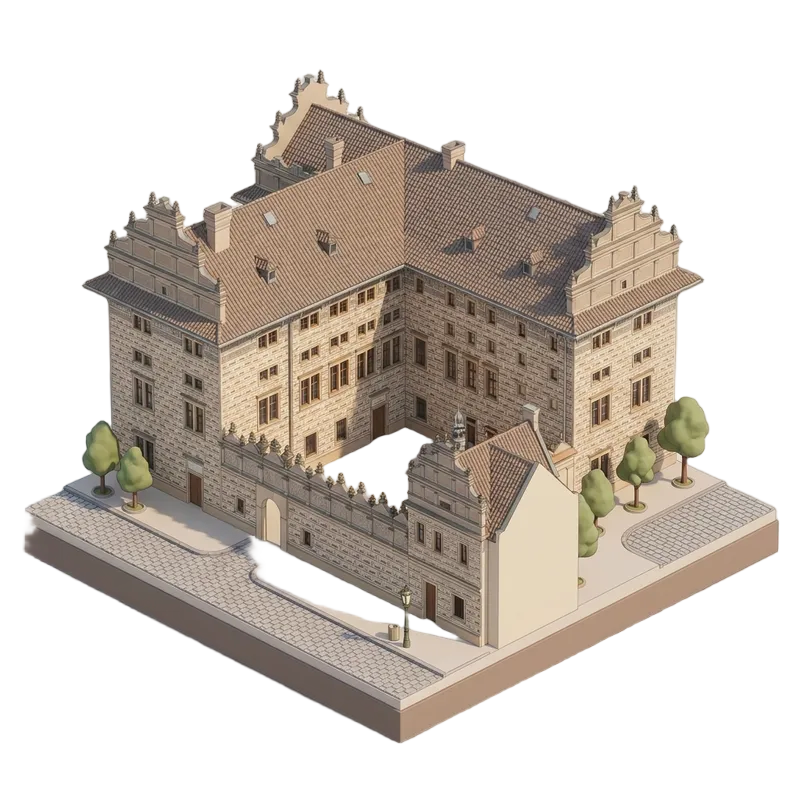
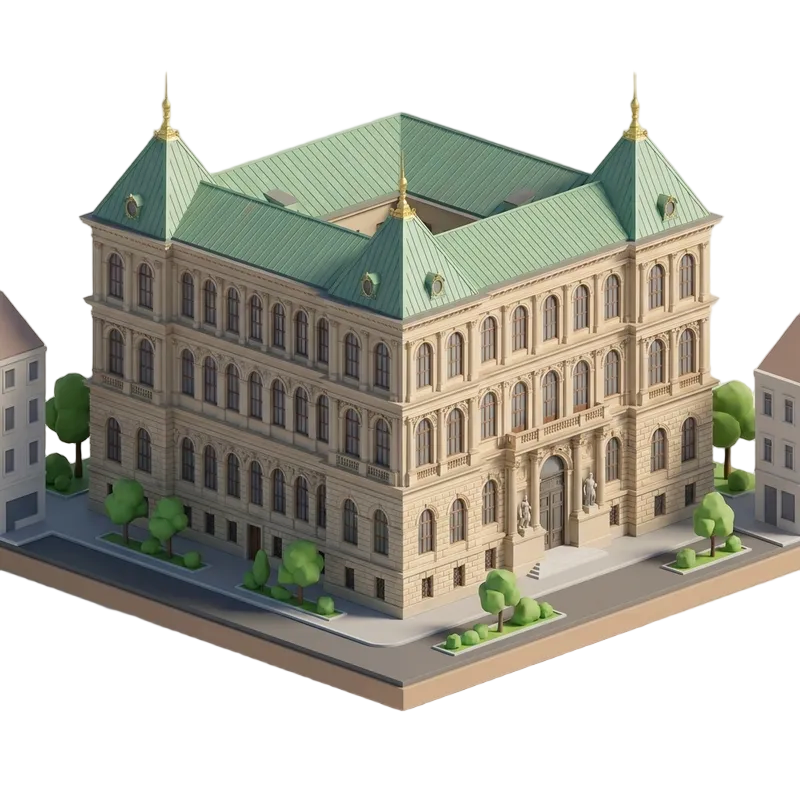
Follow the Renaissance and Baroque galleries, looking for the theatrical lighting of works by Petr Brandl and the distinct approaches to character in the portraits and religious scenes. Read the palace façade from the square, then use the permanent Old Masters I exhibition to find one Renaissance panel and one work connected with Rudolf II’s court. Give the final half hour to the Bohemian Baroque. Ask at the entrance about loaned works and keep the graphic cabinets optional, as their displays can change.

What to look for

Dürer’s Feast of the Rose Garlands
When this painting is available, begin with the central group and trace how the surrounding figures turn toward it. The gallery connects it with Rudolf II’s collecting. If it is away, use another work tied to that court as your Renaissance comparison.
Rubens and the Baroque figure
Look for The Martyrdom of Saint Thomas or a different multi-figure Baroque painting. Track the direction set by a single gesture and see how other figures reinforce or interrupt it. Compare the crowded image with the portrait you saw at Sternberg.
Rudolfine painting and sculpture
Use Hans von Aachen or Bartholomaeus Spranger and a sculpture by Adriaen de Vries if the display allows. Compare how a pose is set up in paint and in the round. Prague’s court attracted artists trained in different places, which is useful context for the mix you see.
Petr Brandl and the Bohemian Baroque
In the Baroque section, choose a working comparison between a Brandl painting and either Karel Škréta or a sculpture by Matthias Bernard Braun. Note where the strongest illumination falls and what has to happen in the darker area to make the scene intelligible.
Timing, booking and admission

Set your pace

Start around 10:00 or early afternoon. Choose a handful of works in each palace and let the walk across the square serve as a short break. Enter Sternberg near 10:00 and move on around 11:20. With the courtyard crossing and a small margin, aim for Schwarzenberg between 11:25 and 11:35. Ninety minutes there puts you outside near 13:00. If you start late, choose one school and one altarpiece in Sternberg, then keep a single Prague-related section at Schwarzenberg.

What to book ahead

Buy the joint Old Masters I and II ticket at one of the gallery desks if it matches your plans. The two palace shows have their own admissions, separate from a visit to the main castle monuments. Check the exhibitions and any return conditions before adding the castle to the same block.

Tickets and museum passes

The National Gallery lists a combined Old Masters I and II ticket sold at the palace ticket counters. Check that product before purchasing separate tickets or a castle circuit.

Sources and route research

Explore Current Museum Exhibitions and Cultural Showcases in Prague
Discover Prague's rich tapestry of art, history, and cultural displays.
Uncover a world of rotating art shows and compelling museum programming throughout Prague. Engage with diverse cultural exhibitions showcasing everything from ancient artifacts to modern masterpieces.
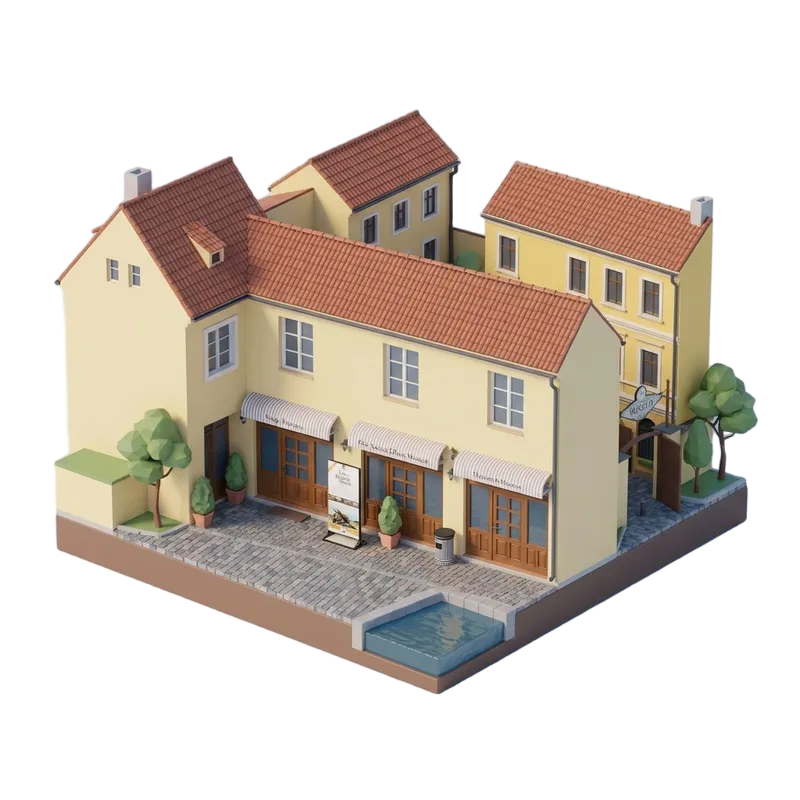
Story of Prague Multimedia Exhibition at House at the Golden Ring
House at the Golden Ring
Permanent exhibition

Story of Prague Multimedia Exhibition at House at the Golden Ring

An interactive tech journey through eight centuries of history

Explore Prague's heritage through augmented reality, film installations, and special effects spanning three floors. This technology-driven exhibition features 160 displays that make history accessible.

Story of Prague Exhibition
Mark Dion: Cabinet of Electrical Curiosities Permanent Art Installation
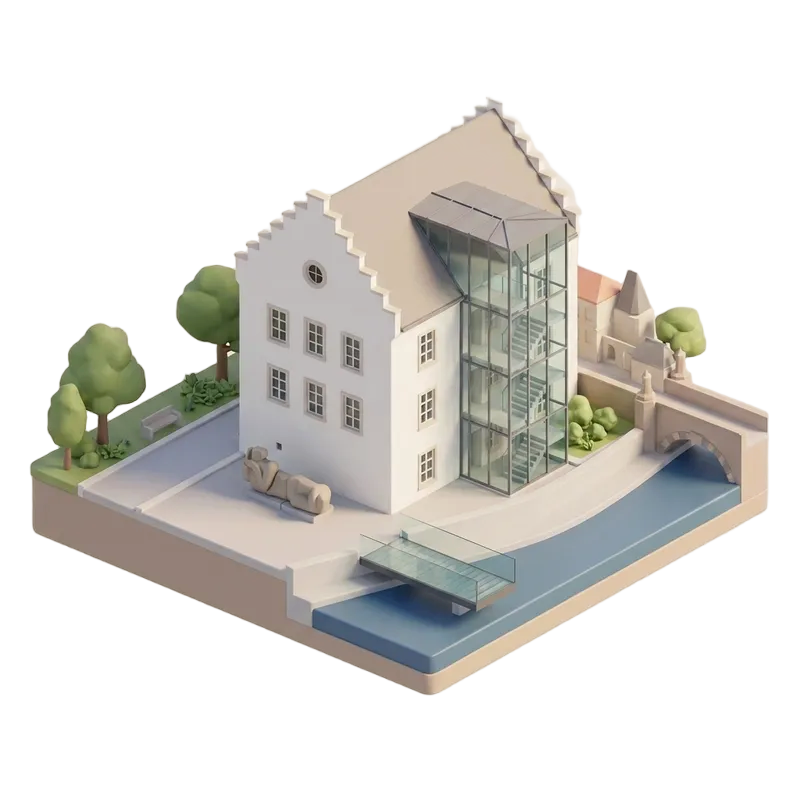
Old Town Hall and Astronomical Clock
Permanent exhibition

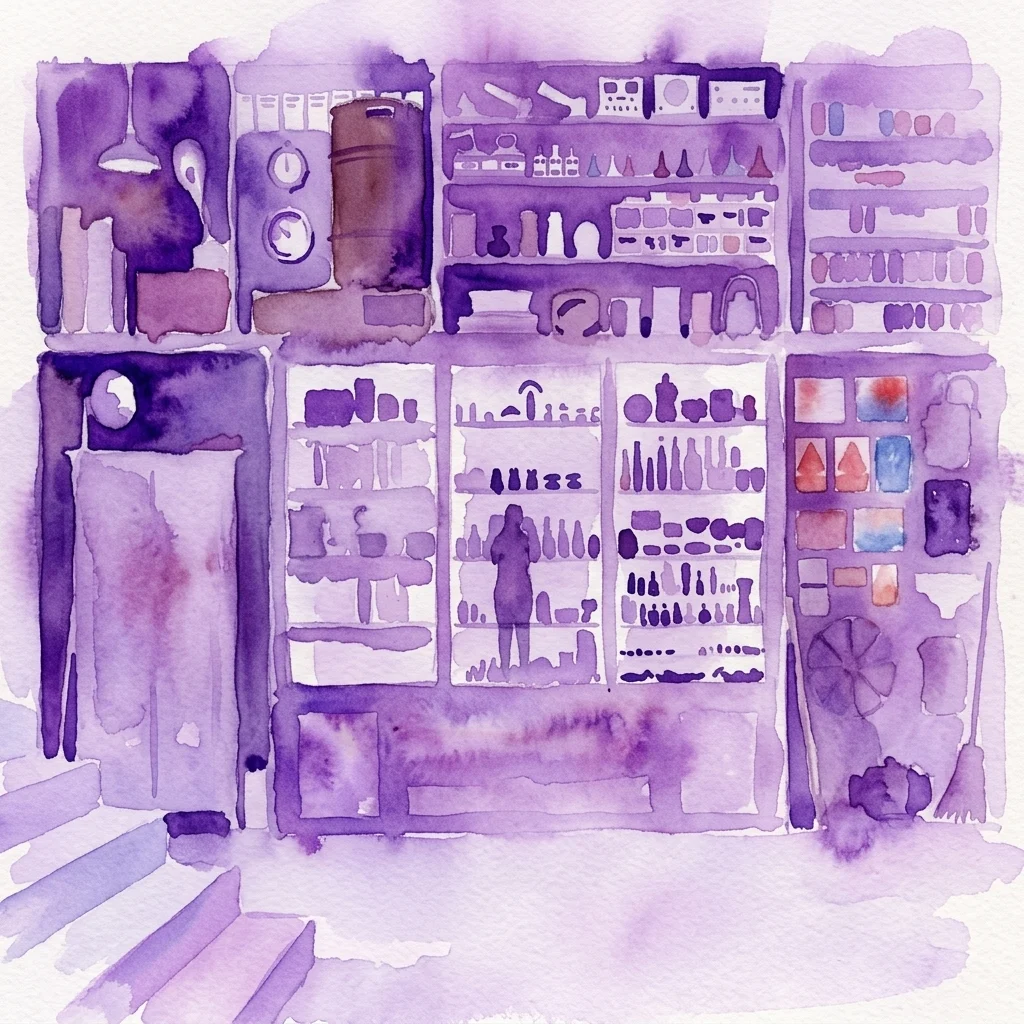
Mark Dion: Cabinet of Electrical Curiosities Permanent Art Installation

Discover site-specific art featuring artifacts from Kunsthalle Praha's history.

Experience Mark Dion's ongoing installation exploring the history of Kunsthalle Praha's site. See how industrial artifacts tell the story of the Zenger electrical substation's transformation into a cultural hub.

Mark Dion Exhibition
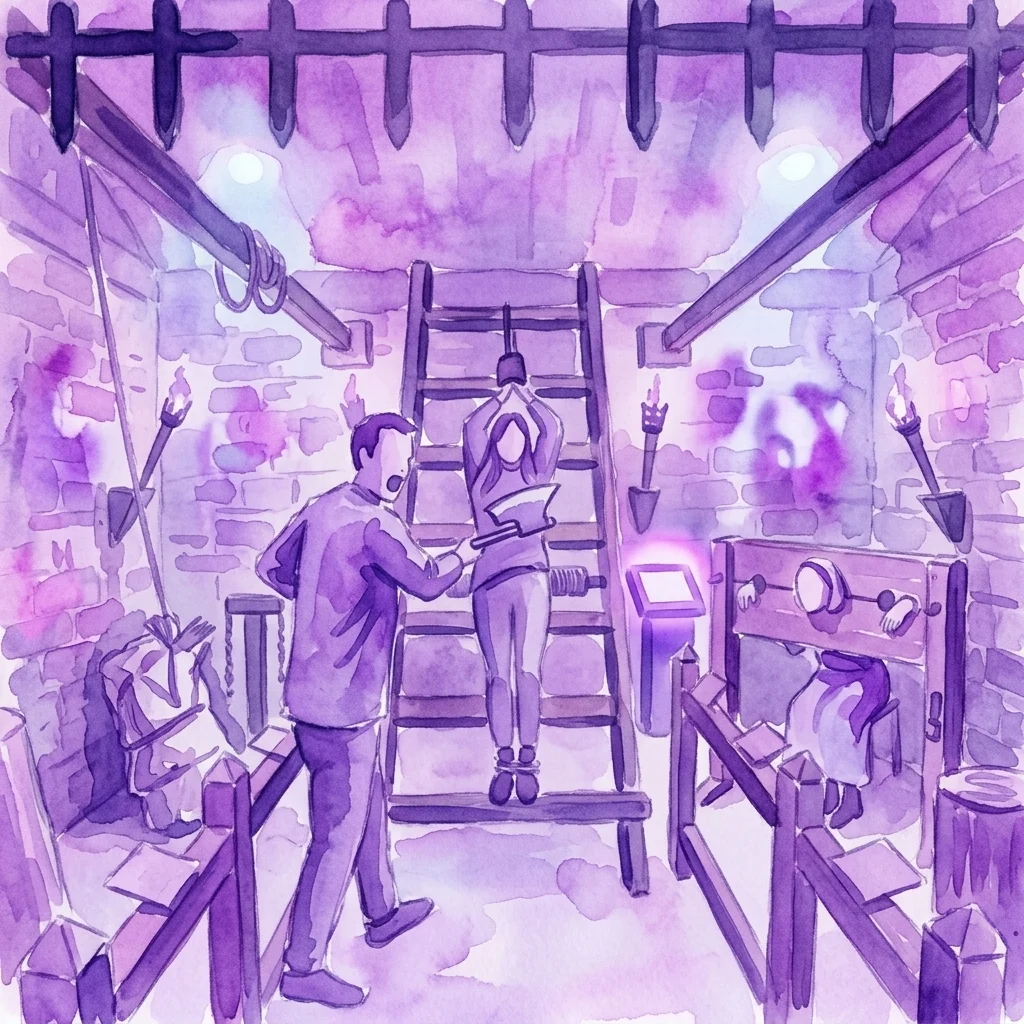
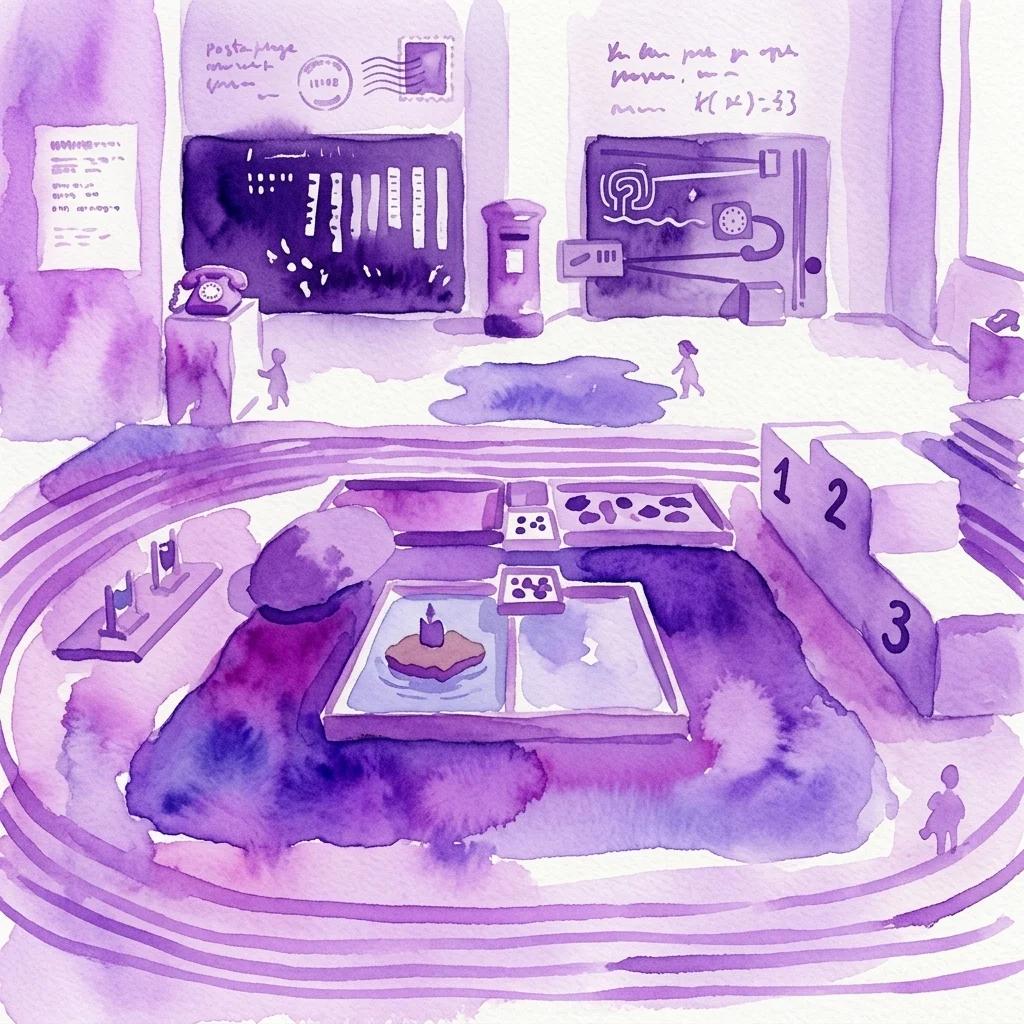
Watercolor illustration of the Children's Postal Playground, a vibrant interactive museum space with postal-themed exhibits like telephones, typewriters, and stamp printing stations for children.
Postal Museum
Permanent exhibition

The Children's Postal Playground: An Interactive Exhibition for Young Explorers

A permanent, hands-on journey into the history of postal services.

This interactive exhibition offers children a fun way to learn about postal history. Engage with vintage telephones, typewriters, and even print unique personalized stamps in a permanent play setting.

Postal Playground Exhibition
Prague

Discover All Museums in Prague: Browse the Complete Cultural Institution List

Unearth Prague's fascinating art, history, and heritage collections across the city.

Begin your cultural journey through Prague by exploring its diverse array of museums. Whether you're interested in historical exhibitions or contemporary art spaces, a full list of noteworthy institutions awaits your discovery. Plan your visits and delve into the narratives shaping the city's unique identity.