Exploring Commercialization and Identity with Puffin Shop at The Living Art Museum in Reykjavík
The Living Art Museum recently offered visitors a rare look behind the scenes of its archival practices through the exhibition New Acquisitions: Received, Remade, Replaced. Curated by Jenny Barrett, the exhibition highlighted the practical and ethical dilemmas of maintaining, repairing, and preserving contemporary art collections. Among the works featured was a striking installation by Icelandic artist Hulda Rós Guðnadóttir that has drawn fresh critical commentary from recent art theory graduate and museum intern Denica Perková.
Examining Souvenir Culture and Icelandic Identity
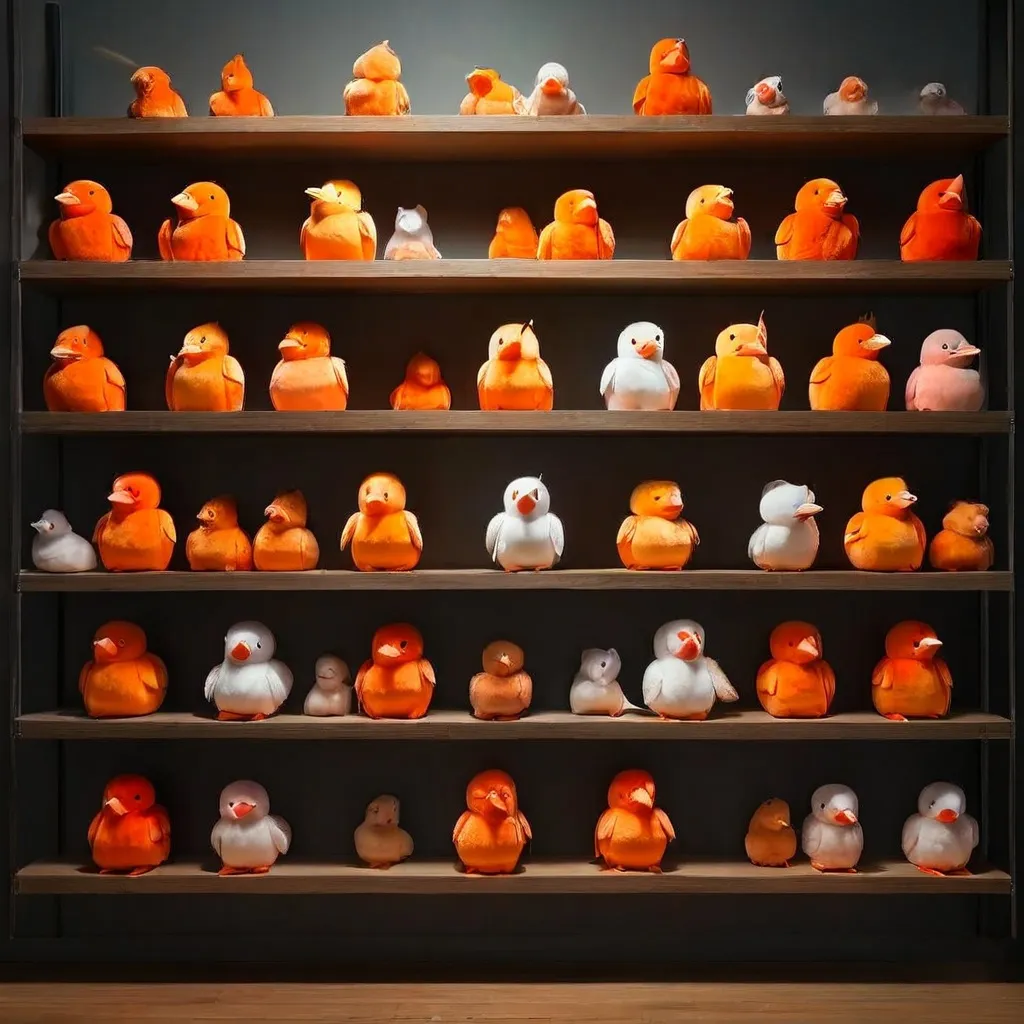
Titled Puffin Shop, the installation features thousands of mass-produced plush puffins arranged meticulously on triangular IKEA shelving units. The geometric arrangement mirrors the aesthetic of retail souvenir displays while symbolizing the foundational pillars of the local economy: fishing, tourism, and the arts.
The artwork traces how a native North Atlantic seabird has transformed from a living creature into an omnipresent commercial emblem found across Reykjavík. Through a shifting soundscape crafted by Joseph Marzolla—incorporating deconstructed texts, actual bird calls, and choral arrangements—the installation confronts viewers with the commercialization of nature and questions whether modern audiences retain any connection to the living animal behind the souvenir.
The Evolution of the Puffin in Contemporary Art
Hulda Rós’s engagement with the puffin motif spans nearly two decades, shifting from early performative explorations of cultural stereotype to more somber reflections on commercialized harbors. In Puffin Shop, the transformation reaches its apex, framing the mass-produced object as both a symbol of kitsch and a poignant reminder of ecological pressures facing declining bird populations.
To discover more contemporary art spaces and upcoming exhibitions across the city, you can explore the museums list or browse the interactive map view. You can also plan your cultural itinerary on Musemap (musemap.art).