
Strasbourg
Museum itinerary · Strasbourg

Aubette 1928 and Modern Art on Strasbourg’s Riverfront

Walk from the geometric interiors of Place Kléber to the modern art museum by the Ill.

Begin in Aubette 1928, where colour crosses the walls and ceiling of a former entertainment complex. Follow the old-town streets to MAMCS to compare those interiors with a painting or sculpture.

Museum stops
2
Visits and transfers
2 hr 42 min
Suggested days
Wed, Thu, Fri, & Sat
Why these museums go together

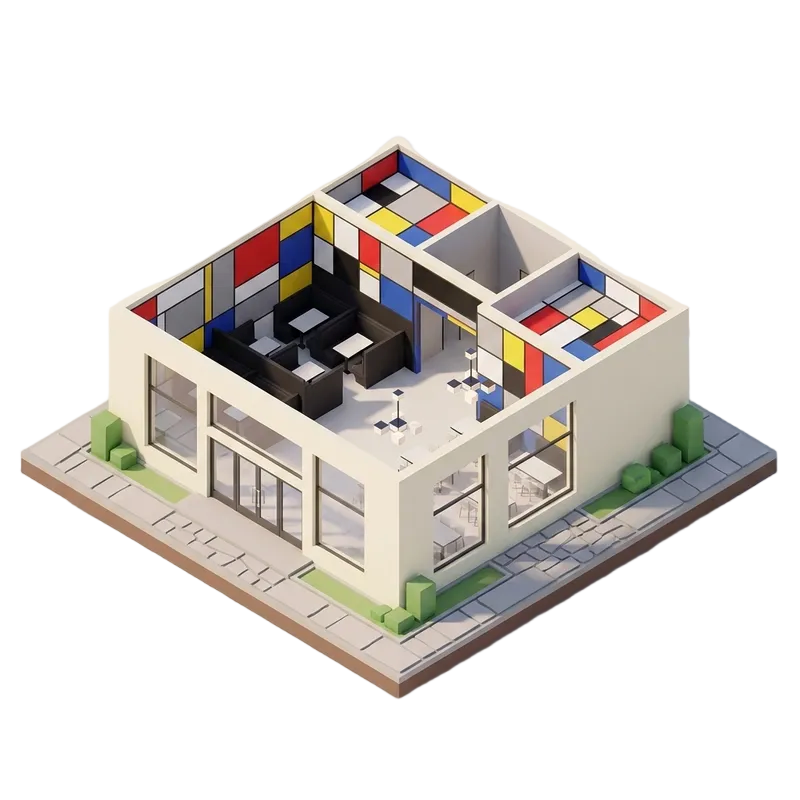
Begin with colour and geometry across entire rooms at Aubette 1928. Then cross toward the modern art museum and look for how similar experiments appear in individual objects, pictures and installations. The pairing turns Strasbourg’s interwar design heritage into something you can compare at two scales.

Aubette is the place to see what happens when artists use an entire entertainment interior as their material. At MAMCS, move from rooms back to individual artworks and notice which effects survive at a smaller scale. The short riverside transfer helps make the shift from moving within an artwork to standing in front of one.

ArtArchitectureDesign
Route map
© OpenStreetMap contributors

The itinerary, stop by stop

Stop 1 · 45 min
Aubette 1928

Examine the restored interiors associated with Theo van Doesburg, Jean Arp and Sophie Taeuber-Arp. In the Ciné-dancing, follow how geometry reorganises the edges of the room. Follow the open route upstairs and begin with one room at a time. Try the Ciné-dancing from two positions before comparing another ballroom or the bar. Include the restored stair if accessible. Where a room is unavailable, observe how the corners, ceilings and paths function in one open interior rather than treating the missing room as essential.

What to look for

Ciné-dancing
Stand near an entrance and follow one diagonal until it meets a wall edge. Move to the other side and see whether it still gives you the same direction. The room makes it possible to see architecture and an abstract composition working together.
The ballroom
Compare how the geometry relates to movement in this room and in the cinema space. Look away from the centre to the room edges and entrances. The contrast is useful even without knowing all the artists’ names.
The foyer bar
At this change of scale, pay attention to the patterns you can see from close range. Compare how a place to pause differs from a place for a whole audience. The room adds an everyday use to the artistic experiment.
Staircase and restoration
Look at the staircase as a link between rooms rather than only as access. The museum describes separate phases of classification and restoration. Read one wall text there to distinguish the historic design from how it was made visible again.

Walk · 17 min

Getting to Strasbourg Museum of Modern and Contemporary Art

Walk about 1.2 km west via Rue du Vieux Marché aux Vins and Pont National. Continue toward Place Hans-Jean-Arp and use the museum entrance by the river.

Stop 2 · 1 hr 40 min
Strasbourg Museum of Modern and Contemporary Art

Use the collection to look for the legacy of Arp and Taeuber-Arp among broader French and European modernism. Display schedules vary, so use the current museum map to see what is available. Use the permanent collection route to choose one older work and one closer to the avant-garde. Give an Arp-related display time if available, then find a more recent work in another medium. If neither Arp nor Taeuber-Arp is shown, compare geometry or scale in two available objects instead. Leave the museum with one connection to a specific Aubette room.

What to look for

Arp and Sophie Taeuber-Arp
When displayed, find a work by either artist as a direct link to Aubette. Compare the joins between planes, or the space around a sculpture, with the entire rooms you have just visited. If these artists are away, ask staff for an abstraction with a similar formal problem.
Doré’s Christ Leaving the Praetorium
If this large work is available, begin far back and follow where figures direct your attention. Step closer for one detail. It gives a contrasting use of scale: an ambitious scene controlled from the canvas rather than by surrounding painted walls.
Kandinsky or another abstraction
Choose an available abstraction from the collection and read its colour or line from one edge to another. Identify whether the painting controls distance as strongly as the decoration in Ciné-dancing. Use the museum’s current route rather than assuming a fixed gallery for a given work.
Contemporary installation and the riverfront
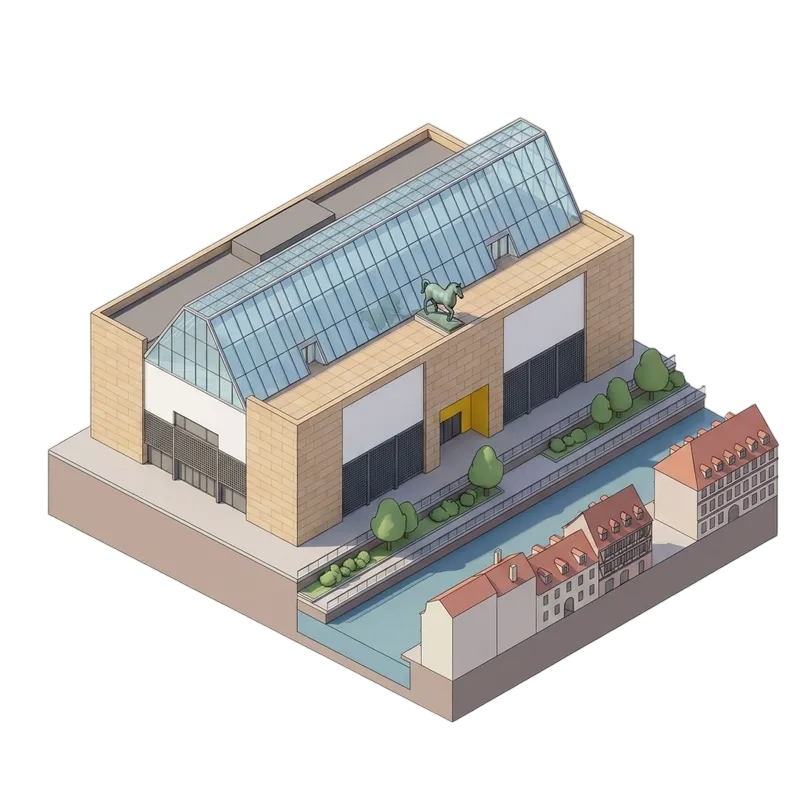
Use a current contemporary room for a final comparison. Where does your body have to be for the work to make sense? Outside, look at the long glass-fronted building by the Ill and consider the difference between its exposed frontage and the discreet Aubette entrance.
Timing, booking and admission

Set your pace

Start at 14:00, when Aubette normally opens Wednesday to Saturday. Leave at least 90 minutes at MAMCS rather than trying to cover every room. Start at Place Kléber near 14:00, allow forty-five minutes inside and aim for MAMCS around 15:05–15:10. A hundred minutes takes you to around 16:45, with room for a short pause at the river. If starting late, keep the Ciné-dancing at Aubette and choose one modern and one contemporary gallery at the second venue.

What to book ahead

Confirm both calendars before starting, especially Aubette’s limited open afternoons and the second museum’s special closures or exhibition installations. Aubette is free. If your main reason to visit MAMCS is a particular artist, ask what is actually on view before choosing the whole-city pass over a single ticket.

Tickets and museum passes

Aubette is listed as free. Check MAMCS admission or use a municipal pass if you are visiting further city museums.

Sources and route research

Explore Art and Cultural Exhibitions in Strasbourg Museums
Diverse programming showcasing historical, artistic, and modern thematic collections.
Navigate through curated displays and cultural programs hosted by local institutions. These venues frequently present rotating art exhibitions in Strasbourg that offer deep insights into local heritage and international artistic movements.
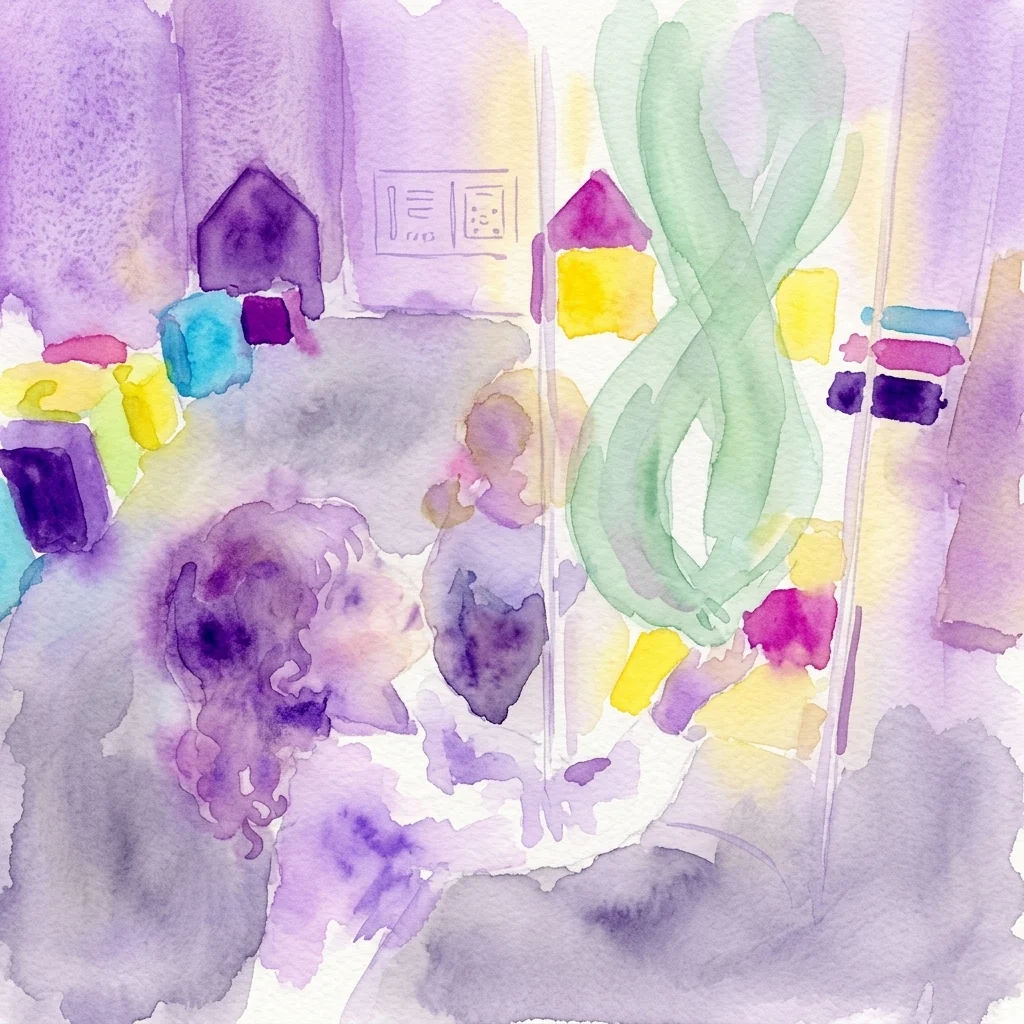
Children playing inside a colorful indoor play space featuring modular mini-houses, scattered foam blocks, and a large green twisted climbing rope.
Le Vaisseau
Permanent exhibition

The Playhouses at Le Vaisseau: Interactive Exhibition for Children

Explore physical and motor skill development through hands-on free play.

Children aged 3 to 6 can discover themed houses featuring sound-producing steps, tactile surfaces, and cog walls. This exhibition supports child-led exploration and independent movement to foster confidence and curiosity.

The Playhouses
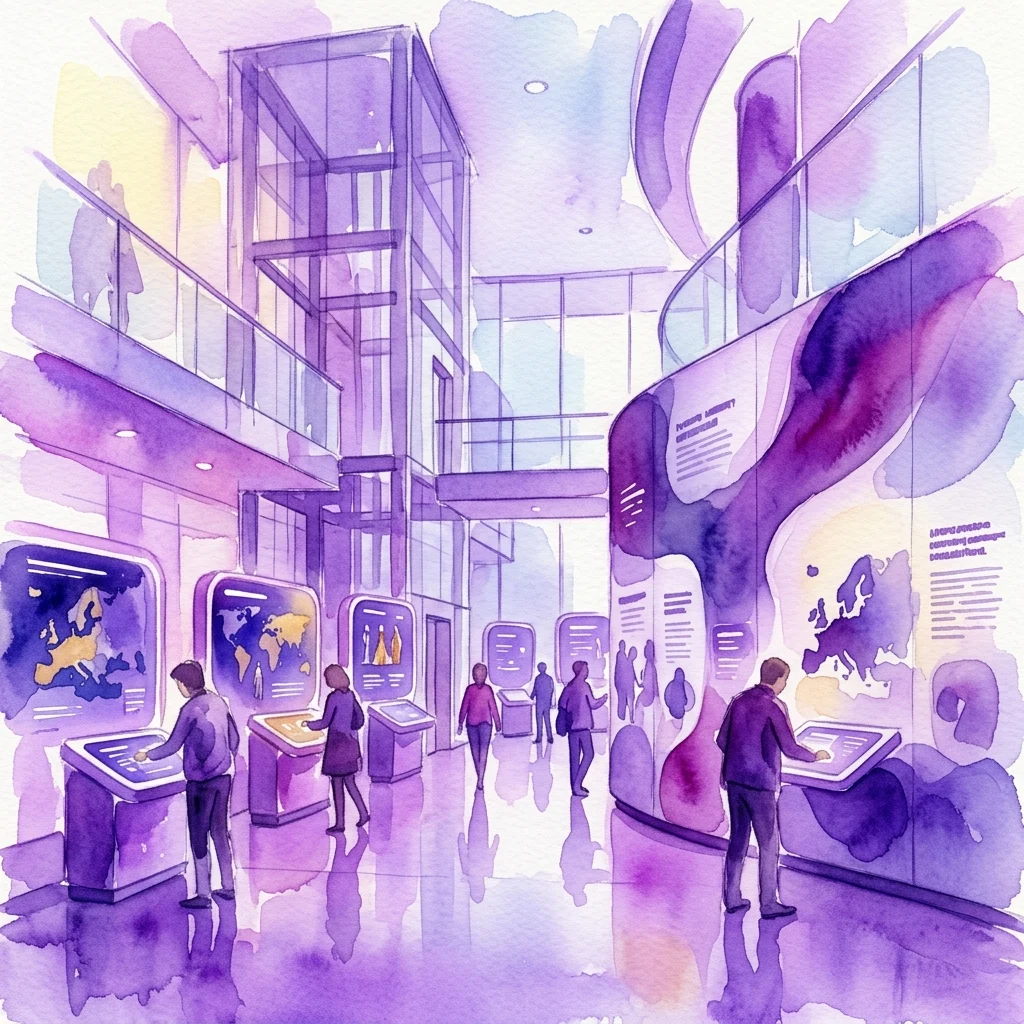
Watercolor rendering of the Parlamentarium Simone Veil interior, showing visitors engaging with digital interactive displays and European map panels in a modern multi-level exhibition space.
European Parliament Strasbourg Visitor Experience
Permanent exhibition

The Parlamentarium Simone Veil at the European Parliament in Strasbourg

Interactive exhibit on EU history and legislative processes.

Visit this permanent exhibition to understand the functions of the European Parliament. The space features displays on the legislative process and celebrates the legacy of Simone Veil.

Parlamentarium Simone Veil
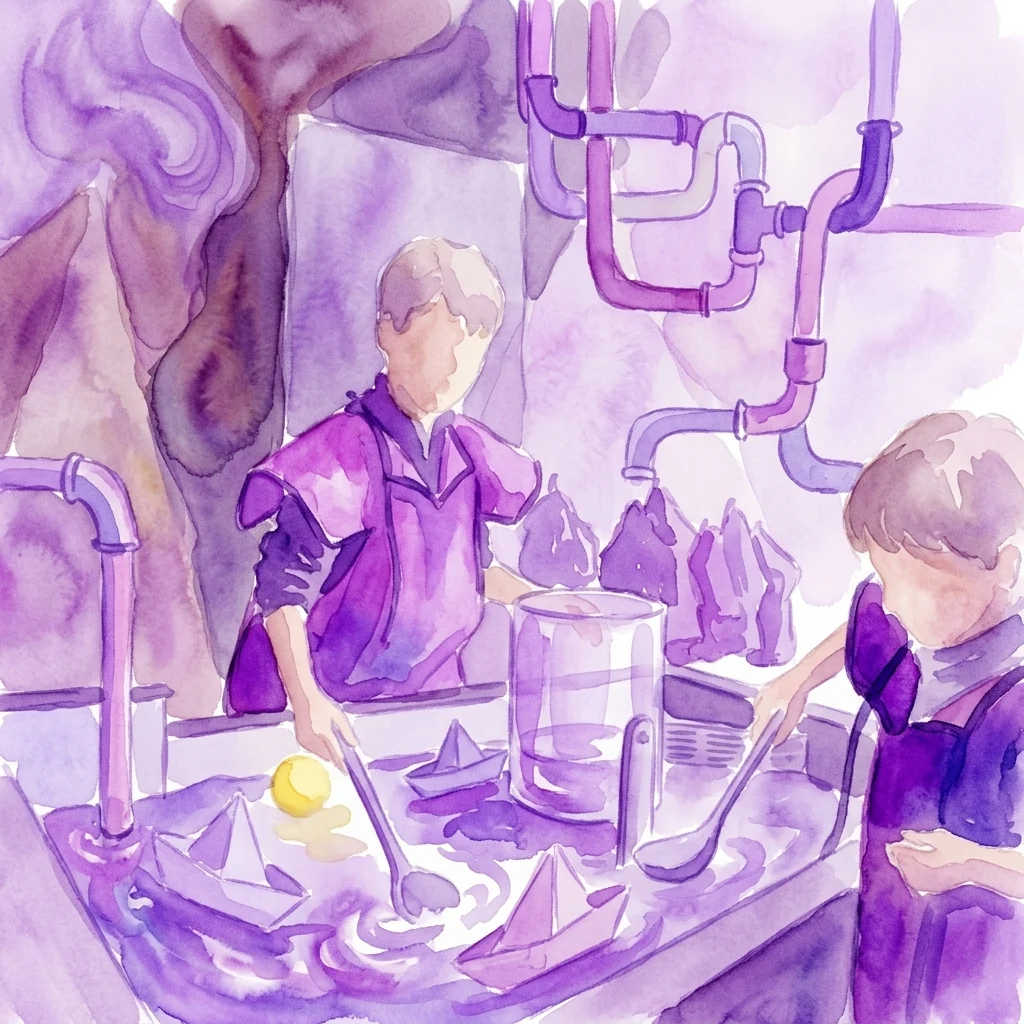
Watercolor illustration of two children playing at an interactive water exhibit with purple pipes, floating origami boats, and flowing channels.
Le Vaisseau
Permanent exhibition

The Oasis: Hands-on Water Physics Exhibition at Le Vaisseau

A permanent sensory exploration of aquatic science for all ages.

Engage with water properties through interactive stations that encourage problem-solving and play. Visitors can explore buoyancy and fluid motion in this unique, hands-on scientific environment.

The Oasis Exhibition
Strasbourg

Explore Diverse Museums and Cultural Institutions Across Strasbourg

A guide to the rich heritage and artistic venues in Strasbourg.

Uncover the intellectual and creative history of the region through a variety of permanent collections. From Gothic architecture to fine art galleries, find places that spark curiosity and provide deep insight into Alsatian life.