
Strasbourg
Museum itinerary · Strasbourg

Tomi Ungerer’s Drawings and Strasbourg from Above

From the lines of an illustrator to the streets of the city’s historic relief map.

At Villa Greiner, follow the lines Ungerer used in books, satirical drawings and posters as featured in the current display. At the Historical Museum, look for familiar landmarks on the 1727 relief map.

Museum stops
2
Visits and transfers
3 hr
Suggested days
Tue, Wed, Thu, Fri, Sat, & Sun
Why these museums go together

Start at Villa Greiner to see how one of Strasbourg’s best-known illustrators played with perspective and visual storytelling. Follow the streets into the old town and visit the Musée Historique. Its model of the fortified city turns the technique of looking from above into a way to understand the city itself.

Ungerer’s illustrations and the city history collection both ask how an image tells you what to see. A poster gives a message almost instantly; a picture book distributes information across pages. The relief model at the Historical Museum uses physical scale and elevation to tell another kind of story. Look for what is emphasised and what stays outside the frame in both places.

ArtHistoryLocal heritage
Route map
© OpenStreetMap contributors

The itinerary, stop by stop

Stop 1 · 1 hr 10 min
Tomi Ungerer Museum – International Illustration Centre

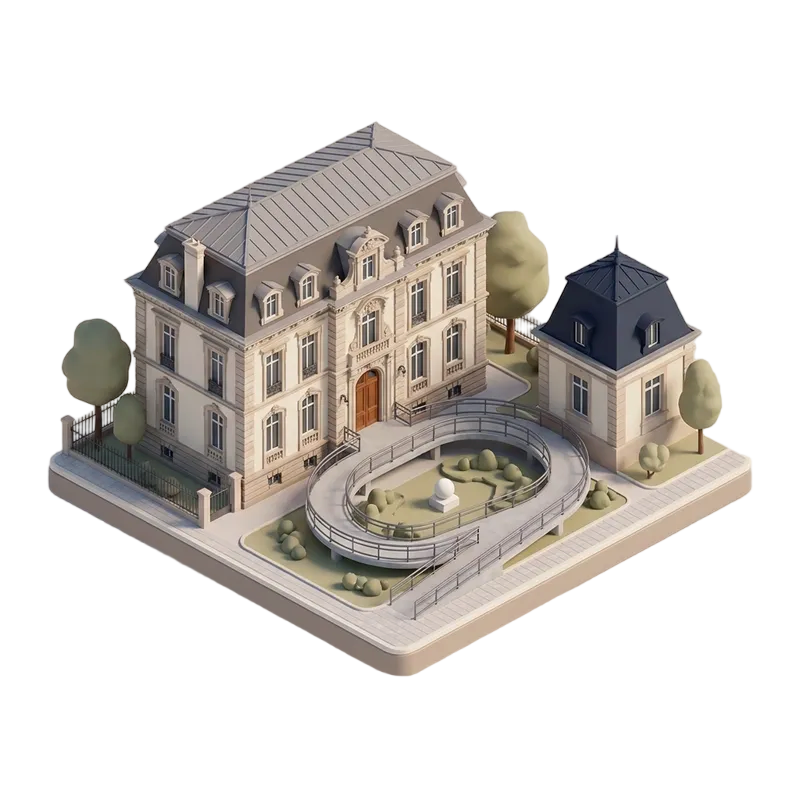
Explore the illustration on view in Villa Greiner, comparing the economy of line in a drawing with the visual argument of a poster or picture-book sequence. Begin with the children’s illustration or earliest accessible material, where it is useful to read an image as part of a sequence. Compare it with a poster or satirical drawing. Use the museum’s digital selection if offered rather than chasing a particular sheet. If visiting with children, check with staff which portions of the current hanging are suitable before taking the garden-level route.

What to look for

Les Trois Brigands and children’s books
If an illustration from Les Trois Brigands is available, start with how you recognise a figure by silhouette and spacing. If absent, choose another picture-book series. The key comparison is how an illustrator divides action among separate pages.
Advertising graphics
Choose a poster and try to guess what it is meant to do before reading its text. Notice whether the eye goes to a single figure, lettering or empty space first. The museum’s collection includes Ungerer’s advertising work, though the selection rotates.
Satire and political images
Look for a work in the satire or political poster material appropriate to your group, and identify which detail carries the point. In one image a small change of scale or gesture can overturn the first reading. Read the historical context after noticing that change.
Villa Greiner and the collection screen
The nineteenth-century house gives a domestic scale to the drawings. Look for the digital selection described in the museum’s visitor material if it is accessible. It can show other parts of the collection when paper is in storage or a work is out on loan.

Walk · 15 min

Getting to Strasbourg Historical Museum

Walk about 1 km via the streets around Place Saint-Étienne toward the Ill, then follow the old town bank to the museum on Rue du Vieux-Marché-aux-Poissons. The mapped route includes a short stepped approach near the destination.

Stop 2 · 1 hr 35 min
Strasbourg Historical Museum

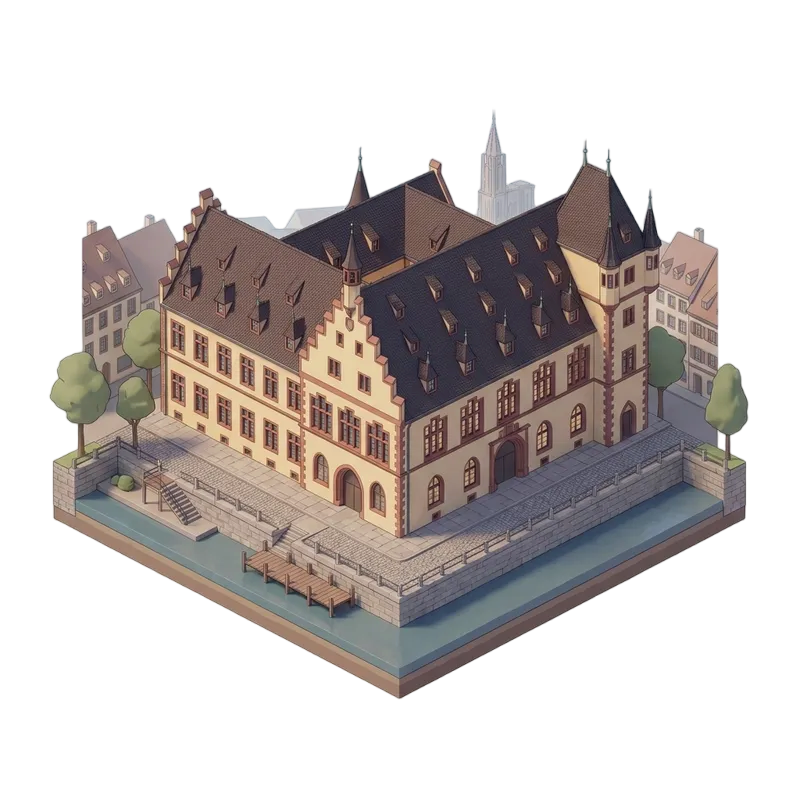
The former municipal slaughterhouse now houses the city’s story. Spend time with the 1727 relief model and look for the routes and rivers you have just encountered at street level. Start with a short look at the former butchers’ building and use the lower collection to see how the city traded, governed or produced texts. Then go to the first-floor relief model and look for the waterways and outline of the fortified city. Finish with the later galleries if time remains. With a short visit, keep one printed object downstairs and the model upstairs.

What to look for

Printing and Gutenberg’s Strasbourg years
The museum sets Gutenberg’s time in the city alongside the spread of printing and religious change. Find an available printed object, portrait or interpretation. Compare how reading a caption in a museum differs from how print distributed ideas in a growing city.
The 1727 relief model
Find the first-floor model commissioned by Louis XV. Locate a waterway or street relationship you noticed during the walk and then follow the fortifications toward the edges. Use the elevation to understand how much of the city’s defence an ordinary street view hides.
A civic image
Choose a banner, costume or portrait that represents a group or city institution. Look at which signs make that role visible at a distance. It extends your comparison with Ungerer’s posters, where a quick visual reading changes what the text can do.
The later city and Europe
If time allows, pick one modern object or interpretation around the city’s civic life and European institutions. Compare the subject’s scale with the fortified 1727 model. If time is short, end at the model and look back at the modern street on the way out.
Timing, booking and admission

Set your pace

Start around 14:00 on days with a museum lunch closure. Allow longer in the history museum if the model and city development are your priorities. Start at 14:00 after any midday closure, spend seventy minutes at Villa Greiner and aim for the Historical Museum around 15:25–15:30. Ninety-five minutes puts you near a 17:00 finish. If the first display runs long, protect entry to see the model and one other section rather than rushing through the whole city chronology.

What to book ahead

Check Tomi Ungerer’s current hanging. Paper rotates and the thematic areas can change, so do not buy on the assumption that one particular drawing is out. Consult the municipal timetable for the second venue and keep the route separate from any event or guided slot in one of the buildings.

Tickets and museum passes

Both museums belong to the city museum network. Compare current individual tickets with the day pass, including applicable concessions.

Sources and route research

Explore Art and Cultural Exhibitions in Strasbourg Museums
Diverse programming showcasing historical, artistic, and modern thematic collections.
Navigate through curated displays and cultural programs hosted by local institutions. These venues frequently present rotating art exhibitions in Strasbourg that offer deep insights into local heritage and international artistic movements.
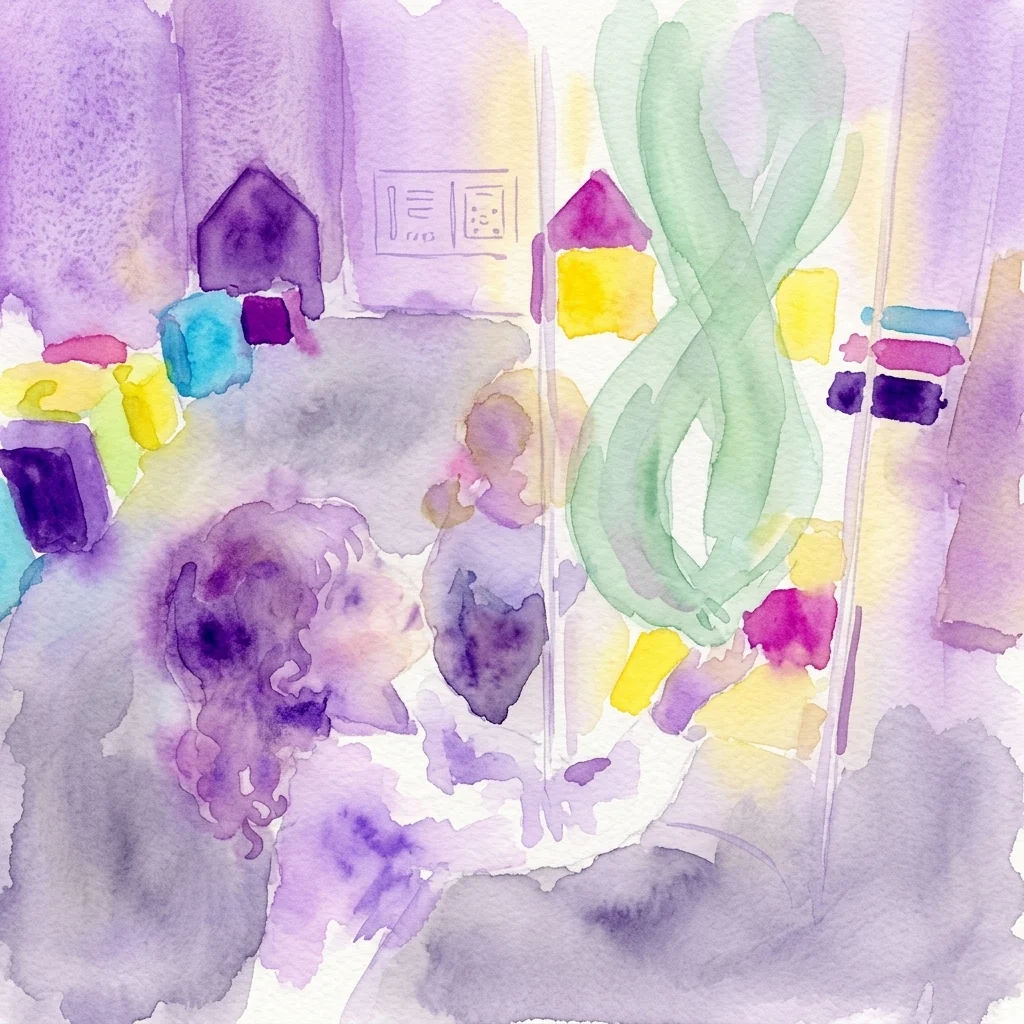
Children playing inside a colorful indoor play space featuring modular mini-houses, scattered foam blocks, and a large green twisted climbing rope.
Le Vaisseau
Permanent exhibition

The Playhouses at Le Vaisseau: Interactive Exhibition for Children

Explore physical and motor skill development through hands-on free play.

Children aged 3 to 6 can discover themed houses featuring sound-producing steps, tactile surfaces, and cog walls. This exhibition supports child-led exploration and independent movement to foster confidence and curiosity.

The Playhouses
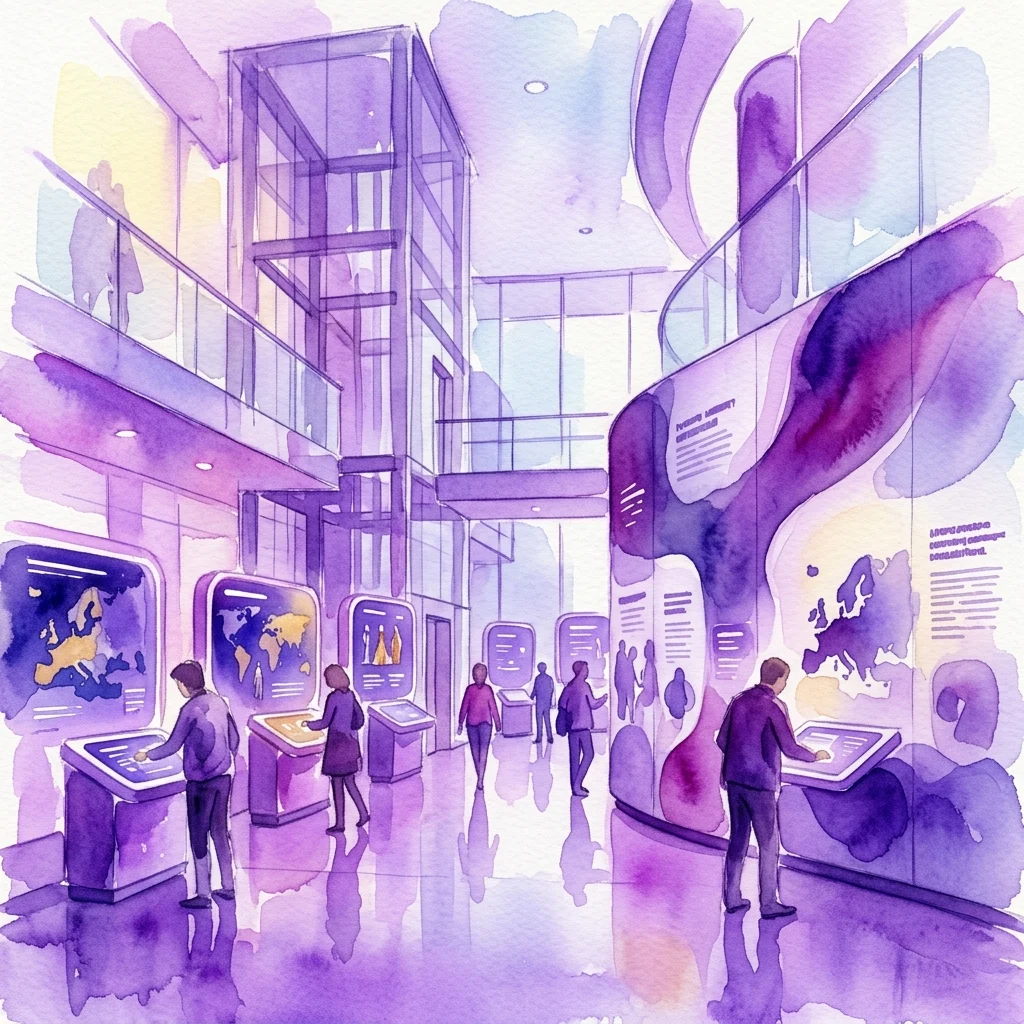

Watercolor rendering of the Parlamentarium Simone Veil interior, showing visitors engaging with digital interactive displays and European map panels in a modern multi-level exhibition space.
European Parliament Strasbourg Visitor Experience
Permanent exhibition

The Parlamentarium Simone Veil at the European Parliament in Strasbourg

Interactive exhibit on EU history and legislative processes.

Visit this permanent exhibition to understand the functions of the European Parliament. The space features displays on the legislative process and celebrates the legacy of Simone Veil.

Parlamentarium Simone Veil
Watercolor illustration of two children playing at an interactive water exhibit with purple pipes, floating origami boats, and flowing channels.
Le Vaisseau
Permanent exhibition

The Oasis: Hands-on Water Physics Exhibition at Le Vaisseau

A permanent sensory exploration of aquatic science for all ages.

Engage with water properties through interactive stations that encourage problem-solving and play. Visitors can explore buoyancy and fluid motion in this unique, hands-on scientific environment.

The Oasis Exhibition
Strasbourg

Explore Diverse Museums and Cultural Institutions Across Strasbourg

A guide to the rich heritage and artistic venues in Strasbourg.

Uncover the intellectual and creative history of the region through a variety of permanent collections. From Gothic architecture to fine art galleries, find places that spark curiosity and provide deep insight into Alsatian life.