
Strasbourg
Museum itinerary · Strasbourg

A Strasbourg art day from Tomi Ungerer to the Aubette and MAMCS

Illustration, old masters and rooms you can walk inside

Plan a Wednesday-to-Saturday Strasbourg art walk through the Tomi Ungerer Museum, Palais Rohan, Aubette 1928 and MAMCS with lunch before the Aubette opens.

Museum stops
4
Visits and transfers
4 hr 51 min
Suggested days
Wed, Thu, Fri, & Sat
Why these museums go together

Begin at Villa Greiner with a drawing that reads instantly across the room. At the Palais Rohan look for a painting that makes your eye travel in a much slower way. In the restored entertainment rooms of the Aubette the picture wraps round you. At MAMCS, choose one work that would change if you shifted your viewing distance.

Four collections change the meaning of a line. An illustrator can make a joke with it, a painter can use it to describe a body, and the designers of the Aubette carried geometry over walls and into the cinema dance hall.

ArtDesignArchitecture
Route map
© OpenStreetMap contributors

The itinerary, stop by stop

Stop 1 · 1 hr
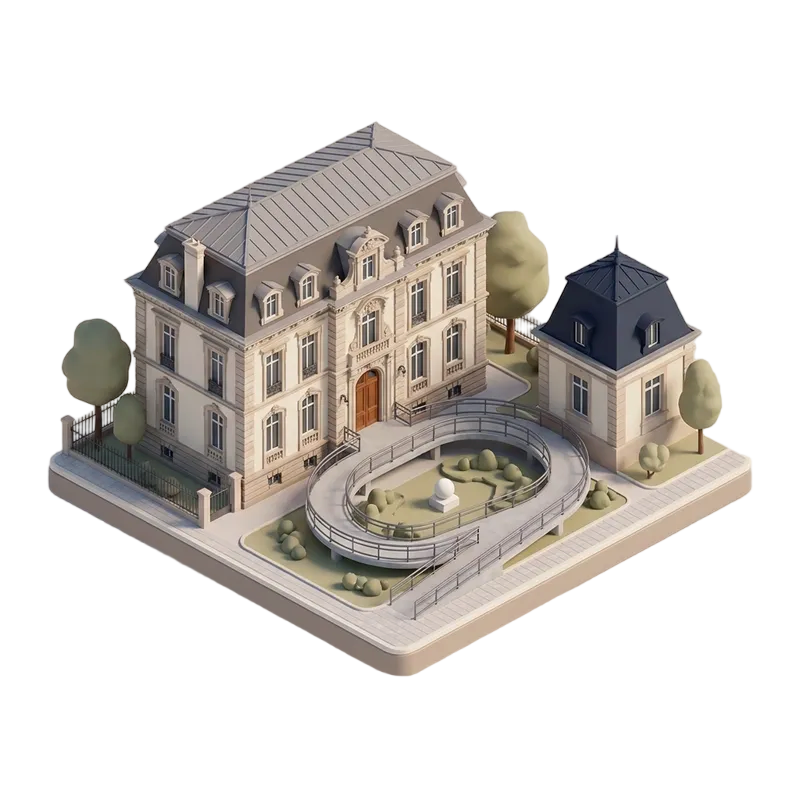
Tomi Ungerer Museum – International Illustration Centre

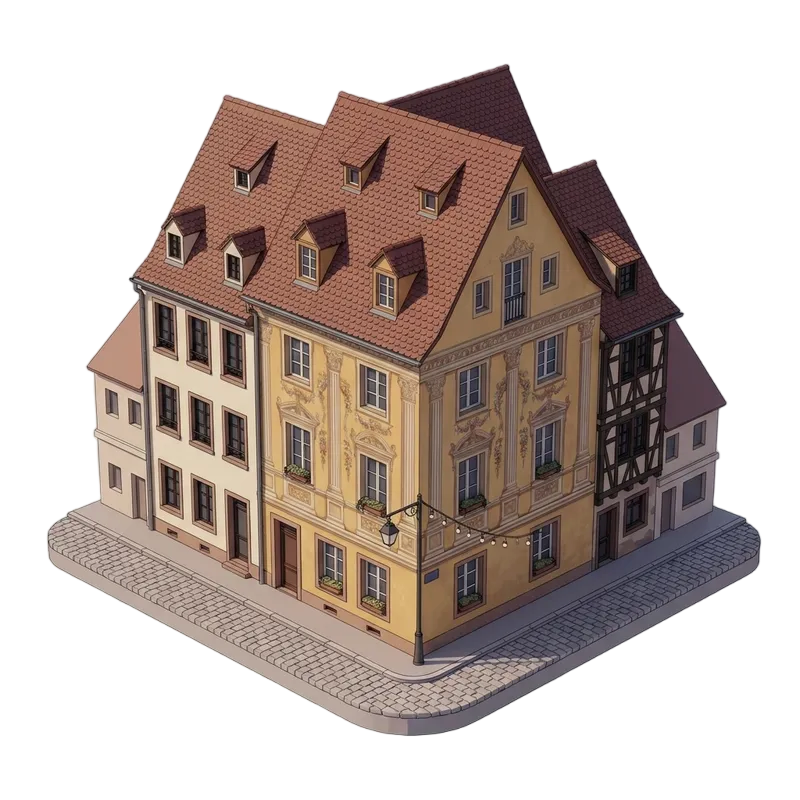
Explore the illustration on view in Villa Greiner, comparing the economy of line in a drawing with the visual argument of a poster or picture-book sequence. Begin with the children’s illustration or earliest accessible material, where it is useful to read an image as part of a sequence. Compare it with a poster or satirical drawing. Use the museum’s digital selection if offered rather than chasing a particular sheet. If visiting with children, check with staff which portions of the current hanging are suitable before taking the garden-level route.

What to look for

Les Trois Brigands and children’s books
If an illustration from Les Trois Brigands is available, start with how you recognise a figure by silhouette and spacing. If absent, choose another picture-book series. The key comparison is how an illustrator divides action among separate pages.
Advertising graphics
Choose a poster and try to guess what it is meant to do before reading its text. Notice whether the eye goes to a single figure, lettering or empty space first. The museum’s collection includes Ungerer’s advertising work, though the selection rotates.
Satire and political images
Look for a work in the satire or political poster material appropriate to your group, and identify which detail carries the point. In one image a small change of scale or gesture can overturn the first reading. Read the historical context after noticing that change.
Villa Greiner and the collection screen
The nineteenth-century house gives a domestic scale to the drawings. Look for the digital selection described in the museum’s visitor material if it is accessible. It can show other parts of the collection when paper is in storage or a work is out on loan.

Walk · 11 min

Getting to Strasbourg Museum of Fine Arts

Follow the walking route via Rue du Faisan → Rue des Frères → Place du Château. The mapped distance is about 790 m, or 11 minutes on foot.

Stop 2 · 1 hr 10 min
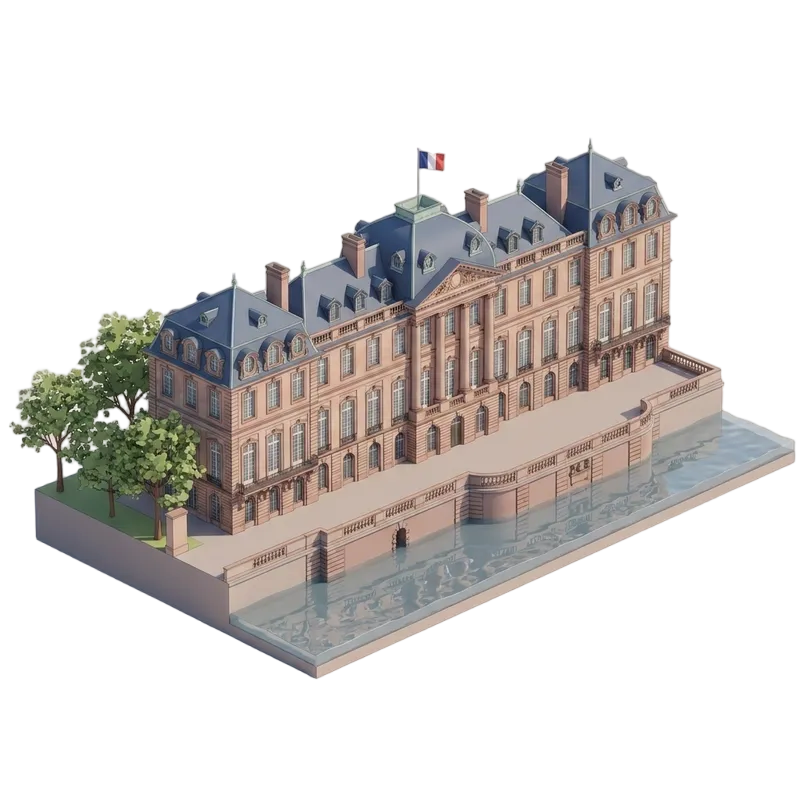
Strasbourg Museum of Fine Arts

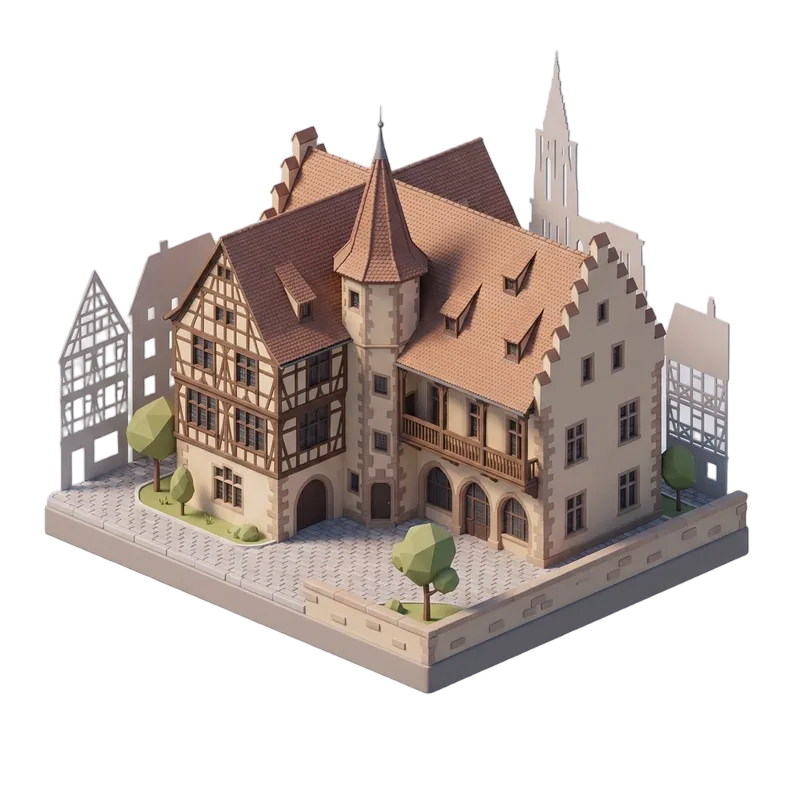
Go up to the picture galleries at the Palais Rohan. After the illustrators’ fast marks, spend ten minutes in front of one painted figure. Find the passages where the artist slows your eye with fabric, fingers or a distant view. Compare this portrait with a multi-figure scene before you break for lunch and the city’s geometric rooms.

What to look for

Giotto or Memling
Choose an early Italian or Flemish painting from the opening rooms. Compare outlines, background and how a face is set apart from surrounding forms. It is a manageable starting point before the denser later paintings.
Renaissance and Mannerist painting
Look for an available Botticelli, Raphael or El Greco work. Notice the distribution of space around the figures or the use of light around a face. Compare the effect with the planned palace room below.
La Belle Strasbourgeoise
If Largillierre’s portrait is on view, trace how clothing and pose define the sitter before looking at the label. Compare it with the prince-bishop portraits or Roman stone figure to see how differently public identity can be framed.
A still life or Baroque scene
Use a still life or a work connected with Rubens, Tiepolo or a different school to end the visit. Look at the placement of one small object or gesture. It can recall either the archaeological case or the ceremonial furnishings.

Walk · 10 min

Getting to Aubette 1928

Follow the walking route via Place de la Cathédrale → Place Gutenberg → Place Kléber. The mapped distance is about 730 m, or 10 minutes on foot.

Stop 3 · 45 min
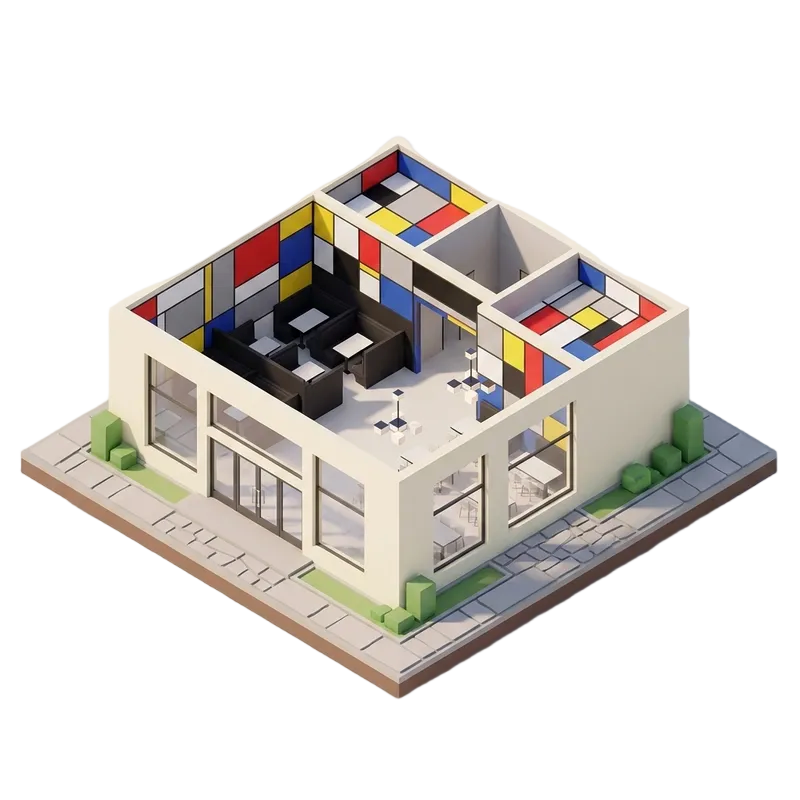
Aubette 1928

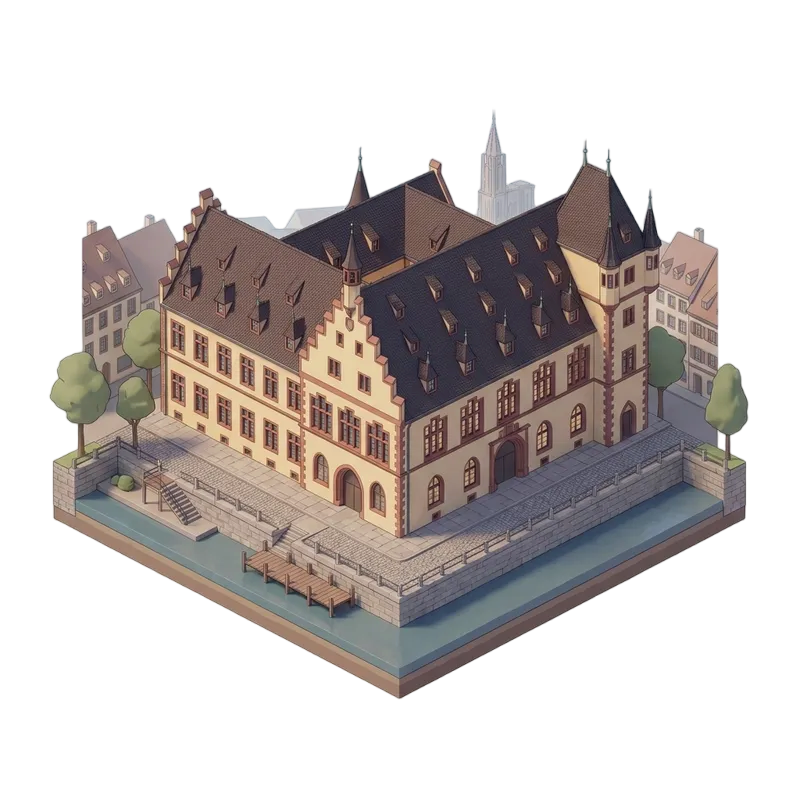
Examine the restored interiors associated with Theo van Doesburg, Jean Arp and Sophie Taeuber-Arp. In the Ciné-dancing, follow how geometry reorganises the edges of the room. Follow the open route upstairs and begin with one room at a time. Try the Ciné-dancing from two positions before comparing another ballroom or the bar. Include the restored stair if accessible. Where a room is unavailable, observe how the corners, ceilings and paths function in one open interior rather than treating the missing room as essential.

What to look for

Ciné-dancing
Stand near an entrance and follow one diagonal until it meets a wall edge. Move to the other side and see whether it still gives you the same direction. The room makes it possible to see architecture and an abstract composition working together.
The ballroom
Compare how the geometry relates to movement in this room and in the cinema space. Look away from the centre to the room edges and entrances. The contrast is useful even without knowing all the artists’ names.
The foyer bar
At this change of scale, pay attention to the patterns you can see from close range. Compare how a place to pause differs from a place for a whole audience. The room adds an everyday use to the artistic experiment.
Staircase and restoration
Look at the staircase as a link between rooms rather than only as access. The museum describes separate phases of classification and restoration. Read one wall text there to distinguish the historic design from how it was made visible again.

Walk · 15 min

Getting to Strasbourg Museum of Modern and Contemporary Art

Follow the walking route via Quai Desaix → Pont National → Place Hans-Jean-Arp. The mapped distance is about 1170 m, or 15 minutes on foot.

Stop 4 · 1 hr 20 min
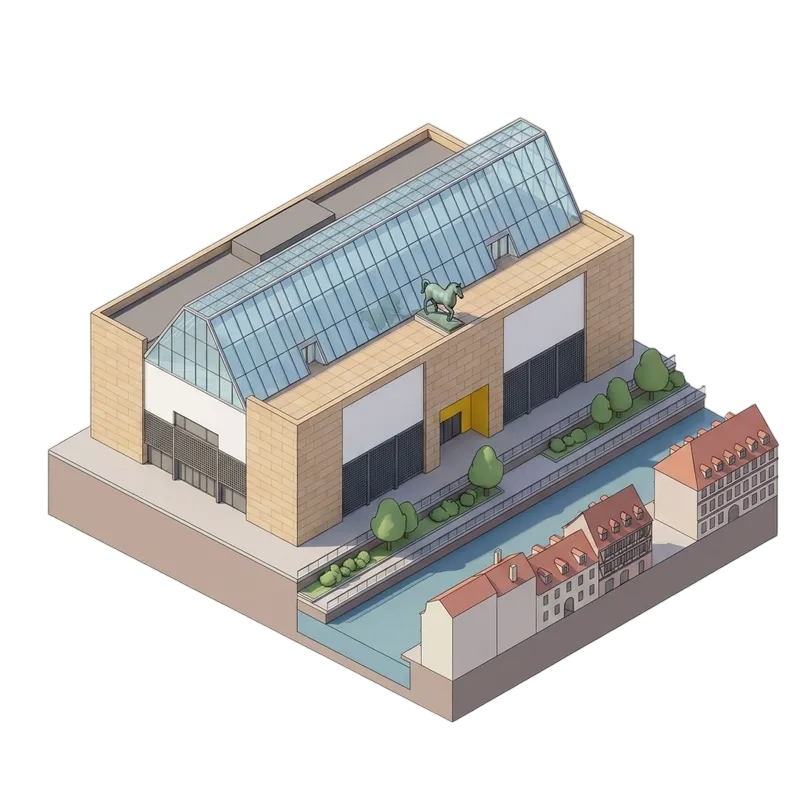
Strasbourg Museum of Modern and Contemporary Art

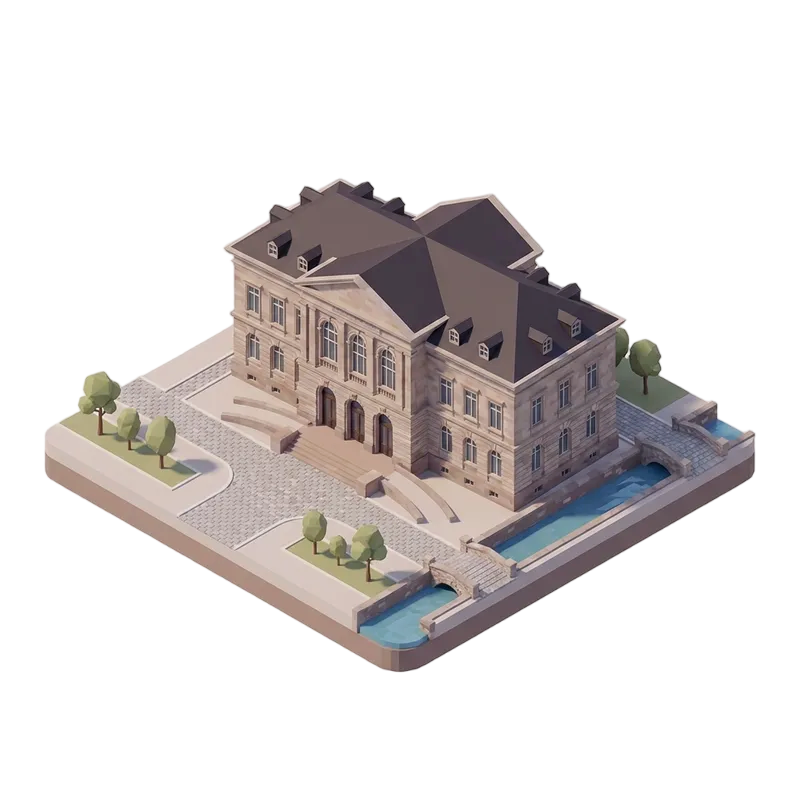
Use the collection to look for the legacy of Arp and Taeuber-Arp among broader French and European modernism. Display schedules vary, so use the current museum map to see what is available. Use the permanent collection route to choose one older work and one closer to the avant-garde. Give an Arp-related display time if available, then find a more recent work in another medium. If neither Arp nor Taeuber-Arp is shown, compare geometry or scale in two available objects instead. Leave the museum with one connection to a specific Aubette room.

What to look for

Arp and Sophie Taeuber-Arp
When displayed, find a work by either artist as a direct link to Aubette. Compare the joins between planes, or the space around a sculpture, with the entire rooms you have just visited. If these artists are away, ask staff for an abstraction with a similar formal problem.
Doré’s Christ Leaving the Praetorium
If this large work is available, begin far back and follow where figures direct your attention. Step closer for one detail. It gives a contrasting use of scale: an ambitious scene controlled from the canvas rather than by surrounding painted walls.
Kandinsky or another abstraction
Choose an available abstraction from the collection and read its colour or line from one edge to another. Identify whether the painting controls distance as strongly as the decoration in Ciné-dancing. Use the museum’s current route rather than assuming a fixed gallery for a given work.
Contemporary installation and the riverfront
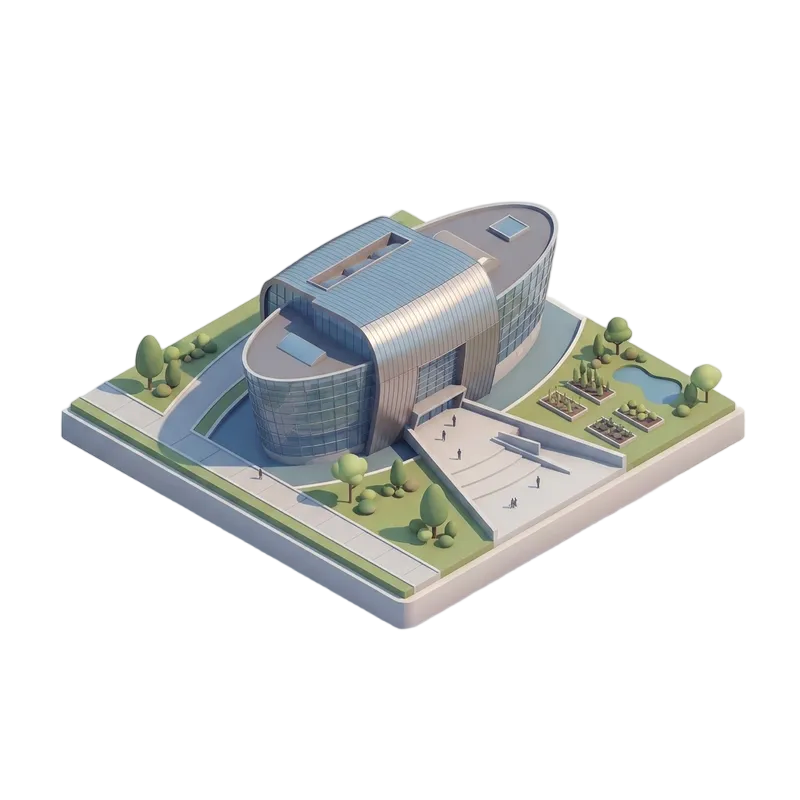
Use a current contemporary room for a final comparison. Where does your body have to be for the work to make sense? Outside, look at the long glass-fronted building by the Ill and consider the difference between its exposed frontage and the discreet Aubette entrance.
Timing, booking and admission

Set your pace

Start at Villa Greiner at 10:00, walk to the Palais Rohan around 11:00 and finish the painting galleries before 13:00. Lunch on the way to Place Kléber. Enter the Aubette at 14:00 and allow the rest of the afternoon for MAMCS.

What to book ahead

Choose Wednesday to Saturday when the Aubette opens from 14:00. Check the illustration display before setting out, as fragile paper rotates. Look up any gallery closures at MAMCS before deciding which floor to visit.

Tickets and museum passes

The Aubette is free. For the other three municipal collections compare Strasbourg’s day pass with individual admissions. Check separately for any special exhibition with a different ticket.

Sources and route research

Explore Art and Cultural Exhibitions in Strasbourg Museums
Diverse programming showcasing historical, artistic, and modern thematic collections.
Navigate through curated displays and cultural programs hosted by local institutions. These venues frequently present rotating art exhibitions in Strasbourg that offer deep insights into local heritage and international artistic movements.
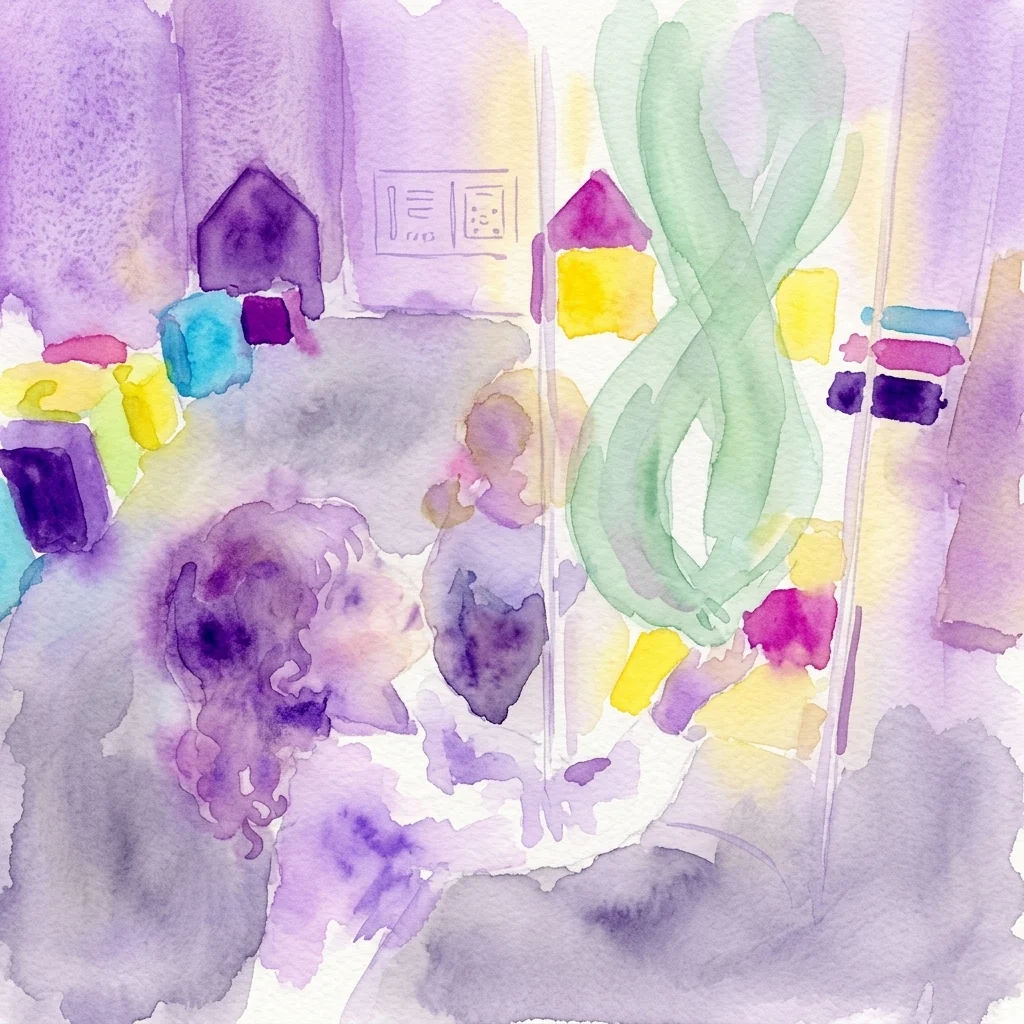
Children playing inside a colorful indoor play space featuring modular mini-houses, scattered foam blocks, and a large green twisted climbing rope.
Le Vaisseau
Permanent exhibition

The Playhouses at Le Vaisseau: Interactive Exhibition for Children

Explore physical and motor skill development through hands-on free play.

Children aged 3 to 6 can discover themed houses featuring sound-producing steps, tactile surfaces, and cog walls. This exhibition supports child-led exploration and independent movement to foster confidence and curiosity.

The Playhouses
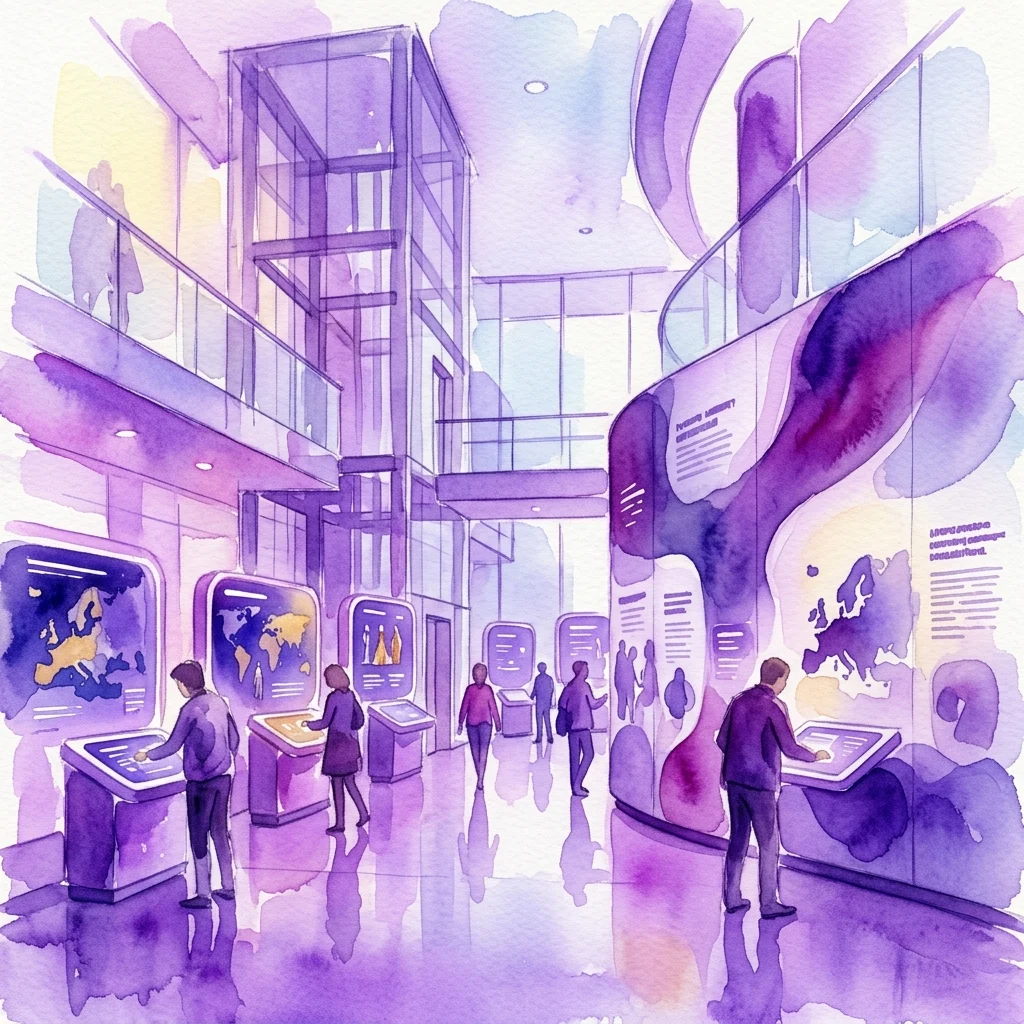
Watercolor rendering of the Parlamentarium Simone Veil interior, showing visitors engaging with digital interactive displays and European map panels in a modern multi-level exhibition space.
European Parliament Strasbourg Visitor Experience
Permanent exhibition

The Parlamentarium Simone Veil at the European Parliament in Strasbourg

Interactive exhibit on EU history and legislative processes.

Visit this permanent exhibition to understand the functions of the European Parliament. The space features displays on the legislative process and celebrates the legacy of Simone Veil.

Parlamentarium Simone Veil
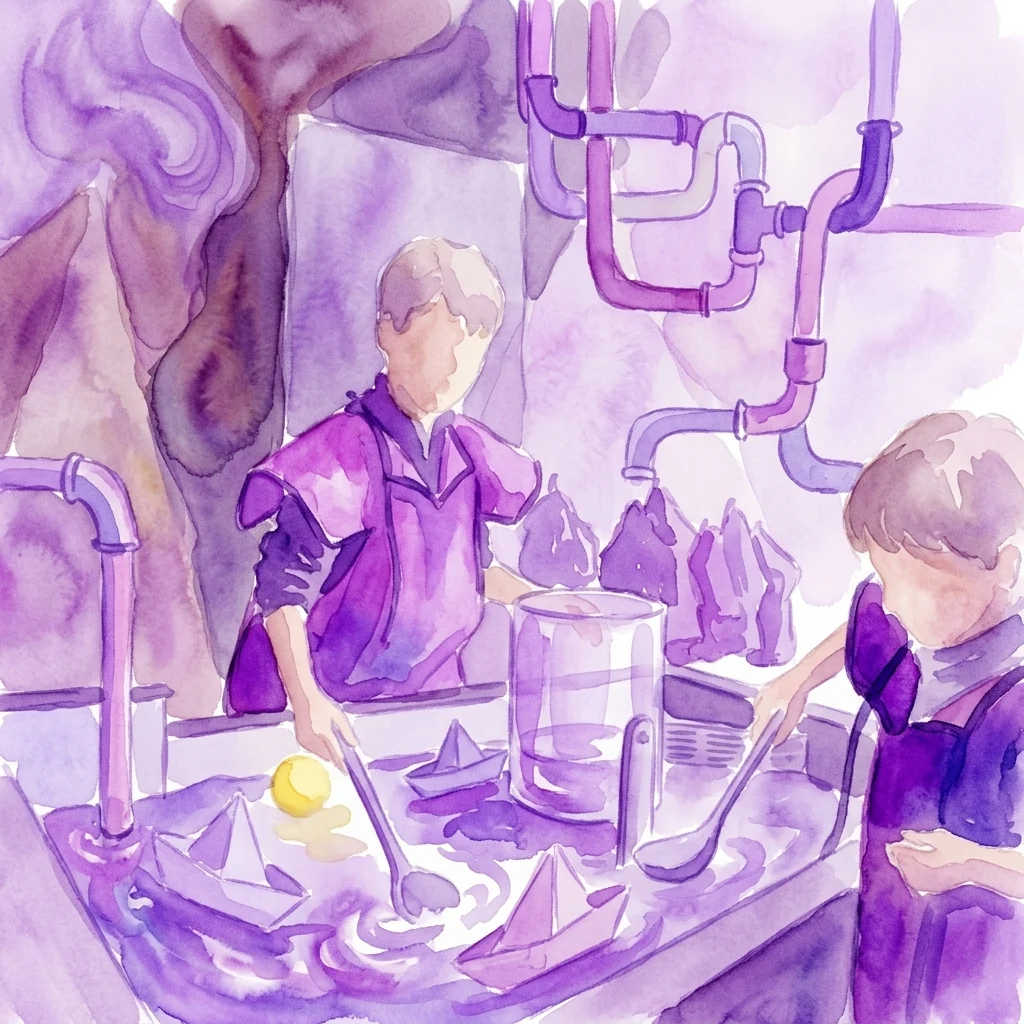
Watercolor illustration of two children playing at an interactive water exhibit with purple pipes, floating origami boats, and flowing channels.
Le Vaisseau
Permanent exhibition

The Oasis: Hands-on Water Physics Exhibition at Le Vaisseau

A permanent sensory exploration of aquatic science for all ages.

Engage with water properties through interactive stations that encourage problem-solving and play. Visitors can explore buoyancy and fluid motion in this unique, hands-on scientific environment.

The Oasis Exhibition
Strasbourg

Explore Diverse Museums and Cultural Institutions Across Strasbourg

A guide to the rich heritage and artistic venues in Strasbourg.

Uncover the intellectual and creative history of the region through a variety of permanent collections. From Gothic architecture to fine art galleries, find places that spark curiosity and provide deep insight into Alsatian life.