
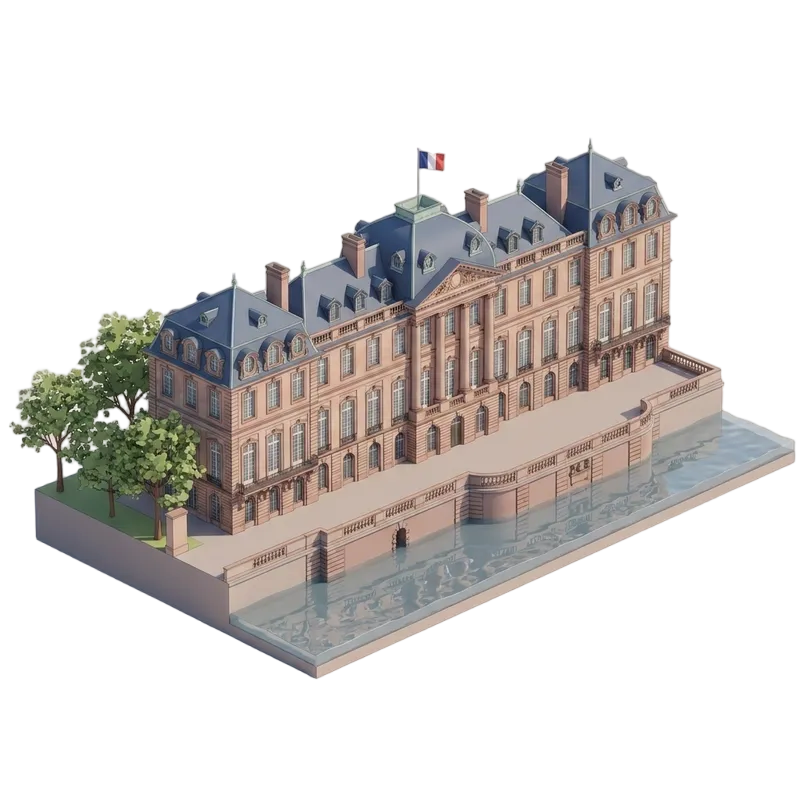
Strasbourg
Museum itinerary · Strasbourg

A Family Science Day at Strasbourg’s Zoological Museum and Le Vaisseau

Look closely at animals in the morning and let the children run their own experiments after lunch.

Start with the permanent displays on level two at the Zoological Museum. After lunch, choose hands-on activities at Le Vaisseau to suit your children’s ages and energy.

Museum stops
2
Visits and transfers
4 hr 4 min
Suggested days
Tue, Wed, Thu, Fri, Sat, & Sun
Why these museums go together

Plan a Strasbourg family day that starts with real animal specimens and ends with experiments children can repeat themselves. At the Zoological Museum near the university, go up to the permanent route and compare birds, follow the story of a deep-water fish, and see how glass models make delicate marine animals easier to study. At Le Vaisseau, turn those habits of looking closely and testing ideas into something physical. Try a light experiment, build a structure as a team, or look for wildlife outside in the garden. The combination suits primary-school children and gives siblings different ways to join in. Pick one question to carry between the venues. An easy one is how you would show someone a detail they cannot easily see in nature.

ScienceNature
Route map
© OpenStreetMap contributors

The itinerary, stop by stop

Stop 1 · 1 hr 40 min
Zoological Museum of Strasbourg

Begin on level 2, where the permanent route shows how naturalists organise what they observe. In the bird gallery, pick two nearby birds and look for a difference in their feet or their bills before reading a label. Then see how the displays go from telling similar animals apart to representing animals that people rarely see alive. Choose the coelacanth and the Blaschka models as contrasting examples. If the group still wants more, use an ecosystem display to match an animal to the place where it lives. A quick drawing made from memory after you leave is an easy way to see what everyone noticed.

What to look for

Bird gallery
Compare a wading bird with another bird from a different group. Pick one difference in feet or bills and ask how it might help the animal get food.
Jean Hermann’s natural-history cabinet
Start with the museum’s account of how this early collection was assembled. Look for a specimen you would group differently and say what you are using as your clue.
Coelacanth room
Look at the bases of the fins and at the outline of the tail. The specimen makes it possible to examine parts of a fish that most people never encounter in its deep-water habitat.
Blaschka glass models
Look at a small, delicate form and pick the detail that the model makes easier to study. Compare the model with a mounted or preserved specimen elsewhere in the route.

Walk · 24 min

Getting to Le Vaisseau

Walk about 1.6 km via the university and Esplanade streets toward Rue d’Ankara and Rue Philippe Dollinger. For the tram, walk to Observatoire and take C or E toward Winston Churchill via Esplanade, about five minutes onboard, then walk five to eight minutes. Budget 15–25 minutes door to door with the wait and check CTS for service changes.

Stop 2 · 2 hr
Le Vaisseau

At Le Vaisseau, ask children to choose one thing they can do together and one experiment that rewards a second try. Le Chantier works as a shared building task if the group likes physical activity. La Caverne gives a quieter way to experiment with colour and changes in what people see. If the weather is good, finish outside in Le Jardin with a search for signs of animal life. Think of the remaining areas as choices the family can swap in. Whenever an installation is busy, move on to one with room to run the same experiment twice.

What to look for

Le Chantier
Give each child a role such as transport, building or checking balance. Try the same stack with a wider base to see how the design changes what it can hold. Follow the age guidance for the area reserved for ages three to six.
La Caverne
Change one part of a light or colour experiment and ask everyone to predict what will happen. Run the same test a second time so the children can check their result.
La Fabrique
Let older children try a sequence or algorithm and tell someone else how to follow it. Change the order of one instruction and see what the machine does differently.
Le Jardin
Give the group two minutes to watch a small patch outdoors. Look for motion or evidence of feeding, then compare what you actually saw with what a museum specimen helped you infer.
Timing, booking and admission

Set your pace

Start the Zoological Museum at 10:00 and allow until about 11:40. Give the upper permanent galleries the first hour and keep the remaining time for an ecosystem display or a second look at a favourite animal. The museum closes from 13:00 to 14:00 on weekdays, so protect the morning if you are visiting midweek. Allow about 24 minutes on foot between the venues. Take lunch before Le Vaisseau and aim to arrive at 13:00. Choose two or three science areas for the next two hours. If the first visit overruns, trim the last gallery and keep the lunch break. With younger children, finish after one active area and one quieter activity.

Tickets and museum passes

Check that both venues are open on the same day. The Zoological Museum closes on Mondays and has its own municipal ticket. At Le Vaisseau a standard ticket is valid for the day, with no arrival slot, and the venue recommends buying online. Look up any workshop separately and check the calendar for exceptional closures. The science centre suggests two to three hours for a broad visit. Two focused hours work with this itinerary, especially if you agree in advance that you can return to a favourite installation instead of trying every station.

Sources and route research

Explore Art and Cultural Exhibitions in Strasbourg Museums
Diverse programming showcasing historical, artistic, and modern thematic collections.
Navigate through curated displays and cultural programs hosted by local institutions. These venues frequently present rotating art exhibitions in Strasbourg that offer deep insights into local heritage and international artistic movements.
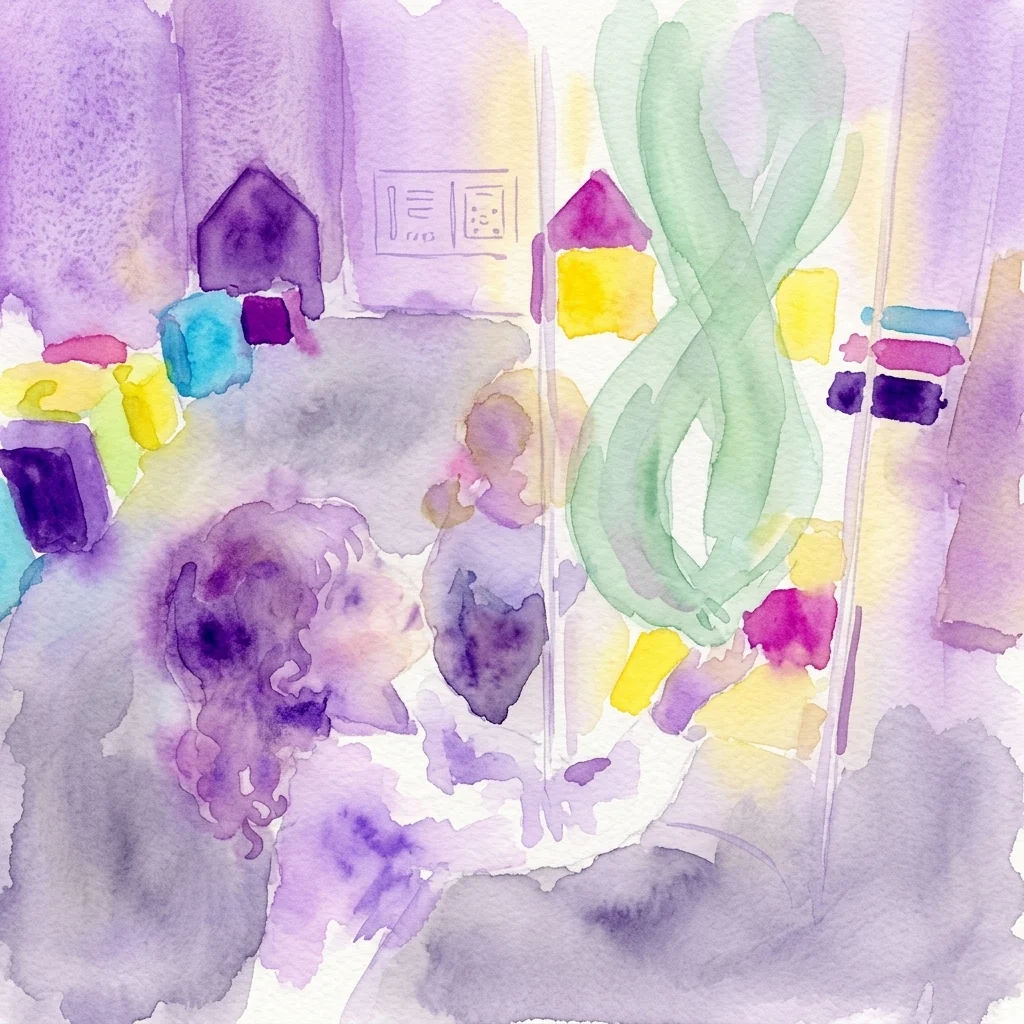
Children playing inside a colorful indoor play space featuring modular mini-houses, scattered foam blocks, and a large green twisted climbing rope.
Le Vaisseau
Permanent exhibition

The Playhouses at Le Vaisseau: Interactive Exhibition for Children

Explore physical and motor skill development through hands-on free play.

Children aged 3 to 6 can discover themed houses featuring sound-producing steps, tactile surfaces, and cog walls. This exhibition supports child-led exploration and independent movement to foster confidence and curiosity.

The Playhouses
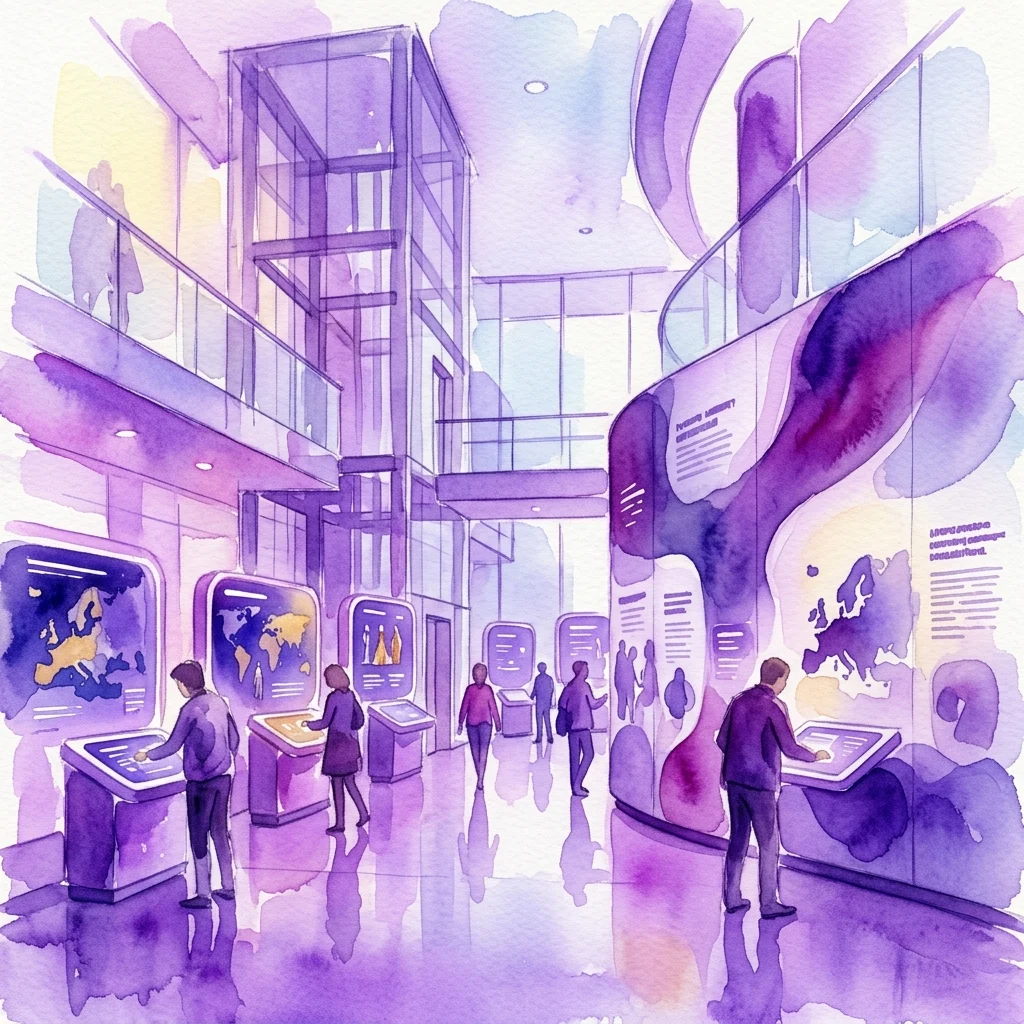
Watercolor rendering of the Parlamentarium Simone Veil interior, showing visitors engaging with digital interactive displays and European map panels in a modern multi-level exhibition space.
European Parliament Strasbourg Visitor Experience
Permanent exhibition

The Parlamentarium Simone Veil at the European Parliament in Strasbourg

Interactive exhibit on EU history and legislative processes.

Visit this permanent exhibition to understand the functions of the European Parliament. The space features displays on the legislative process and celebrates the legacy of Simone Veil.

Parlamentarium Simone Veil
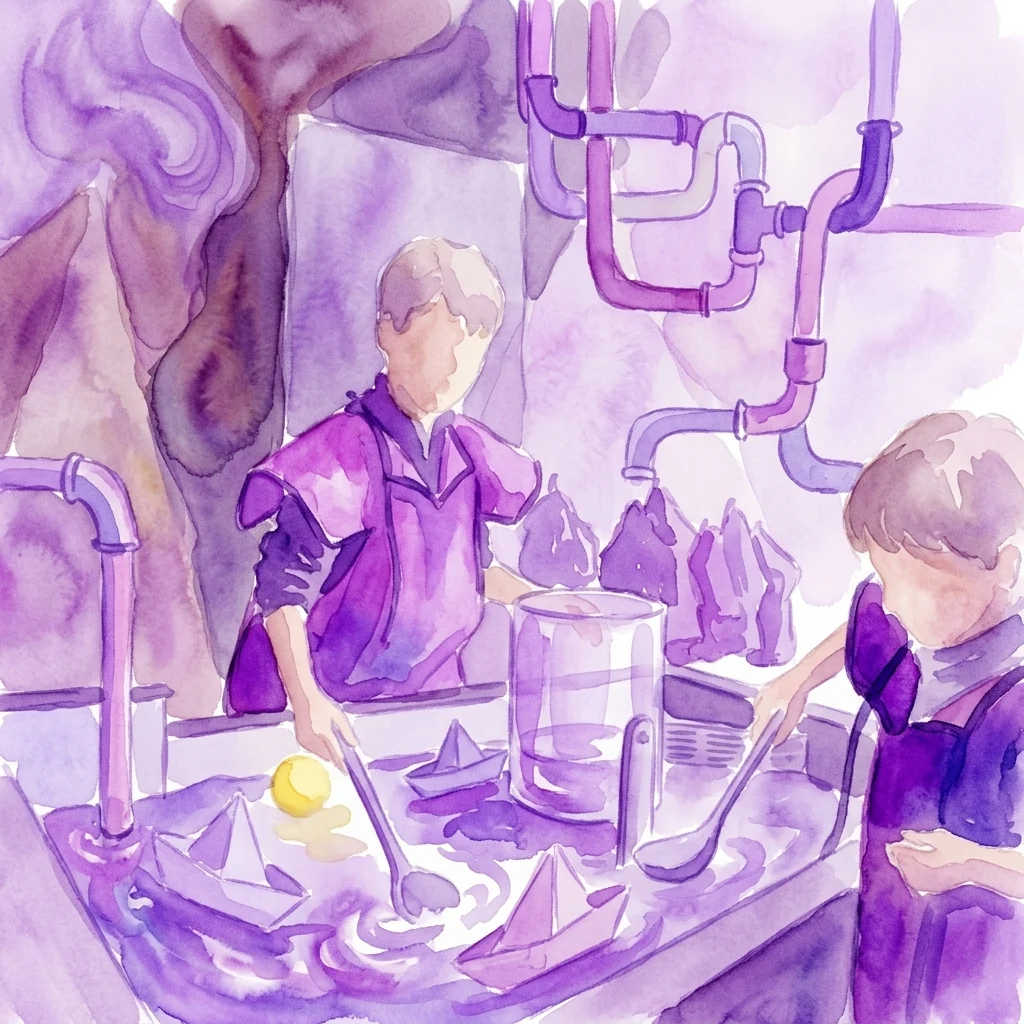
Watercolor illustration of two children playing at an interactive water exhibit with purple pipes, floating origami boats, and flowing channels.
Le Vaisseau
Permanent exhibition

The Oasis: Hands-on Water Physics Exhibition at Le Vaisseau

A permanent sensory exploration of aquatic science for all ages.

Engage with water properties through interactive stations that encourage problem-solving and play. Visitors can explore buoyancy and fluid motion in this unique, hands-on scientific environment.

The Oasis Exhibition
Strasbourg

Explore Diverse Museums and Cultural Institutions Across Strasbourg

A guide to the rich heritage and artistic venues in Strasbourg.

Uncover the intellectual and creative history of the region through a variety of permanent collections. From Gothic architecture to fine art galleries, find places that spark curiosity and provide deep insight into Alsatian life.