
Strasbourg
Museum itinerary · Strasbourg

Inside Strasbourg’s Palais Rohan, Floor by Floor

Roman artefacts below, princely rooms on the ground floor and paintings upstairs.

Begin with Roman Argentorate in the archaeology galleries. Move upstairs to the royal bedroom and Strasbourg ceramics, then finish with a close look at European paintings in the Fine Arts Museum.

Museum stops
3
Visits and transfers
3 hr 15 min
Suggested days
Wed, Thu, Fri, Sat, & Sun
Why these museums go together

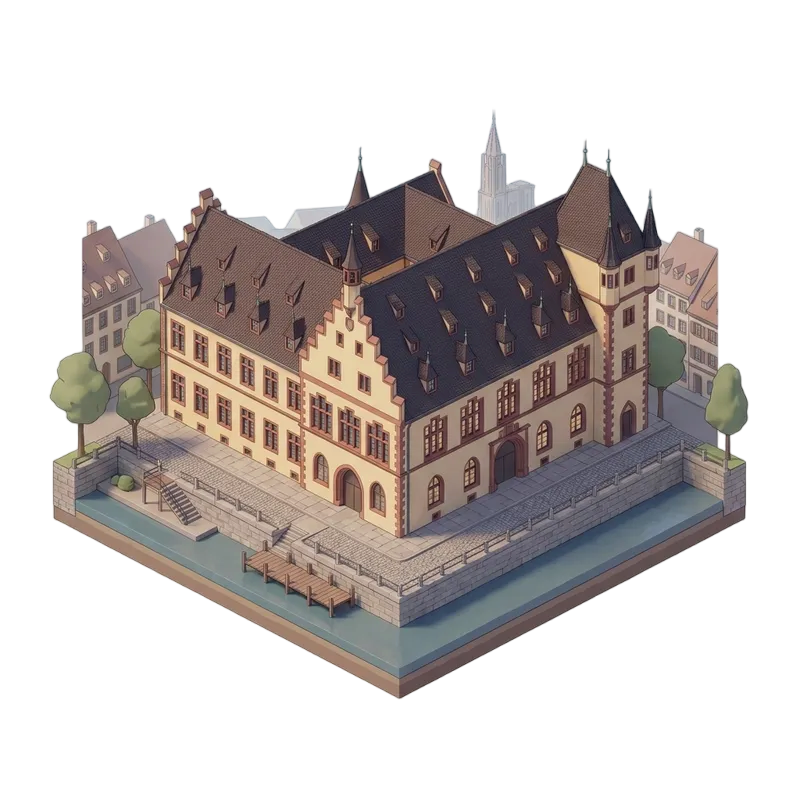
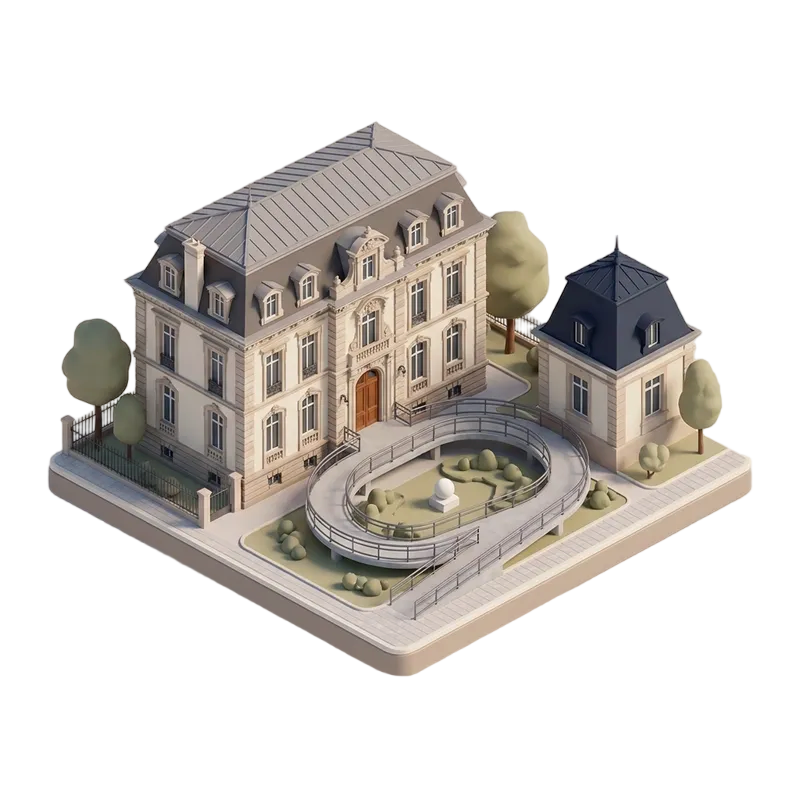
Palais Rohan lets you move through three very different kinds of evidence without leaving the address. Begin in the basement with finds from Alsace, see how an eighteenth-century elite lived in the state rooms, and finish among the paintings upstairs.

Moving up through the palace also changes your evidence. Below ground, a gravestone and excavated objects speak about the earlier city. At entry level, apartments use furnishings to construct an eighteenth-century public image. Upstairs, paintings can set a similar scene without a real room around them. Keep this progression in mind rather than treating the three museums as a checklist.

HistoryArtArchitecture
Route map
© OpenStreetMap contributors

The itinerary, stop by stop

Stop 1 · 1 hr
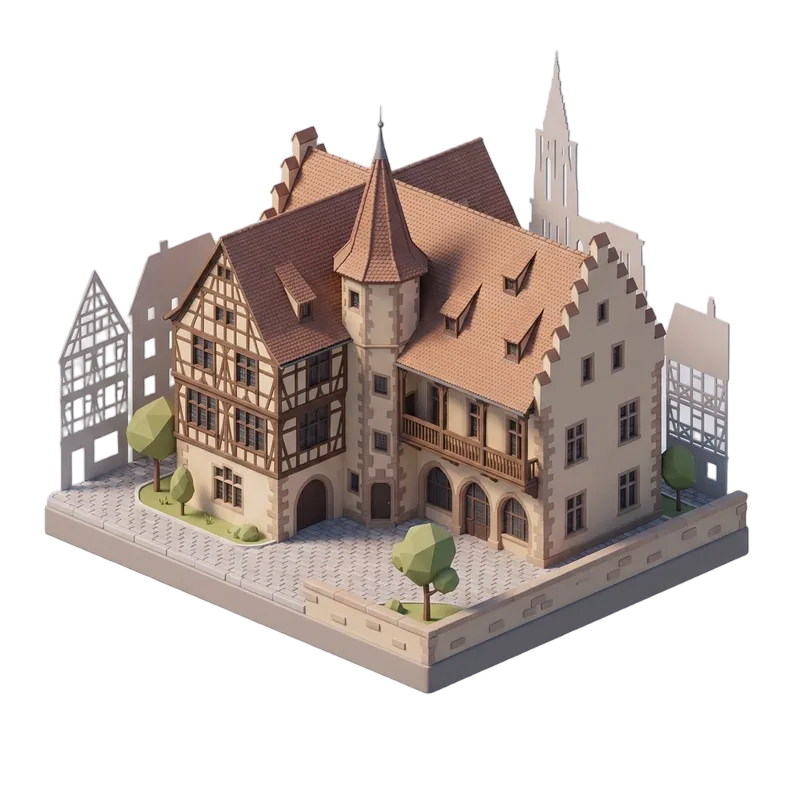
Strasbourg Archaeological Museum

Start below the palace with the archaeology of Alsace. Pick a Roman section or another period and use the small objects to reconstruct the lives of people around the Rhine. Begin in the basement and use the Roman section as the anchor. Choose the legionary gravestone in room 8 if accessible, then contrast it with a small object for everyday use. See an earlier or later period only after you have established how the museum reads an old settlement from physical remains.

What to look for

Argentorate and the legionary camp
Use the museum’s Roman material to place the former camp in the area of the later city. Pick one map or text that locates a discovery, then use that location to understand a physical object.
The legionary gravestone
The museum identifies a legionary portrait in room 8. Look at how dress and pose give the figure a public role. Compare it upstairs with a painted portrait intended for a quite different audience.
Roman cult and Koenigshoffen
If shown, look for the Mithraic material connected with Koenigshoffen. Compare a relief or reconstruction with the objects that help locate it in a real structure. This offers context before you encounter palace objects arranged in historic rooms.
One farther point in the chronology
If time remains, choose a pre-Roman or later group from the Alsace sequence. Compare how the museum assigns dates and uses in the absence of modern photographs. Keep this optional to preserve all three admissions.

Walk · 5 min

Getting to Strasbourg Museum of Decorative Arts

Both galleries share the Palais Rohan address. Return to the signed visitor circulation at Place du Château 2 and allow five minutes for the internal change of level and ticket check.

Stop 2 · 1 hr
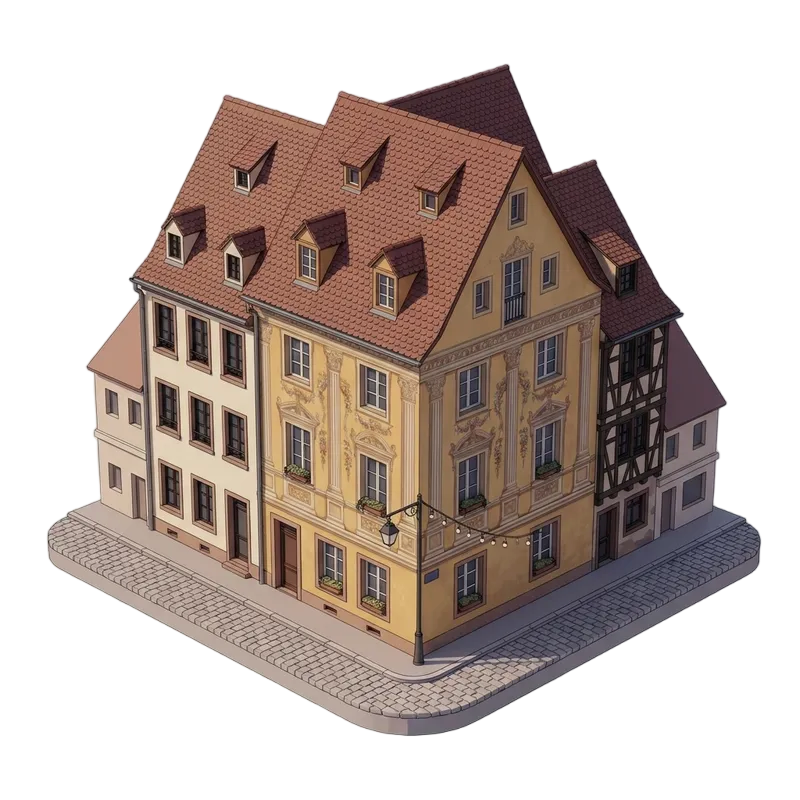
Strasbourg Museum of Decorative Arts

Look first at the state apartments, then at the decorative arts. The scale of a room and the craft of a small object both helped set expectations for a guest entering the palace. Return to the ground floor and look at the cardinal apartments before the cases of city decorative arts. Choose the King’s Bedroom and another room, then contrast their large furnishings with a smaller piece of ceramic or clockwork. If an apartment is closed, give the small objects more time instead of searching for an inaccessible sequence.

What to look for

The eight prince-bishop portraits
In the antechamber, where accessible, look at the full-length sitters within the panelling. Compare the visual rhythm of the portraits with the single carved figure on the Roman gravestone you saw below.
The King’s Bedroom
Notice how the bed, mirrored surfaces and textiles place one part of the room above the rest in importance. View it first from the doorway. The room was designed to communicate status before any small object caught the eye.
The library and its objects
If accessible, compare the busts and vases described on the museum route with the shelves and surfaces holding them. Consider how a room for reading could also present the owner’s standing and the links between local and imported objects.
Hannong ceramics and clockmaking
Look for a local ceramic example and a clock or timekeeping object. Compare visible craft with the process that a polished finish hides. These cases offer a close counterpart to the large ceremonial rooms.

Walk · 5 min

Getting to Strasbourg Museum of Fine Arts

Follow the palace signage to the Fine Arts Museum upstairs. No street transfer is required, but you need time for the stairs and entry point.

Stop 3 · 1 hr 5 min
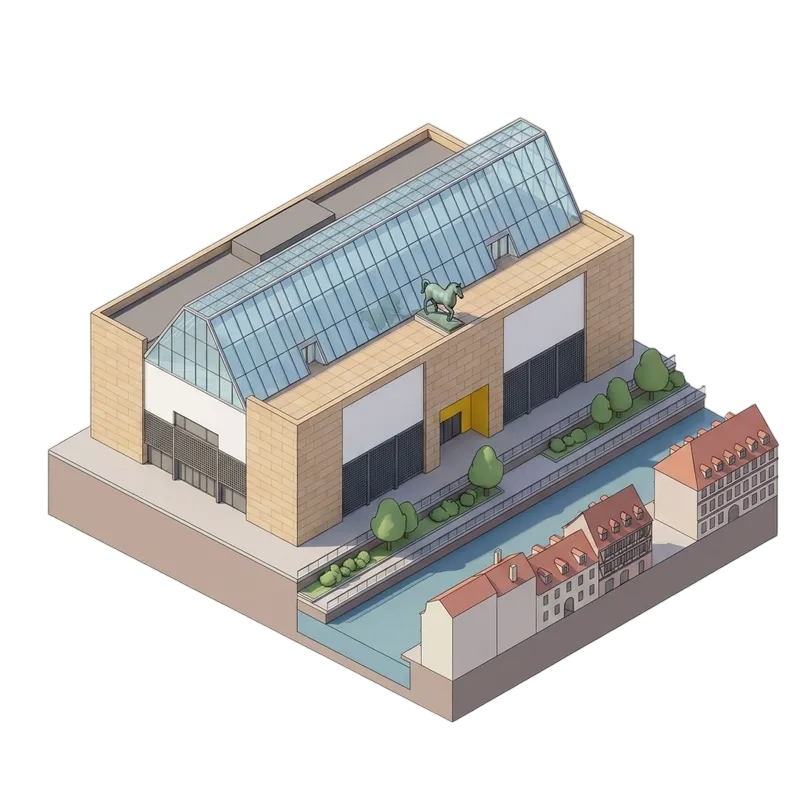
Strasbourg Museum of Fine Arts

Finish with European painting. Choose one portrait and one multi-figure scene, and compare how the artists guide your eye across the canvas. Enter the first-floor galleries and choose one early panel, one portrait and a later contrasting painting. You can follow the official chronological sequence while passing some rooms quickly. If an anchor painting is unavailable, pick another in the same school so that the three views still show different ways of handling light and space.

What to look for

Giotto or Memling
Choose an early Italian or Flemish painting from the opening rooms. Compare outlines, background and how a face is set apart from surrounding forms. It is a manageable starting point before the denser later paintings.
Renaissance and Mannerist painting
Look for an available Botticelli, Raphael or El Greco work. Notice the distribution of space around the figures or the use of light around a face. Compare the effect with the planned palace room below.
La Belle Strasbourgeoise
If Largillierre’s portrait is on view, trace how clothing and pose define the sitter before looking at the label. Compare it with the prince-bishop portraits or Roman stone figure to see how differently public identity can be framed.
A still life or Baroque scene
Use a still life or a work connected with Rubens, Tiepolo or a different school to end the visit. Look at the placement of one small object or gesture. It can recall either the archaeological case or the ceremonial furnishings.
Timing, booking and admission

Set your pace

On days with a midday closure, start at 14:00 so the three visits fit before the usual 18:00 close. Ask the ticket desk about the order and last admission when you arrive. On a split-hours day, enter near 14:00. Leave archaeology around 15:00, reach the decorative arts by 15:10 and aim for Fine Arts around 16:15. A little over an hour upstairs puts the finish around 17:20. If you start late, trim one archaeological period and one state room before the last visit. Each internal transfer still needs some time for orientation and ticket checks.

What to book ahead

Verify the selected museums’ individual openings and ask for the current Palais Rohan bundle at the desk. Check temporary gallery and accessibility arrangements separately. Even though the three museums have one address, they occupy different levels and can have individual last admission or special closure notices.

Tickets and museum passes

The municipal Palais Rohan day pass lists all three museums and Galerie Heitz. Compare it with the general city museum day pass and any applicable concession.

Sources and route research

Explore Art and Cultural Exhibitions in Strasbourg Museums
Diverse programming showcasing historical, artistic, and modern thematic collections.
Navigate through curated displays and cultural programs hosted by local institutions. These venues frequently present rotating art exhibitions in Strasbourg that offer deep insights into local heritage and international artistic movements.
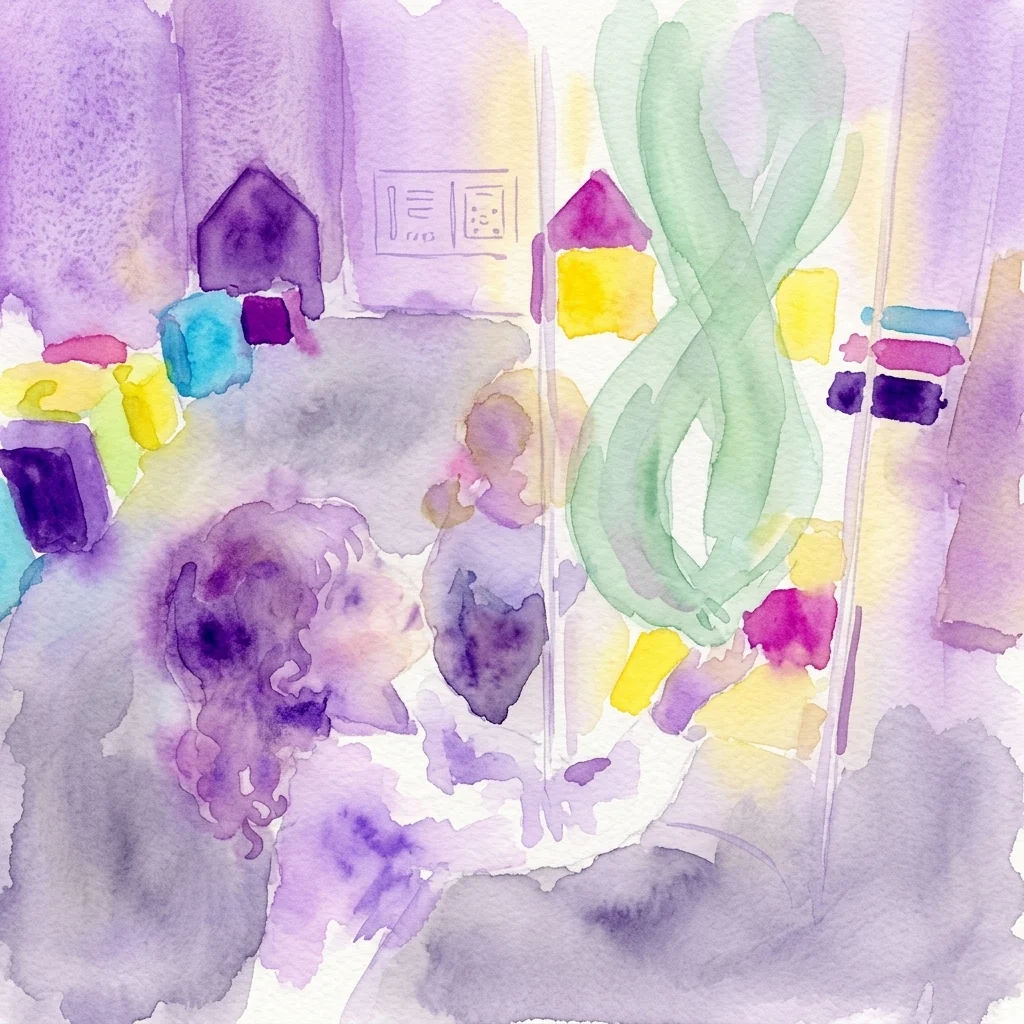
Children playing inside a colorful indoor play space featuring modular mini-houses, scattered foam blocks, and a large green twisted climbing rope.
Le Vaisseau
Permanent exhibition

The Playhouses at Le Vaisseau: Interactive Exhibition for Children

Explore physical and motor skill development through hands-on free play.

Children aged 3 to 6 can discover themed houses featuring sound-producing steps, tactile surfaces, and cog walls. This exhibition supports child-led exploration and independent movement to foster confidence and curiosity.

The Playhouses
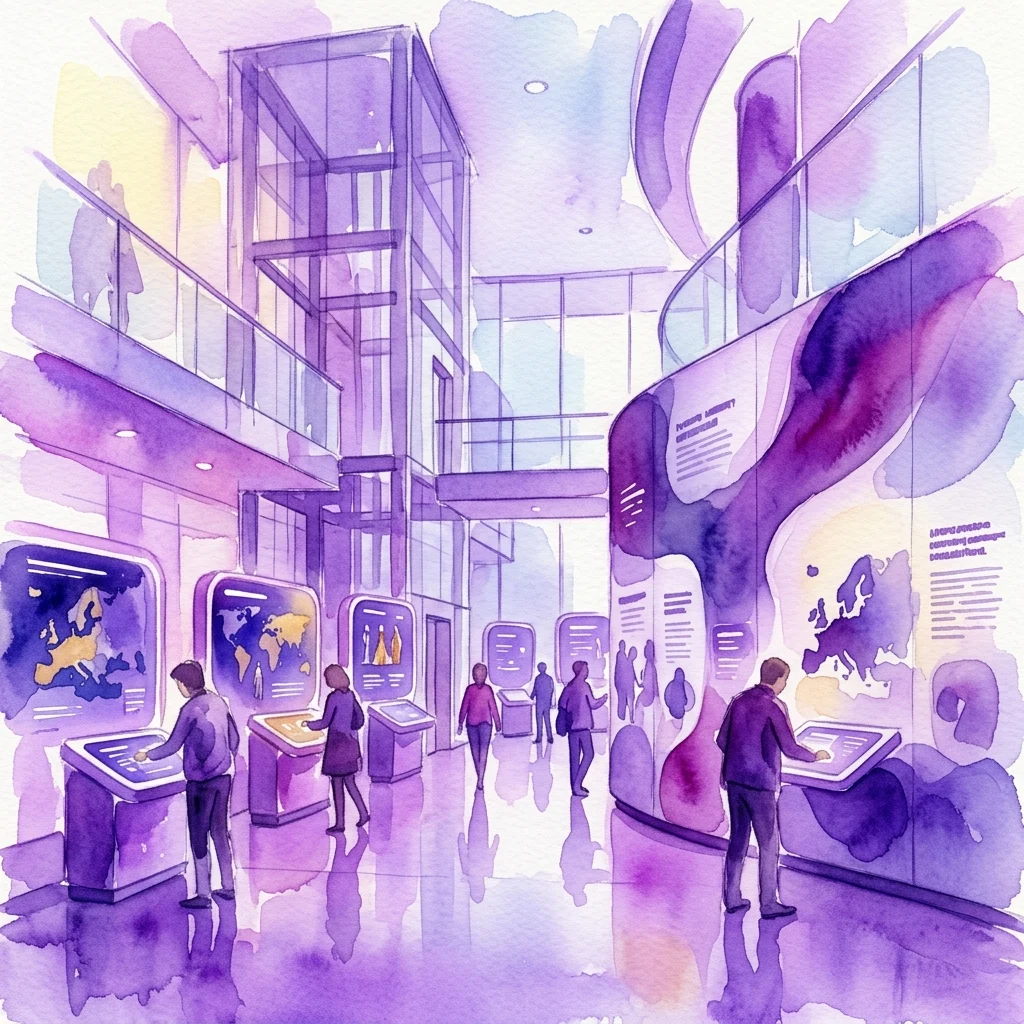
Watercolor rendering of the Parlamentarium Simone Veil interior, showing visitors engaging with digital interactive displays and European map panels in a modern multi-level exhibition space.
European Parliament Strasbourg Visitor Experience
Permanent exhibition

The Parlamentarium Simone Veil at the European Parliament in Strasbourg

Interactive exhibit on EU history and legislative processes.

Visit this permanent exhibition to understand the functions of the European Parliament. The space features displays on the legislative process and celebrates the legacy of Simone Veil.

Parlamentarium Simone Veil
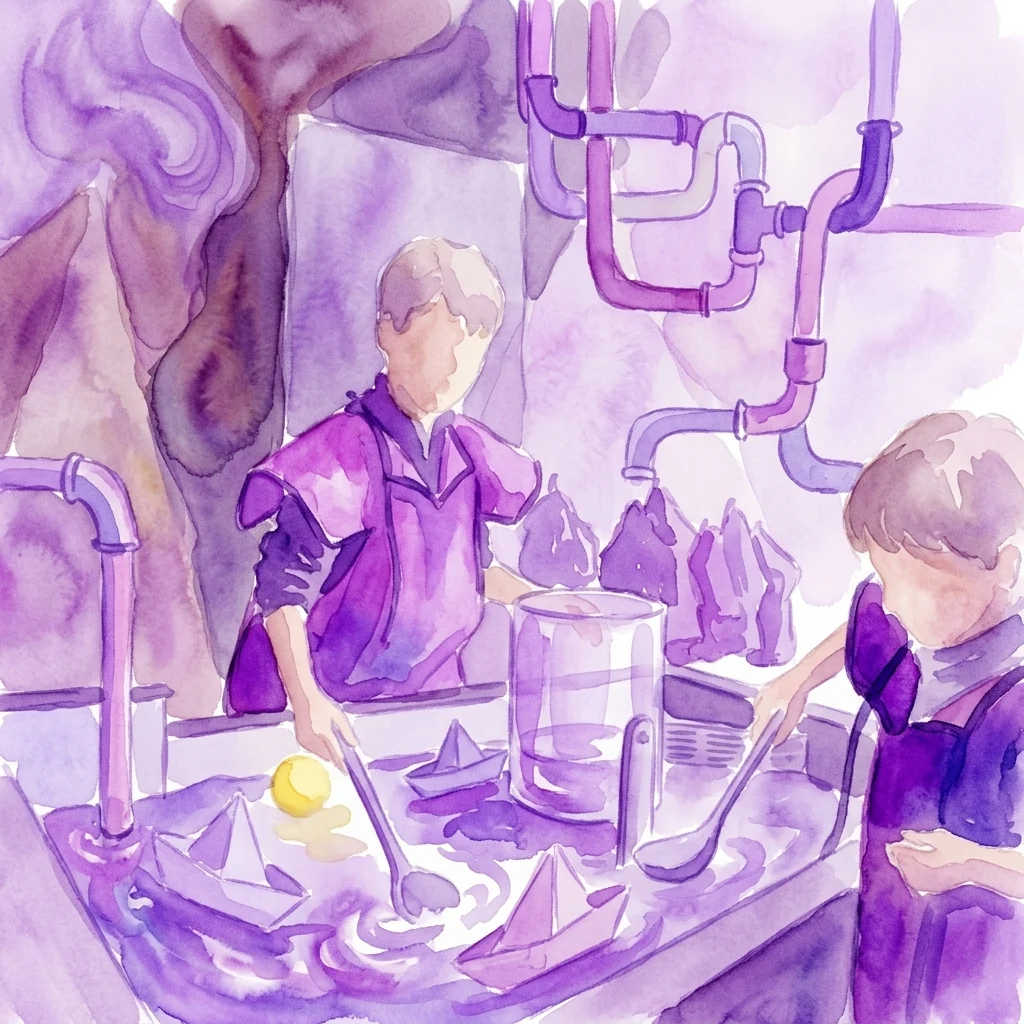
Watercolor illustration of two children playing at an interactive water exhibit with purple pipes, floating origami boats, and flowing channels.
Le Vaisseau
Permanent exhibition

The Oasis: Hands-on Water Physics Exhibition at Le Vaisseau

A permanent sensory exploration of aquatic science for all ages.

Engage with water properties through interactive stations that encourage problem-solving and play. Visitors can explore buoyancy and fluid motion in this unique, hands-on scientific environment.

The Oasis Exhibition
Strasbourg

Explore Diverse Museums and Cultural Institutions Across Strasbourg

A guide to the rich heritage and artistic venues in Strasbourg.

Uncover the intellectual and creative history of the region through a variety of permanent collections. From Gothic architecture to fine art galleries, find places that spark curiosity and provide deep insight into Alsatian life.