Vienna
Vienna · Sacred Art & History

Schottenstift Museum, Vienna

Explore a historic Benedictine abbey with significant art and manuscripts.

ArtHistoryLocal heritage

Explore the Schottenstift Museum, home to the enduring collections of a Benedictine monastery that has never ceased operation. Discover medieval panel paintings, including the renowned Schottenaltar, alongside Baroque art, historical artifacts, and liturgical treasures from centuries past.

Discover the rich historical and artistic collections of Schottenstift Museum, featuring Gothic masterpieces, Baroque art, and ancient manuscripts from Vienna's continuous monastery.
Schottenstift Museum
Schottenstift Museum's Monastic Collections

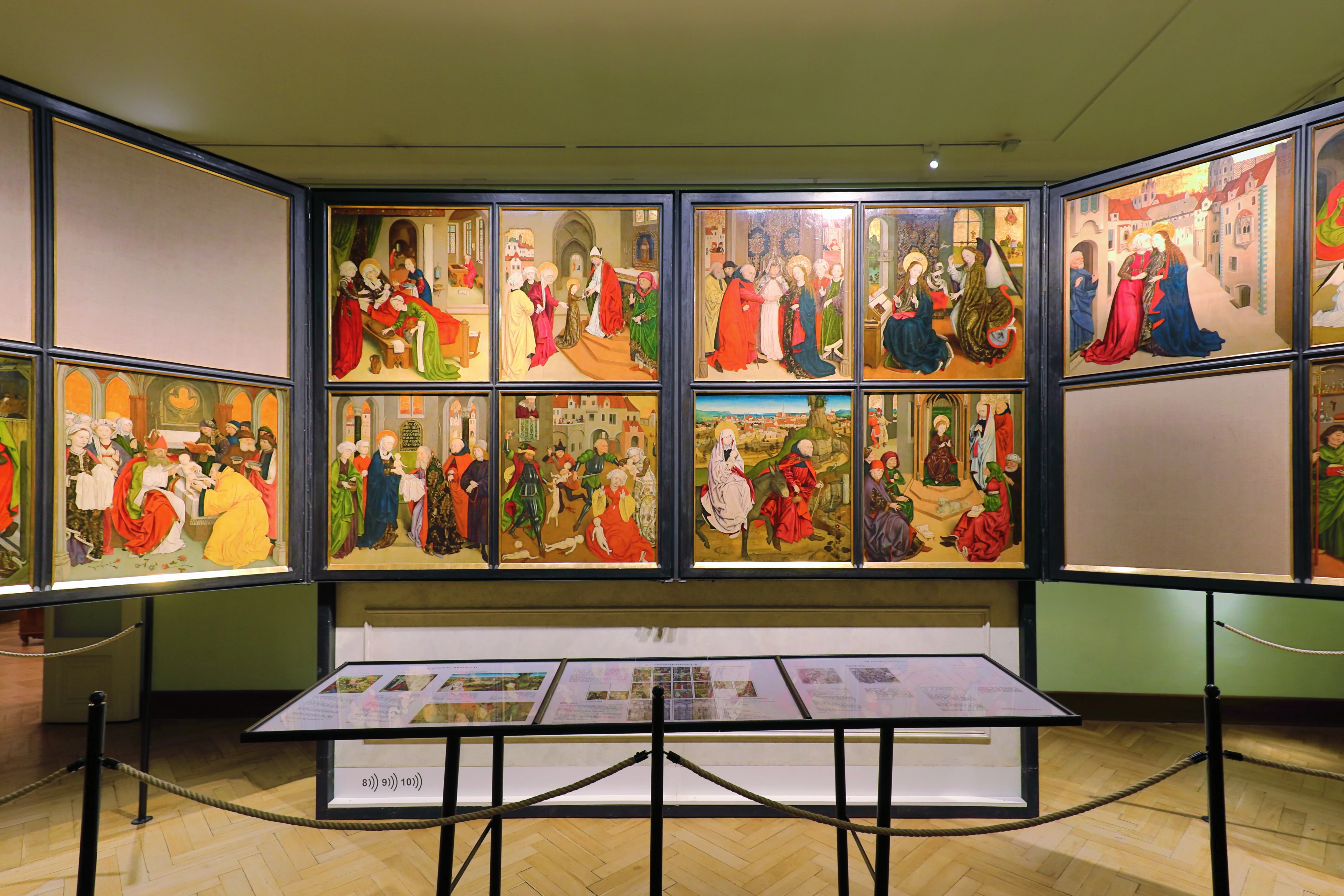
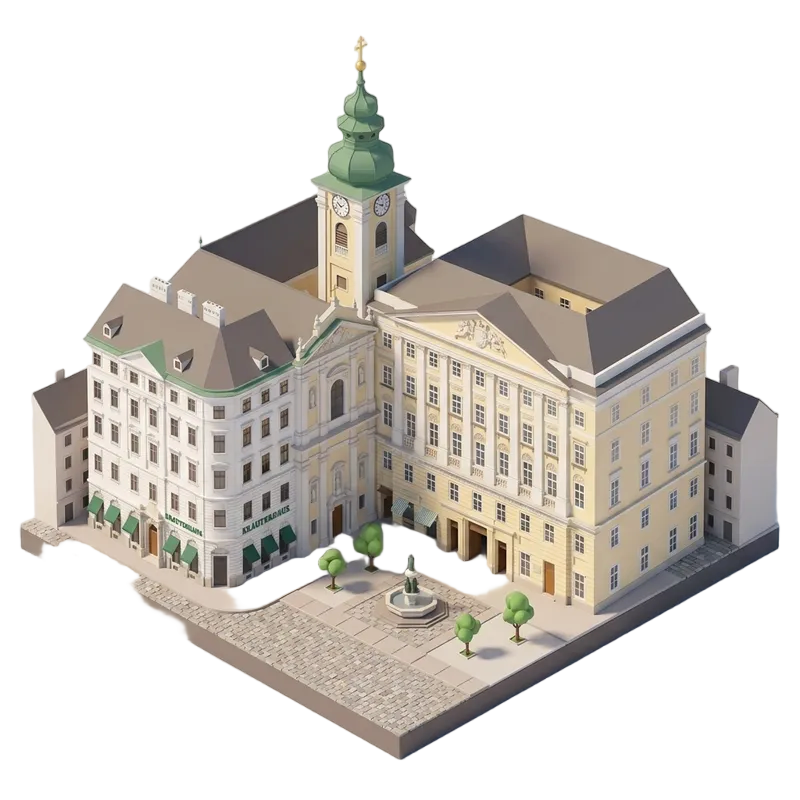
The Schottenstift Museum in Vienna showcases valuable pieces from its monastery's extensive collections, notable for their continuous preservation as the abbey was never dissolved. Its centerpiece is the Schottenaltar, a masterwork of Gothic panel painting from around 1470 that includes the earliest topographical depictions of Vienna. Visitors can also view works by Peter Paul Rubens and Franz Anton Maulbertsch. The museum's character is further defined by its collections of historical furniture, liturgical vestments, rare books, and manuscripts, reflecting a long Benedictine tradition of cultural stewardship.
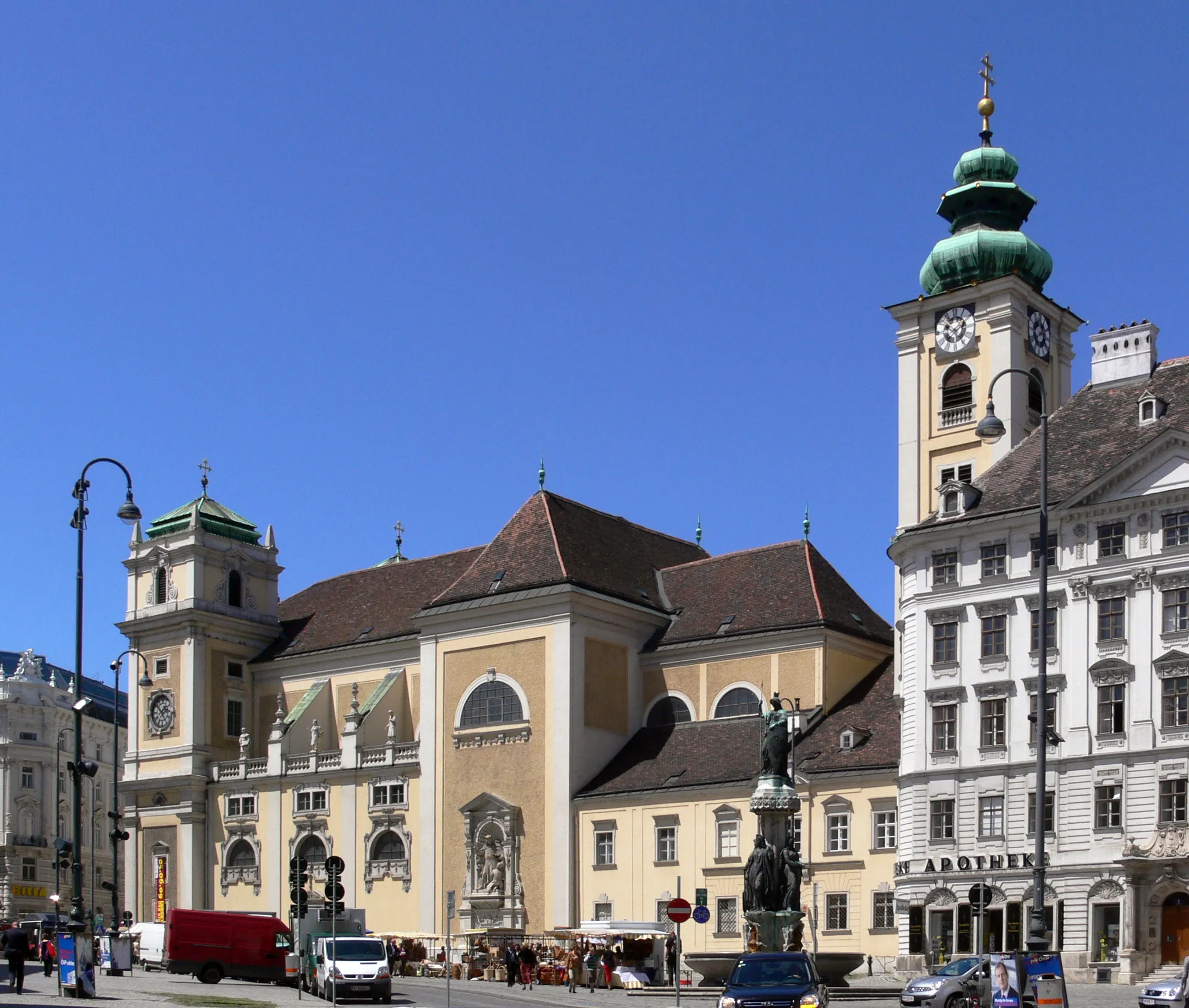
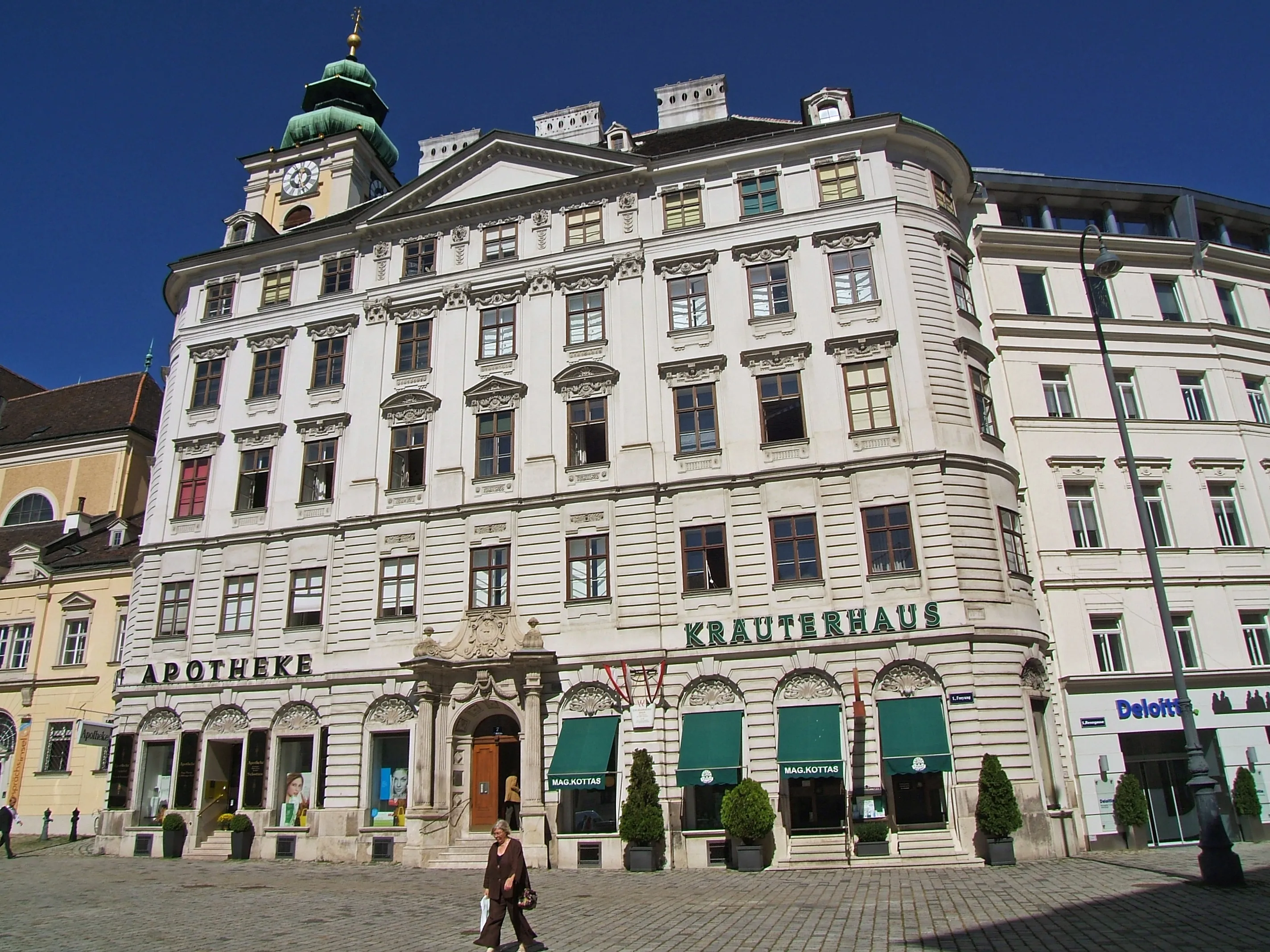
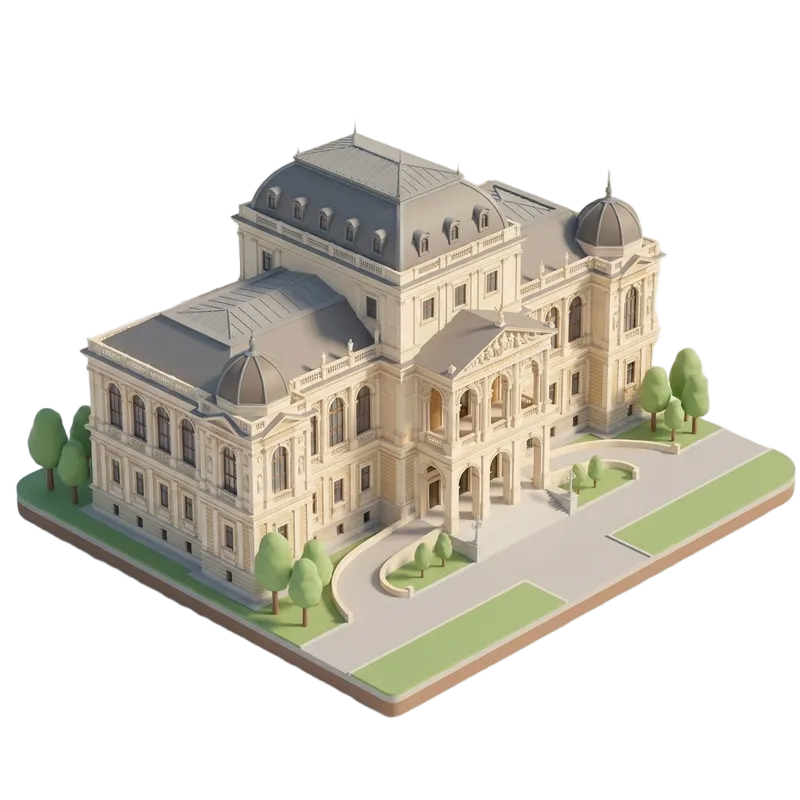
The Schottenstift Museum building with a green-domed tower and classical architecture under a clear blue sky
Schottenstift Museum opening hours in Vienna

Check today’s opening status, weekly schedule, and special date changes for Schottenstift Museum. Use these opening hours to plan your arrival and avoid closed times in Vienna.

Monday
Tuesday
Wednesday
Thursday
Friday
Saturday
Sunday
-
-
-
11:00-17:00
11:00-17:00
11:00-12:30 · 13:00-17:00
-
Schottenstift Museum Ticket Information

The Schottenstift Museum operates with a paid admission structure, offering diverse ticket categories. These include standard options for adults, alongside reduced rates for seniors, students, and children aged 6-15. The museum also provides group tickets and private tour packages. Free entry is extended to holders of specific passes such as the Vienna Pass, NÖ-Card, ICOM Österreich, and accredited tour guides. Additionally, Vienna Advantage Club members are eligible for a 2-for-1 discount on standard tickets, and audioguides are available in German and English.

Full price
€10.00

Entry without tour

Reduced (Pensioners, Students)
€8.00

For pensioners and students Entry without tour

Children (ages 6–15)
€5.00

Entry without tour

Schottenstift Museum's Location in Vienna

The Schottenstift Museum is situated at Freyung 6 in Vienna, offering visitors a prime location within the city's historic core. This central address provides convenient access for those looking to explore not only the museum's extensive collections but also the rich cultural heritage and surrounding attractions of Austria's capital.

© OpenStreetMap contributors

Freyung 6

1010 Vienna

Wien, AT

Visiting Schottenstift Museum

When planning your visit to the Schottenstift Museum in Vienna, be aware that entry operates on a timed basis. Public Abbey Tours provide a structured way to experience the museum and take place every Saturday at 14:30, with the exception of public holidays. Ensure you consider these schedules when arranging your trip for a seamless visitor experience.

Visiting Schottenstift Museum

Schottenstift Museum Experience

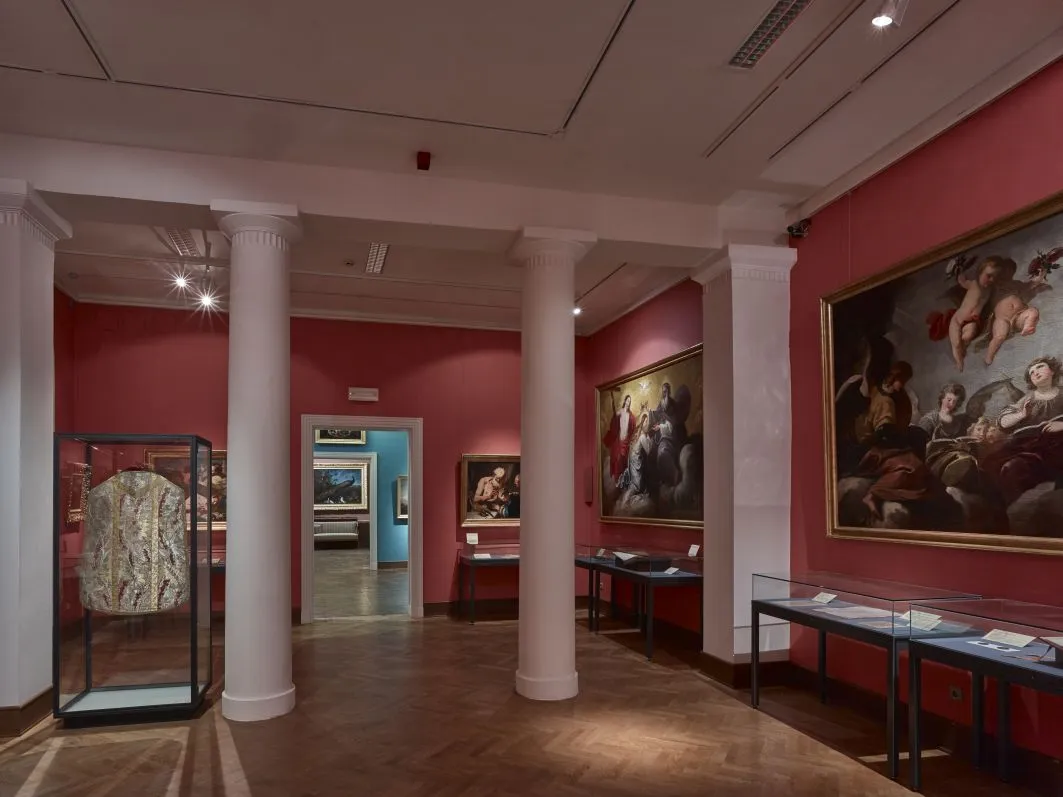
The Schottenstift Museum in Vienna presents a profound journey through centuries of monastic history and artistic heritage, showcasing treasures from a Benedictine abbey that has operated continuously without dissolution. Visitors encounter a distinctive collection within the former abbot's residence, centered around the renowned Schottenaltar. This Gothic panel painting from around 1470 is a true masterpiece, notable for featuring some of the earliest topographical depictions of the city. Beyond this central artwork, the museum's galleries display significant paintings by Peter Paul Rubens and Franz Anton Maulbertsch, alongside beautifully preserved early Dutch landscapes. The experience is enriched by an array of antique furniture, precious liturgical vestments, and rare manuscripts, all reflecting the monastery's enduring tradition of cultural stewardship and its deep historical roots.
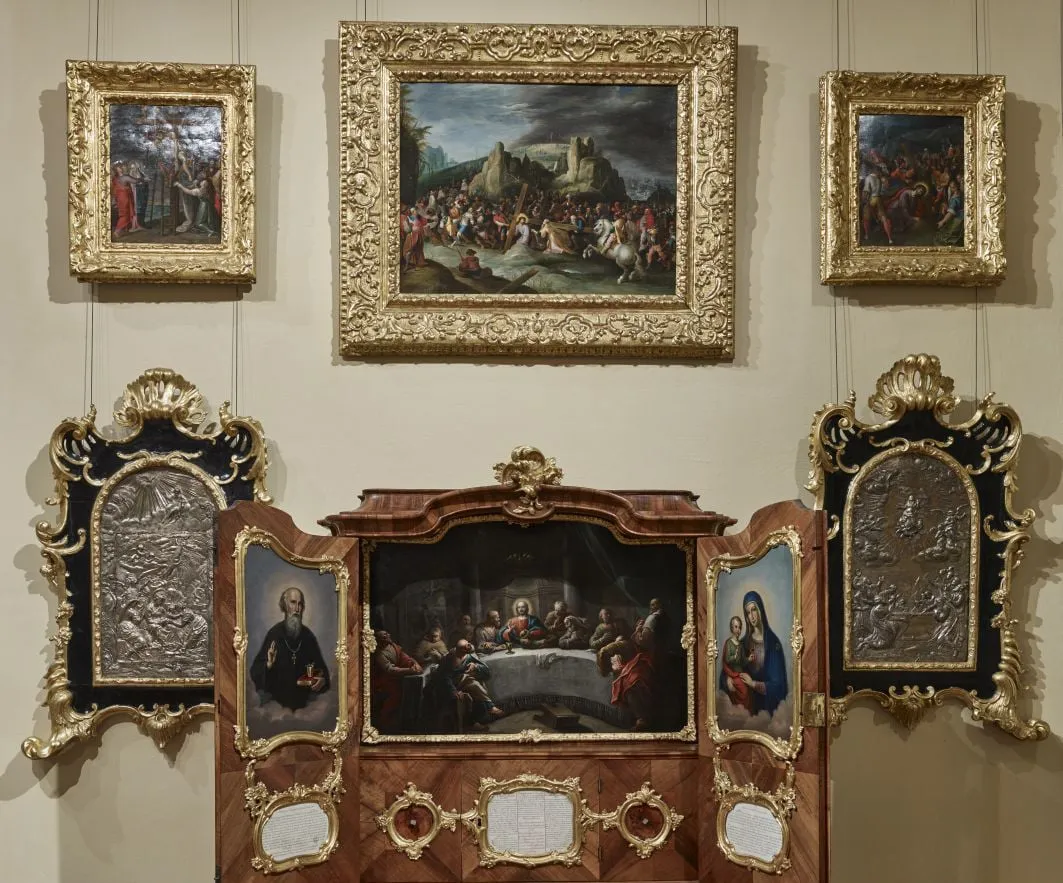
ornate paintings in gilded frames and a wooden altarpiece on a gallery wall
Top exhibition picks at Schottenstift Museum
Curated museum program highlights and what to see now in Vienna
Discover high-interest exhibitions at Schottenstift Museum, selected to help you prioritize your route, compare show themes, and plan a more rewarding museum visit in Vienna.
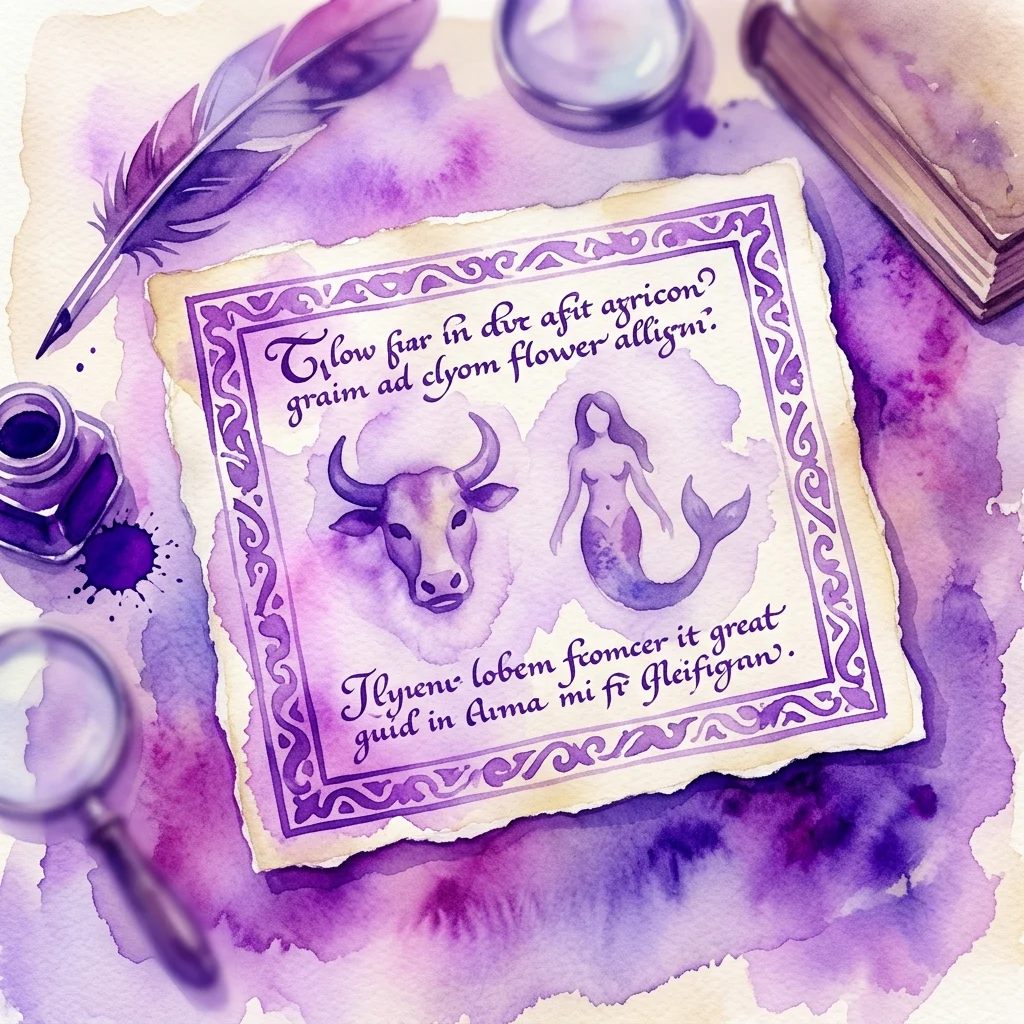
Medieval manuscript fragment with watermarks of an ox's head and a mermaid, surrounded by a quill, inkwell, and magnifying glass on a purple watercolor background.
From Mar 22, 2007

Ochsenkopf und Meerjungfrau: Medieval Watermarks Exhibition at Schottenstift Museum

Discover paper history through unique watermark research and motifs.

This exhibition delves into the historical significance of watermarks in medieval paper production and manuscript research. Learn about the diverse motifs and reproduction techniques, from tracing to radiography. It offers key insights for anyone interested in book studies and historical documents.

Exhibition Details
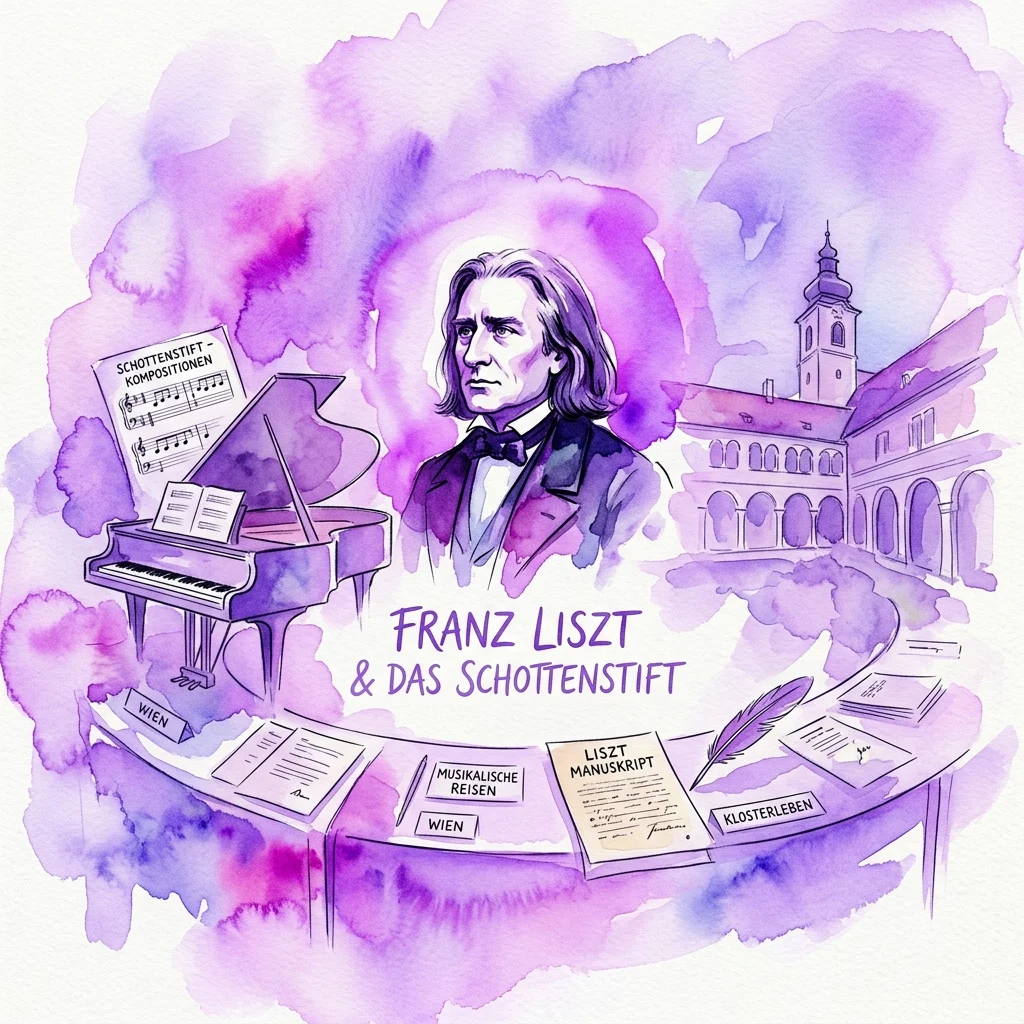
Illustration of Franz Liszt and the Schottenstift monastery, featuring a grand piano, musical scores, manuscripts, and a portrait of Liszt in a purple watercolor style.
From Nov 27, 2008

Franz Liszt im Schottenstift Exhibition: Composer's Vienna Connections

Explore the musical legacy and personal history of Franz Liszt within Vienna's historic Schottenstift.

This exhibition unveils Franz Liszt's significant connections to the Schottenstift monastery in Vienna, focusing on his stays and musical gatherings in the 'Blue Salon.' Learn about his presence in the city and relationships with prominent figures. Find more details regarding admission on the museum's official website.

Franz Liszt Exhibition
Watercolor illustration of a museum gallery with purple hues, featuring silhouettes of visitors viewing framed oil paintings on the walls.
Feb 18, 2010 – Apr 3, 2010

"gipfel d erschöpfung": Ewald Kapferer's Exhibition at the Schottenstift Museum

An art exhibition exploring exhaustion, ambition, and divine creation.

Ewald Kapferer's "gipfel d erschöpfung" exhibition presents oil paintings exploring perpetual learning, overachievement, and the balance between human ambition and divine creation. Discover this unique cultural commentary at the Schottenstift Museum.

View Exhibition
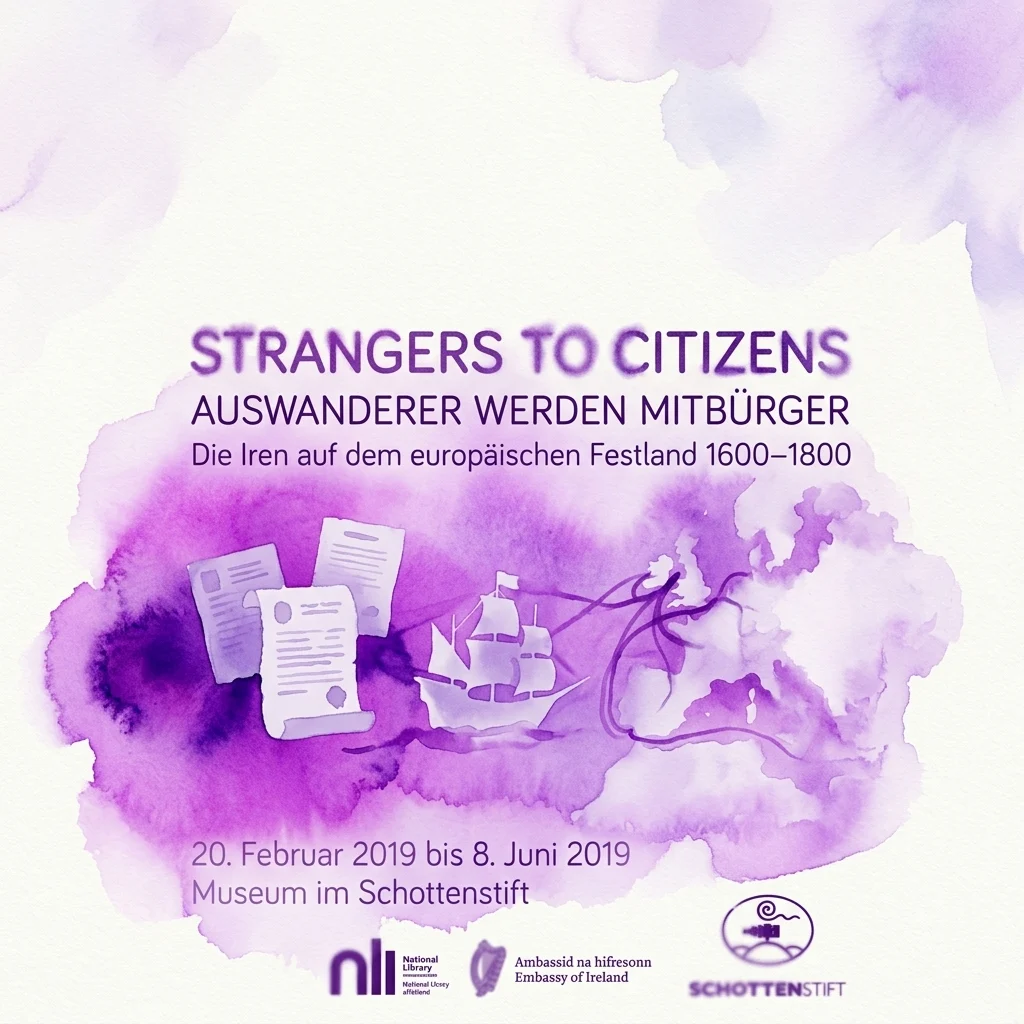
Promotional poster for the exhibition 'Strangers to Citizens: Auswanderer werden Mitbürger' at the Museum im Schottenstift, featuring purple watercolor background with documents, a ship, and a map, showcasing Irish migration in Europe from 1600-1800.
Feb 20, 2019 – Jun 8, 2019

Schottenstift Museum Exhibition: Strangers to Citizens – Irish Migration in Europe

Discover the historical journeys of Irish emigrants in early modern European societies.

Explore the Schottenstift Museum's 'Strangers to Citizens' exhibition, tracing the stories of Irish migrants in Europe from 1600 to 1800. This exhibit illuminates their challenges, cultural exchange, and eventual integration into new communities, highlighting enduring themes of human migration.

Exhibition Details

Historical Background of Schottenstift Museum

The Schottenstift Museum traces its origins to the Benedictine abbey founded in Vienna in 1155 by Henry II of Austria, which initially housed Irish monks known as 'Schotten'. The first monastery construction began around 1160, with the initial church being a Romanesque pillar structure. Over centuries, the site faced challenges such as a major fire in 1276 and a tower collapse in 1638, leading to extensive rebuilding and renovations, notably in the 17th and 19th centuries. The abbey played a significant role in education and culture, establishing the Schottengymnasium in 1807 and being recognized for its **literary activities** in the 15th century. This long and continuous history underscores the institution's enduring cultural presence in the city.

  • Founded in 1155 by Henry II of Austria

    1155Founding

    The Schottenstift was founded in 1155 when Henry II of Austria brought Irish monks from the Scots Monastery in Regensburg to Vienna. These monks were known as 'Iroschotten' or 'Schotten'.

  • Construction of the first monastery began in 1160

    1160-1200Construction

    The construction of the first monastery at Schottenstift commenced in 1160, following its founding. The structure was later consecrated in the year 1200.

  • First church was Romanesque pillar church

    Architecture

    The initial church structure at Schottenstift was a three-aisled, Romanesque pillar church featuring a single apse. Henry II was interred there after his death.

  • Fire destroyed cloister and buildings in 1276

    1276Other

    A significant fire in 1276 resulted in the destruction of the cloister at Schottenstift, along with numerous other buildings throughout Vienna.

  • Albert V seized cloister in 1418

    1418Ownership

    During the Melker Reform aimed at reviving Benedictine ideals, Duke Albert V took control of the cloister in 1418. He then established a community of Benedictines, though they continued to be known as the 'Schotten'.

  • Distinguished by literary activities in the 15th century

    1450-1499Milestone

    In the mid-15th century, the monastery gained distinction through the literary work conducted by its schoolmaster, Wolfgang Schmeltzl, and his successor, Johannes Rasch.

  • Church rebuilt after tower collapse in 1638

    1638Construction

    Following the collapse of the tower due to a lightning strike in 1638, the church underwent a complete rebuilding by architects Andrea d'Allio the Younger and Silvestro Carlone. This resulted in a slightly shortened church and the tower no longer being directly adjacent to the basilica.

  • Church restored after Turkish siege

    Renovation

    Following the Turkish siege, the church at Schottenstift was restored. Proposals to extend the Baroque west tower, which was only slightly higher than the façade, were never realized.

  • Johann Fux was organist around 1700

    1700Notable person

    The renowned Baroque musician Johann Fux served as the organist at the Schottenstift around the year 1700.

  • New priory built between 1773 and 1774

    1773-1774Construction

    A new priory, which included a school, was constructed in the grounds of an open-air cemetery between 1773 and 1774 by Andreas Zach. This building was popularly nicknamed the 'chest-of-drawers house' due to its appearance.

  • Schottengymnasium founded in 1807

    1807Milestone

    The Schottengymnasium, an institute for secondary education, was established by imperial decree in 1807, originating from the Schottenstift.

  • Auxiliary buildings renovated around 1830

    1830Renovation

    Around 1830, the auxiliary buildings of the Abbey, particularly those facing the Freyung, underwent renovation and partial rebuilding, managed by architect Joseph Kornhäusel.

  • Church restored and renovated in the 1880s

    1880-1889Renovation

    In the 1880s, the church underwent restoration and partial renovation. This period saw the addition of ceiling paintings by Julius Schmid and a new high altar based on designs by Heinrich von Ferstel.

  • Museum reinstalled in 1994/95

    1994-1995Renovation

    The museum at Schottenstift has been reinstalled twice in recent history, with the first major refurbishment occurring in 1994/95.

  • Museum reinstalled again in 2004/5

    2004-2005Renovation

    Following an earlier refurbishment, the museum at Schottenstift underwent another reinstallation between 2004 and 2005.

Schottenstift Museum: Answers to Your Visiting Curiosities

Wondering about visiting Schottenstift Museum? Many visitors are curious about everything from special private tours to general contact information. You might find answers to questions like how to arrange a unique group visit or even if a general contact number exists, along with practical details on required timed entry.

How do visitors book a private group tour at Schottenstift Museum?

Private group tours at Schottenstift Museum can be booked by completing the dedicated form available at https://schotten.wien/stift/museum/private-fuehrungen/.

Does Schottenstift Museum have a general contact phone number?

Schottenstift Museum does not provide a general contact phone number for visitor inquiries. Specific contact methods are available for tour-related questions.

How can I contact Schottenstift Museum for private or custom tours?

For inquiries regarding private or custom tours at Schottenstift Museum, please send an email to [email protected].

Is there a general email address for Schottenstift Museum?

Schottenstift Museum's provided email address, [email protected], is exclusively for private and custom tour inquiries. A general email for other inquiries is not listed.

Planning Your Visit to Schottenstift Museum

When arranging your visit to the Schottenstift Museum, it's important to note that access for certain experiences involves timed entry. Specifically, Public Abbey Tours are conducted every Saturday at 14:30. Visitors planning to join these tours should be aware that they are not held on public holidays. Considering this schedule can help ensure a smoother and more informed visit.

Visitor Suitability for Schottenstift Museum

The Schottenstift Museum in Vienna offers a compelling experience for visitors interested in art, history, and local heritage. Its collections feature significant sacred art, medieval artifacts, and important paintings, including the renowned Schottenaltar. Those fascinated by Benedictine monastic traditions and Vienna's continuous historical narratives will find the exhibits particularly engaging. The museum provides a focused look at centuries of cultural stewardship, with public abbey tours available to enhance the visit.

Schottenstift Museum Photo Gallery

Explore the Schottenstift Museum through a visual journey showcasing its extensive collections. Photographs reveal ornate altarpieces and paintings, alongside antique furniture and historical artifacts displayed within the traditional museum galleries in Vienna. These images offer a preview of the sacred art and historical treasures awaiting visitors.
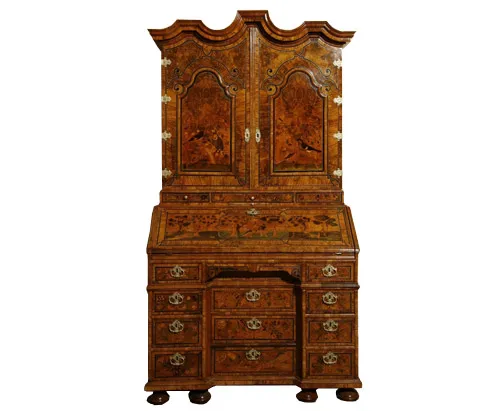
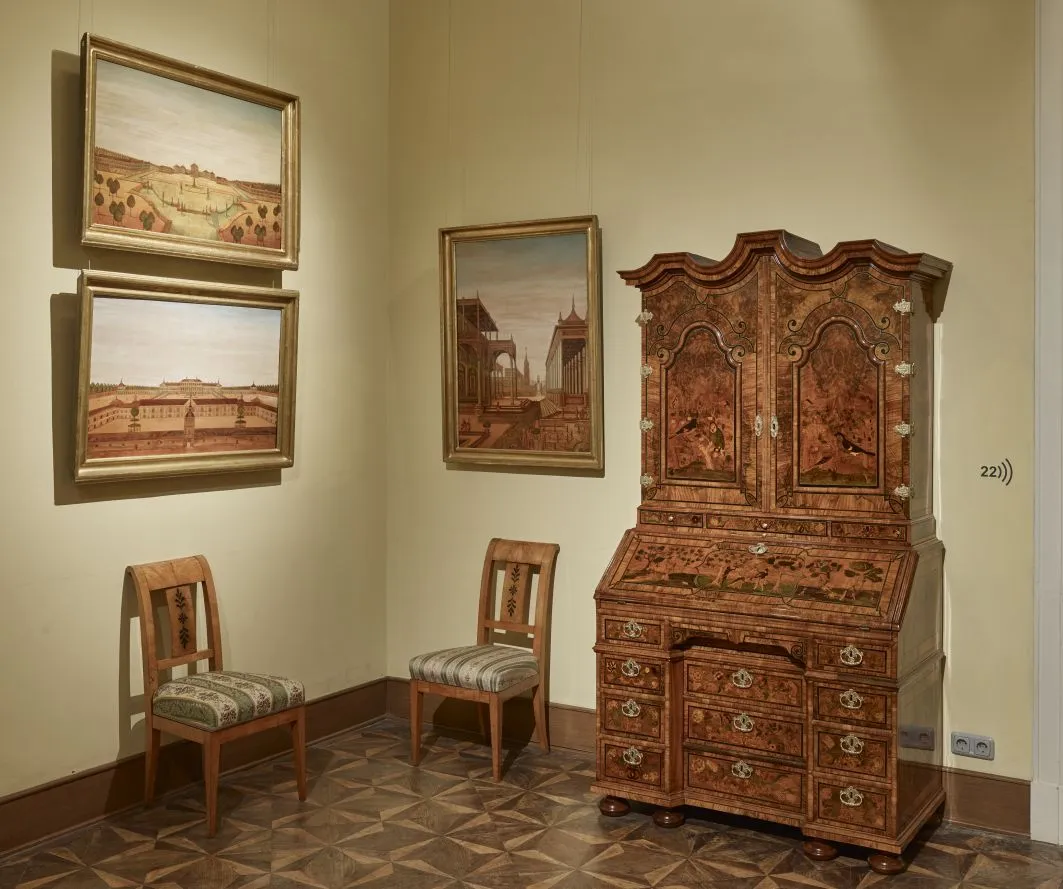
ornate wooden cabinet with marquetry and gilded hardware
The Schottenstift Museum building with a green-domed tower and classical architecture under a clear blue sky
ornate paintings in gilded frames and a wooden altarpiece on a gallery wall
Interior of Schottenstift Museum with red walls, white columns, and paintings on display
A wooden cabinet with intricate carvings and paintings on the wall in a museum gallery
white building with green awnings and a green dome under a blue sky
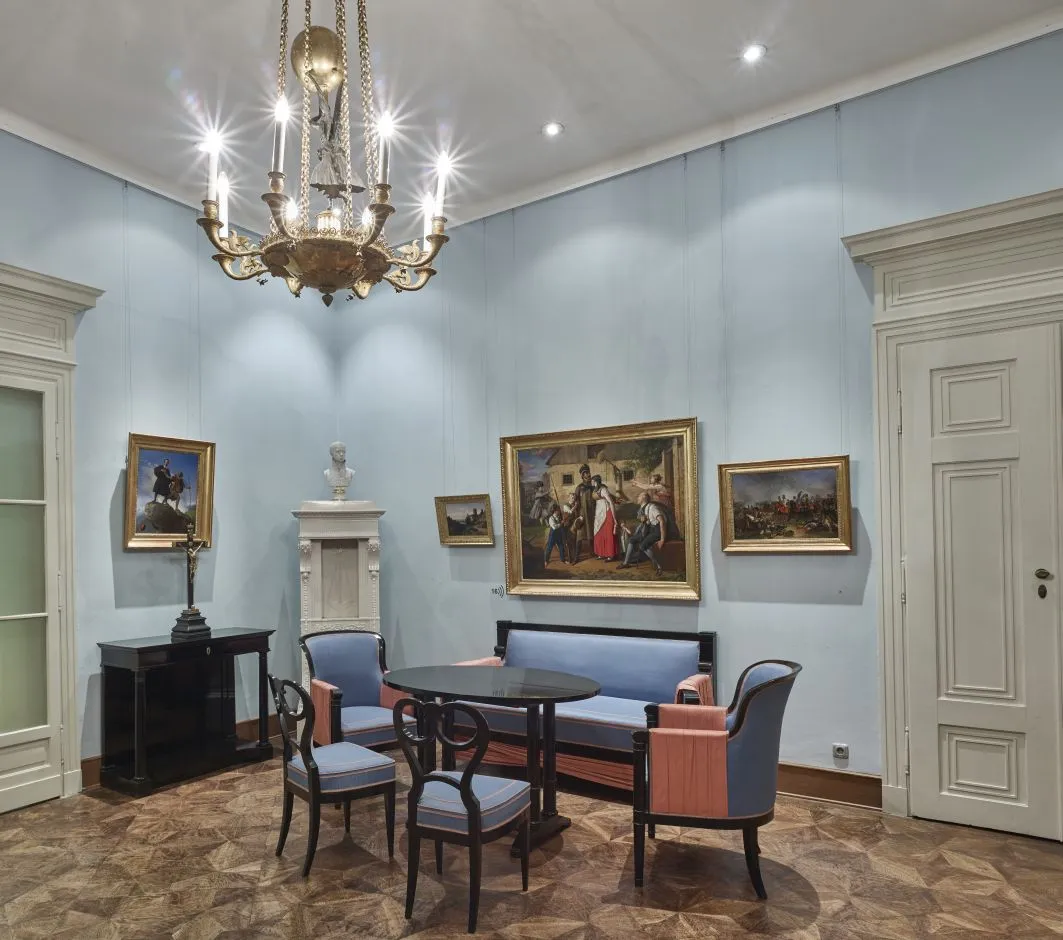
An elegant gallery room with light blue walls, a chandelier, paintings, and classical furniture
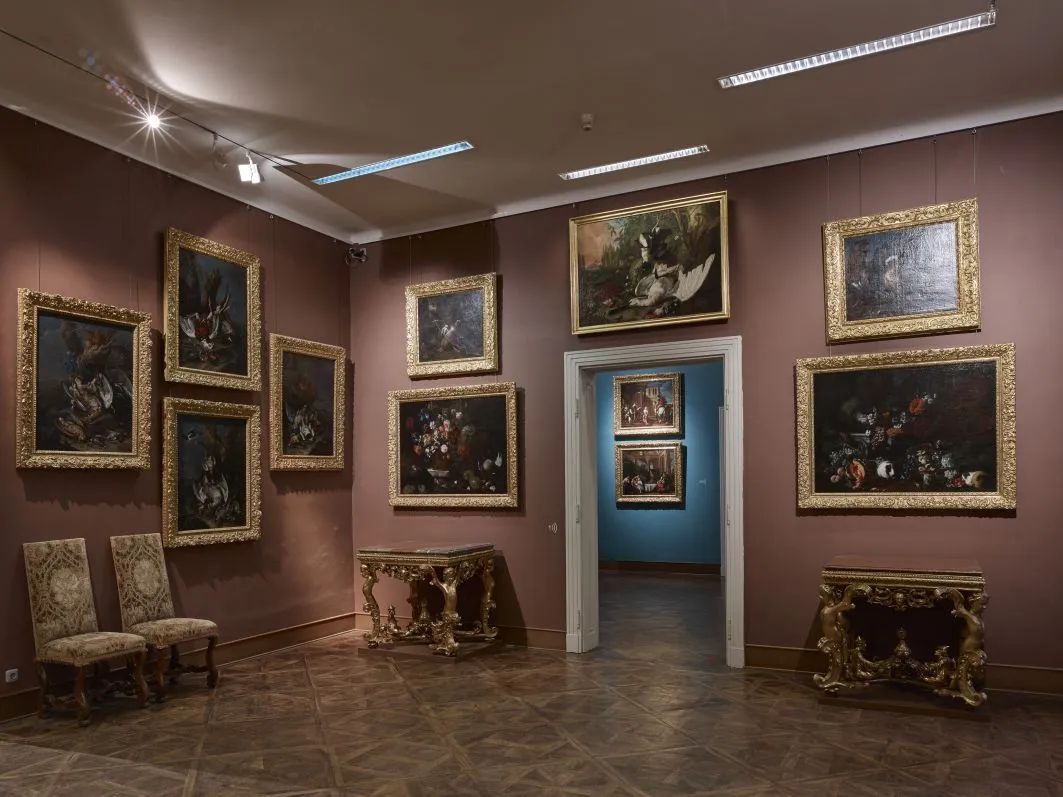
Gallery room with paintings in gold frames on mauve walls, gilded furniture, and a doorway to another room
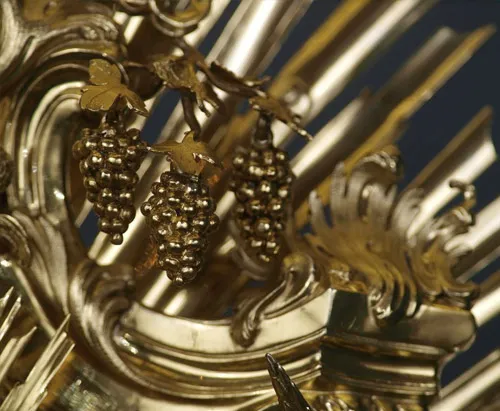
close-up of golden metalwork with grape clusters and leaves
curved wall display of historical paintings in a museum gallery
Vienna

Find Museums in Vienna: Discover Cultural Sites by Interest and Theme

Uncover Vienna's rich artistic legacy, history, and scientific collections.

Explore the depth of Vienna's cultural offerings and discover institutions by what truly interests you. Whether it's historical landmarks, fine art, or specialized topics, easily locate your next memorable experience.

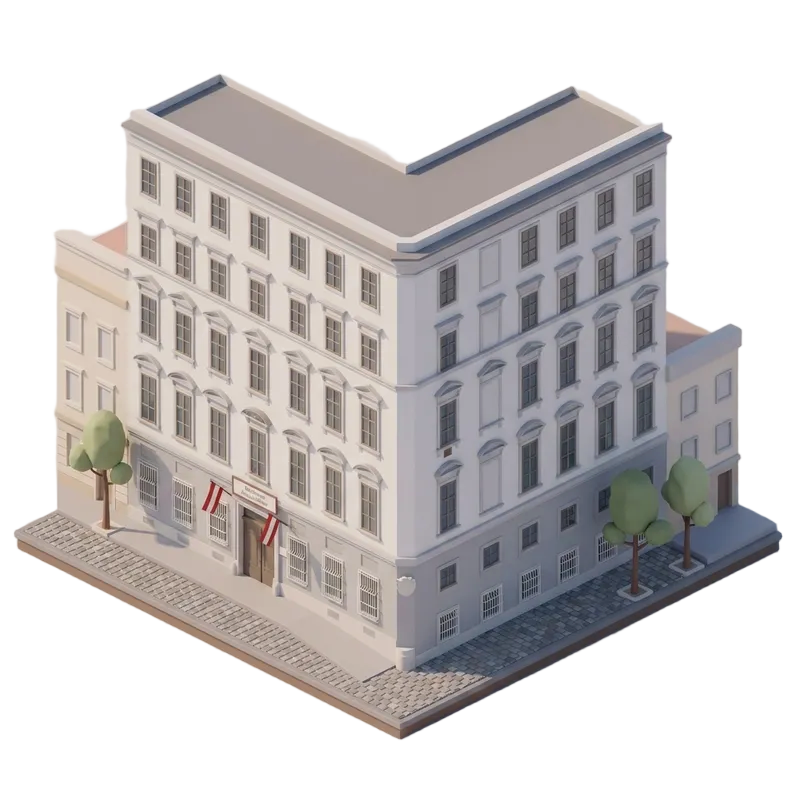
Explore Schottenstift Museum with Vienna
Guides, visitor info, and museum details in Vienna
Find everything about Schottenstift Museum in one place, including tickets, opening hours, current exhibitions, location details, visitor tips, nearby attractions, and the latest museum updates. Use these pages to plan your visit, discover what to see, and get practical information before you go.
Discover nearby museums similar to Schottenstift Museum in Vienna and plan your next cultural stop with confidence.
These recommendations prioritize real proximity to Schottenstift Museum and help you find high-fit alternatives faster across Vienna.
Use this curated list to compare museums near Schottenstift Museum without opening multiple search pages. Each card gives you fast visual context and direct access to key details so you can decide quickly. If you are building a full day in Vienna, this section helps you chain nearby visits with less planning effort.