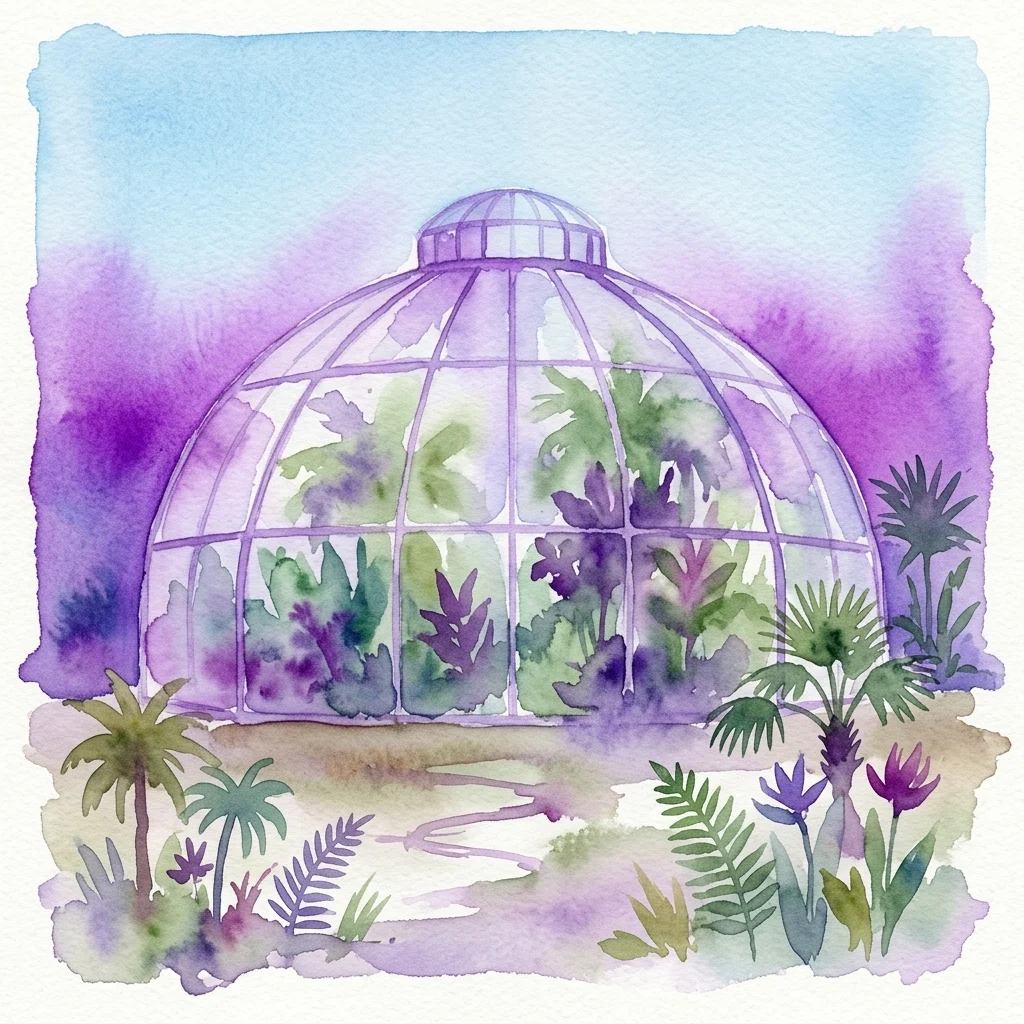
This themed garden within the Hirschstetten Botanical Gardens is dedicated to Traditional Chinese Medicine (TCM). It features a harmonious design, medicinal herbs, impressive statues, and symbolic elements like water and stones, offering a space for learning, relaxation, and meditation.
The TCM Garden, located in the heart of the Hirschstetten Botanical Gardens, offers a journey into the culture of the Middle Kingdom. Inspired by the ideas of ethnobotanist Miriam Wiegele, the garden's plant selection emphasizes Traditional Chinese Medicine (TCM), creating a unique educational and contemplative space. It incorporates typical Chinese garden elements such as bamboo, stones, and water features, alongside symbolic statues like Guanyin, the goddess of mercy, and Confucius.
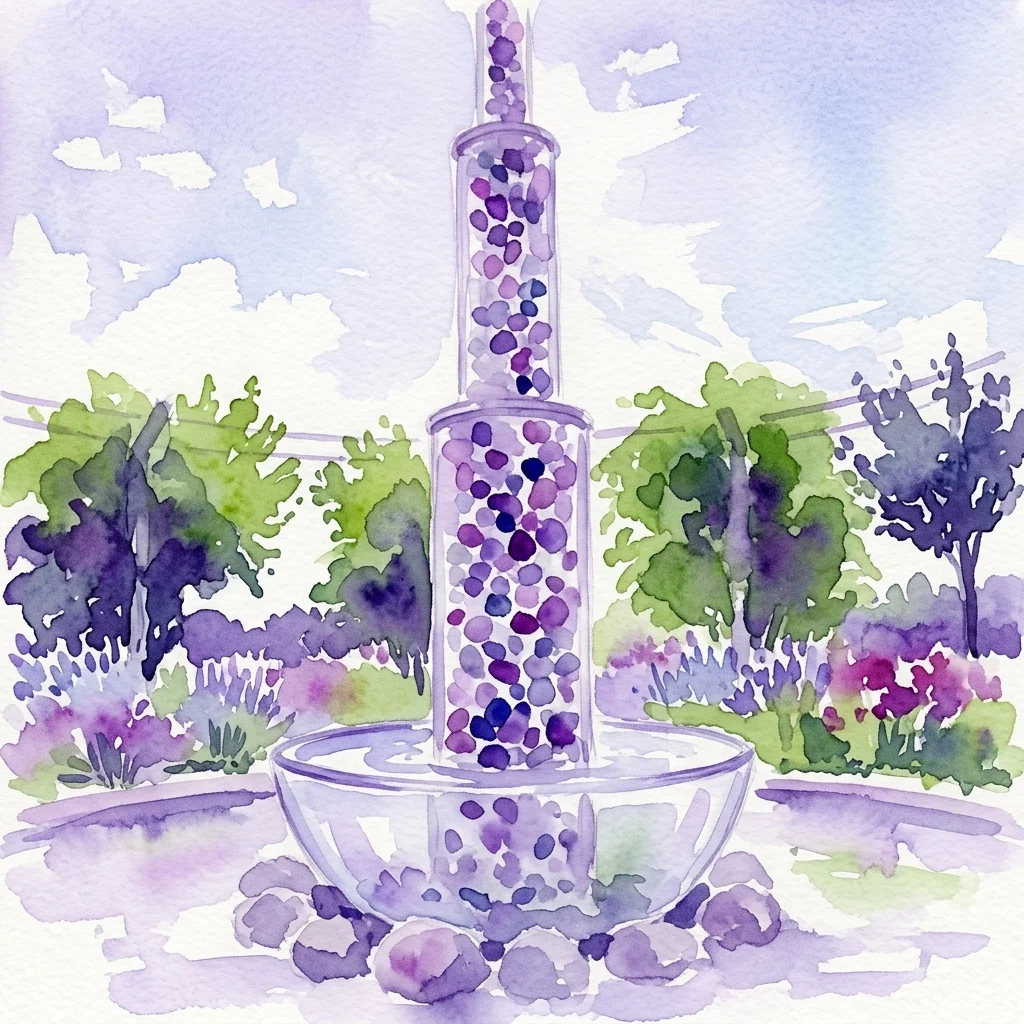
Originally opened in October 2009 as part of the '60 Years of the People's Republic of China' celebrations, the garden was expanded in 2010. Its central feature is a Yin-Yang-shaped bed, symbolizing the complementary forces crucial in TCM for maintaining well-being. Medicinal herbs are thoughtfully grouped according to their healing properties, making the garden a living laboratory for those interested in TCM. A meditative water basin with lotus plants, symbolizing purity and enlightenment, and a decorative bamboo fence further enhance the garden's serene atmosphere.