Vienna
Open now

A Historic Exhibition: 1919 and Austria's First Female Parliamentarians at the House of Austrian History

Investigate the backgrounds and contributions of the groundbreaking women who shaped the new Austrian Republic in 1919.

Delve into a defining moment of Austrian history with this exhibition. It explores the pivotal 1919 election, when women first exercised their right to vote and were elected to parliamentary office. Discover the stories and significant political contributions of the eight pioneering female representatives who shaped the nascent Austrian Republic.

About 1919: The First Female Representatives at House of Austrian History in Vienna

Read curatorial context and practical visitor information for 1919: The First Female Representatives at House of Austrian History in Vienna

Exhibition summary

This historical feature explores the pivotal moment in 1919 when eight women were elected to the Constituent National Assembly, marking the first time women could vote and hold parliamentary office in Austria. It details the backgrounds and contributions of these pioneering political figures who shaped the new republic.

Curatorial context

In 1919, following the establishment of new electoral laws based on universal suffrage for all citizens regardless of gender, Austrian women exercised their right to vote for the first time. The elections held on February 16, 1919, led to the election of eight women to the Constituent National Assembly on March 4, 1919. These pioneering women included Hildegard Burjan from the Christian Social Party, and from the Social Democratic Party, Anna Boschek, Emmy Freundlich, Adelheid Popp, Gabriele Proft, Therese Schlesinger, Amalie Seidel, and Maria Tusch. Their entry into politics was instrumental in the formation and development of the newly established Austrian Republic. The text provides brief biographical details for each of these influential figures, highlighting their roles and affiliations. For instance, Hildegard Burjan was a co-founder of 'Caritas Socialis,' while Anna Boschek was a board member of the Free Trade Unions. Adelheid Popp was a co-founder and head of the "Arbeiterinnen-Zeitung" (Women Workers' Newspaper), and Therese Schlesinger was a member of the SP party executive board who fled to France in 1938 to escape the Nazi regime. Maria Tusch, notably, was the only representative from a federal state. The entry also mentions Olga Rudel-Zeynek, who became the first woman to chair the Federal Council in 1927. The content is authored by Karin M. Schmidlechner and is presented within the 'House of Austrian History' context, emphasizing its significance in understanding Austrian political and social history.

Admission and ticket notes

This page focuses on historical content and does not contain specific ticketing information for this topic. Visitors interested in attending the museum or specific exhibitions should refer to the museum's main ticketing section or contact them directly.

1919: The First Female Representatives key exhibition facts

Review exhibition status, schedule, venue context, and attribution details for 1919: The First Female Representatives at House of Austrian History in Vienna

Venue
House of Austrian History
Current status
Open now
Exhibition schedule
From Mar 4, 1919
Artist line / attribution
Authored by Karin M. Schmidlechner.
More from House of Austrian History
Explore additional exhibitions from the same institution
Review other exhibitions from House of Austrian History in Vienna to compare themes, timelines, and program direction while planning your museum visit.
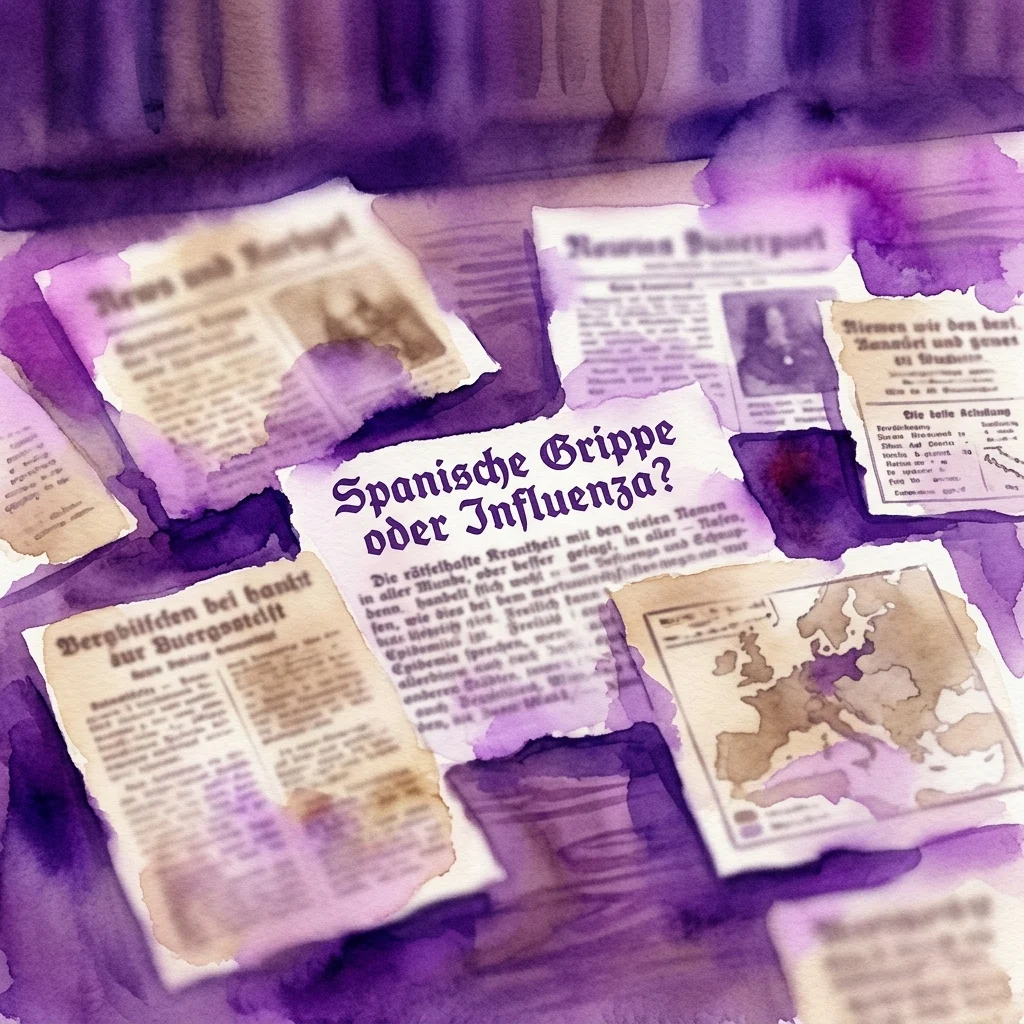
Collage of German newspaper clippings with a purple wash, headlined 'Spanische Grippe oder Influenza?', illustrating historical pandemic reporting.
Permanent exhibition

How the Pandemic Became 'Spanish' Exhibition: Media and History

An analysis of wartime censorship and the 1918 influenza pandemic.

Discover the historical context behind the naming of the 1918 pandemic. This research-based exhibition explains how media outlets masked the virus's true scale while focusing on wartime updates.

Pandemic History Exhibition
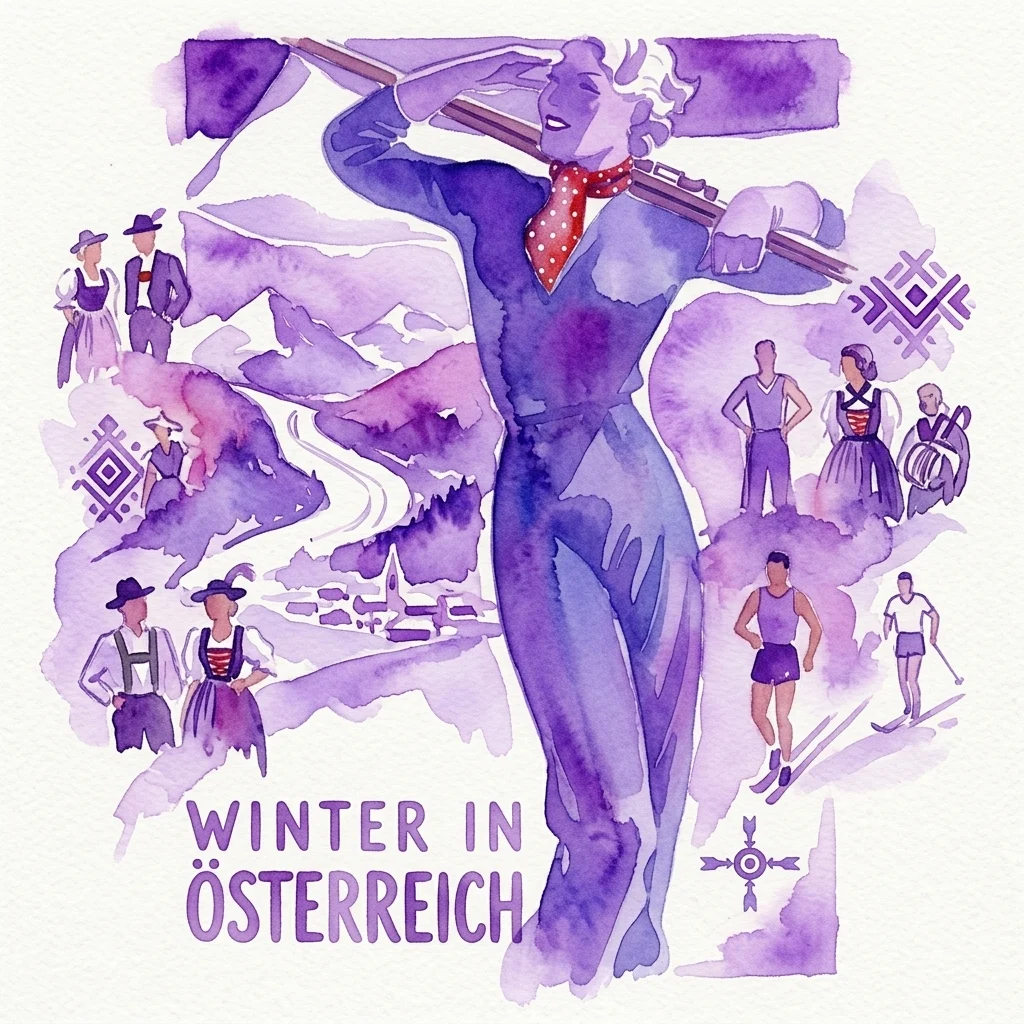
Discover the Historical Exhibition: 1933 and Austrian State Tourism Advertising
Permanent exhibition

Discover the Historical Exhibition: 1933 and Austrian State Tourism Advertising

Explore how Austria's government shaped national tourism promotion.

Examine the transformation of tourism advertising into a state task in Austria starting in 1933. This historical overview details visual campaigns and their foundational impact on creating a major tourist destination.

Exhibition Details
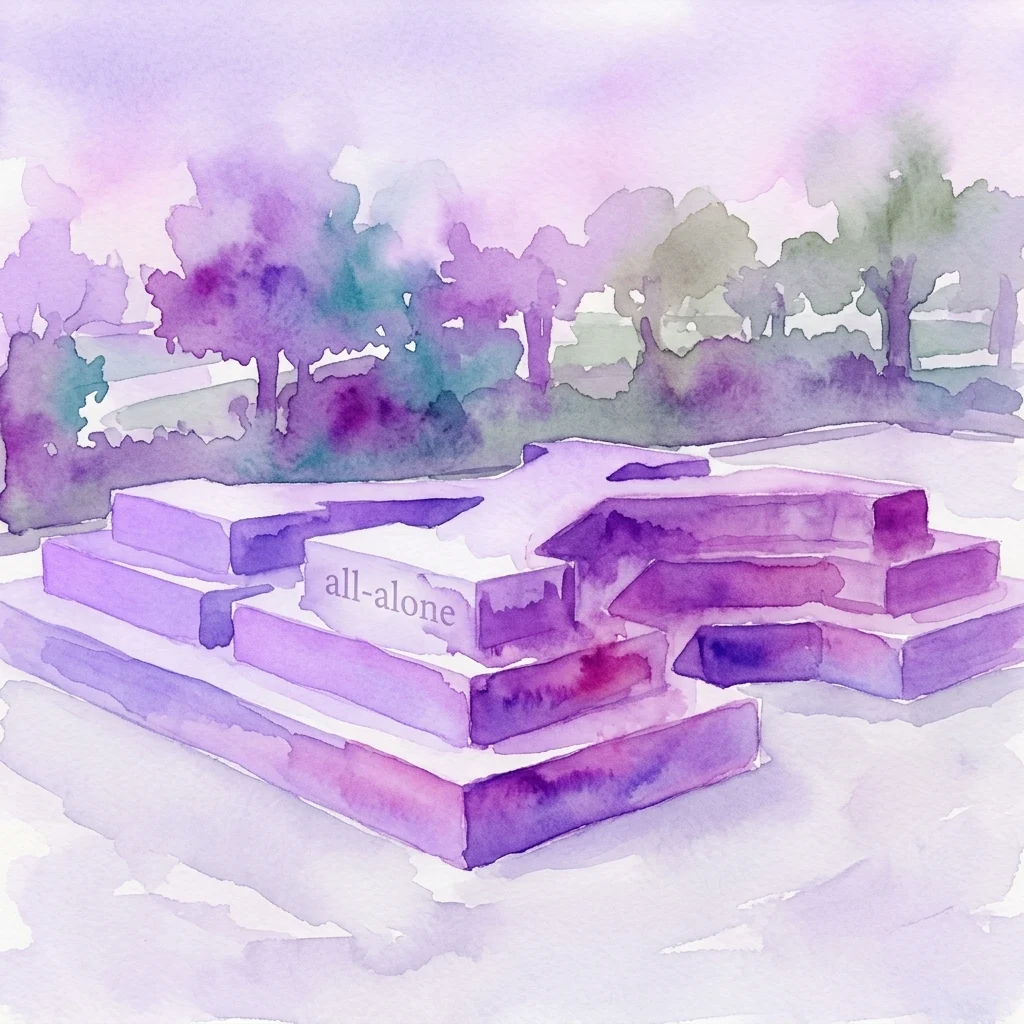
Vienna's Memorial to Nazi Military Justice Victims: A Public Art Tribute
Permanent exhibition

Vienna's Memorial to Nazi Military Justice Victims: A Public Art Tribute

Designed by Olaf Nicolai, honoring WWII victims of military courts.

This significant memorial on Vienna's Ballhausplatz commemorates those persecuted by Nazi military justice during World War II. Discover the artwork by Olaf Nicolai, featuring the poignant 'all – alone' inscription, a powerful reflection on historical accountability.

Memorial Details
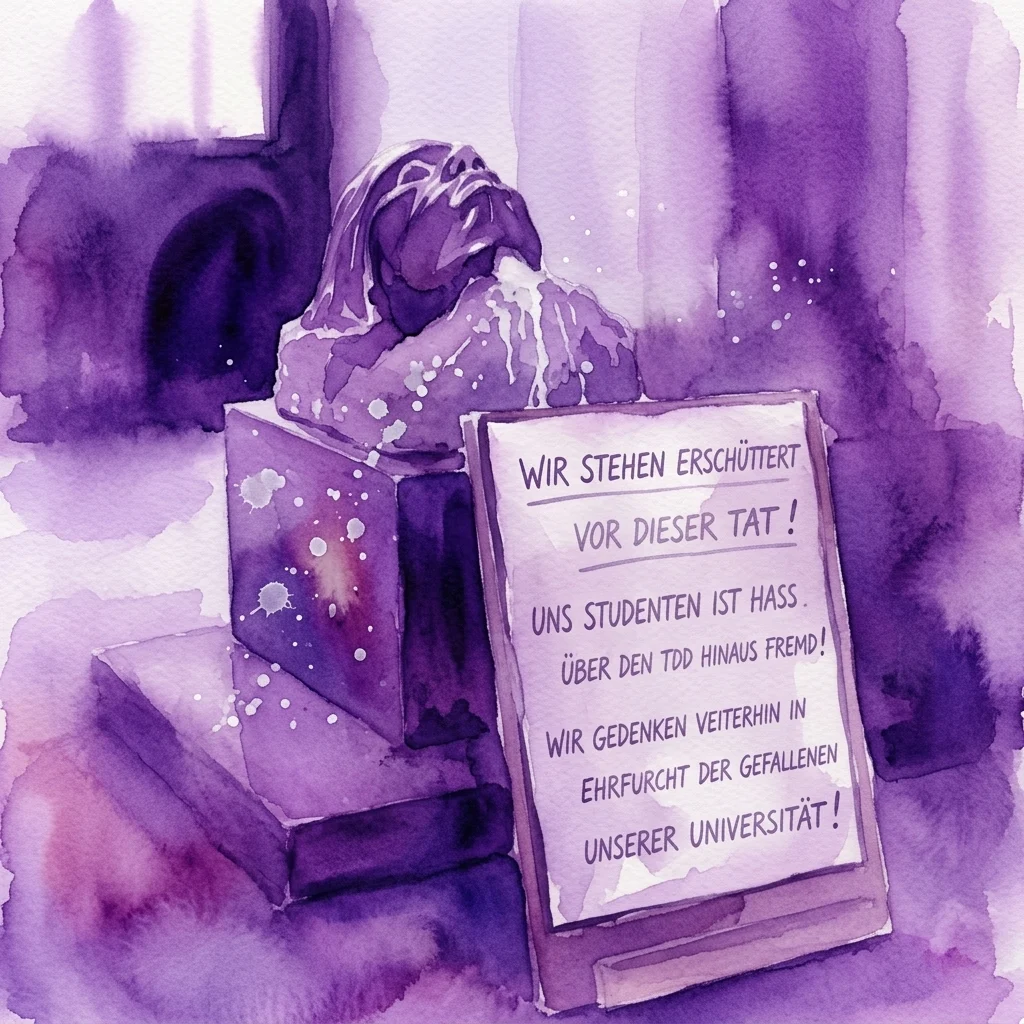
Siegfriedskopf: Exploring a German Nationalist Memorial Site in Vienna
Permanent exhibition

Siegfriedskopf: Exploring a German Nationalist Memorial Site in Vienna

Uncover the monument's controversial history and artistic reinterpretation.

This exhibition traces the 'Siegfriedskopf,' a Vienna monument originally dedicated to WWI fallen, through its co-option by German nationalist groups. Learn about its transformation from 1923 to its reinterpretation as a critical memorial site, inviting reflection on a complex past.

Siegfriedskopf Memorial
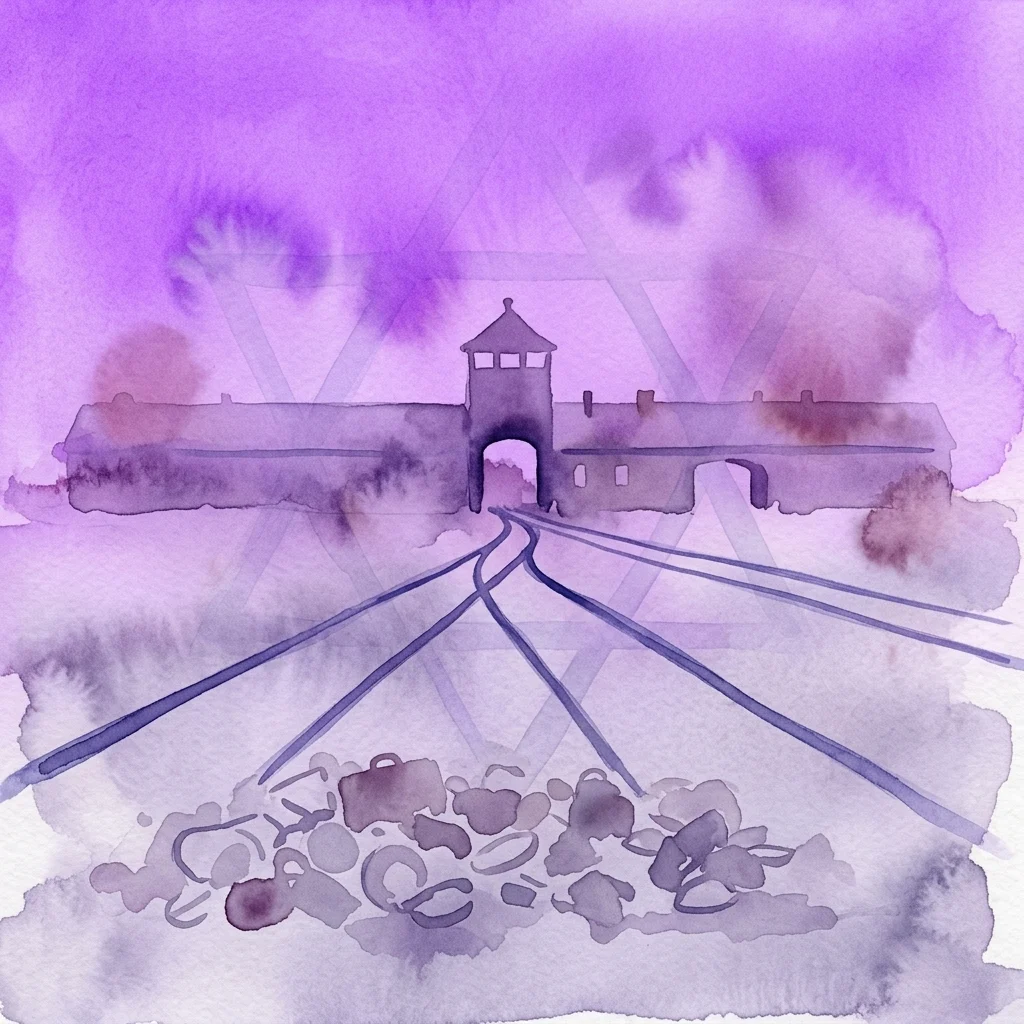
Explore the 1939–1945 Shoah Exhibition at the House of Austrian History
Permanent exhibition

Explore the 1939–1945 Shoah Exhibition at the House of Austrian History

A comprehensive historical entry on the systematic genocide of Jewish people.

Delve into the Shoah, known as the Holocaust, and its profound impact during World War II. This permanent exhibition at the House of Austrian History details the organized persecution of Jewish communities and other groups by Germans and Austrians.

View Exhibition Details
The Dollfuß-Schuschnigg Dictatorship: Exploring Authoritarian Rule in Austrian History
Permanent exhibition

The Dollfuß-Schuschnigg Dictatorship: Exploring Authoritarian Rule in Austrian History

Understand the dismantling of democracy and political shifts in 20th century Austria.

Discover this comprehensive exhibition on the Dollfuß-Schuschnigg dictatorship at the House of Austrian History. Explore the 1933-1938 era, detailing the rise of authoritarianism and its profound impact on Austrian history. Understand key political figures and events of this critical period.

Exhibition Details
Vienna

Discover Current Exhibitions in Vienna: Your Essential Exhibition Search Guide

Explore Vienna's dynamic art and cultural displays today.

Find compelling art, history, and science exhibitions happening throughout Vienna. This specialized resource helps you locate unique cultural experiences and plan your visit to inspiring displays. Explore Vienna's rich cultural scene with ease.