In Vienna: 1933 Commemoration of the Ottoman Siege and Austrian National Identity
Explore the profound political and cultural significance of this historical memory in shaping Austrian identity through various eras.
The exhibition delves into the enduring legacy of the 1683 victory over the Ottomans, specifically examining its 1933 commemoration. Discover how this historical event fostered a sense of 'us' in Austria and was invoked against perceived threats like Nazism, communism, and Islam. It highlights the persistent use of this history in contemporary political discourse, shaping national narratives and collective memory.
About 1933: Commemoration of the Ottoman Siege of Vienna at House of Austrian History in Vienna
Read curatorial context and practical visitor information for 1933: Commemoration of the Ottoman Siege of Vienna at House of Austrian History in Vienna
Exhibition summary
This exhibition explores the political and cultural significance of the 1933 commemoration of the Ottoman Siege of Vienna. It examines how the memory of the "Turkish victory" at Kahlenberg has been used to construct national identity and foster a sense of "us" in Austria, and how it has been invoked to confront contemporary perceived threats, from Nazism and communism to Islam.
Curatorial context
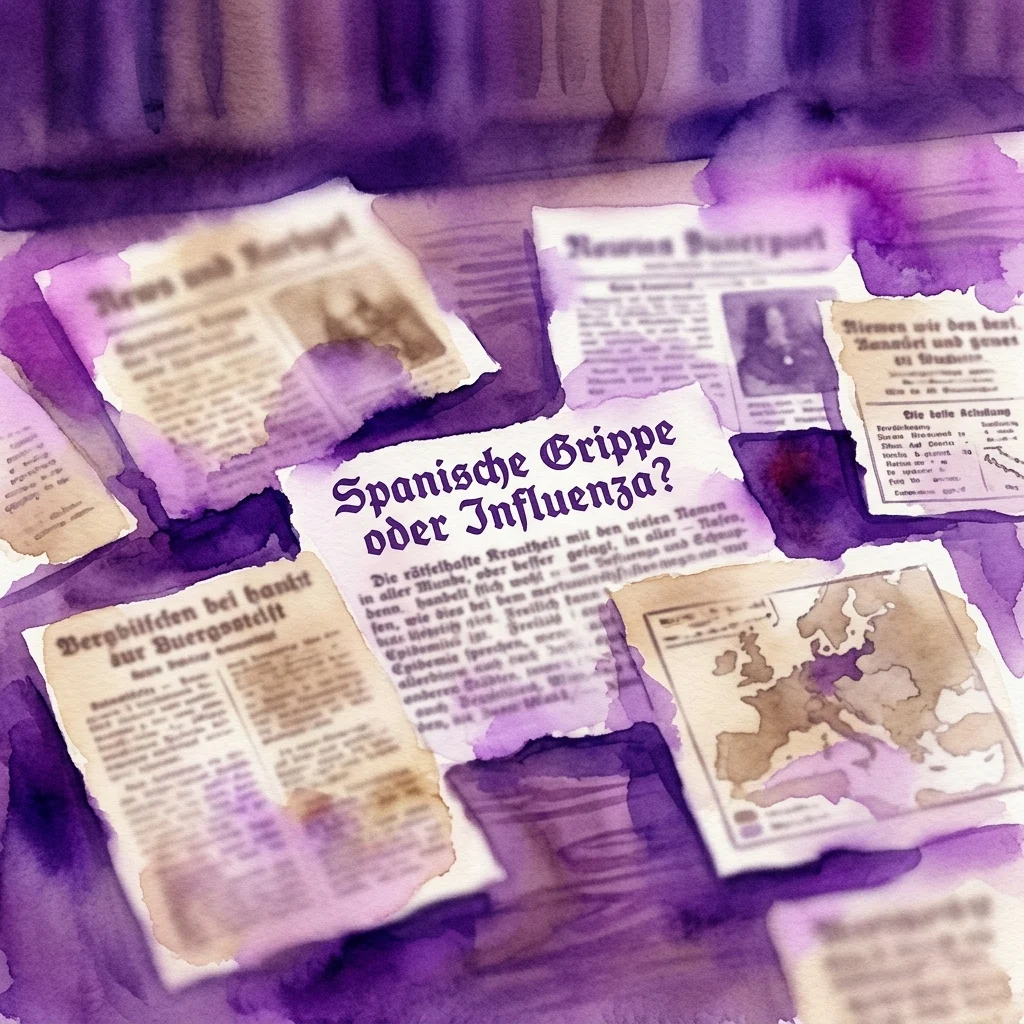
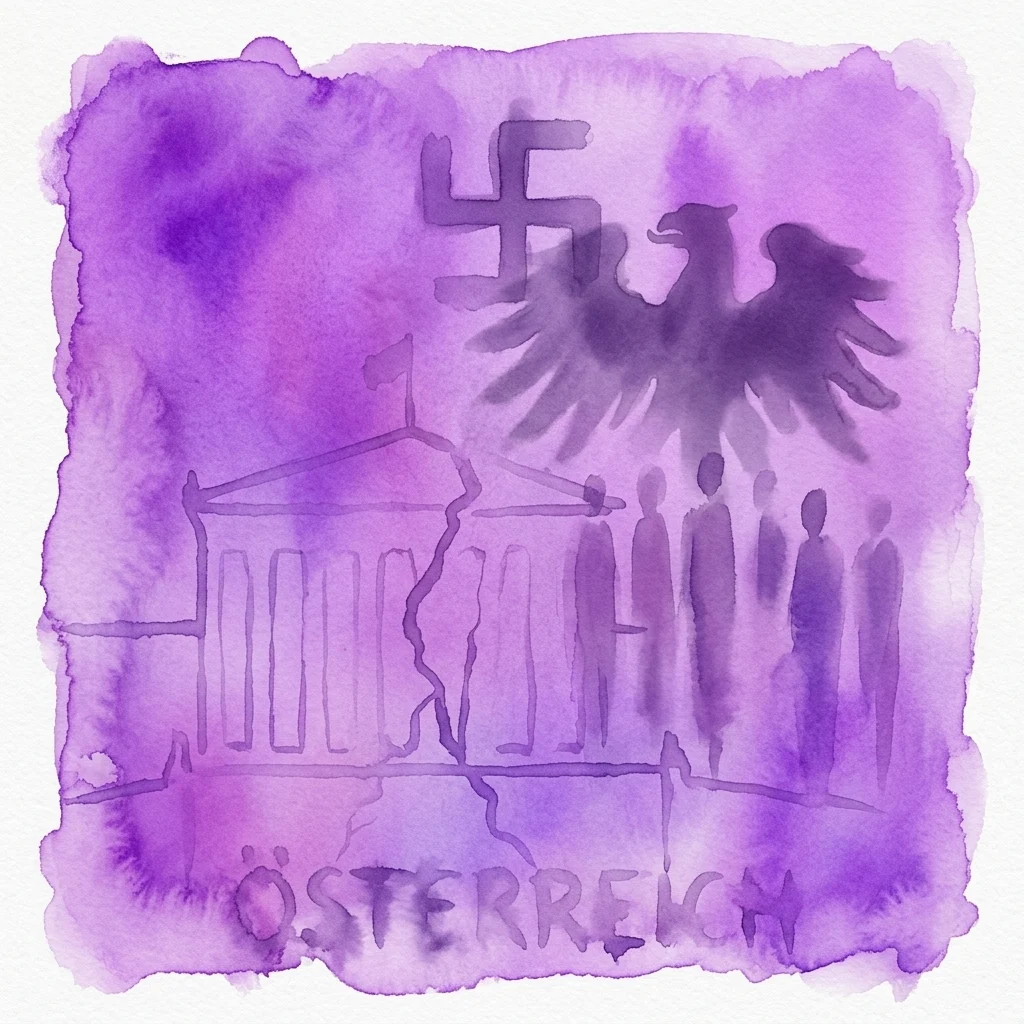
The exhibition "1933: Commemoration of the Ottoman Siege of Vienna" delves into the enduring legacy of the 1683 victory over the Ottomans, focusing on how its commemoration in 1933 shaped Austrian politics and identity. The victory at Kahlenberg has historically served to forge a strong "us" mentality and has been repeatedly invoked to rally against perceived dangers, from the rise of National Socialism and communism to contemporary concerns about Islam. The year 1933 was particularly significant, coinciding with the celebration of the 250th anniversary of the battle and the General German Catholic Day. This period saw Chancellor Engelbert Dollfuß declare his vision of an "Austrian state on a Christian, German, authoritarian, and corporatist basis" in his Trabrennplatz speech, emphasizing Austria's role as a "bulwark of Western Christianity." President Wilhelm Miklas further reinforced this narrative at the official liberation celebration.
The exhibition highlights how this historical event continued to resonate in later decades. Pope John Paul II's visit in 1983, during the 300th anniversary and an Austrian Catholic Day, invoked Jan Sobieski's victory to inspire hope for a communist-free Europe. However, the 1683 commemoration also became a platform for xenophobic rhetoric, as seen in the slogan "Save your people – foreigners out" appearing in public spaces. The text also points to the 1993 letter bombings, where the phrase "We will defend ourselves. Count Ernst Rüdiger von Starhemberg" was used, referencing the defender of Vienna in 1683. More recently, the identitarian platform "gedenken1683" has organized marches to Kahlenberg to protest against "mass immigration, Islamization, and the policies responsible for it," demonstrating the persistent use of this historical event in contemporary political discourse.
Admission and ticket notes
The page displays ticketing options including 'Adult Admission' and 'Annual Pass'. It also mentions group tickets for parties of 10 or more. Specific pricing is shown for the annual pass (€ 18.81), and there is a prompt to select quantity and add to cart. Visitors are directed to select tickets and proceed to checkout.
1933: Commemoration of the Ottoman Siege of Vienna key exhibition facts
Review exhibition status, schedule, venue context, and attribution details for 1933: Commemoration of the Ottoman Siege of Vienna at House of Austrian History in Vienna
Venue
House of Austrian History
Current status
Open now
Exhibition schedule
Information not currently available
Artist line / attribution
The exhibition features contributions from Johannes Feichtinger as an author.
Vienna
Discover Current Exhibitions in Vienna: Your Essential Exhibition Search Guide
Explore Vienna's dynamic art and cultural displays today.
Find compelling art, history, and science exhibitions happening throughout Vienna. This specialized resource helps you locate unique cultural experiences and plan your visit to inspiring displays. Explore Vienna's rich cultural scene with ease.