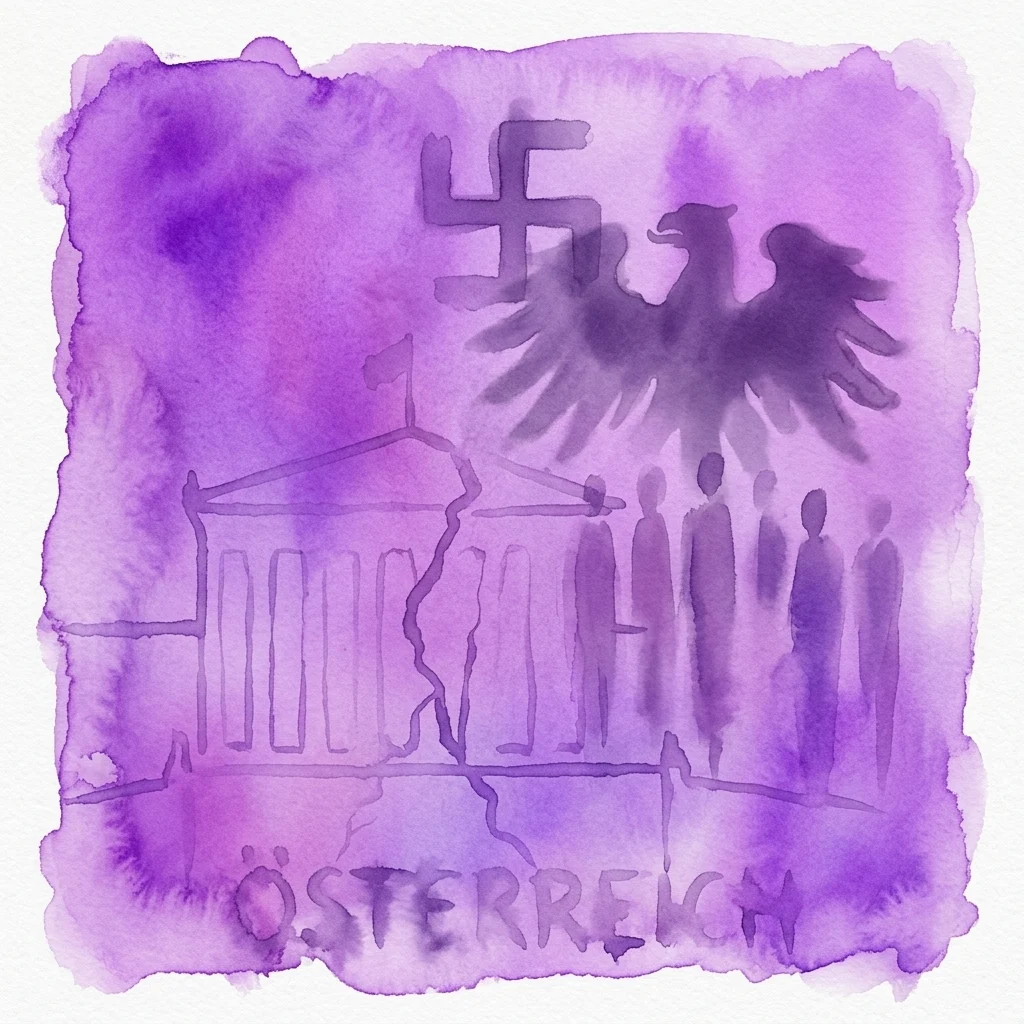
Vienna
Open now

1935 Fresco in a Catholic Church: Examining Austria's Colonial Ambitions and Cultural Imperialism

Explore how the Dollfuss-Schuschnigg dictatorship used art to propagate cultural imperialism and a sense of Austrian mission.

This exhibition unpacks the concept of cultural imperialism during Austria's Dollfuss-Schuschnigg dictatorship. It details how the regime strategically used art, such as the 1935 fresco by Johann B. Oberkofler, to represent itself politically. Discover how the Habsburg legacy and Catholic Church were invoked to assert Austria's superiority and leading role in Europe, even supporting neocolonial ventures. Understand the use of propaganda in shaping national identity and ambition during the 1930s.

About 1935: Fresco in a Catholic Church Shows Colonial Ambitions at House of Austrian History in Vienna

Read curatorial context and practical visitor information for 1935: Fresco in a Catholic Church Shows Colonial Ambitions at House of Austrian History in Vienna

Exhibition summary

This entry explores the concept of cultural imperialism during the Dollfuss-Schuschnigg dictatorship in Austria. It highlights how the regime used political self-representation, invoking the Habsburg dynasty and the Catholic Church, to assert Austria's superiority and role in Europe, particularly in contrast to Nazi Germany. The text details the regime's support for Catholic missionary projects and neocolonial ventures abroad, using art as a tool to disseminate these ideas.

Curatorial context

The entry delves into the 'cultural imperialism' promoted by the Dollfuss-Schuschnigg dictatorship in Austria, which positioned itself as a successor to the Habsburg dynasty and a staunch ally of the Catholic Church. This ideology aimed to instill self-confidence in the residual Austrian state and emphasize its distinctiveness from Nazi Germany. A key component of this state ideology was a sense of mission, coupled with notions of superiority, strength, and conquest. Austria, as a Christian and German state, was portrayed as superior to Nazi Germany and destined for a leading role in Europe, tasked with protecting the Christian sphere from communism and liberalism. The regime actively supported the expansion of the Catholic Church's influence within Austria and abroad, including Catholic missionary projects by Austrian orders in Manchuria starting in 1933. Furthermore, the government harbored neocolonial ambitions, financially supporting settlement projects like the 'Austrian Overseas Settlement Society' in Brazil, which resulted in the founding of the settlement 'Dollfuß'. Art was instrumental in propagating this cultural imperialist vision. A notable example is the dome fresco created by Johann B. Oberkofler in the church of St. Jakob in Defereggental in 1935. This artwork interpreted Engelbert Dollfuß, assassinated in 1934, as the legitimate successor to Emperor Karl I, with Austria and Tyrol positioned as the core of a Christian world empire.

1935: Fresco in a Catholic Church Shows Colonial Ambitions key exhibition facts

Review exhibition status, schedule, venue context, and attribution details for 1935: Fresco in a Catholic Church Shows Colonial Ambitions at House of Austrian History in Vienna

Venue
House of Austrian History
Current status
Open now
Exhibition schedule
Information not currently available
Artist line / attribution
Features a 1935 fresco by Johann B. Oberkofler and is authored by Markus Wurzer.
More from House of Austrian History
Explore additional exhibitions from the same institution
Review other exhibitions from House of Austrian History in Vienna to compare themes, timelines, and program direction while planning your museum visit.
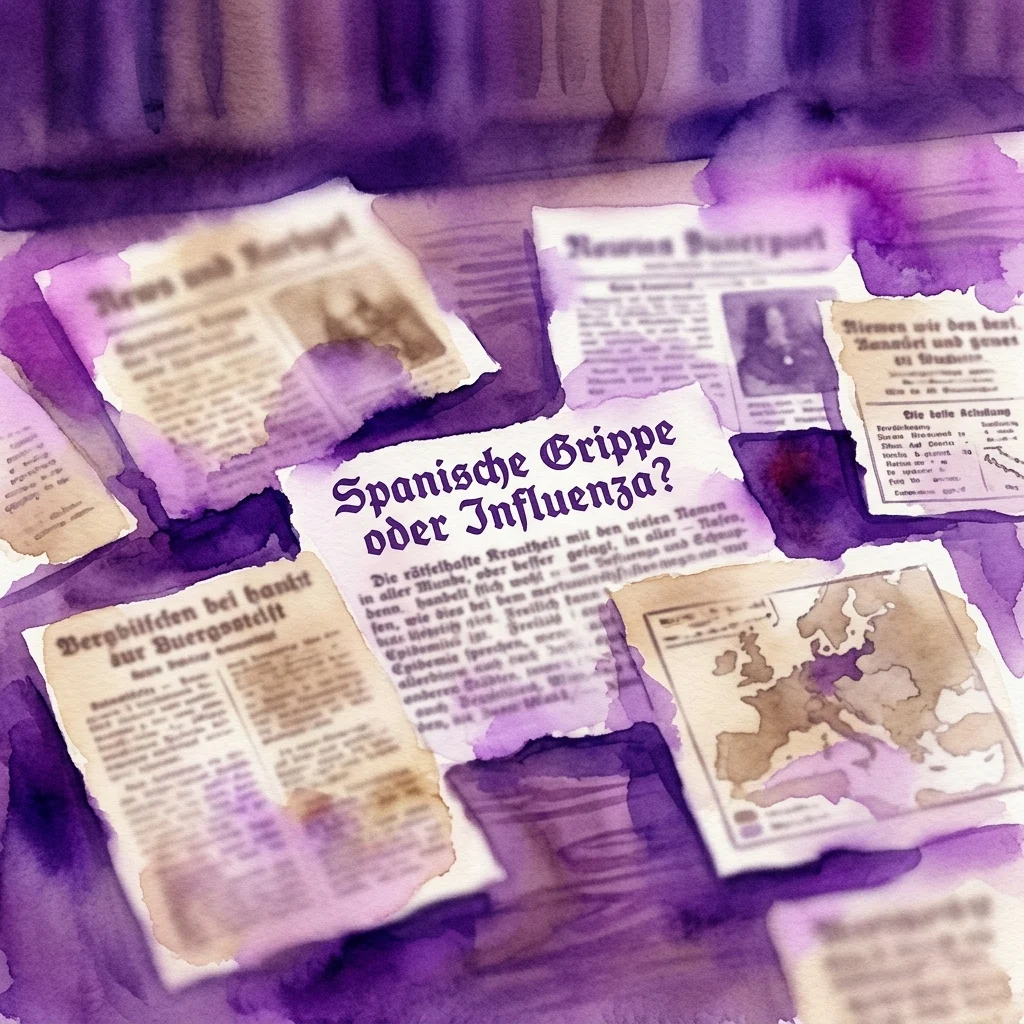
Collage of German newspaper clippings with a purple wash, headlined 'Spanische Grippe oder Influenza?', illustrating historical pandemic reporting.
Permanent exhibition

How the Pandemic Became 'Spanish' Exhibition: Media and History

An analysis of wartime censorship and the 1918 influenza pandemic.

Discover the historical context behind the naming of the 1918 pandemic. This research-based exhibition explains how media outlets masked the virus's true scale while focusing on wartime updates.

Pandemic History Exhibition
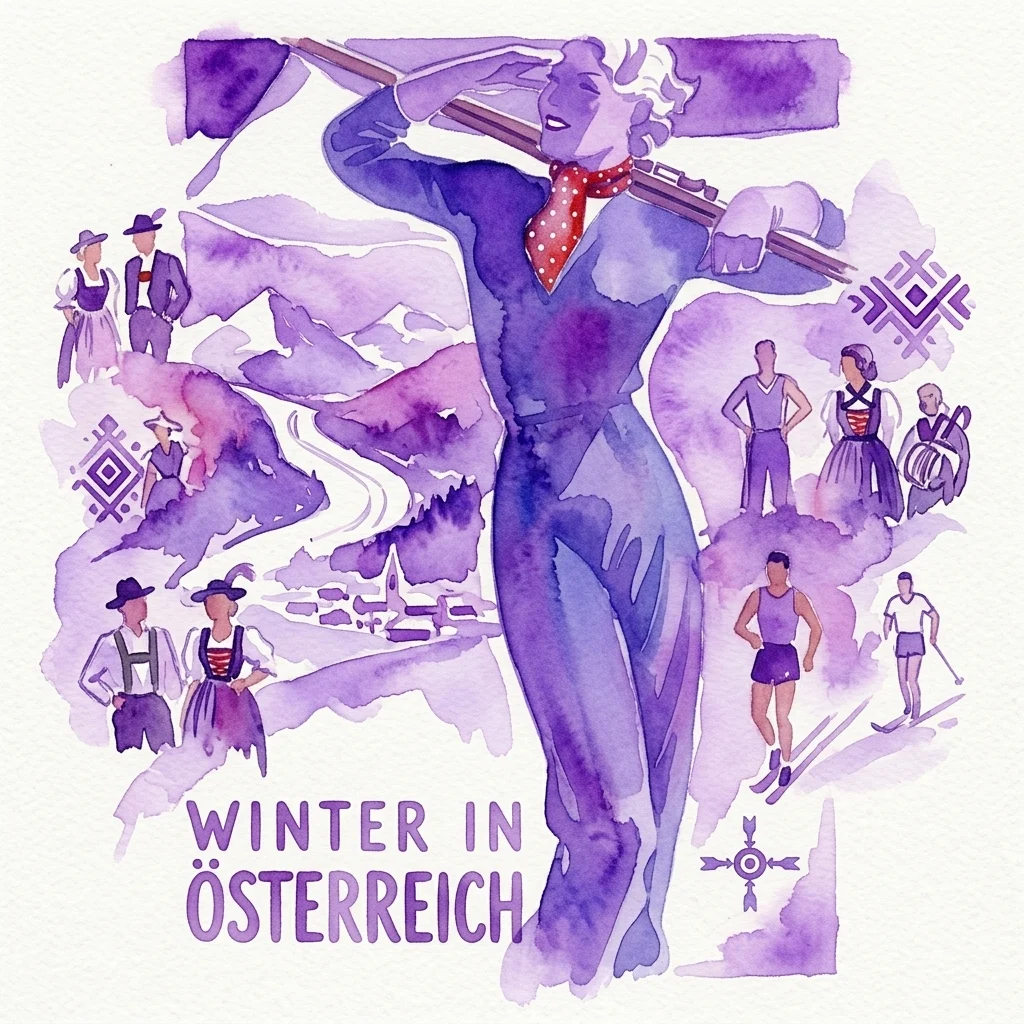
Discover the Historical Exhibition: 1933 and Austrian State Tourism Advertising
Permanent exhibition

Discover the Historical Exhibition: 1933 and Austrian State Tourism Advertising

Explore how Austria's government shaped national tourism promotion.

Examine the transformation of tourism advertising into a state task in Austria starting in 1933. This historical overview details visual campaigns and their foundational impact on creating a major tourist destination.

Exhibition Details
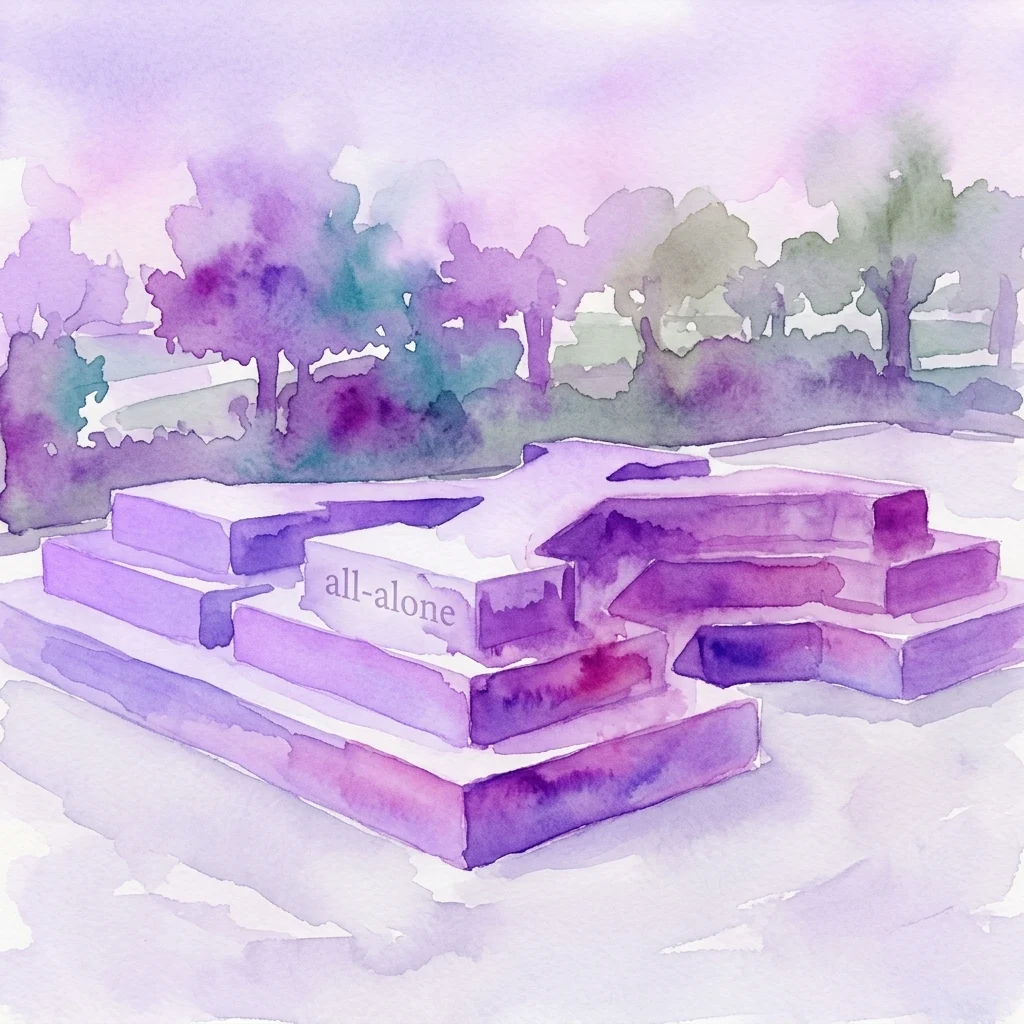
Vienna's Memorial to Nazi Military Justice Victims: A Public Art Tribute
Permanent exhibition

Vienna's Memorial to Nazi Military Justice Victims: A Public Art Tribute

Designed by Olaf Nicolai, honoring WWII victims of military courts.

This significant memorial on Vienna's Ballhausplatz commemorates those persecuted by Nazi military justice during World War II. Discover the artwork by Olaf Nicolai, featuring the poignant 'all – alone' inscription, a powerful reflection on historical accountability.

Memorial Details
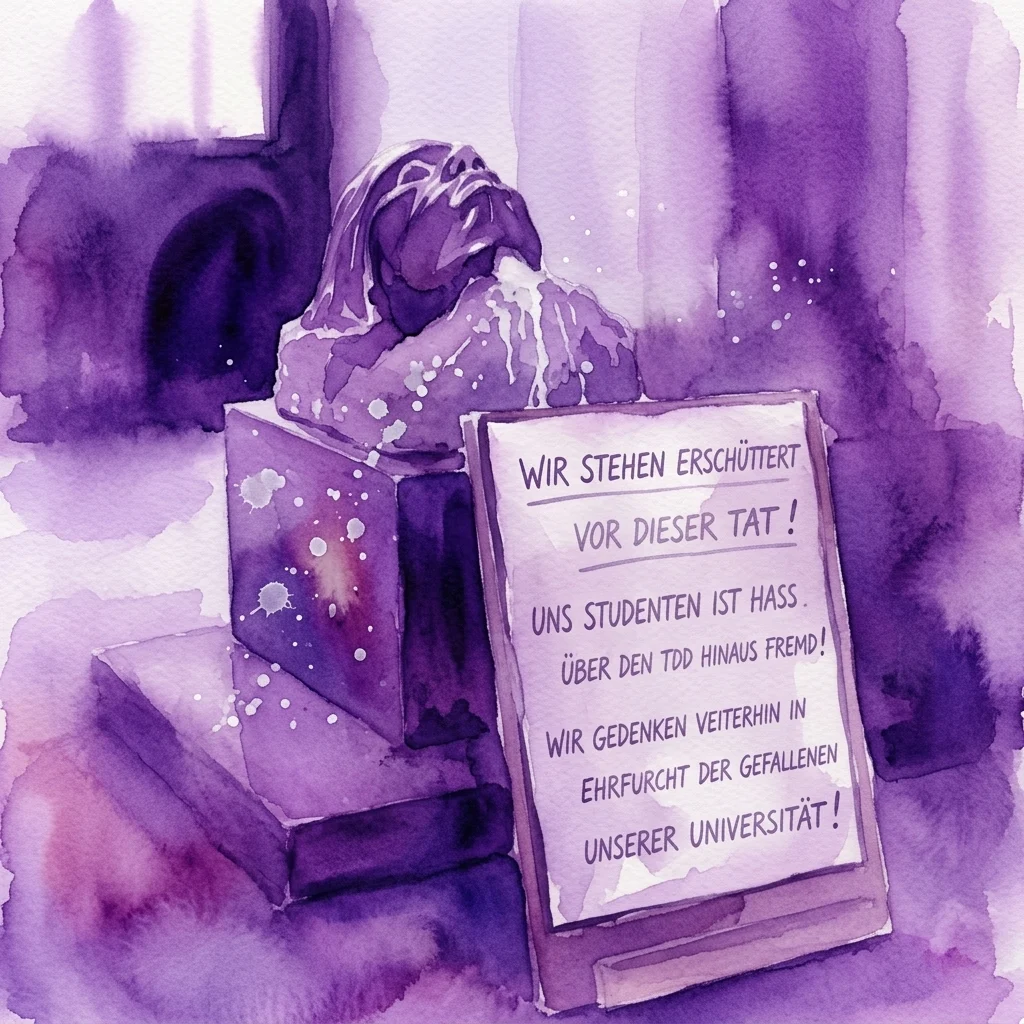
Siegfriedskopf: Exploring a German Nationalist Memorial Site in Vienna
Permanent exhibition

Siegfriedskopf: Exploring a German Nationalist Memorial Site in Vienna

Uncover the monument's controversial history and artistic reinterpretation.

This exhibition traces the 'Siegfriedskopf,' a Vienna monument originally dedicated to WWI fallen, through its co-option by German nationalist groups. Learn about its transformation from 1923 to its reinterpretation as a critical memorial site, inviting reflection on a complex past.

Siegfriedskopf Memorial
Explore the 1939–1945 Shoah Exhibition at the House of Austrian History
Permanent exhibition

Explore the 1939–1945 Shoah Exhibition at the House of Austrian History

A comprehensive historical entry on the systematic genocide of Jewish people.

Delve into the Shoah, known as the Holocaust, and its profound impact during World War II. This permanent exhibition at the House of Austrian History details the organized persecution of Jewish communities and other groups by Germans and Austrians.

View Exhibition Details
The Dollfuß-Schuschnigg Dictatorship: Exploring Authoritarian Rule in Austrian History
Permanent exhibition

The Dollfuß-Schuschnigg Dictatorship: Exploring Authoritarian Rule in Austrian History

Understand the dismantling of democracy and political shifts in 20th century Austria.

Discover this comprehensive exhibition on the Dollfuß-Schuschnigg dictatorship at the House of Austrian History. Explore the 1933-1938 era, detailing the rise of authoritarianism and its profound impact on Austrian history. Understand key political figures and events of this critical period.

Exhibition Details
Vienna

Discover Current Exhibitions in Vienna: Your Essential Exhibition Search Guide

Explore Vienna's dynamic art and cultural displays today.

Find compelling art, history, and science exhibitions happening throughout Vienna. This specialized resource helps you locate unique cultural experiences and plan your visit to inspiring displays. Explore Vienna's rich cultural scene with ease.