Vienna
Open now

House of Austrian History: Uncovering the Persecution of Individuals for Homosexual Acts, 1938–1945

Examine the legal framework and historical impact of repression against homosexual acts during Austria's Nazi era.

The House of Austrian History offers a comprehensive look at the persecution of individuals for homosexual acts in Austria between 1938 and 1945. This historical entry examines the legal context, detailing the drastic increase in surveillance and repression under Nazi rule. It also recounts the arduous post-war struggle for official victim status and financial acknowledgment.

About 1938–1945: Persecution of People for Homosexual Acts at House of Austrian History in Vienna

Read curatorial context and practical visitor information for 1938–1945: Persecution of People for Homosexual Acts at House of Austrian History in Vienna

Exhibition summary

This entry details the persecution of individuals for homosexual acts in Austria between 1938 and 1945 under Nazi rule. It explains the legal basis for this persecution, which extended from an older Austrian law, and the drastic increase in surveillance and repression following the 'Anschluss' of Austria to Nazi Germany. The text also covers the post-war denial of victim status and eventual recognition.

Curatorial context

The historical entry '1938–1945: Verfolgung von Menschen für homosexuelle Handlungen' (Persecution of People for Homosexual Acts) from the House of Austrian History's lexicon provides an in-depth look at the criminal prosecution of homosexuality in Austria during the Nazi era. It clarifies that the legal basis, § 129 Ib of the penal code introduced in 1852, was not new to the Nazi period but continued and intensified after the 'Anschluss' in 1938. While the German Reich's equivalent law primarily targeted male homosexuality, the Austrian provision remained in effect and was rigorously enforced. The text highlights the drastic increase in surveillance and repression by the Gestapo and Kripo, particularly against homosexual men, leading to their categorization as 'Rosa Winkel' (pink triangle) inmates in concentration camps, where survival rates were very low. Furthermore, the entry addresses the long struggle for recognition of homosexual individuals as victims of Nazi persecution in post-war Austria. It notes that formal victim status and financial compensation were denied for decades, with a first financial acknowledgment of approximately 5,000 Euros only occurring in 1995 through the Nationalfondsgesetz. Full inclusion as a victim group into the Opferfürsorgegesetz (Victim Support Act) did not happen until 2005, underscoring the delayed and difficult process of acknowledging this history.

Admission and ticket notes

This content appears to be a historical lexicon entry and not an exhibition. Ticketing information related to general museum entry is not directly provided for this specific content piece. Visitors are directed to general ticket purchasing options elsewhere on the site, such as 'Eintritt Erwachsene' (Adult Entry) or 'Jahreskarte' (Annual Pass), but there are no specific details for this historical entry itself.

1938–1945: Persecution of People for Homosexual Acts key exhibition facts

Review exhibition status, schedule, venue context, and attribution details for 1938–1945: Persecution of People for Homosexual Acts at House of Austrian History in Vienna

Venue
House of Austrian History
Current status
Open now
Exhibition schedule
Information not currently available
Artist line / attribution
Authored by Elisa Heinrich.
More from House of Austrian History
Explore additional exhibitions from the same institution
Review other exhibitions from House of Austrian History in Vienna to compare themes, timelines, and program direction while planning your museum visit.
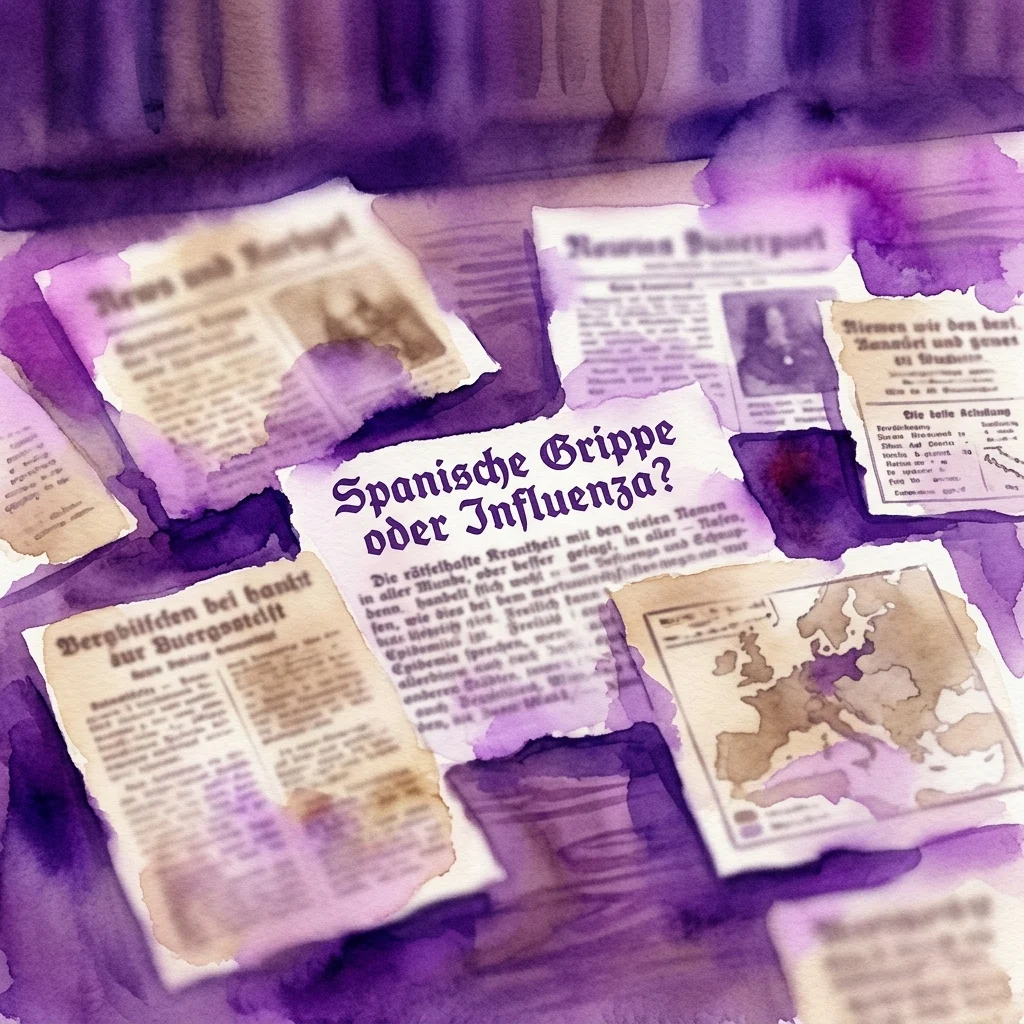
Collage of German newspaper clippings with a purple wash, headlined 'Spanische Grippe oder Influenza?', illustrating historical pandemic reporting.
Permanent exhibition

How the Pandemic Became 'Spanish' Exhibition: Media and History

An analysis of wartime censorship and the 1918 influenza pandemic.

Discover the historical context behind the naming of the 1918 pandemic. This research-based exhibition explains how media outlets masked the virus's true scale while focusing on wartime updates.

Pandemic History Exhibition
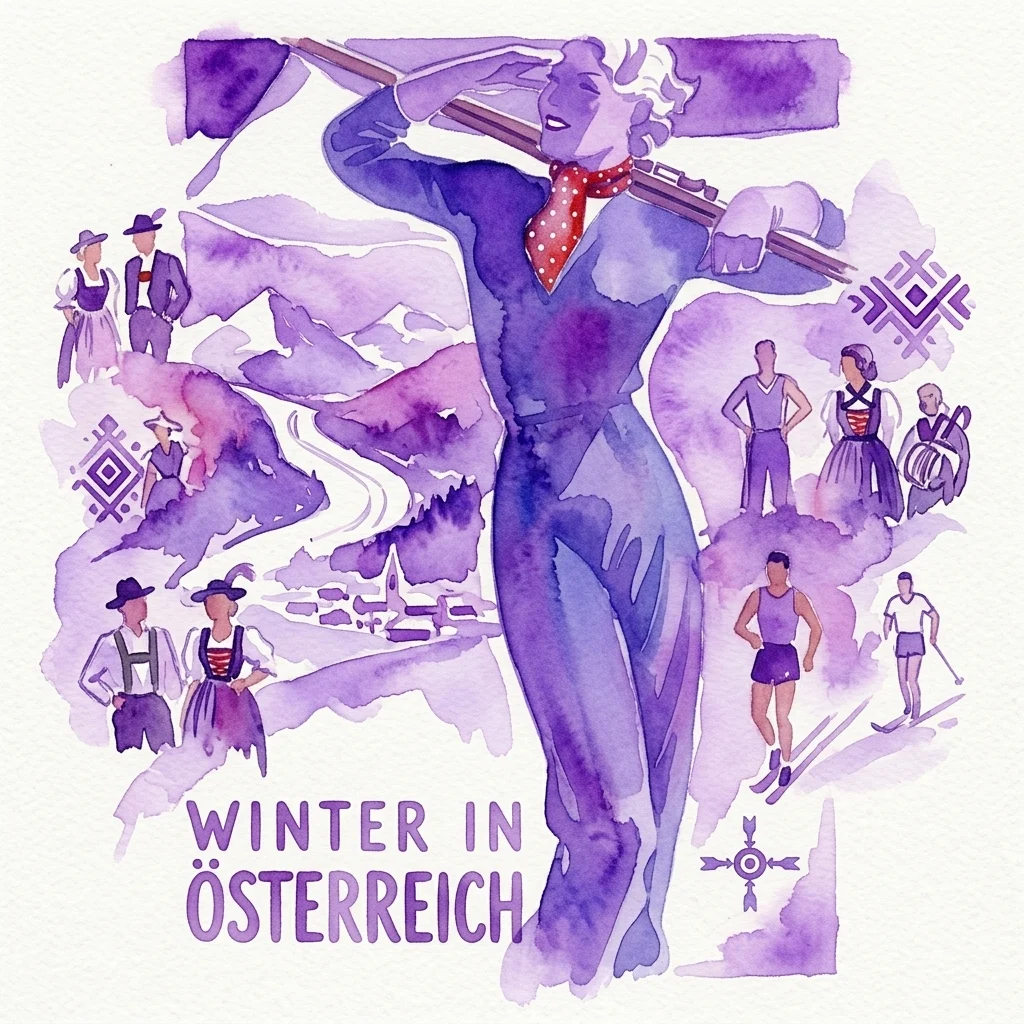
Discover the Historical Exhibition: 1933 and Austrian State Tourism Advertising
Permanent exhibition

Discover the Historical Exhibition: 1933 and Austrian State Tourism Advertising

Explore how Austria's government shaped national tourism promotion.

Examine the transformation of tourism advertising into a state task in Austria starting in 1933. This historical overview details visual campaigns and their foundational impact on creating a major tourist destination.

Exhibition Details
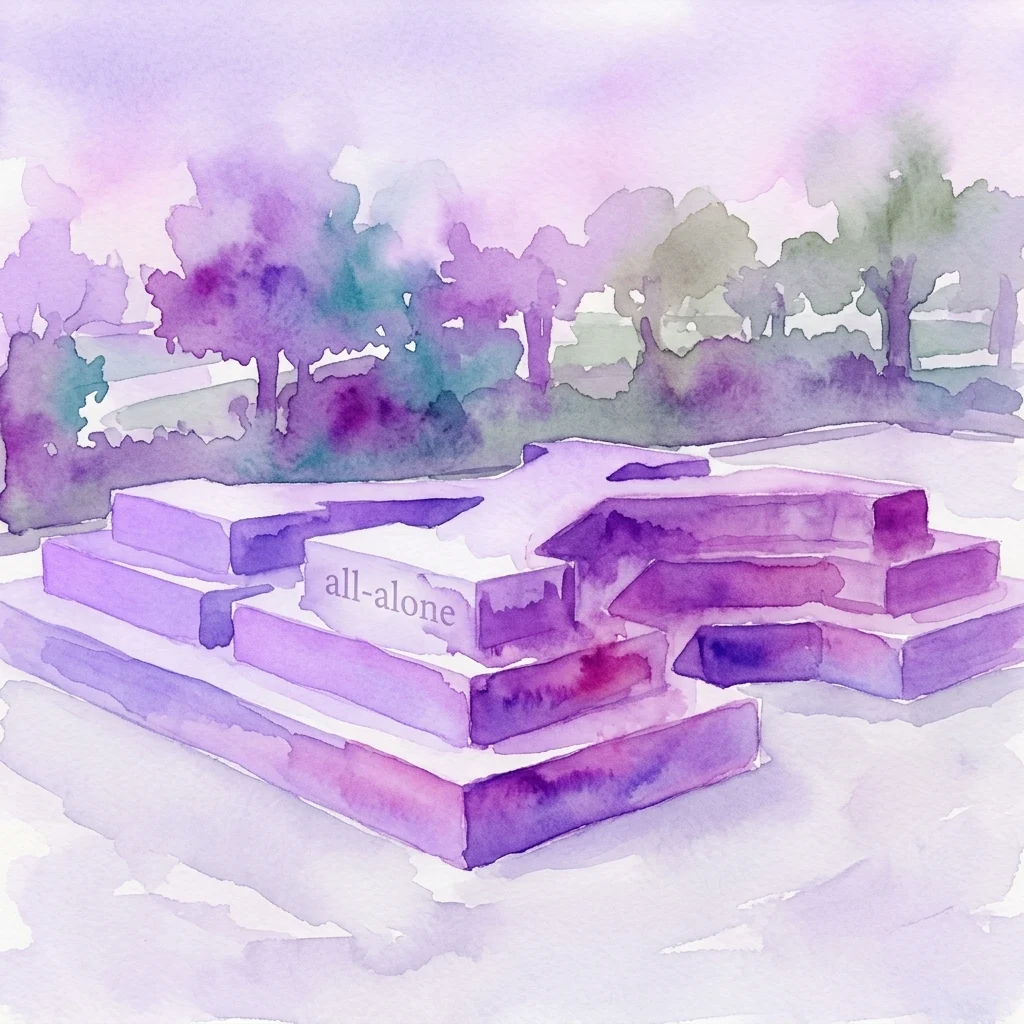
Vienna's Memorial to Nazi Military Justice Victims: A Public Art Tribute
Permanent exhibition

Vienna's Memorial to Nazi Military Justice Victims: A Public Art Tribute

Designed by Olaf Nicolai, honoring WWII victims of military courts.

This significant memorial on Vienna's Ballhausplatz commemorates those persecuted by Nazi military justice during World War II. Discover the artwork by Olaf Nicolai, featuring the poignant 'all – alone' inscription, a powerful reflection on historical accountability.

Memorial Details
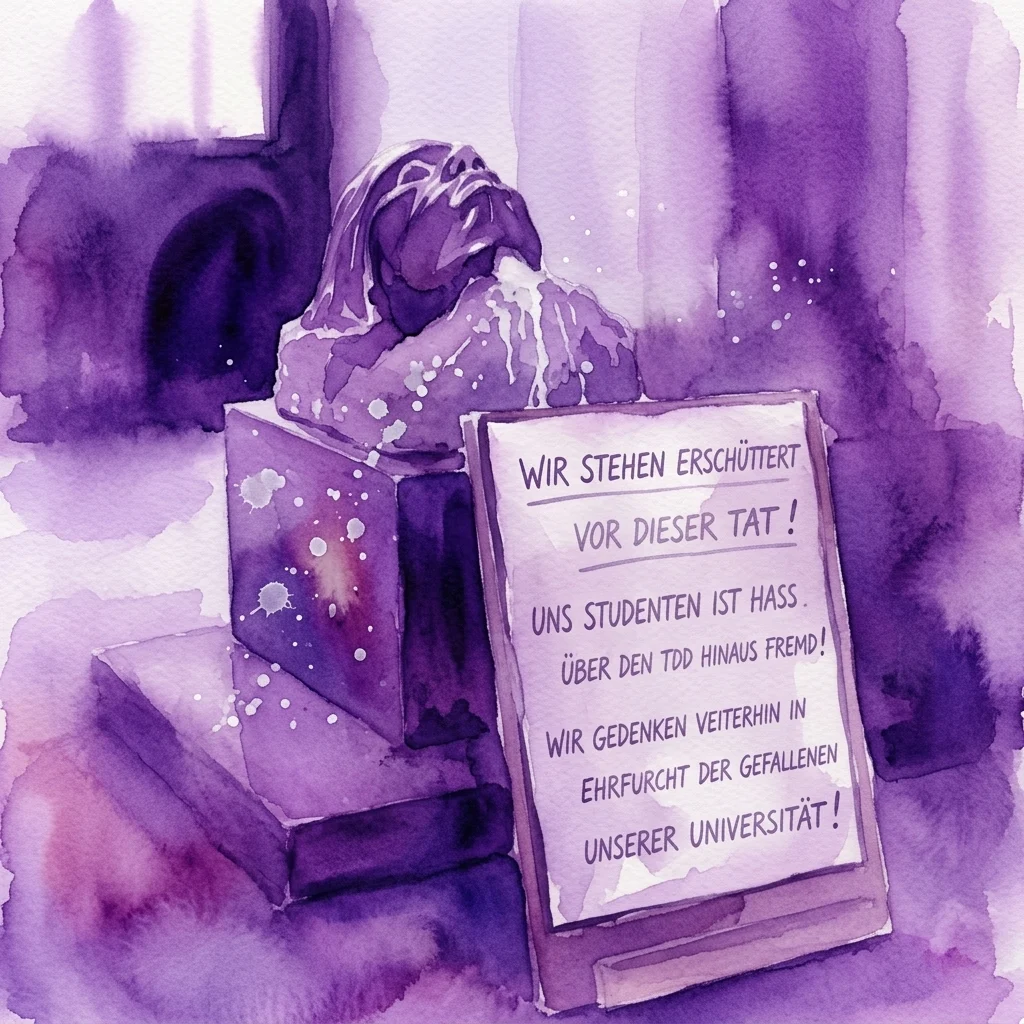
Siegfriedskopf: Exploring a German Nationalist Memorial Site in Vienna
Permanent exhibition

Siegfriedskopf: Exploring a German Nationalist Memorial Site in Vienna

Uncover the monument's controversial history and artistic reinterpretation.

This exhibition traces the 'Siegfriedskopf,' a Vienna monument originally dedicated to WWI fallen, through its co-option by German nationalist groups. Learn about its transformation from 1923 to its reinterpretation as a critical memorial site, inviting reflection on a complex past.

Siegfriedskopf Memorial
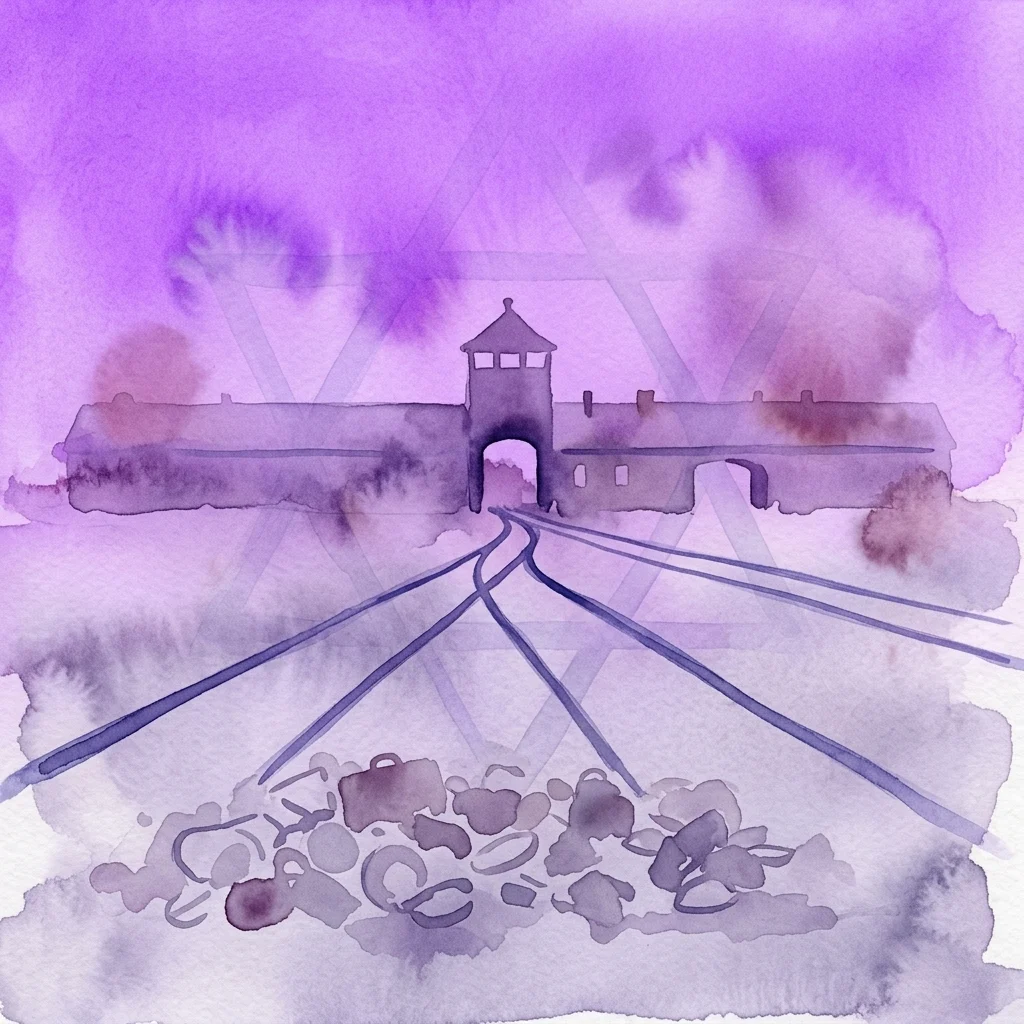
Explore the 1939–1945 Shoah Exhibition at the House of Austrian History
Permanent exhibition

Explore the 1939–1945 Shoah Exhibition at the House of Austrian History

A comprehensive historical entry on the systematic genocide of Jewish people.

Delve into the Shoah, known as the Holocaust, and its profound impact during World War II. This permanent exhibition at the House of Austrian History details the organized persecution of Jewish communities and other groups by Germans and Austrians.

View Exhibition Details
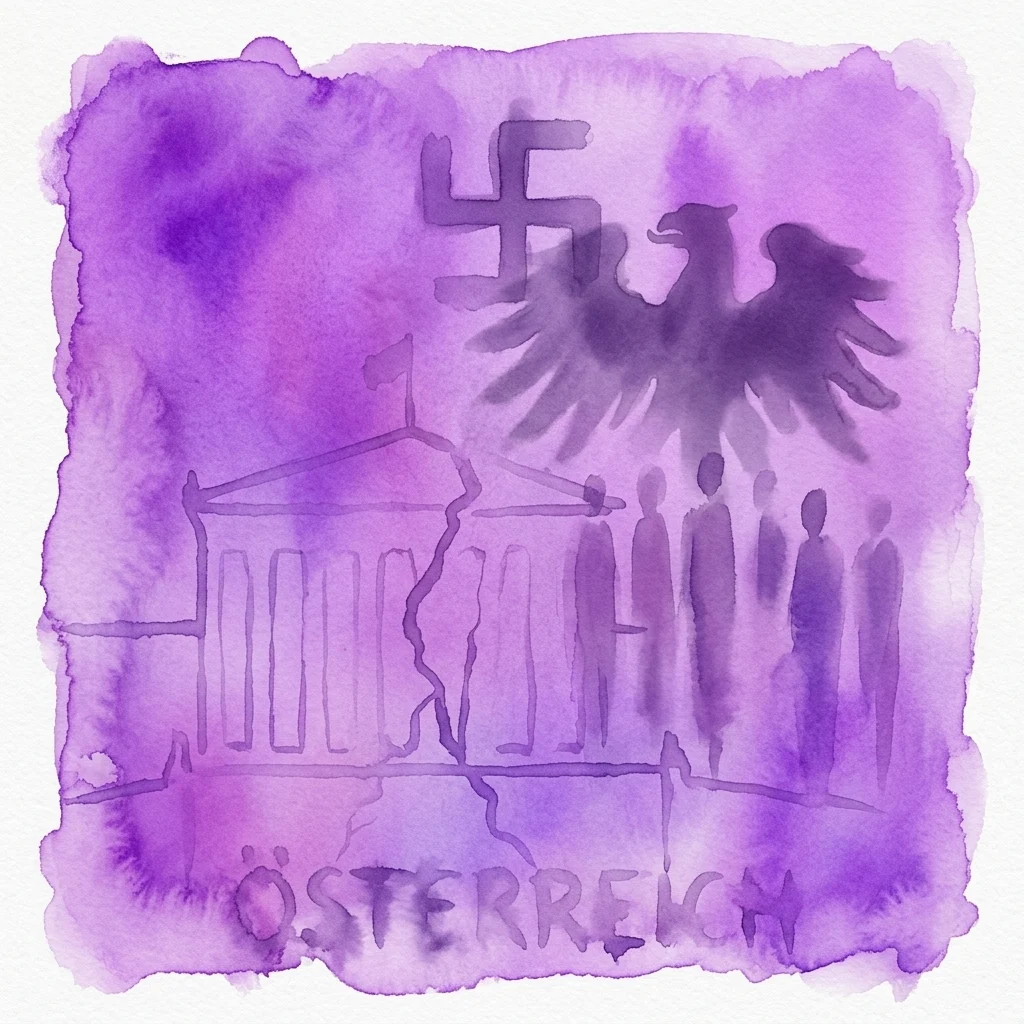
The Dollfuß-Schuschnigg Dictatorship: Exploring Authoritarian Rule in Austrian History
Permanent exhibition

The Dollfuß-Schuschnigg Dictatorship: Exploring Authoritarian Rule in Austrian History

Understand the dismantling of democracy and political shifts in 20th century Austria.

Discover this comprehensive exhibition on the Dollfuß-Schuschnigg dictatorship at the House of Austrian History. Explore the 1933-1938 era, detailing the rise of authoritarianism and its profound impact on Austrian history. Understand key political figures and events of this critical period.

Exhibition Details
Vienna

Discover Current Exhibitions in Vienna: Your Essential Exhibition Search Guide

Explore Vienna's dynamic art and cultural displays today.

Find compelling art, history, and science exhibitions happening throughout Vienna. This specialized resource helps you locate unique cultural experiences and plan your visit to inspiring displays. Explore Vienna's rich cultural scene with ease.