Uncovering the Nazi Regime's Persecution of 'Asocial' Individuals: An Exhibition
Discover how individuals were systematically targeted between 1938 and 1945 based on arbitrary social definitions.
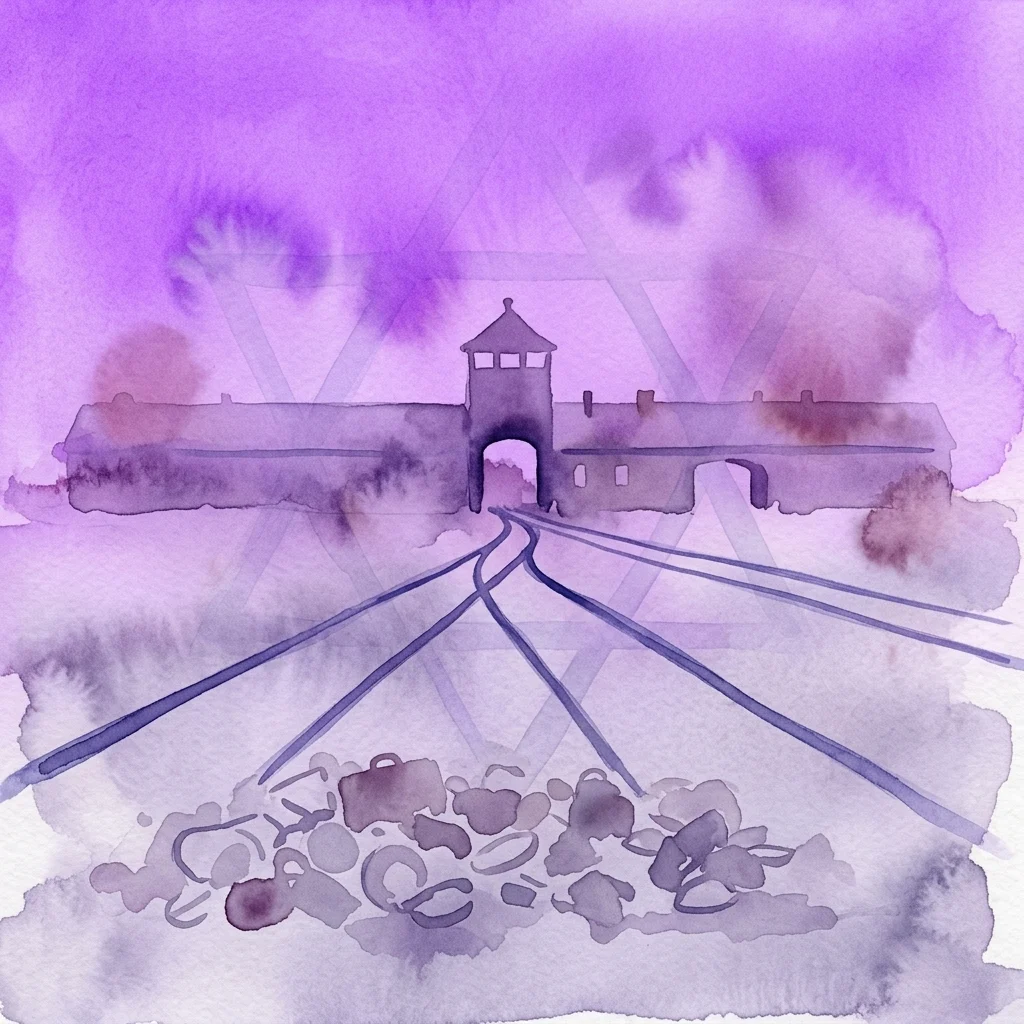
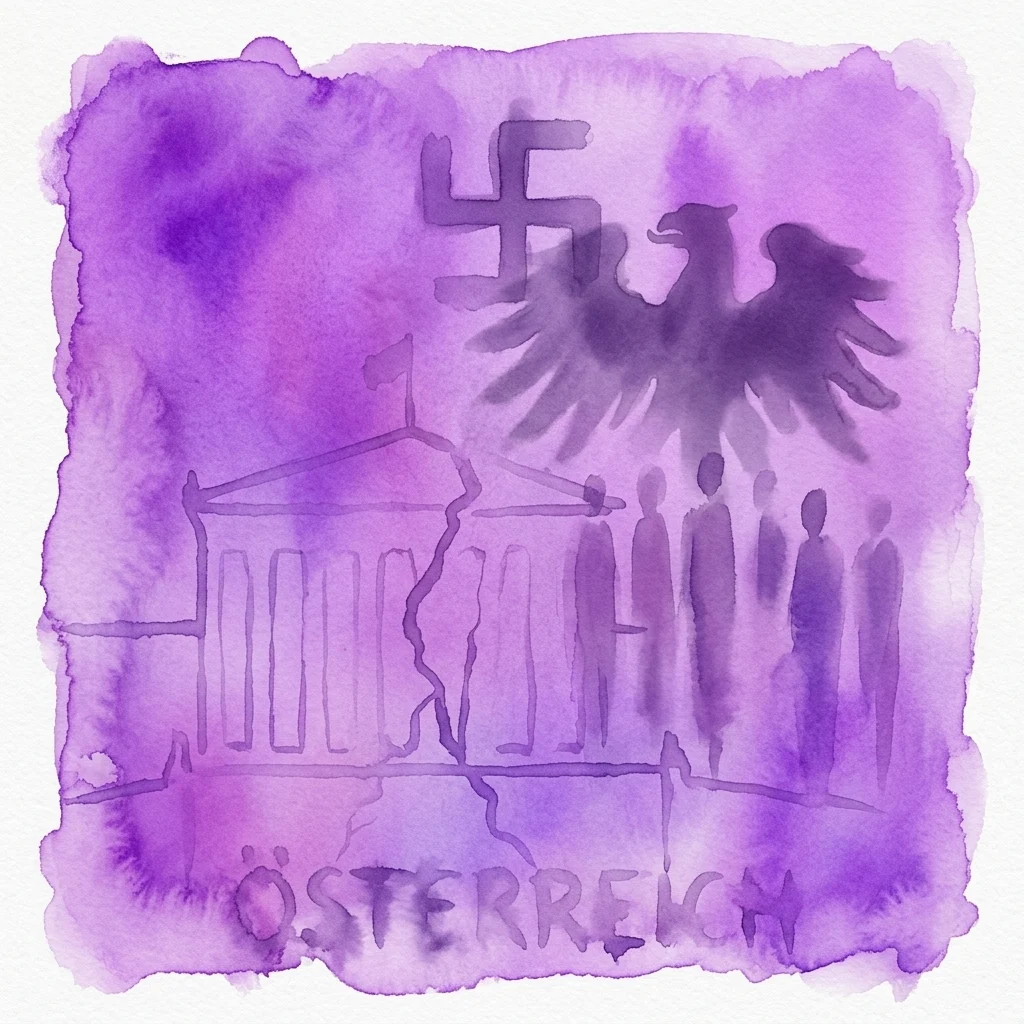
This powerful exhibition explores the dark history of the Nazi regime's systematic persecution of individuals labeled 'asocial' from 1938 to 1945. It meticulously examines the criteria used for stigmatization, such as perceived poor work ethic, non-conformist behavior, and conflicts with authorities. Visitors will gain insight into the close collaboration between various state institutions in enforcing these oppressive policies and targeting specific groups within society.
About 1938–1945: Persecution of people as 'asocial' at House of Austrian History in Vienna
Read curatorial context and practical visitor information for 1938–1945: Persecution of people as 'asocial' at House of Austrian History in Vienna
Exhibition summary
This exhibition delves into the Nazi regime's persecution of individuals labeled as 'asocial' between 1938 and 1945. It examines the criteria used for this stigmatization, such as insufficient work ethic, conflicts with authorities, and deviation from bourgeois norms, and highlights the collaboration between various authorities in enforcing these policies.
Curatorial context
The exhibition '1938–1945: Verfolgung von Menschen als „asozial“' (Persecution of people as 'asocial') explores a dark chapter of history where individuals were systematically targeted and persecuted by the Nazi regime based on a broad and often arbitrarily applied definition of 'asocial' behavior. The content details how criteria such as poor work ethic, repeated run-ins with authorities, neglect, dependency on public support, alcoholism, and non-conformist sexual behavior were used to stigmatize and target people. The regime viewed 'asociality' as an inherited trait, a threat to the 'Volkskörper' (national body).
The exhibition highlights the specific roles played by the Gaue Wien and Niederdonau in this persecution. It describes the close collaboration between institutions like the employment office, welfare services, criminal police, Gestapo, and public administration, who worked together in 'asocial commissions.' The text indicates that individuals, including young people, women, and men, were confined to closed work institutions or re-education camps, and some were even deported to concentration camps. The exhibition also references a relevant publication by Helga Amesberger and Brigitte Halbmayr, suggesting a scholarly and in-depth approach to the subject.
Admission and ticket notes
The page includes options for purchasing tickets, such as 'Eintritt Erwachsene' (Adult Admission) and 'Jahreskarte' (Annual Pass), indicating that admission is ticketed. Visitors can select quantities and add items to a shopping cart. Specific pricing details are visible for the annual pass.
1938–1945: Persecution of people as 'asocial' key exhibition facts
Review exhibition status, schedule, venue context, and attribution details for 1938–1945: Persecution of people as 'asocial' at House of Austrian History in Vienna
Venue
House of Austrian History
Current status
Open now
Exhibition schedule
Information not currently available
Artist line / attribution
Features contributions and research by Helga Amesberger and Brigitte Halbmayr.
Vienna
Discover Current Exhibitions in Vienna: Your Essential Exhibition Search Guide
Explore Vienna's dynamic art and cultural displays today.
Find compelling art, history, and science exhibitions happening throughout Vienna. This specialized resource helps you locate unique cultural experiences and plan your visit to inspiring displays. Explore Vienna's rich cultural scene with ease.