Vienna
Open now

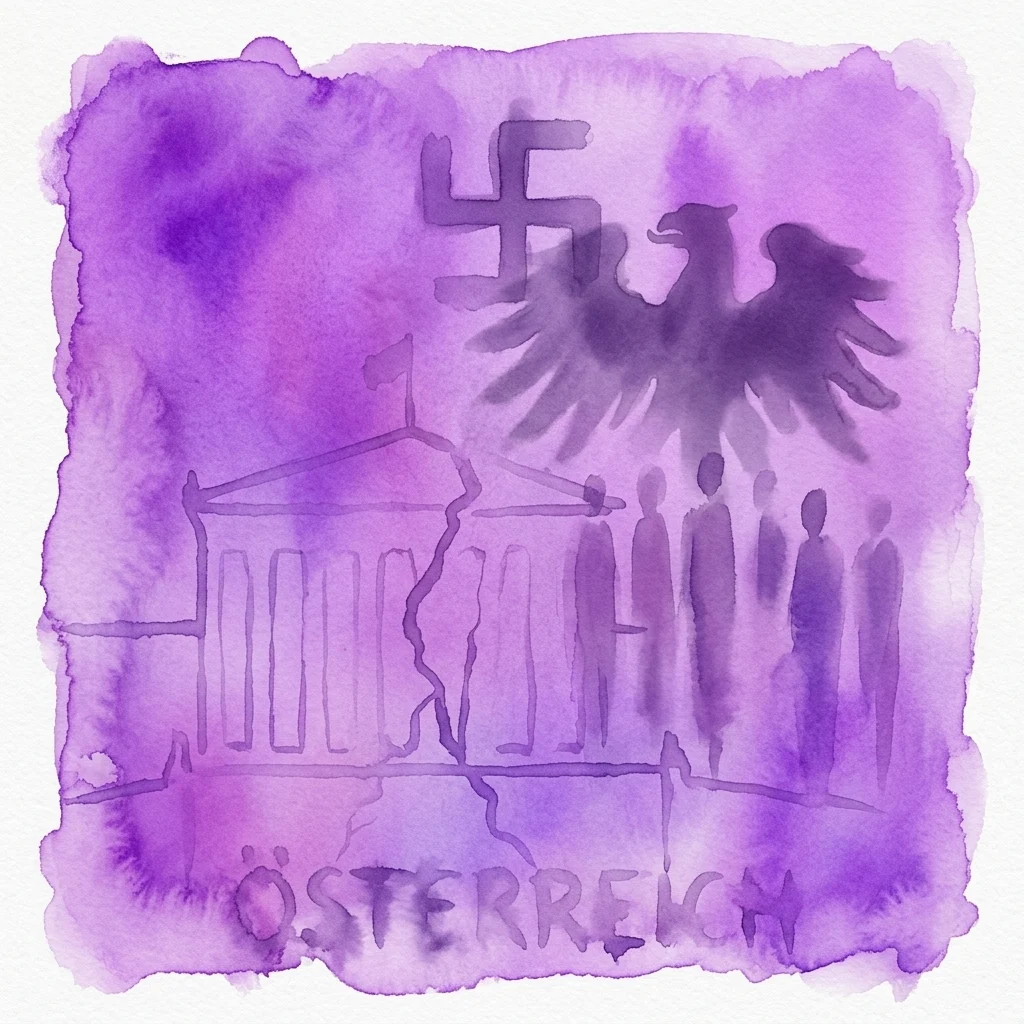
1941–1945: Partisans – Unveiling Military Resistance in Carinthia/Koroška Exhibition

This historical exhibition examines the vital role of partisan groups, the sole armed resistance within the German Reich.

Delve into the compelling history of military resistance in the Carinthia/Koroška region during World War II. This exhibition meticulously chronicles the partisan fight against Nazi occupation from 1941 to 1945. Discover how local populations galvanized support for the anti-fascist cause amid intensified repression and armed conflict. The narrative highlights significant clashes and key events that defined this crucial period in Austrian and Slovenian history.

About 1941–1945: Partisans - Military Resistance in Carinthia/Koroška at House of Austrian History in Vienna

Read curatorial context and practical visitor information for 1941–1945: Partisans - Military Resistance in Carinthia/Koroška at House of Austrian History in Vienna

Exhibition summary

This exhibition explores the military resistance of partisan groups in Carinthia/Koroška between 1941 and 1945, highlighting their role as the sole armed resistance within the German Reich during that period. It details their fight against Nazi occupation, the repression faced by the local population, and the peak of armed conflict in the region.

Curatorial context

The exhibition "1941–1945: Partisans - Military Resistance in Carinthia/Koroška" focuses on the armed struggle against Nazi occupation in the bilingual region of Carinthia/Koroška. Following the German invasion of Yugoslavia in April 1941, Slovenian anti-fascists formed the Liberation Front (OF), which was joined by Carinthian Slovenes who had deserted the Wehrmacht. The exhibition chronicles the escalation of resistance, particularly after the NS regime's intensified repression and deportations in April 1942, which galvanized local support for the partisan cause. It details significant events such as the first clashes in August 1942, the Gestapo's arrests around Eisenkappel/Železna Kapla and Sele in the winter of 1942/1943, and the death sentences passed by the Volksgerichtshof in Klagenfurt, which were carried out in Vienna. The exhibition highlights that the armed resistance in Carinthia reached its zenith in the summer of 1944, with over 900 men and women fighting in OF partisan units, supported by British arms. Historian Marjan Linasi documented approximately 800 engagements between partisans and NS forces in the region, underscoring the intensity of the conflict. The exhibition also marks the tragic event of April 25, 1945, when SS members perpetrated a massacre at the Peršmanhof near Eisenkappel against a family supporting the partisans, a site that now houses a museum.

1941–1945: Partisans - Military Resistance in Carinthia/Koroška key exhibition facts

Review exhibition status, schedule, venue context, and attribution details for 1941–1945: Partisans - Military Resistance in Carinthia/Koroška at House of Austrian History in Vienna

Venue
House of Austrian History
Current status
Open now
Exhibition schedule
Information not currently available
Artist line / attribution
The exhibition features contributions from Peter Pirker, who authored content related to the period, and references the work of historian Marjan Linasi.
More from House of Austrian History
Explore additional exhibitions from the same institution
Review other exhibitions from House of Austrian History in Vienna to compare themes, timelines, and program direction while planning your museum visit.
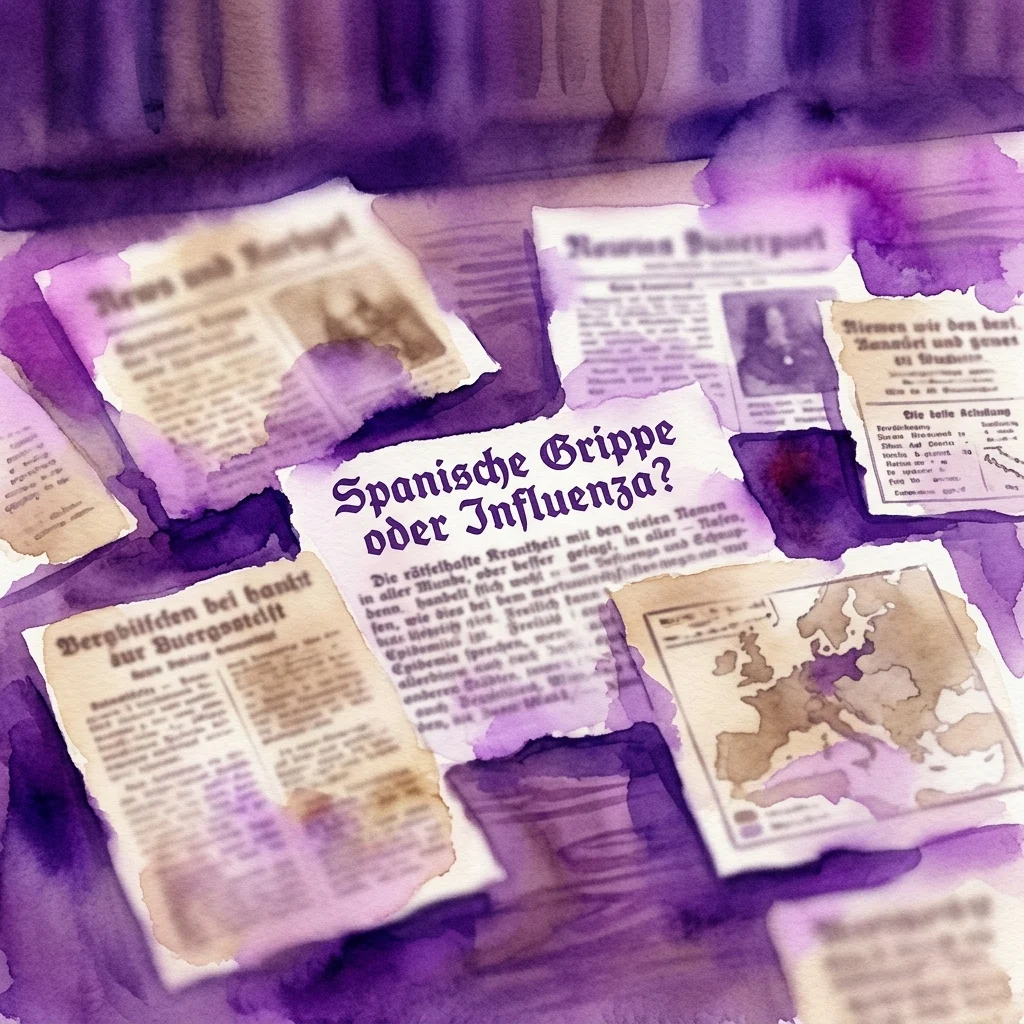
Collage of German newspaper clippings with a purple wash, headlined 'Spanische Grippe oder Influenza?', illustrating historical pandemic reporting.
Permanent exhibition

How the Pandemic Became 'Spanish' Exhibition: Media and History

An analysis of wartime censorship and the 1918 influenza pandemic.

Discover the historical context behind the naming of the 1918 pandemic. This research-based exhibition explains how media outlets masked the virus's true scale while focusing on wartime updates.

Pandemic History Exhibition
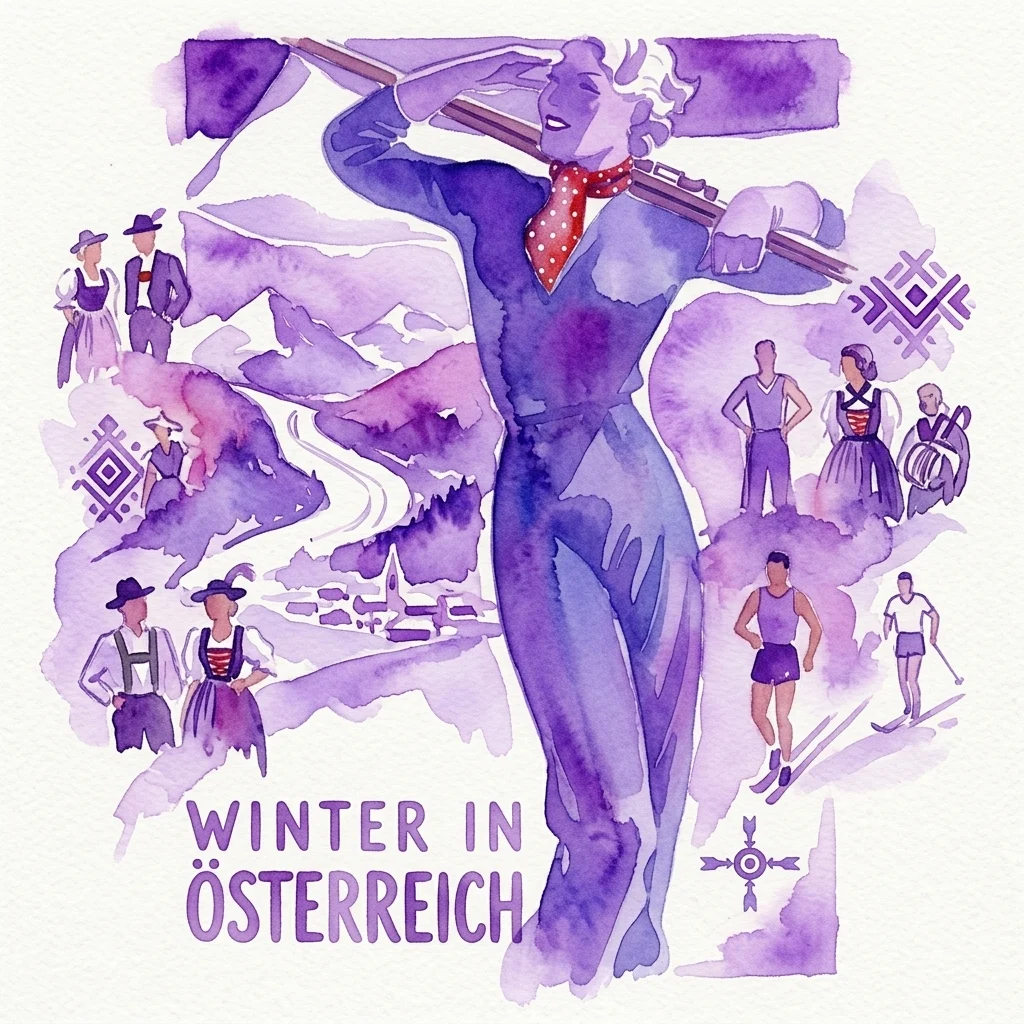
Discover the Historical Exhibition: 1933 and Austrian State Tourism Advertising
Permanent exhibition

Discover the Historical Exhibition: 1933 and Austrian State Tourism Advertising

Explore how Austria's government shaped national tourism promotion.

Examine the transformation of tourism advertising into a state task in Austria starting in 1933. This historical overview details visual campaigns and their foundational impact on creating a major tourist destination.

Exhibition Details
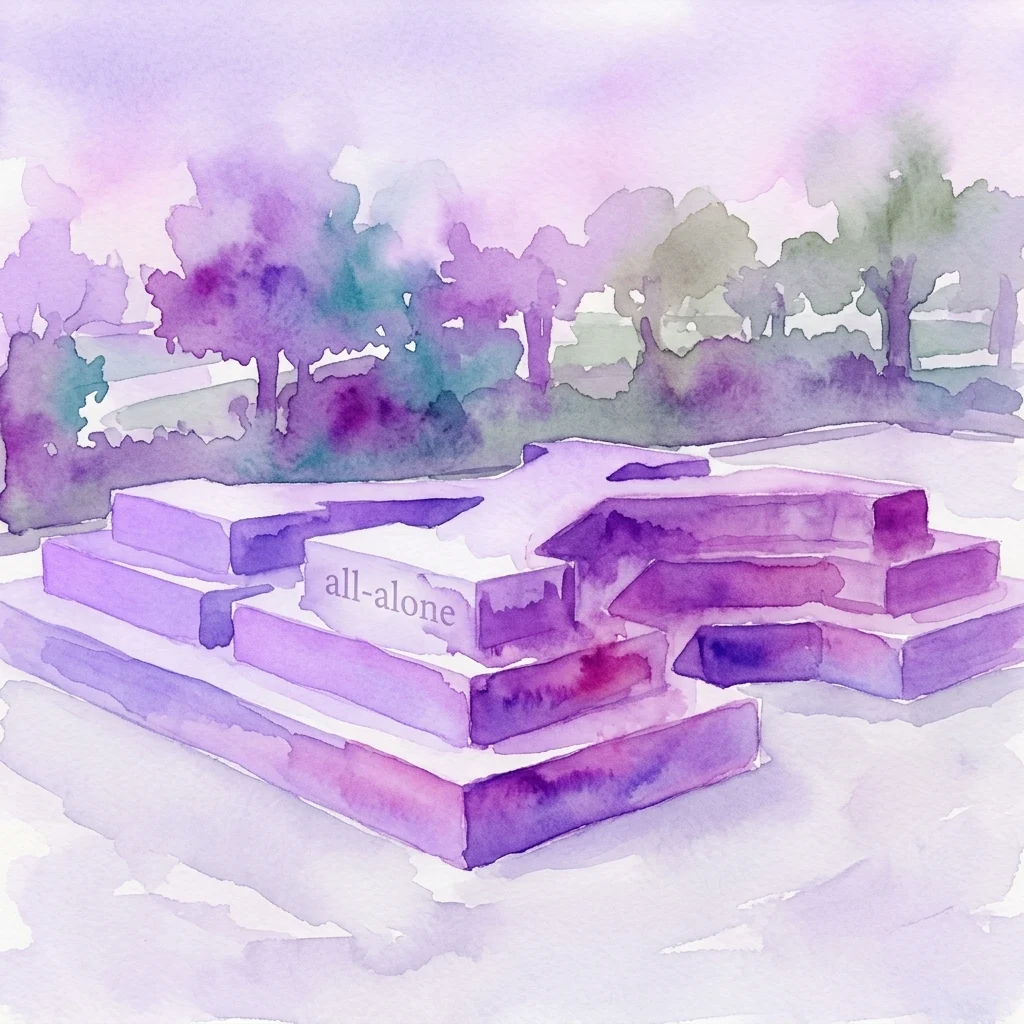
Vienna's Memorial to Nazi Military Justice Victims: A Public Art Tribute
Permanent exhibition

Vienna's Memorial to Nazi Military Justice Victims: A Public Art Tribute

Designed by Olaf Nicolai, honoring WWII victims of military courts.

This significant memorial on Vienna's Ballhausplatz commemorates those persecuted by Nazi military justice during World War II. Discover the artwork by Olaf Nicolai, featuring the poignant 'all – alone' inscription, a powerful reflection on historical accountability.

Memorial Details
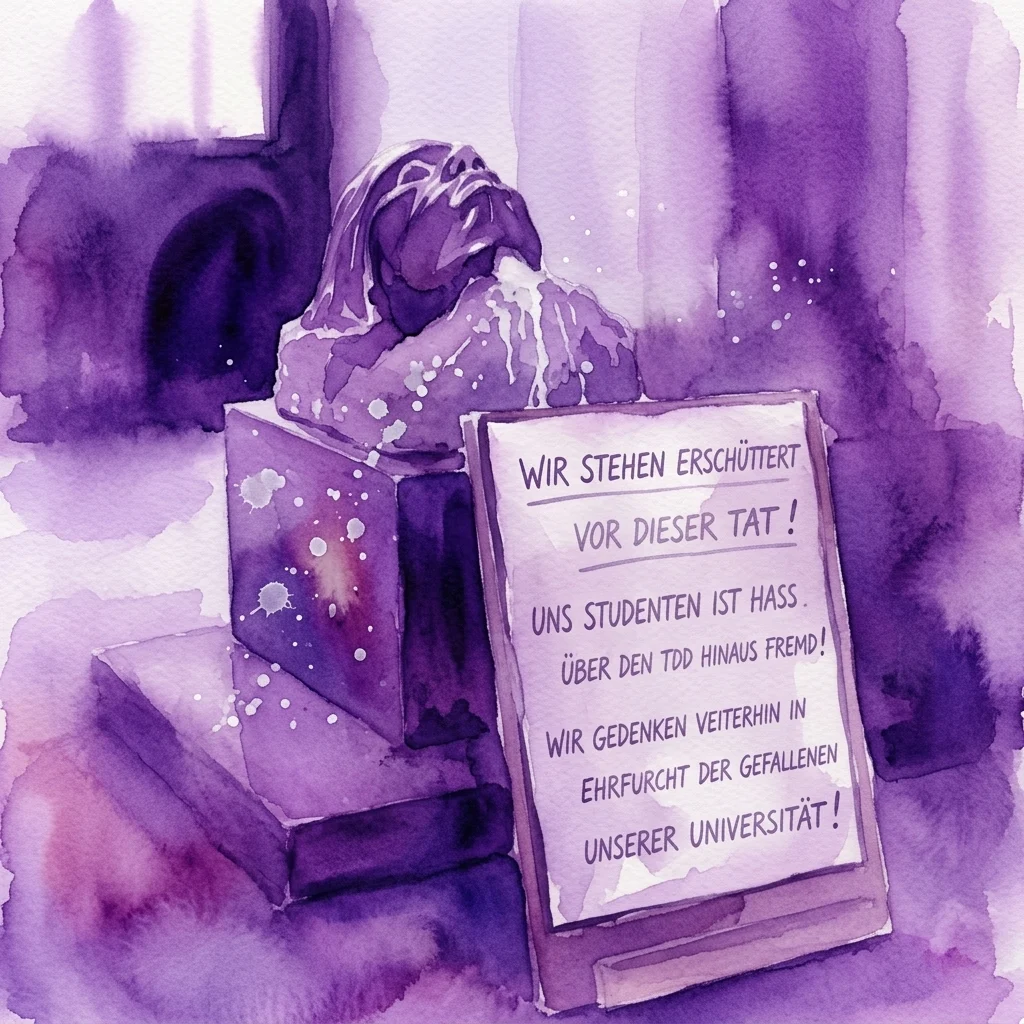
Siegfriedskopf: Exploring a German Nationalist Memorial Site in Vienna
Permanent exhibition

Siegfriedskopf: Exploring a German Nationalist Memorial Site in Vienna

Uncover the monument's controversial history and artistic reinterpretation.

This exhibition traces the 'Siegfriedskopf,' a Vienna monument originally dedicated to WWI fallen, through its co-option by German nationalist groups. Learn about its transformation from 1923 to its reinterpretation as a critical memorial site, inviting reflection on a complex past.

Siegfriedskopf Memorial
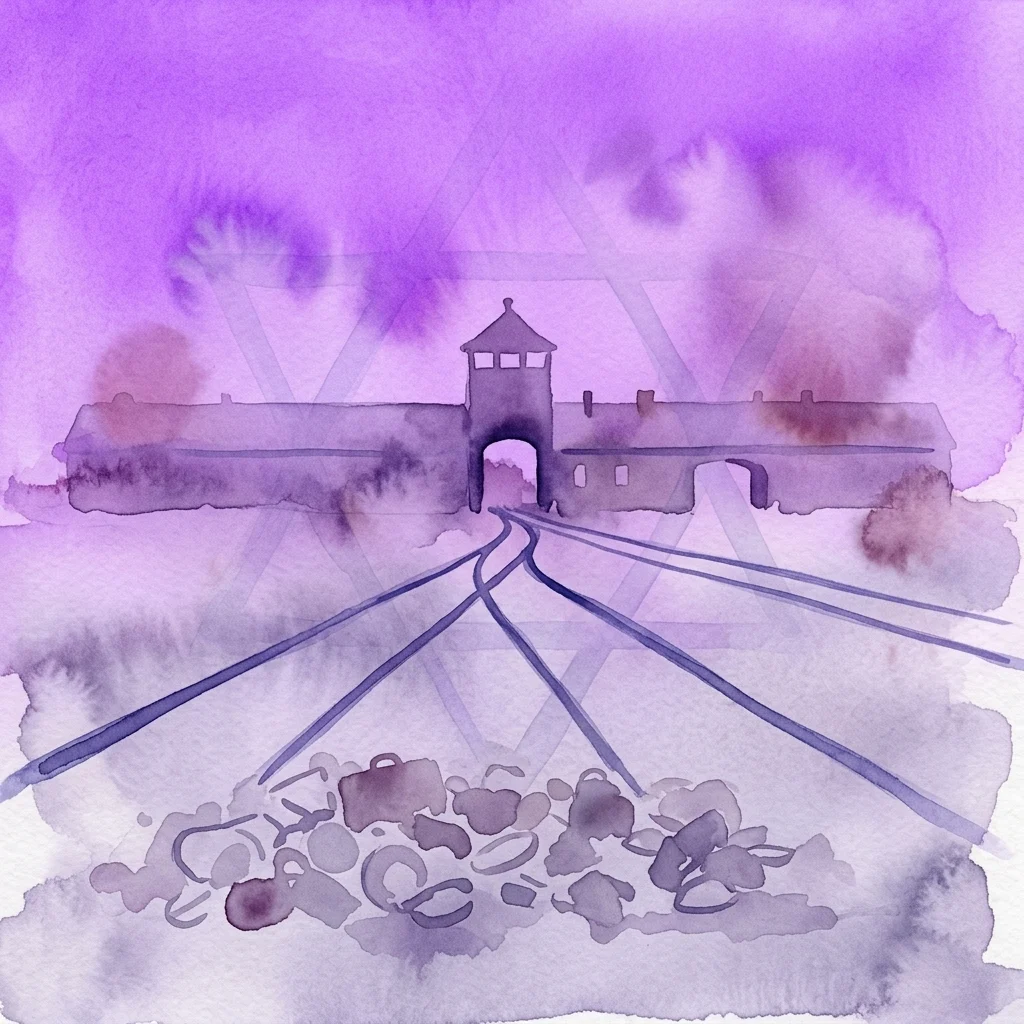
Explore the 1939–1945 Shoah Exhibition at the House of Austrian History
Permanent exhibition

Explore the 1939–1945 Shoah Exhibition at the House of Austrian History

A comprehensive historical entry on the systematic genocide of Jewish people.

Delve into the Shoah, known as the Holocaust, and its profound impact during World War II. This permanent exhibition at the House of Austrian History details the organized persecution of Jewish communities and other groups by Germans and Austrians.

View Exhibition Details
The Dollfuß-Schuschnigg Dictatorship: Exploring Authoritarian Rule in Austrian History
Permanent exhibition

The Dollfuß-Schuschnigg Dictatorship: Exploring Authoritarian Rule in Austrian History

Understand the dismantling of democracy and political shifts in 20th century Austria.

Discover this comprehensive exhibition on the Dollfuß-Schuschnigg dictatorship at the House of Austrian History. Explore the 1933-1938 era, detailing the rise of authoritarianism and its profound impact on Austrian history. Understand key political figures and events of this critical period.

Exhibition Details
Vienna

Discover Current Exhibitions in Vienna: Your Essential Exhibition Search Guide

Explore Vienna's dynamic art and cultural displays today.

Find compelling art, history, and science exhibitions happening throughout Vienna. This specialized resource helps you locate unique cultural experiences and plan your visit to inspiring displays. Explore Vienna's rich cultural scene with ease.