Vienna
Open now

Exploring 'The Third Man': A 1949 British Thriller and its Viennese Post-War Legacy

Delve into the film noir classic, its Austrian contributions, and depiction of occupied Vienna's daily life.

Uncover the compelling story behind 'The Third Man', the acclaimed 1949 thriller by Carol Reed. This detailed overview explores the film's production in Vienna, its significant Austrian involvement, and its powerful portrayal of post-war occupation. Learn about its critical reception, famous chase scenes, and enduring cultural impact as a landmark of film noir.

About 1949: "Der dritte Mann" at House of Austrian History in Vienna

Read curatorial context and practical visitor information for 1949: "Der dritte Mann" at House of Austrian History in Vienna

Exhibition summary

This page details the 1949 British thriller 'The Third Man', directed by Carol Reed, which was filmed in Vienna and featured significant Austrian participation. It explores the film's plot, its reflection of post-war life in occupied Vienna, and its critical acclaim, including awards like the Palme d'Or.

Curatorial context

The film "The Third Man," released in 1949, is a celebrated British thriller directed by Carol Reed with a screenplay by Graham Greene. It garnered significant Austrian participation, including financial pre-funding from the Nationalbank and contributions from Austrian actors like Hedwig Bleibtreu and technicians. The movie was primarily shot in Vienna, utilizing locations such as the 1st district, the Zentralfriedhof, and the Prater, with some canal scenes later re-filmed in London. The narrative follows American writer Holly Martins as he investigates the supposed death of his friend Harry Lime, uncovering a plot involving drug smuggling and the complexities of the occupation zones in Vienna. The film is recognized for its masterful depiction of post-war daily life, informed by intelligence agency information, and is a prime example of Film Noir. Particularly famous are the chase sequences through Vienna's sewer system and Anton Karas's iconic "Harry Lime Theme." The film received numerous accolades, including the Palme d'Or in 1949 and three Oscar nominations in 1951, winning for Best Cinematography. Critics praised its technical brilliance and suspense, though some noted a lack of analytical depth beyond its thriller elements.

Admission and ticket notes

This page details a historical film and its context within the museum's collection or digital offerings, not a currently running exhibition with specific ticket information. Visitors are directed to the main museum website for general ticketing details for other attractions or general admission.

1949: "Der dritte Mann" key exhibition facts

Review exhibition status, schedule, venue context, and attribution details for 1949: "Der dritte Mann" at House of Austrian History in Vienna

Venue
House of Austrian History
Current status
Open now
Exhibition schedule
Information not currently available
Artist line / attribution
Authored by Monika Stromberger.
More from House of Austrian History
Explore additional exhibitions from the same institution
Review other exhibitions from House of Austrian History in Vienna to compare themes, timelines, and program direction while planning your museum visit.
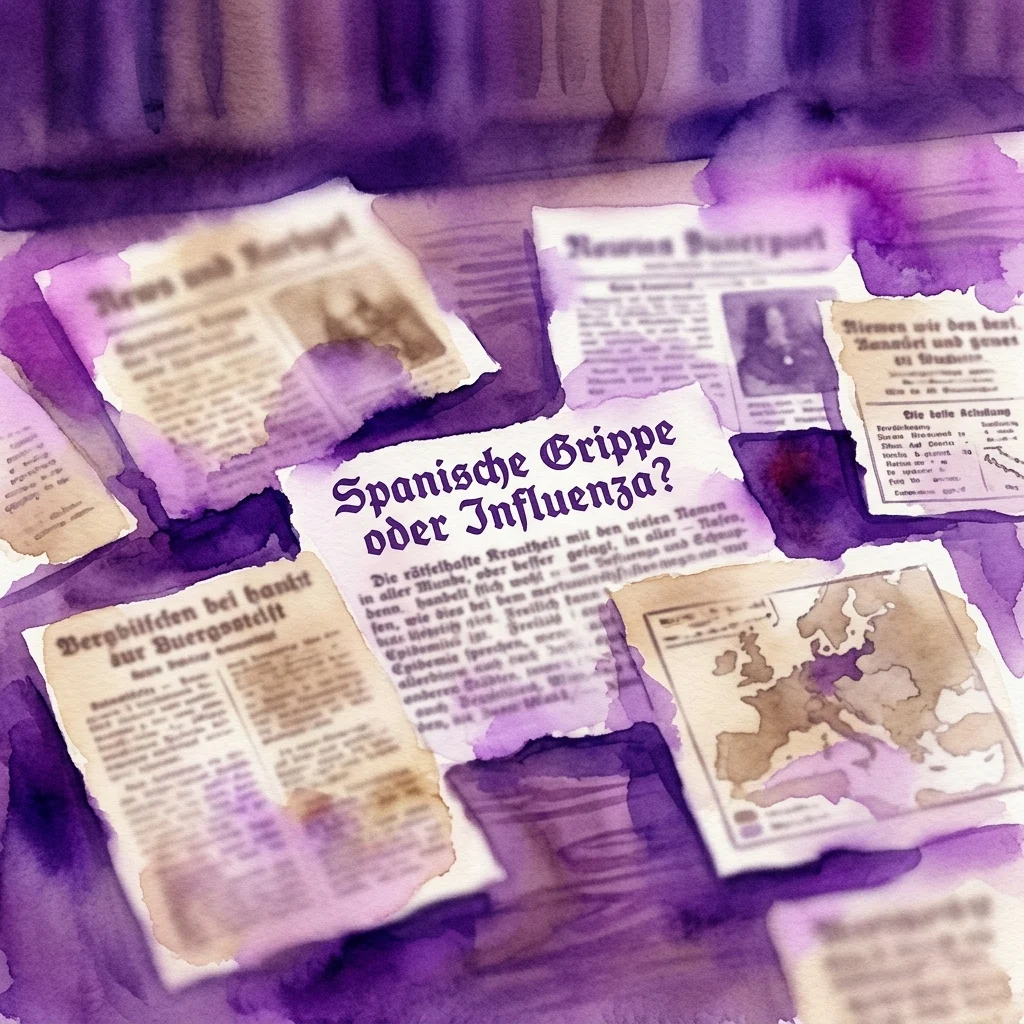
Collage of German newspaper clippings with a purple wash, headlined 'Spanische Grippe oder Influenza?', illustrating historical pandemic reporting.
Permanent exhibition

How the Pandemic Became 'Spanish' Exhibition: Media and History

An analysis of wartime censorship and the 1918 influenza pandemic.

Discover the historical context behind the naming of the 1918 pandemic. This research-based exhibition explains how media outlets masked the virus's true scale while focusing on wartime updates.

Pandemic History Exhibition
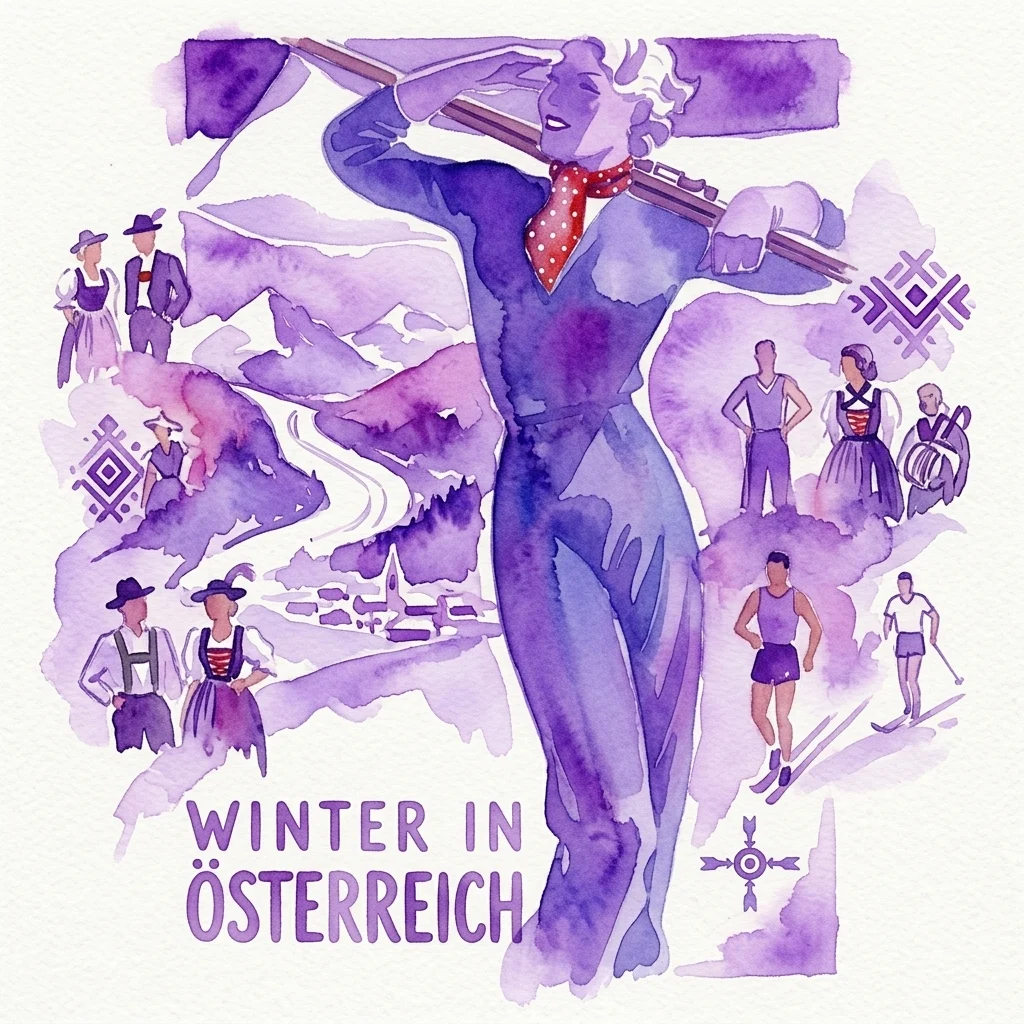
Discover the Historical Exhibition: 1933 and Austrian State Tourism Advertising
Permanent exhibition

Discover the Historical Exhibition: 1933 and Austrian State Tourism Advertising

Explore how Austria's government shaped national tourism promotion.

Examine the transformation of tourism advertising into a state task in Austria starting in 1933. This historical overview details visual campaigns and their foundational impact on creating a major tourist destination.

Exhibition Details
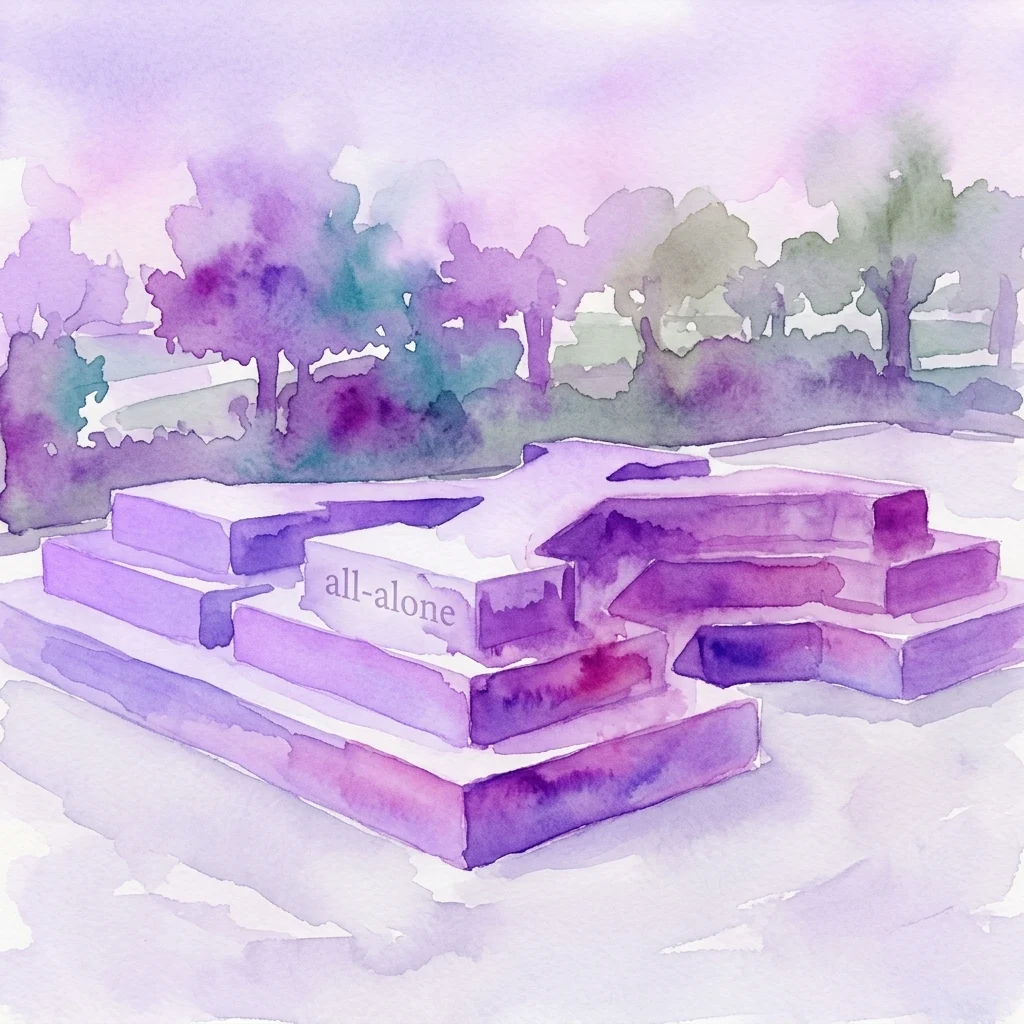
Vienna's Memorial to Nazi Military Justice Victims: A Public Art Tribute
Permanent exhibition

Vienna's Memorial to Nazi Military Justice Victims: A Public Art Tribute

Designed by Olaf Nicolai, honoring WWII victims of military courts.

This significant memorial on Vienna's Ballhausplatz commemorates those persecuted by Nazi military justice during World War II. Discover the artwork by Olaf Nicolai, featuring the poignant 'all – alone' inscription, a powerful reflection on historical accountability.

Memorial Details
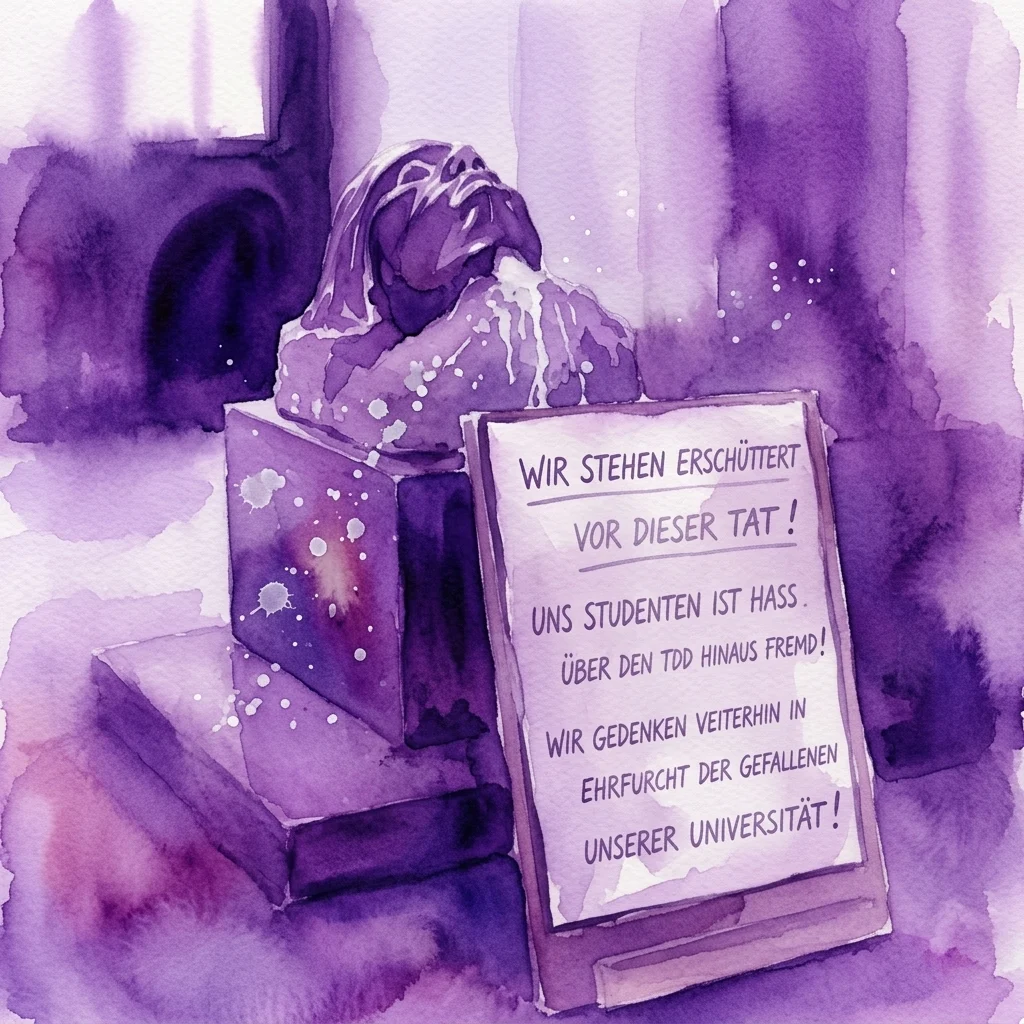
Siegfriedskopf: Exploring a German Nationalist Memorial Site in Vienna
Permanent exhibition

Siegfriedskopf: Exploring a German Nationalist Memorial Site in Vienna

Uncover the monument's controversial history and artistic reinterpretation.

This exhibition traces the 'Siegfriedskopf,' a Vienna monument originally dedicated to WWI fallen, through its co-option by German nationalist groups. Learn about its transformation from 1923 to its reinterpretation as a critical memorial site, inviting reflection on a complex past.

Siegfriedskopf Memorial
Explore the 1939–1945 Shoah Exhibition at the House of Austrian History
Permanent exhibition

Explore the 1939–1945 Shoah Exhibition at the House of Austrian History

A comprehensive historical entry on the systematic genocide of Jewish people.

Delve into the Shoah, known as the Holocaust, and its profound impact during World War II. This permanent exhibition at the House of Austrian History details the organized persecution of Jewish communities and other groups by Germans and Austrians.

View Exhibition Details
The Dollfuß-Schuschnigg Dictatorship: Exploring Authoritarian Rule in Austrian History
Permanent exhibition

The Dollfuß-Schuschnigg Dictatorship: Exploring Authoritarian Rule in Austrian History

Understand the dismantling of democracy and political shifts in 20th century Austria.

Discover this comprehensive exhibition on the Dollfuß-Schuschnigg dictatorship at the House of Austrian History. Explore the 1933-1938 era, detailing the rise of authoritarianism and its profound impact on Austrian history. Understand key political figures and events of this critical period.

Exhibition Details
Vienna

Discover Current Exhibitions in Vienna: Your Essential Exhibition Search Guide

Explore Vienna's dynamic art and cultural displays today.

Find compelling art, history, and science exhibitions happening throughout Vienna. This specialized resource helps you locate unique cultural experiences and plan your visit to inspiring displays. Explore Vienna's rich cultural scene with ease.