1955 "Hero's Death" for Reconstruction: Examining Austria's Kaprun Dam Narrative
Uncover the curated heroism and overlooked truths behind the Kaprun Dam's post-war reconstruction in this insightful exhibit.
Delve into the powerful '1955: "Hero's Death" for Reconstruction' exhibition, which critically analyzes the narrative surrounding the Kaprun Dam's completion. Explore how this monumental project became a national symbol of Austria's post-war recovery, celebrated with stories of heroic engineers and workers. The exhibit reveals the deliberate omissions from this public account, including the use of forced labor and vital Marshall Plan funding, encouraging a deeper look at historical memory.
About 1955: "Heldentod" für den Wiederaufbau at House of Austrian History in Vienna
Read curatorial context and practical visitor information for 1955: "Heldentod" für den Wiederaufbau at House of Austrian History in Vienna
Exhibition summary
This exhibit examines the narrative surrounding the completion of the Kaprun Dam in 1955, a symbol of Austria's post-war reconstruction. It highlights how the engineers, technicians, and workers were celebrated as heroes, focusing on the dramatized 'hero's death' of a worker and the patriotic framing of their sacrifice, while consciously omitting the use of forced labor and the role of the Marshall Plan.
Curatorial context
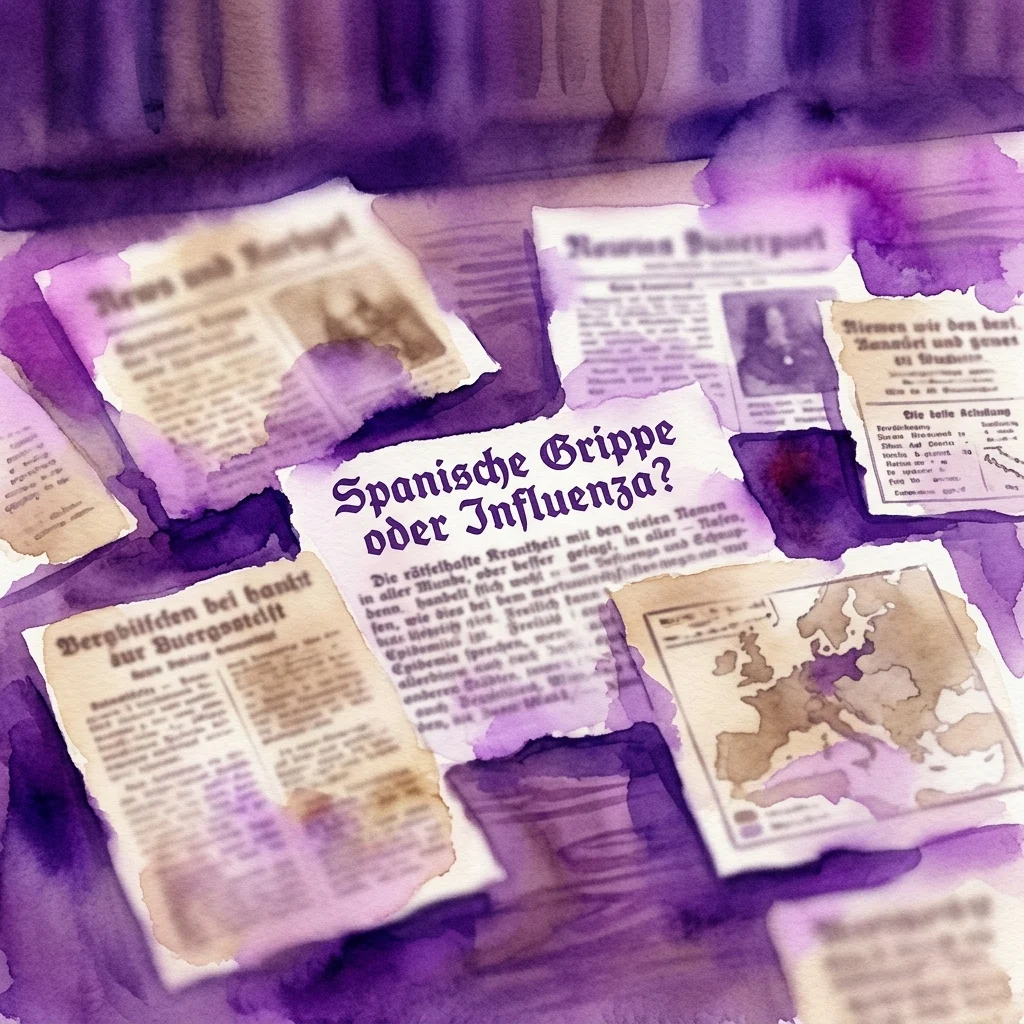
The exhibit '1955: "Heldentod" für den Wiederaufbau' (1955: "Hero's Death" for Reconstruction) delves into the symbolic significance of the Kaprun Dam's completion, which occurred after years of construction in 1955. Presented as a key symbol of Austria's post-war rebuilding efforts, the project was lauded with public celebrations that elevated the engineers, technicians, and workers to the status of national heroes. The visual and narrative representations emphasized the perceived dangers of the construction site and constructed an image of masculinity that aligned with the nation's aspirations for a "new Austria." This narrative was further amplified through media such as radio plays, like the one featured, which emotionally staged the death of a worker as a sacrificial offering for the nation's reconstruction.
However, the exhibit critically points out that this heroic narrative deliberately obscured significant aspects of the dam's history. The construction, initiated during the Nazi era, relied heavily on the exploitation of approximately 10,000 prisoners of war and forced laborers. Furthermore, the crucial financial support provided by the United States through the Marshall Plan is conspicuously absent from the celebrated account. By juxtaposing the promoted image of a dedicated, heroic workforce with the underlying historical truths, the exhibit encourages a deeper understanding of how national identity and historical memory are constructed and presented.
Admission and ticket notes
The page contains information related to general museum entry tickets, annual passes, and shopping cart functionality, suggesting ticketing is available. However, specific ticketing details for this particular exhibit are not provided directly within the exhibit's description, other than directing users to general museum purchase options.
1955: "Heldentod" für den Wiederaufbau key exhibition facts
Review exhibition status, schedule, venue context, and attribution details for 1955: "Heldentod" für den Wiederaufbau at House of Austrian History in Vienna
Venue
House of Austrian History
Current status
Open now
Exhibition schedule
Information not currently available
Artist line / attribution
The exhibit discusses the public narrative and media portrayals of the time, including an audio play by the Austrian Broadcasting Corporation (ORF). Specific individuals are not credited as artists or curators in the provided text.
Vienna
Discover Current Exhibitions in Vienna: Your Essential Exhibition Search Guide
Explore Vienna's dynamic art and cultural displays today.
Find compelling art, history, and science exhibitions happening throughout Vienna. This specialized resource helps you locate unique cultural experiences and plan your visit to inspiring displays. Explore Vienna's rich cultural scene with ease.