Vienna
Open now

Discover the Cultural Impact of 1961's "Der Herr Karl": Austria's Confrontation with its Past

This seminal television play by Carl Merz and Helmut Qualtinger sparked a crucial national conversation on Austrian history.

Delve into "1961: 'Der Herr Karl'", an exhibition exploring the groundbreaking television monologue that forced Austria to confront its complex wartime past. This iconic cultural work, authored by Carl Merz and Helmut Qualtinger, profoundly shaped post-war national identity. Understand how its powerful critique of passive complicity in National Socialism initiated vital public dialogue, preventing historical suppression. Video excerpts of the original production are included.

About 1961: "Der Herr Karl" at House of Austrian History in Vienna

Read curatorial context and practical visitor information for 1961: "Der Herr Karl" at House of Austrian History in Vienna

Exhibition summary

This page details the 1961 Austrian television play "Der Herr Karl," a seminal one-hour monologue that confronted Austria's past and its role in Nazism. Written by Carl Merz and Helmut Qualtinger, the play's honest portrayal of Austrian denial and passive complicity sparked significant public reaction and became an iconic cultural work.

Curatorial context

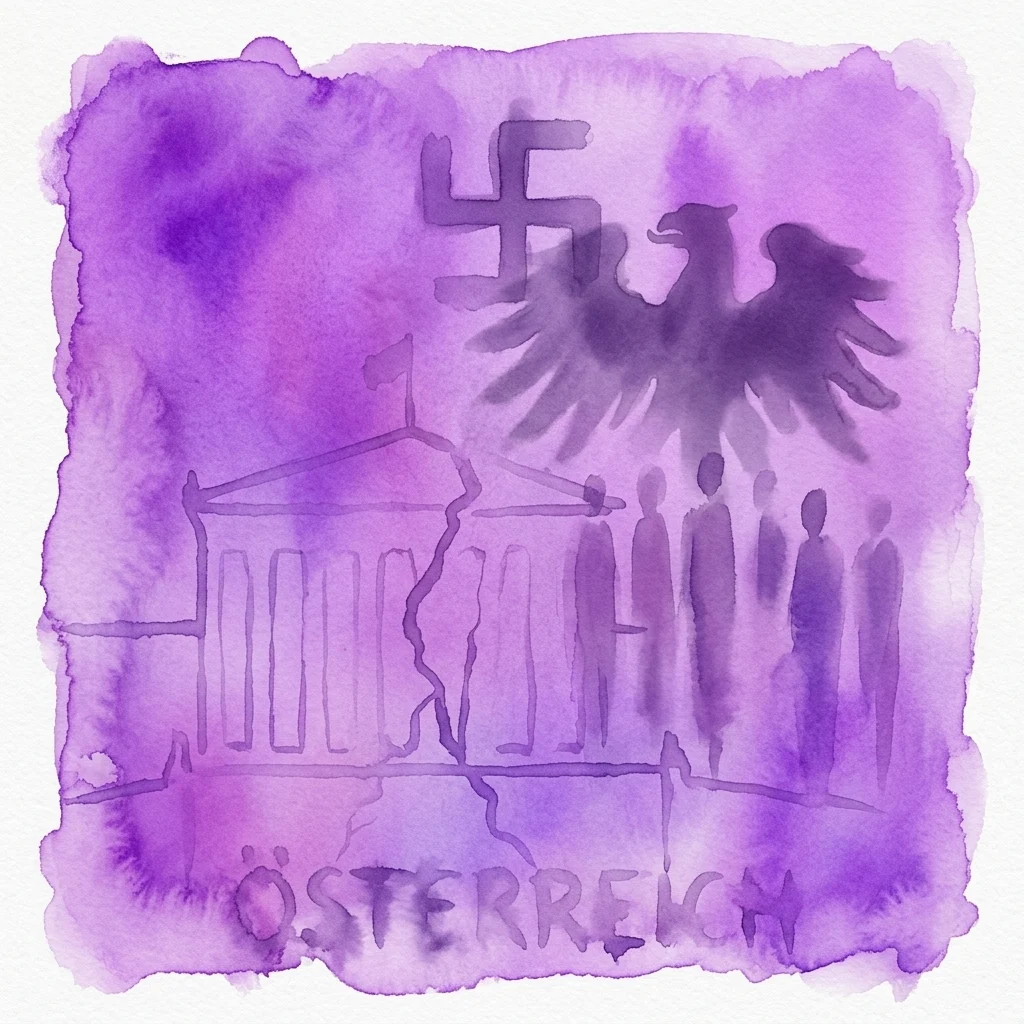
The 1961 television play "Der Herr Karl" marked a significant moment in Austrian cultural history, serving as a potent examination of the nation's complex relationship with its past. This one-hour monologue, penned by Carl Merz and Helmut Qualtinger, was broadcast on Austrian television and immediately made history. The play critiques a specific Austrian attitude characterized by self-pity regarding personal matters, cunning evasiveness when dealing with others, and brutality towards the weak – traits that contributed to the nation's problematic suppression of its involvement in National Socialism. The production resonated deeply with the public, generating massive reactions and solidifying its status as an icon, a stark contrast to other literary works that addressed Austrian complicity in Nazism but were largely ignored. The success of "Der Herr Karl" helped to break the silence surrounding this difficult historical period, preventing the piece from being suppressed. Unlike works by other authors such as Gerhard Fritsch ("Fasching," 1967), Otto Basil ("Wenn das der Führer wüßte," 1966), Hans Lebert ("Die Wolfshaut," 1960), or Albert Drach (with "Z.Z." in 1968 and "Unsentimentale Reise" in 1966), which faced public indifference, Qualtinger and Merz's play forced a national conversation. The page also includes video excerpts of the original ORF production, highlighting its enduring relevance.

1961: "Der Herr Karl" key exhibition facts

Review exhibition status, schedule, venue context, and attribution details for 1961: "Der Herr Karl" at House of Austrian History in Vienna

Venue
House of Austrian History
Current status
Open now
Exhibition schedule
From Nov 15, 1961
Artist line / attribution
The television play "Der Herr Karl" was written by Carl Merz and Helmut Qualtinger.
More from House of Austrian History
Explore additional exhibitions from the same institution
Review other exhibitions from House of Austrian History in Vienna to compare themes, timelines, and program direction while planning your museum visit.
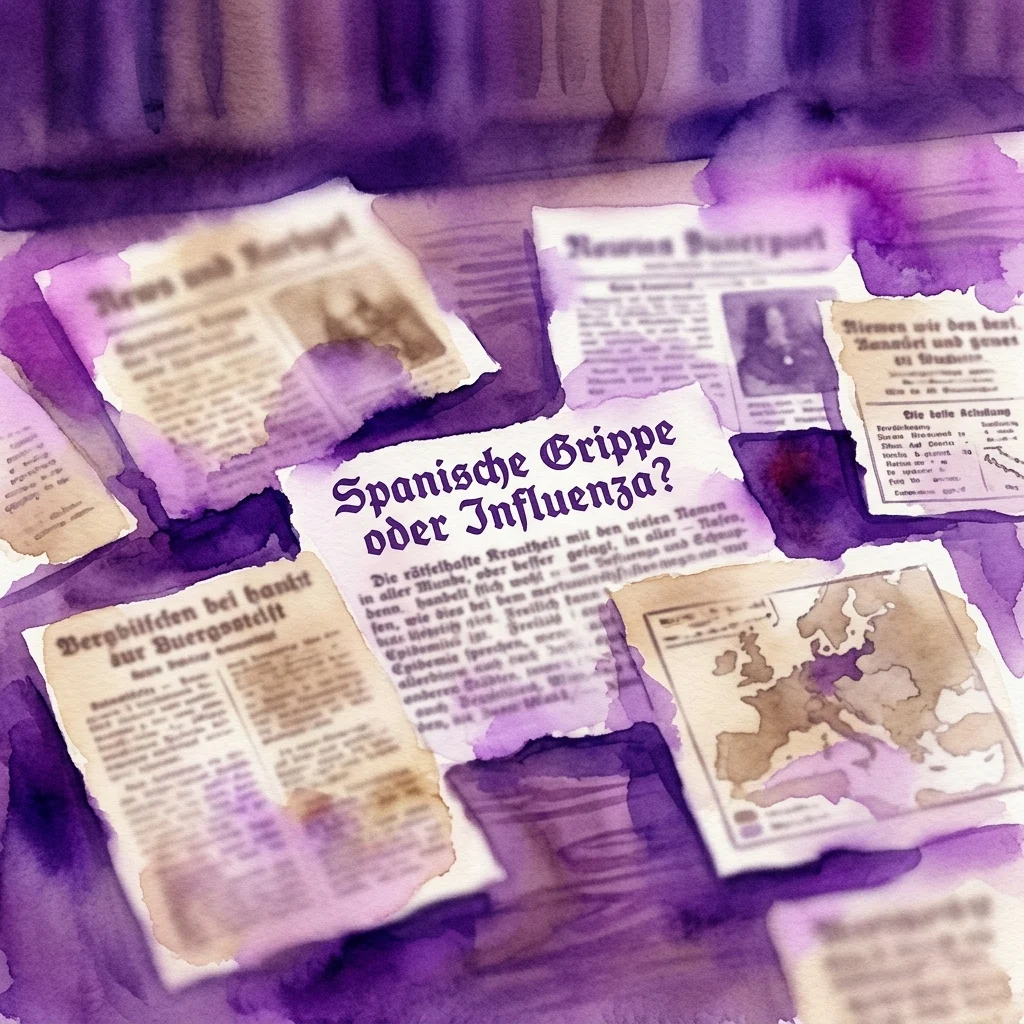
Collage of German newspaper clippings with a purple wash, headlined 'Spanische Grippe oder Influenza?', illustrating historical pandemic reporting.
Permanent exhibition

How the Pandemic Became 'Spanish' Exhibition: Media and History

An analysis of wartime censorship and the 1918 influenza pandemic.

Discover the historical context behind the naming of the 1918 pandemic. This research-based exhibition explains how media outlets masked the virus's true scale while focusing on wartime updates.

Pandemic History Exhibition
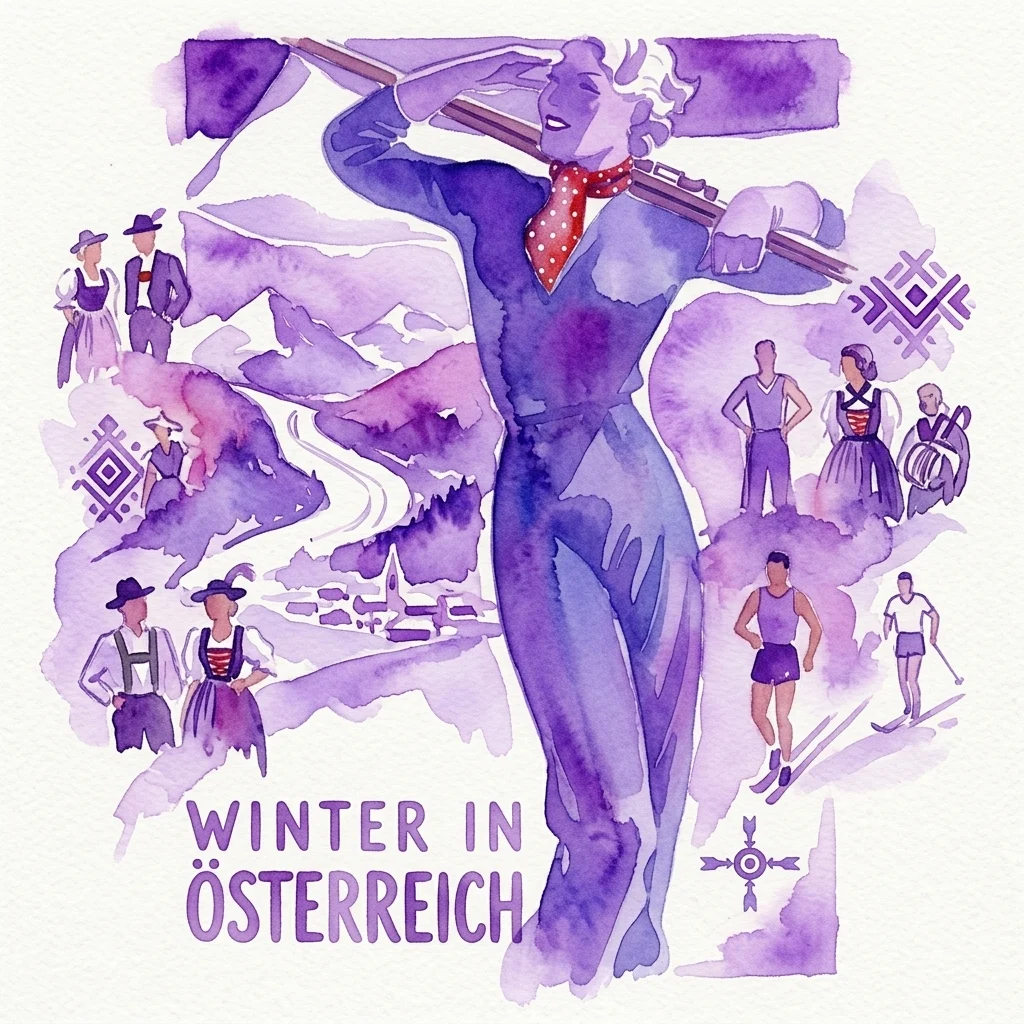
Discover the Historical Exhibition: 1933 and Austrian State Tourism Advertising
Permanent exhibition

Discover the Historical Exhibition: 1933 and Austrian State Tourism Advertising

Explore how Austria's government shaped national tourism promotion.

Examine the transformation of tourism advertising into a state task in Austria starting in 1933. This historical overview details visual campaigns and their foundational impact on creating a major tourist destination.

Exhibition Details
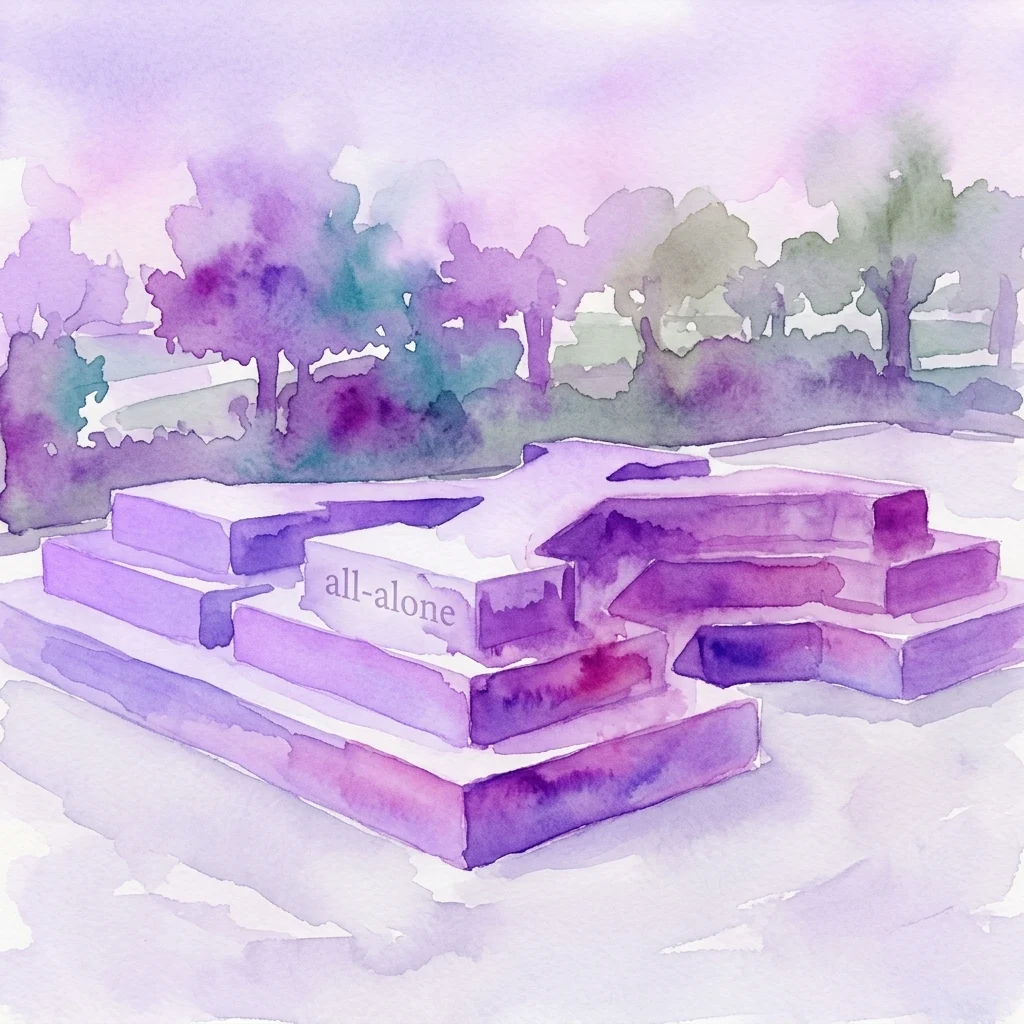
Vienna's Memorial to Nazi Military Justice Victims: A Public Art Tribute
Permanent exhibition

Vienna's Memorial to Nazi Military Justice Victims: A Public Art Tribute

Designed by Olaf Nicolai, honoring WWII victims of military courts.

This significant memorial on Vienna's Ballhausplatz commemorates those persecuted by Nazi military justice during World War II. Discover the artwork by Olaf Nicolai, featuring the poignant 'all – alone' inscription, a powerful reflection on historical accountability.

Memorial Details
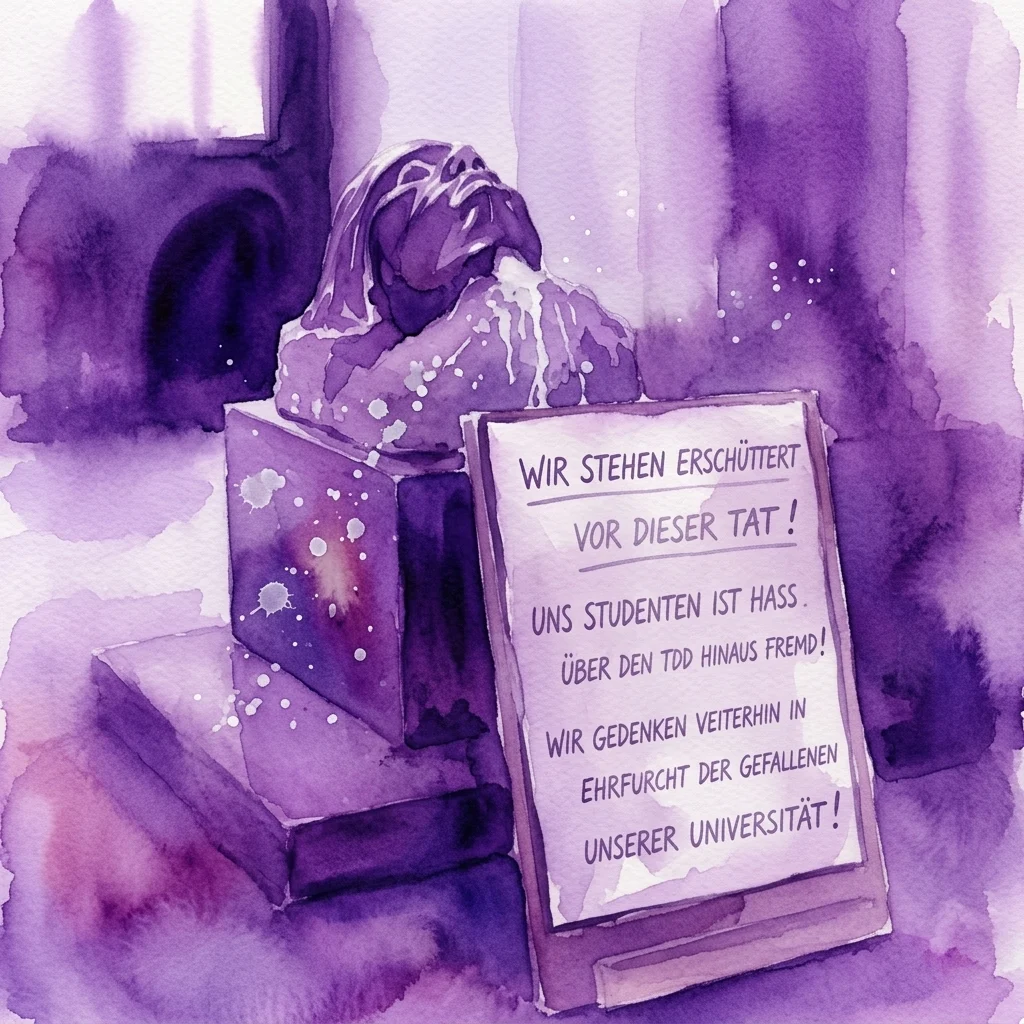
Siegfriedskopf: Exploring a German Nationalist Memorial Site in Vienna
Permanent exhibition

Siegfriedskopf: Exploring a German Nationalist Memorial Site in Vienna

Uncover the monument's controversial history and artistic reinterpretation.

This exhibition traces the 'Siegfriedskopf,' a Vienna monument originally dedicated to WWI fallen, through its co-option by German nationalist groups. Learn about its transformation from 1923 to its reinterpretation as a critical memorial site, inviting reflection on a complex past.

Siegfriedskopf Memorial
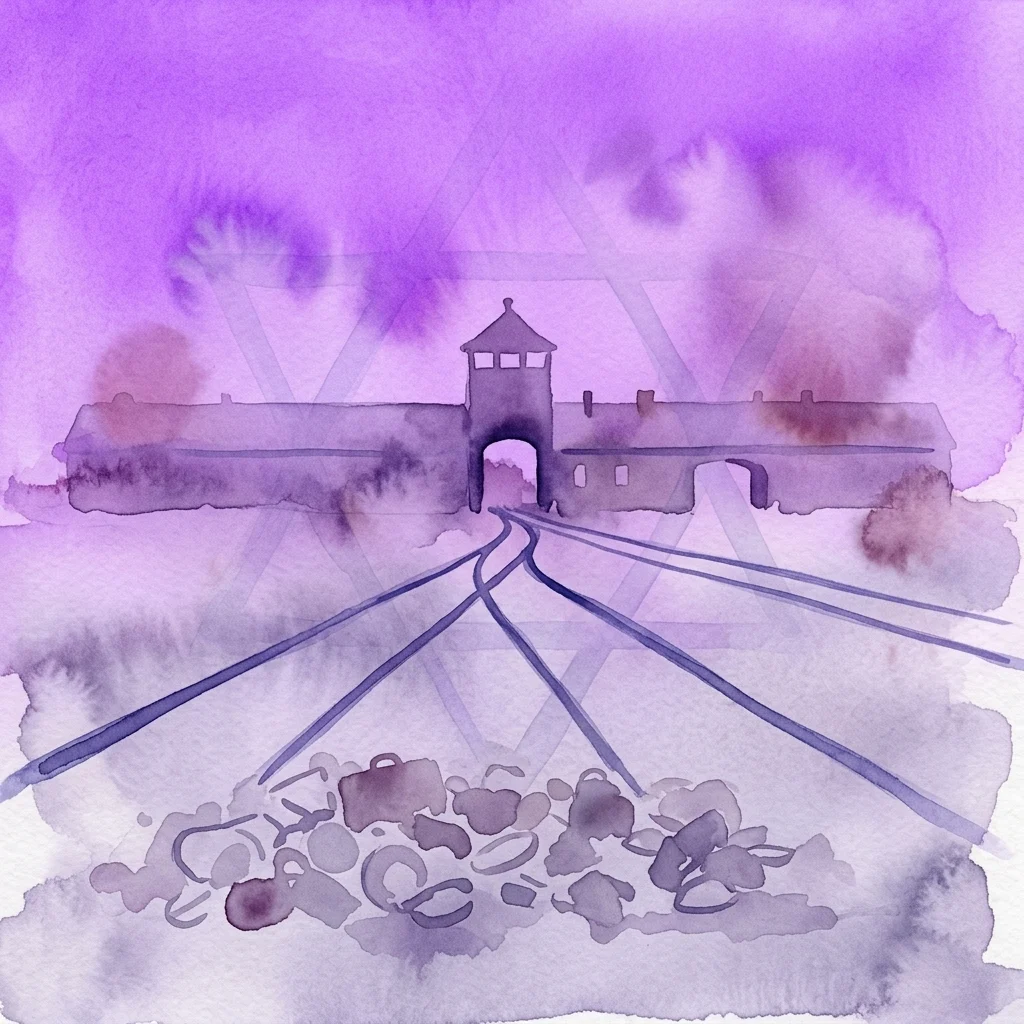
Explore the 1939–1945 Shoah Exhibition at the House of Austrian History
Permanent exhibition

Explore the 1939–1945 Shoah Exhibition at the House of Austrian History

A comprehensive historical entry on the systematic genocide of Jewish people.

Delve into the Shoah, known as the Holocaust, and its profound impact during World War II. This permanent exhibition at the House of Austrian History details the organized persecution of Jewish communities and other groups by Germans and Austrians.

View Exhibition Details
The Dollfuß-Schuschnigg Dictatorship: Exploring Authoritarian Rule in Austrian History
Permanent exhibition

The Dollfuß-Schuschnigg Dictatorship: Exploring Authoritarian Rule in Austrian History

Understand the dismantling of democracy and political shifts in 20th century Austria.

Discover this comprehensive exhibition on the Dollfuß-Schuschnigg dictatorship at the House of Austrian History. Explore the 1933-1938 era, detailing the rise of authoritarianism and its profound impact on Austrian history. Understand key political figures and events of this critical period.

Exhibition Details
Vienna

Discover Current Exhibitions in Vienna: Your Essential Exhibition Search Guide

Explore Vienna's dynamic art and cultural displays today.

Find compelling art, history, and science exhibitions happening throughout Vienna. This specialized resource helps you locate unique cultural experiences and plan your visit to inspiring displays. Explore Vienna's rich cultural scene with ease.