Vienna
Open now

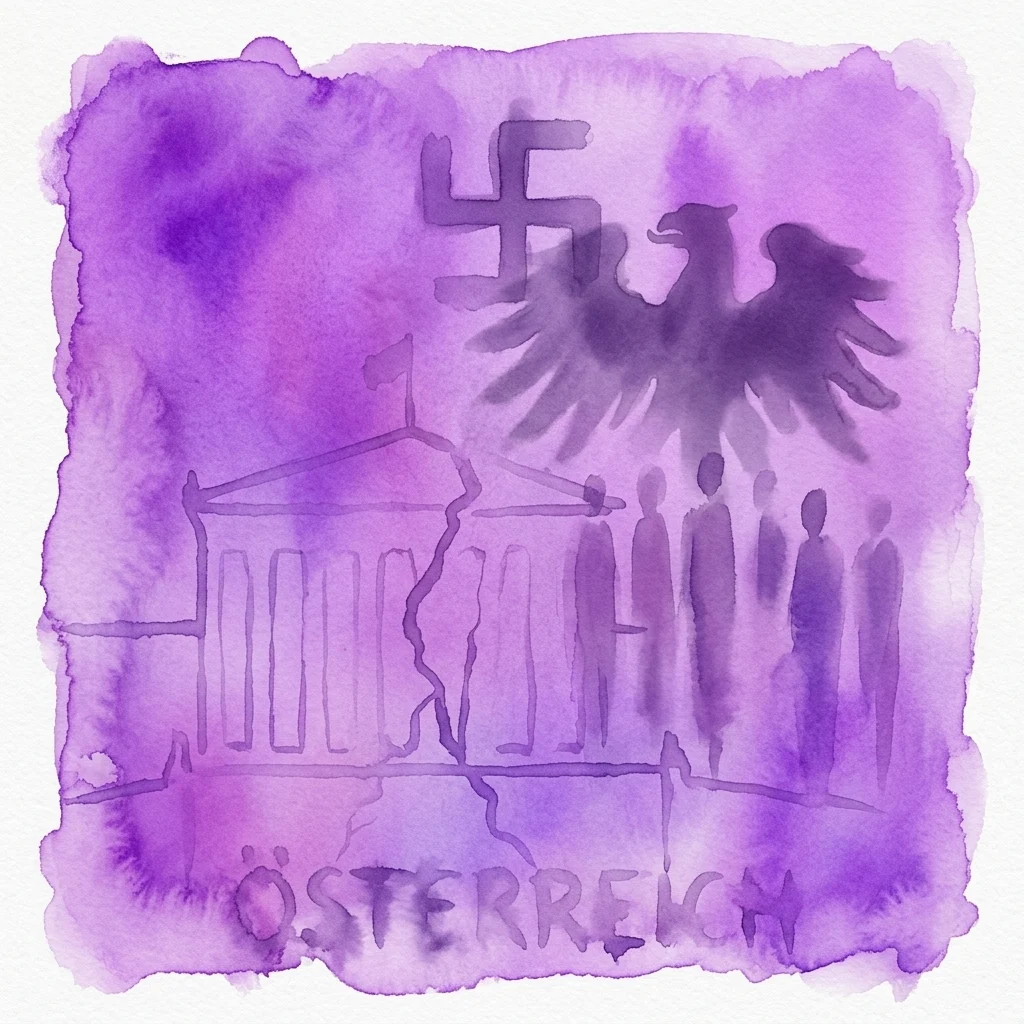
Exploring the Europeanization of Memory of Nazi Crimes and Post-War Accountability from 1989 Onwards

This exhibition examines how European nations grappled with their roles in collaboration and the Holocaust.

This entry explores the pivotal 'Europeanization of memory' regarding Nazi crimes that emerged in 1989. It details how European nations grappled with their responsibility for collaboration and the Holocaust, marking a new era in confronting past atrocities. Authored by Ljiljana Radonić, this provides insight into evolving historical discourse.

About 1989: Europeanization of Memory of Nazi Crimes at House of Austrian History in Vienna

Read curatorial context and practical visitor information for 1989: Europeanization of Memory of Nazi Crimes at House of Austrian History in Vienna

Exhibition summary

This entry explores the 'Europeanization of memory' concerning Nazi crimes that emerged in 1989. It discusses how countries grappled with their responsibility for collaboration and the Holocaust, marking a new era in confronting past atrocities across Europe.

Curatorial context

This detailed entry, titled '1989: Europäisierung der Erinnerung an NS-Verbrechen' (Europeanization of Memory of Nazi Crimes), examines a significant shift in how Europe collectively remembered and confronted its past related to Nazi atrocities. It contrasts the post-war approach in Germany, which embraced responsibility as a source of national pride, with Austria's prolonged 'victim myth' that was challenged by the 'Waldheim Affair' in 1986. The text highlights that by the 1990s, many European nations that had collaborated with Nazi Germany began to acknowledge their complicity, moving beyond earlier narratives of widespread resistance. This process was further influenced by the fall of the Eastern Bloc and the subsequent EU enlargement, which led to the inclusion of Soviet-era crimes into the European memory discourse, sometimes equating them with Nazi crimes and risking the portrayal of national populations solely as victims. The entry, authored by Ljiljana Radonić, points out that the 'Europeanization' of memory in the 1990s saw former collaborating nations gradually admitting their roles in crimes like the Holocaust and genocide against Romani people. This was partly driven by a desire to signal readiness for European integration. The inclusion of Stalinist crimes into the European historical narrative, exemplified by the joint commemoration day for victims of Stalinism and Nazism, is also discussed. A critical perspective is offered regarding the potential pitfall of this linkage, which might lead to populations seeing themselves only as victims of external powers while downplaying their own collaboration.

1989: Europeanization of Memory of Nazi Crimes key exhibition facts

Review exhibition status, schedule, venue context, and attribution details for 1989: Europeanization of Memory of Nazi Crimes at House of Austrian History in Vienna

Venue
House of Austrian History
Current status
Open now
Exhibition schedule
Information not currently available
Artist line / attribution
Authored by Ljiljana Radonić.
More from House of Austrian History
Explore additional exhibitions from the same institution
Review other exhibitions from House of Austrian History in Vienna to compare themes, timelines, and program direction while planning your museum visit.
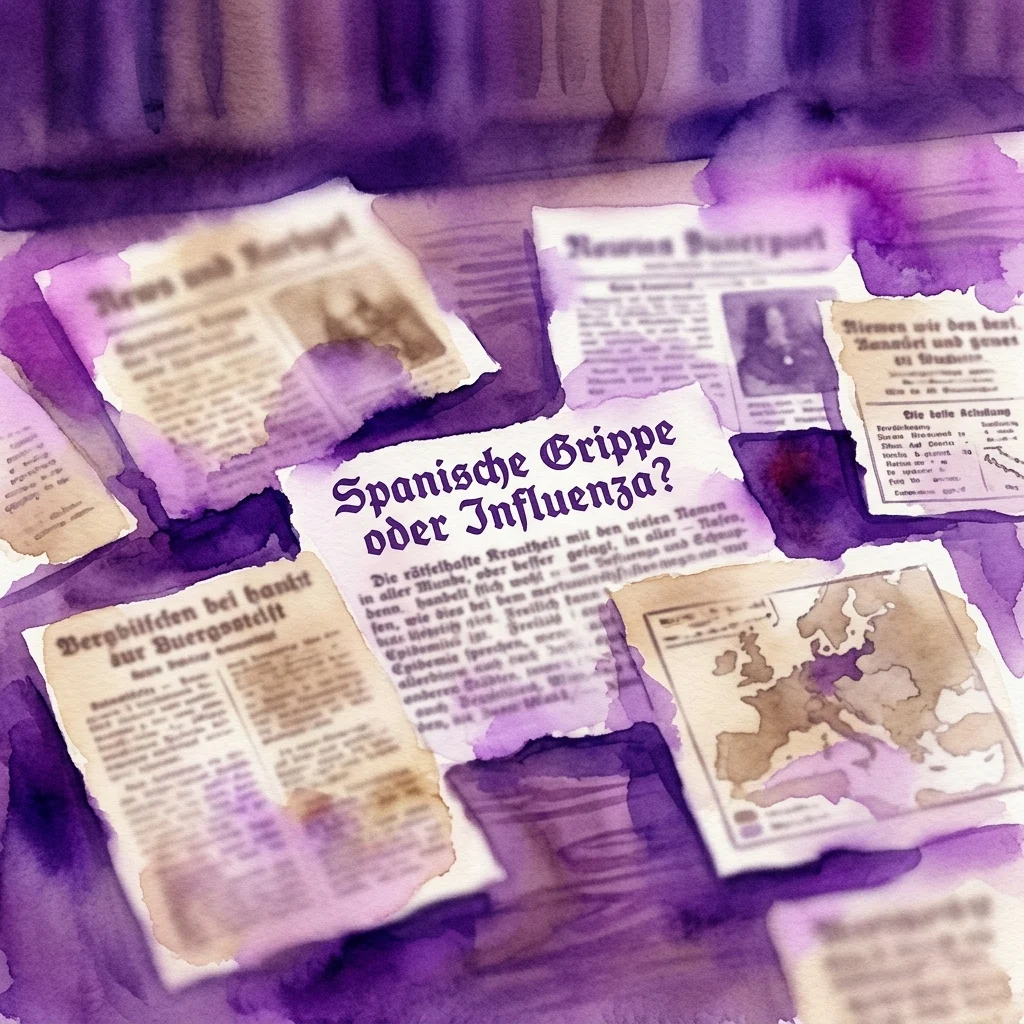
Collage of German newspaper clippings with a purple wash, headlined 'Spanische Grippe oder Influenza?', illustrating historical pandemic reporting.
Permanent exhibition

How the Pandemic Became 'Spanish' Exhibition: Media and History

An analysis of wartime censorship and the 1918 influenza pandemic.

Discover the historical context behind the naming of the 1918 pandemic. This research-based exhibition explains how media outlets masked the virus's true scale while focusing on wartime updates.

Pandemic History Exhibition
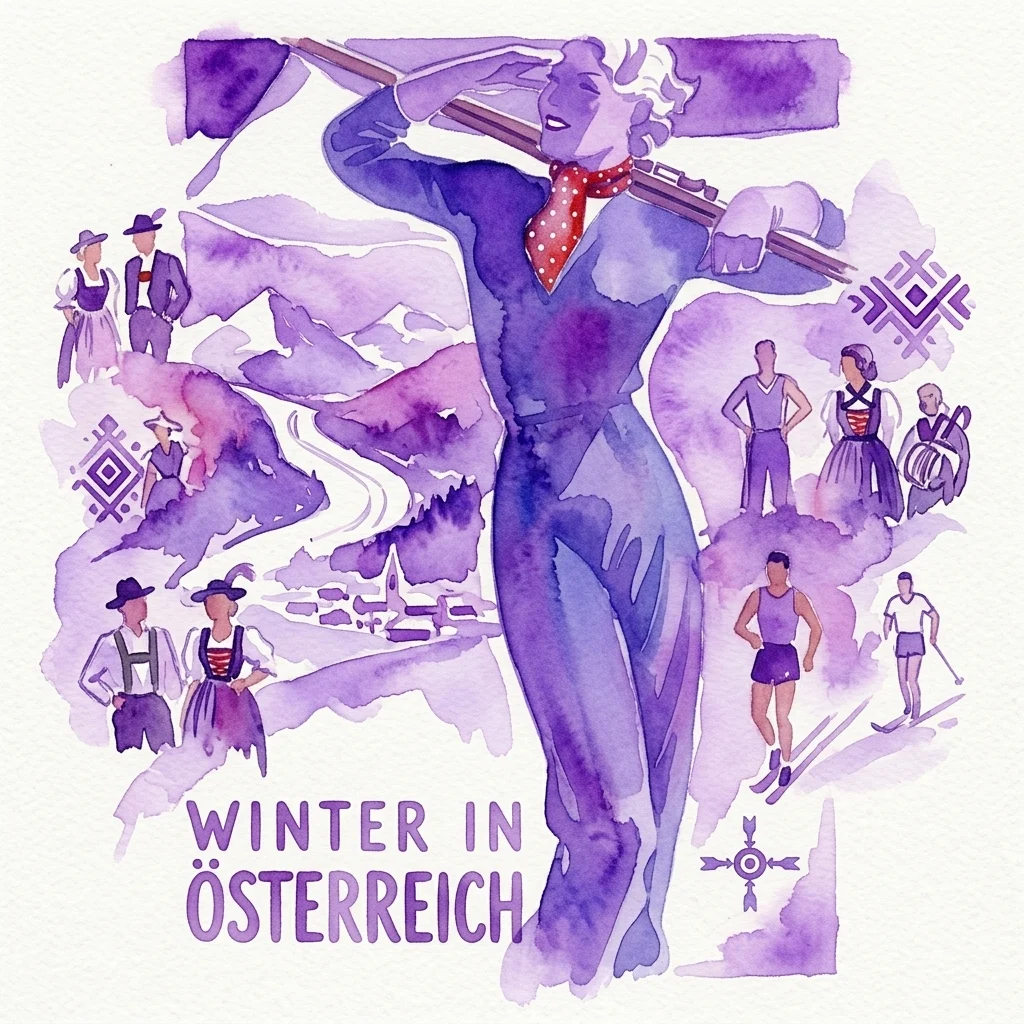
Discover the Historical Exhibition: 1933 and Austrian State Tourism Advertising
Permanent exhibition

Discover the Historical Exhibition: 1933 and Austrian State Tourism Advertising

Explore how Austria's government shaped national tourism promotion.

Examine the transformation of tourism advertising into a state task in Austria starting in 1933. This historical overview details visual campaigns and their foundational impact on creating a major tourist destination.

Exhibition Details
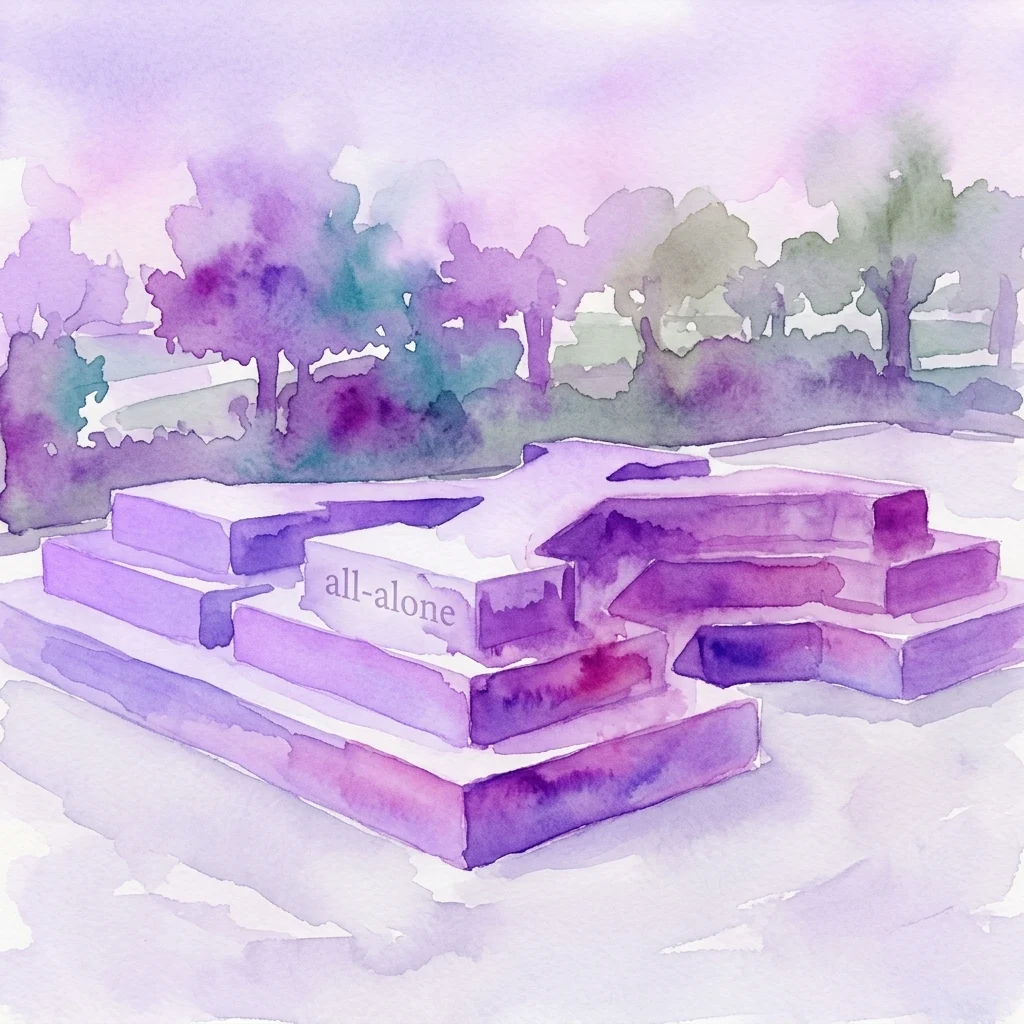
Vienna's Memorial to Nazi Military Justice Victims: A Public Art Tribute
Permanent exhibition

Vienna's Memorial to Nazi Military Justice Victims: A Public Art Tribute

Designed by Olaf Nicolai, honoring WWII victims of military courts.

This significant memorial on Vienna's Ballhausplatz commemorates those persecuted by Nazi military justice during World War II. Discover the artwork by Olaf Nicolai, featuring the poignant 'all – alone' inscription, a powerful reflection on historical accountability.

Memorial Details
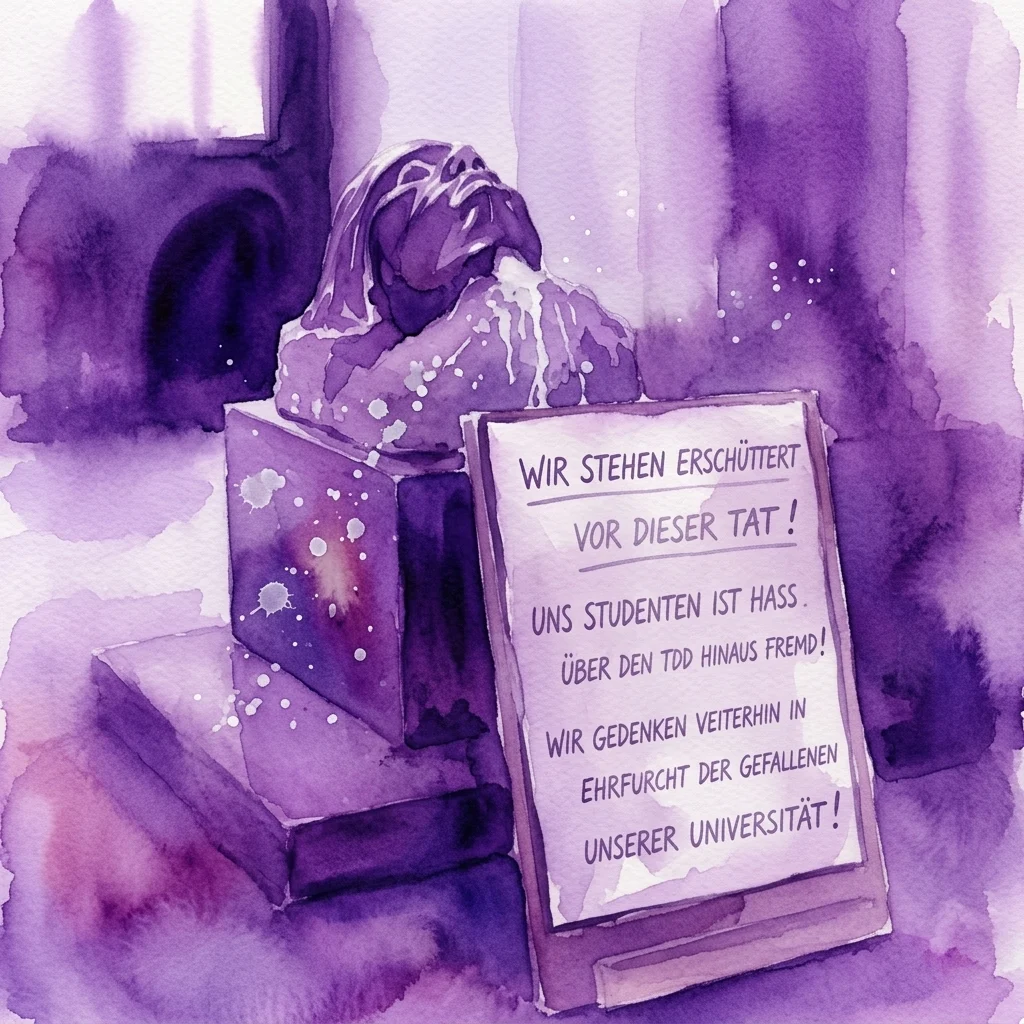
Siegfriedskopf: Exploring a German Nationalist Memorial Site in Vienna
Permanent exhibition

Siegfriedskopf: Exploring a German Nationalist Memorial Site in Vienna

Uncover the monument's controversial history and artistic reinterpretation.

This exhibition traces the 'Siegfriedskopf,' a Vienna monument originally dedicated to WWI fallen, through its co-option by German nationalist groups. Learn about its transformation from 1923 to its reinterpretation as a critical memorial site, inviting reflection on a complex past.

Siegfriedskopf Memorial
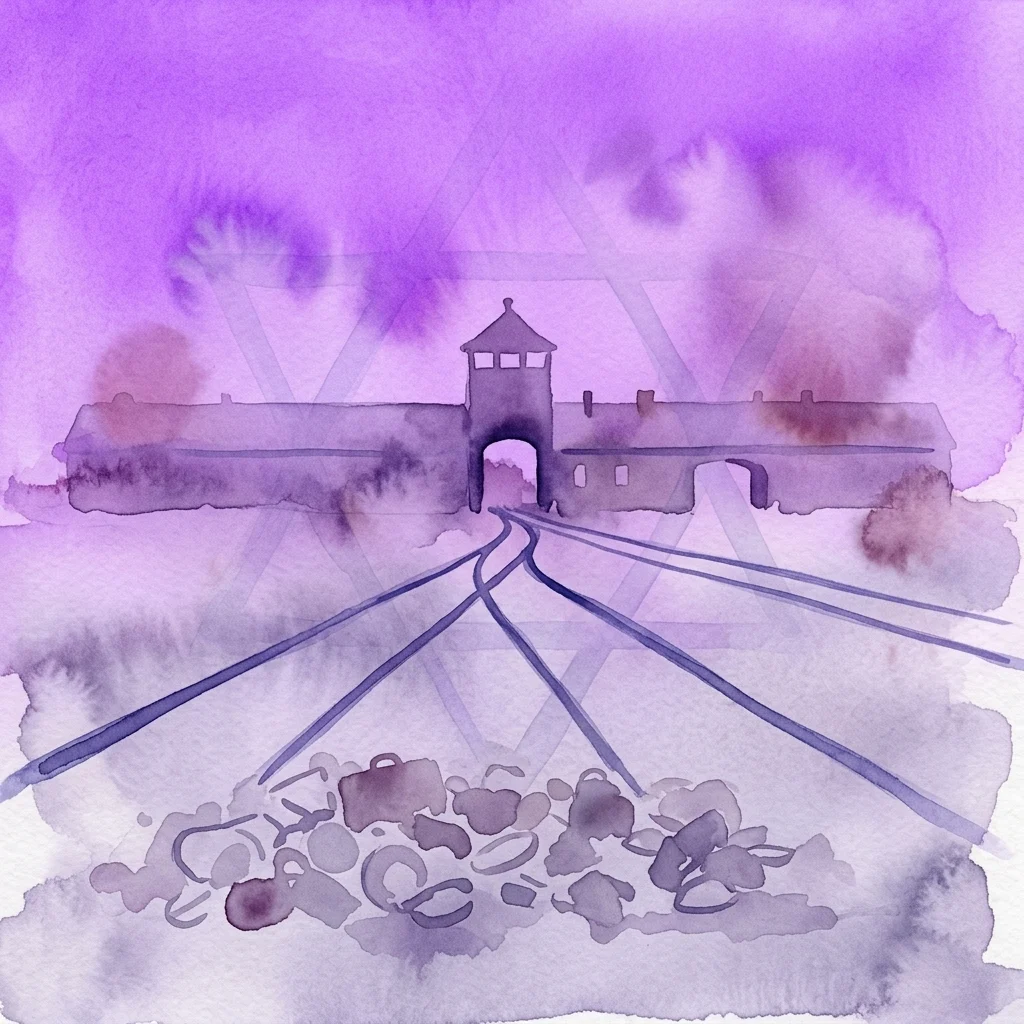
Explore the 1939–1945 Shoah Exhibition at the House of Austrian History
Permanent exhibition

Explore the 1939–1945 Shoah Exhibition at the House of Austrian History

A comprehensive historical entry on the systematic genocide of Jewish people.

Delve into the Shoah, known as the Holocaust, and its profound impact during World War II. This permanent exhibition at the House of Austrian History details the organized persecution of Jewish communities and other groups by Germans and Austrians.

View Exhibition Details
The Dollfuß-Schuschnigg Dictatorship: Exploring Authoritarian Rule in Austrian History
Permanent exhibition

The Dollfuß-Schuschnigg Dictatorship: Exploring Authoritarian Rule in Austrian History

Understand the dismantling of democracy and political shifts in 20th century Austria.

Discover this comprehensive exhibition on the Dollfuß-Schuschnigg dictatorship at the House of Austrian History. Explore the 1933-1938 era, detailing the rise of authoritarianism and its profound impact on Austrian history. Understand key political figures and events of this critical period.

Exhibition Details
Vienna

Discover Current Exhibitions in Vienna: Your Essential Exhibition Search Guide

Explore Vienna's dynamic art and cultural displays today.

Find compelling art, history, and science exhibitions happening throughout Vienna. This specialized resource helps you locate unique cultural experiences and plan your visit to inspiring displays. Explore Vienna's rich cultural scene with ease.