Vienna
Open now

The Dollfuß-Fresko: Examining a Controversial Artwork in Austrian History and Political Debate

Explore the origins and ongoing discussion surrounding this 1935 church fresco by Johann Baptist Oberkofler.

This exhibition entry delves into the significant public discussion surrounding the Dollfuß-Fresko. Created in 1935 by Johann Baptist Oberkofler, this church artwork became a focal point for understanding Austria's 'Ständestaat' regime. Discover how the fresco's imagery, including Engelbert Dollfuß and symbolic continental representations, reflects historical political ideologies and cultural imperialism within Austrian history.

About 2021: Dollfuß-Fresko becomes the subject of public debate at House of Austrian History in Vienna

Read curatorial context and practical visitor information for 2021: Dollfuß-Fresko becomes the subject of public debate at House of Austrian History in Vienna

Exhibition summary

This entry examines the controversy surrounding the Dollfuß-Fresko, a church artwork created in 1935 by Johann Baptist Oberkofler. The fresco depicts Engelbert Dollfuß alongside other figures like Pope Pius XI and Emperor Karl I, with symbolic representations of Africa, Asia, America, and Tyrol. The discussion highlights the artwork's connection to the controversial 'Ständestaat' regime and its cultural imperialism.

Curatorial context

The 2021 public debate surrounding the Dollfuß-Fresko, a cupola fresco in the parish church of St. Jakob in Defreggental, is explored. Created in 1935 by priest and painter Johann Baptist Oberkofler, a year after Engelbert Dollfuß's assassination, the fresco has become a point of contention due to its depiction of the controversial chancellor. Dollfuß is shown as part of a group surrounding a large, central cross, alongside figures like Pope Pius XI and Emperor Karl I. The artwork also includes symbolic representations of Africa, Asia, and America, depicted as groups needing to be reached by missionaries, and a group of Tyroleans drawn towards the cross. The fresco's accompanying inscription, referencing Psalm 72:11, suggests a divine mandate for the Christian 'Ständestaat' (corporate state), with Dollfuß presented as a divinely appointed successor to Emperor Karl I, supported by the Catholic Church. The visual hierarchy within the fresco, where indigenous peoples from other continents appear to require missionary efforts while Tyroleans do not, underscores the underlying cultural imperialism of the Dollfuß-Schuschnigg dictatorship. This entry positions the fresco not as an isolated curiosity but as an example of the cultural and political ideologies prevalent during that era in Austrian history.

2021: Dollfuß-Fresko becomes the subject of public debate key exhibition facts

Review exhibition status, schedule, venue context, and attribution details for 2021: Dollfuß-Fresko becomes the subject of public debate at House of Austrian History in Vienna

Venue
House of Austrian History
Current status
Open now
Exhibition schedule
Information not currently available
Artist line / attribution
The fresco was created in 1935 by priest and painter Johann Baptist Oberkofler. The text was authored by Markus Wurzer.
More from House of Austrian History
Explore additional exhibitions from the same institution
Review other exhibitions from House of Austrian History in Vienna to compare themes, timelines, and program direction while planning your museum visit.
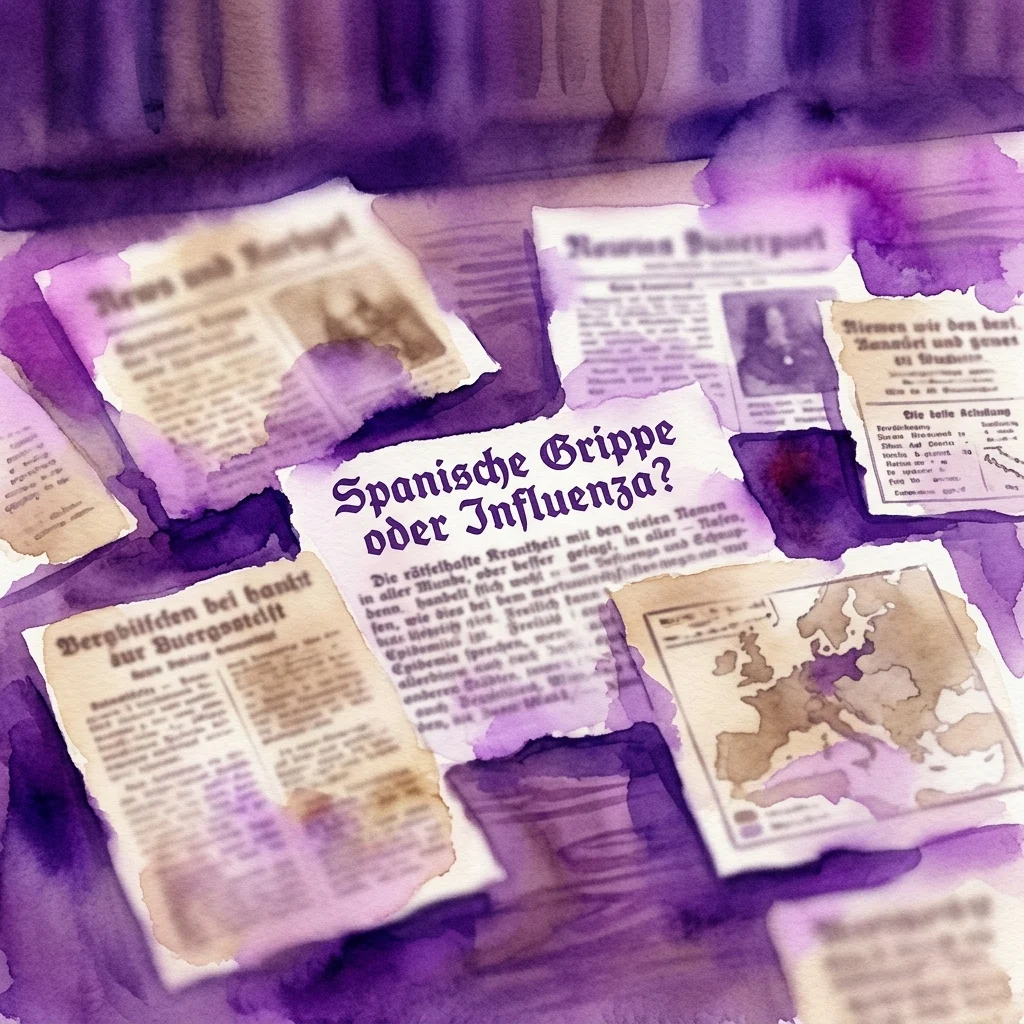
Collage of German newspaper clippings with a purple wash, headlined 'Spanische Grippe oder Influenza?', illustrating historical pandemic reporting.
Permanent exhibition

How the Pandemic Became 'Spanish' Exhibition: Media and History

An analysis of wartime censorship and the 1918 influenza pandemic.

Discover the historical context behind the naming of the 1918 pandemic. This research-based exhibition explains how media outlets masked the virus's true scale while focusing on wartime updates.

Pandemic History Exhibition
Discover the Historical Exhibition: 1933 and Austrian State Tourism Advertising
Permanent exhibition

Discover the Historical Exhibition: 1933 and Austrian State Tourism Advertising

Explore how Austria's government shaped national tourism promotion.

Examine the transformation of tourism advertising into a state task in Austria starting in 1933. This historical overview details visual campaigns and their foundational impact on creating a major tourist destination.

Exhibition Details
Vienna's Memorial to Nazi Military Justice Victims: A Public Art Tribute
Permanent exhibition

Vienna's Memorial to Nazi Military Justice Victims: A Public Art Tribute

Designed by Olaf Nicolai, honoring WWII victims of military courts.

This significant memorial on Vienna's Ballhausplatz commemorates those persecuted by Nazi military justice during World War II. Discover the artwork by Olaf Nicolai, featuring the poignant 'all – alone' inscription, a powerful reflection on historical accountability.

Memorial Details
Siegfriedskopf: Exploring a German Nationalist Memorial Site in Vienna
Permanent exhibition

Siegfriedskopf: Exploring a German Nationalist Memorial Site in Vienna

Uncover the monument's controversial history and artistic reinterpretation.

This exhibition traces the 'Siegfriedskopf,' a Vienna monument originally dedicated to WWI fallen, through its co-option by German nationalist groups. Learn about its transformation from 1923 to its reinterpretation as a critical memorial site, inviting reflection on a complex past.

Siegfriedskopf Memorial
Explore the 1939–1945 Shoah Exhibition at the House of Austrian History
Permanent exhibition

Explore the 1939–1945 Shoah Exhibition at the House of Austrian History

A comprehensive historical entry on the systematic genocide of Jewish people.

Delve into the Shoah, known as the Holocaust, and its profound impact during World War II. This permanent exhibition at the House of Austrian History details the organized persecution of Jewish communities and other groups by Germans and Austrians.

View Exhibition Details
The Dollfuß-Schuschnigg Dictatorship: Exploring Authoritarian Rule in Austrian History
Permanent exhibition

The Dollfuß-Schuschnigg Dictatorship: Exploring Authoritarian Rule in Austrian History

Understand the dismantling of democracy and political shifts in 20th century Austria.

Discover this comprehensive exhibition on the Dollfuß-Schuschnigg dictatorship at the House of Austrian History. Explore the 1933-1938 era, detailing the rise of authoritarianism and its profound impact on Austrian history. Understand key political figures and events of this critical period.

Exhibition Details
Vienna

Discover Current Exhibitions in Vienna: Your Essential Exhibition Search Guide

Explore Vienna's dynamic art and cultural displays today.

Find compelling art, history, and science exhibitions happening throughout Vienna. This specialized resource helps you locate unique cultural experiences and plan your visit to inspiring displays. Explore Vienna's rich cultural scene with ease.