An exhibition held in London in 1934, initiated by the Austrian ambassador Georg Franckenstein, aimed to improve Austria's image in Great Britain by showcasing its cultural achievements. The exhibition featured painting, music, crafts, and live performances to promote Austria as a cultural nation.
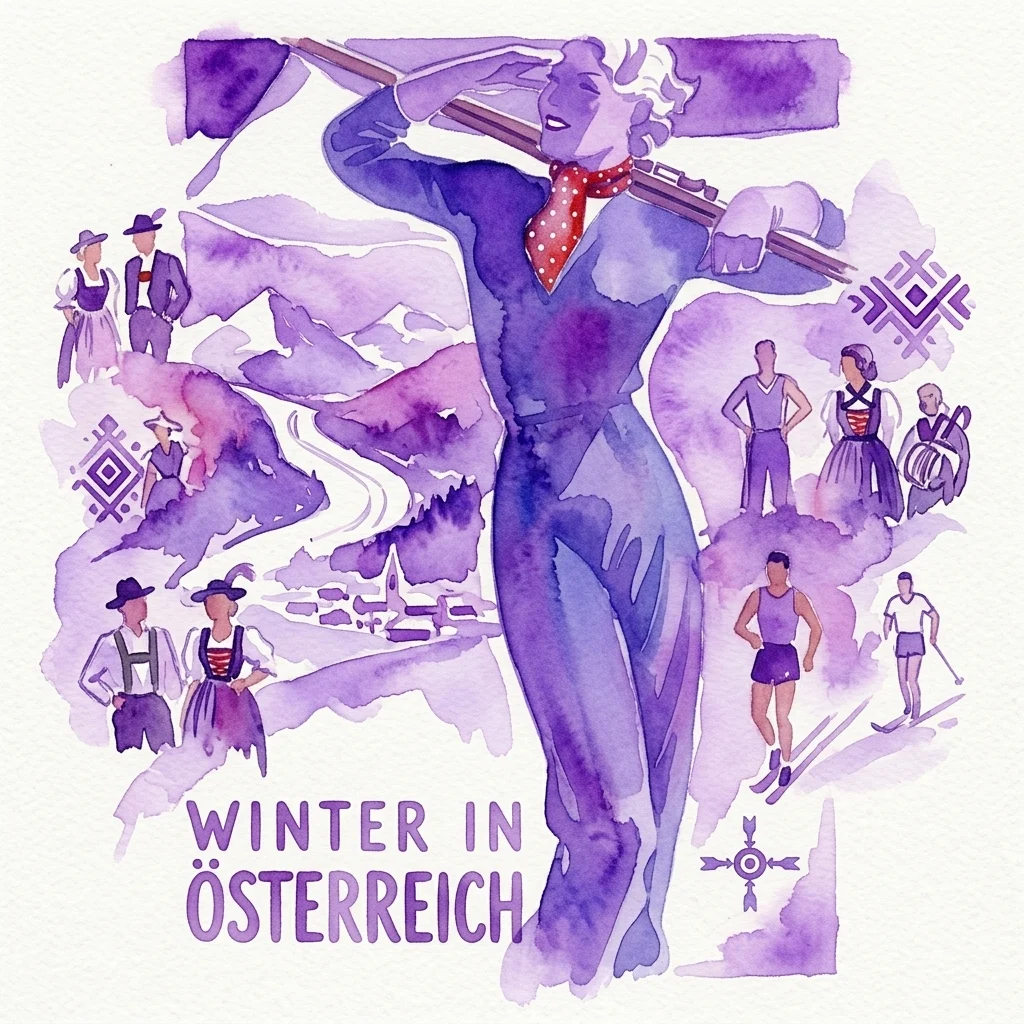
In the spring of 1934, an extensive exhibition of Austrian culture took place in London, driven by the initiative of the Austrian ambassador to Great Britain, Baron Georg Franckenstein. The primary goal was to enhance Austria's image among its former wartime adversary by presenting it as a nation of culture, thereby garnering support for the conservative government then facing opposition from both National Socialism and domestic Social Democracy. The 'Austria in London' exhibition was housed in a central Regent Street townhouse, with Austrian participants in traditional attire greeting visitors. Inside, attendees were immersed in a rich display of 'typically Austrian' representations, with seemingly endless rooms dedicated to painting, musical scores, porcelain, crafts, and photographs of urban and rural life. The exhibition also featured live performances of chamber music by Haydn, Mozart, and Schubert, puppet shows by Richard Teschner, and tastings of culinary specialties. A special garden area even offered live 'folk music' and 'folk dance,' and was visited by members of the British royal family.
This curated selection represented one of the earliest attempts to define what constituted 'typically Austrian,' aiming to equate Austrian identity with high cultural achievement. The exhibition's significant success provided Franckenstein's efforts to position Austria as a 'cultural nation' among the British elite with substantial momentum. It served as a crucial milestone in cultivating a sense of Austria as a distinct nation, with the narrative of Austria being synonymous with 'culture' becoming a cornerstone of its diplomatic strategy to seek support in the struggle against Nazi Germany.