Vienna
Completed

Ebensee, May 4, 1945: An Exhibition Documenting the Liberation of Concentration Camps

Delve into the harrowing events and survivor testimonies surrounding the 1945 liberation of Ebensee during World War II.

This exhibition offers a profound look at the liberation of the Ebensee concentration camp on May 4, 1945. Visitors can explore detailed historical context and poignant survivor testimonies, including accounts of extreme hunger and brutality faced by prisoners. Understand Ebensee's critical role within the broader Mauthausen/Gusen camp system and the complex sequence of events leading to its eventual liberation by Allied forces.

About Ebensee, May 4, 1945 – Liberation of the Concentration Camps at House of Austrian History in Vienna

Read curatorial context and practical visitor information for Ebensee, May 4, 1945 – Liberation of the Concentration Camps at House of Austrian History in Vienna

Exhibition summary

This exhibition details the liberation of the Ebensee concentration camp on May 4, 1945, through survivor testimonies and historical context. It sheds light on the horrific conditions faced by prisoners and the complex events leading up to the arrival of US troops, highlighting the camp's role as one of the last Nazi sub-camps to be freed.

Curatorial context

The page chronicles the harrowing events surrounding the liberation of the Ebensee concentration camp on May 4, 1945. It includes a poignant survivor testimony from Nico Wijnen, describing the extreme hunger and brutality within the camp, where over 3,000 people died in April 1945 alone due to forced labor in mountain tunnels. The narrative highlights the prisoners' fear of mass liquidation as SS forces ordered them into the tunnels just before the arrival of the 3rd US Army. Furthermore, the text situates Ebensee within the broader context of the Mauthausen/Gusen concentration camp system, which expanded with underground armaments factories utilizing forced labor. While Mauthausen/Gusen was liberated on May 5th by the 3rd US Army, US troops arrived in Ebensee on May 6th, making it one of the final Nazi sub-camps to be freed. The content is sourced from the catalog '41 Days. End of the War 1945 – Intensification of Violence'.

Admission and ticket notes

The page includes links to a shopping cart and mentions ticket selection for general admission and annual passes, indicating that ticketing information is available on the website for museum entry, but does not provide specific exhibition ticketing details.

Ebensee, May 4, 1945 – Liberation of the Concentration Camps key exhibition facts

Review exhibition status, schedule, venue context, and attribution details for Ebensee, May 4, 1945 – Liberation of the Concentration Camps at House of Austrian History in Vienna

Venue
House of Austrian History
Current status
Completed
Exhibition schedule
May 4, 1945 – May 4, 1945
Artist line / attribution
The exhibition references survivor Nico Wijnen and includes a photograph by Stefan Oláh, dated 2014, capturing Ebensee.
More from House of Austrian History
Explore additional exhibitions from the same institution
Review other exhibitions from House of Austrian History in Vienna to compare themes, timelines, and program direction while planning your museum visit.
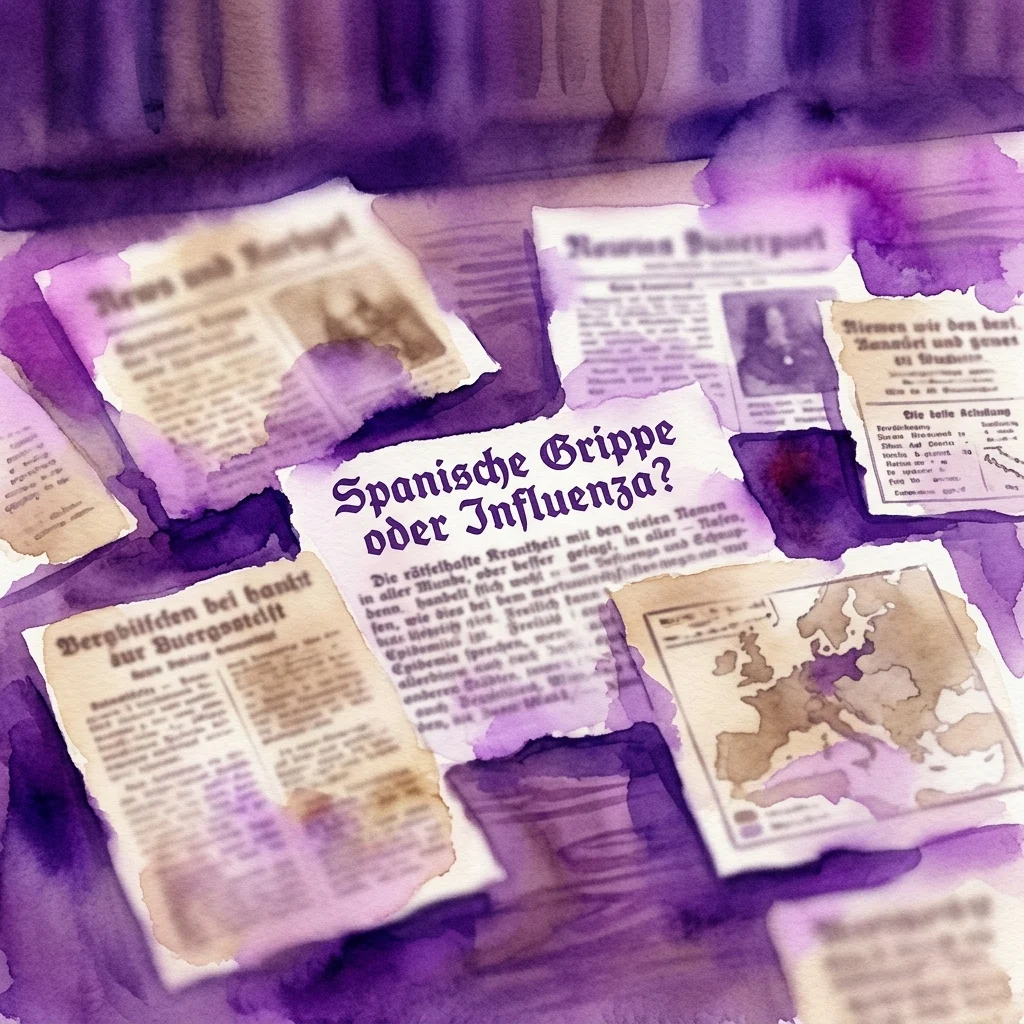
Collage of German newspaper clippings with a purple wash, headlined 'Spanische Grippe oder Influenza?', illustrating historical pandemic reporting.
Permanent exhibition

How the Pandemic Became 'Spanish' Exhibition: Media and History

An analysis of wartime censorship and the 1918 influenza pandemic.

Discover the historical context behind the naming of the 1918 pandemic. This research-based exhibition explains how media outlets masked the virus's true scale while focusing on wartime updates.

Pandemic History Exhibition
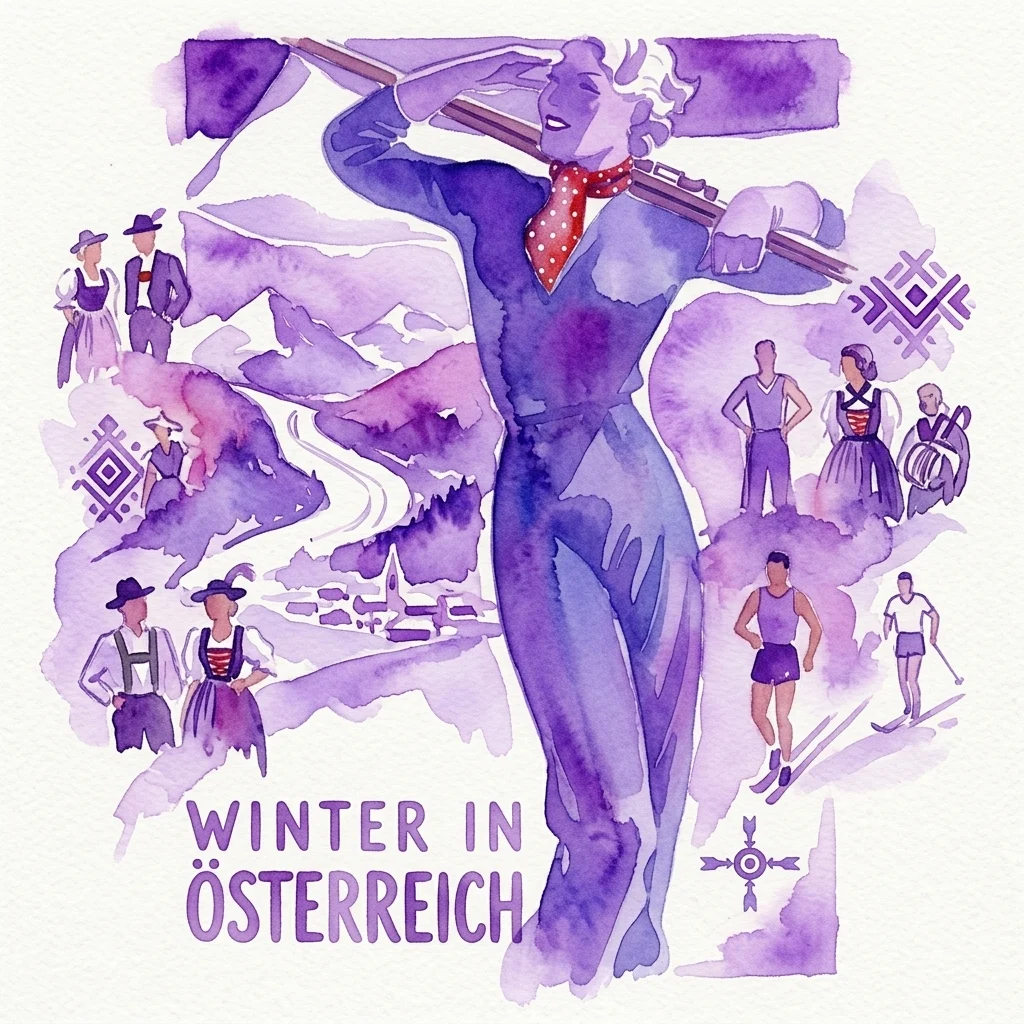
Discover the Historical Exhibition: 1933 and Austrian State Tourism Advertising
Permanent exhibition

Discover the Historical Exhibition: 1933 and Austrian State Tourism Advertising

Explore how Austria's government shaped national tourism promotion.

Examine the transformation of tourism advertising into a state task in Austria starting in 1933. This historical overview details visual campaigns and their foundational impact on creating a major tourist destination.

Exhibition Details
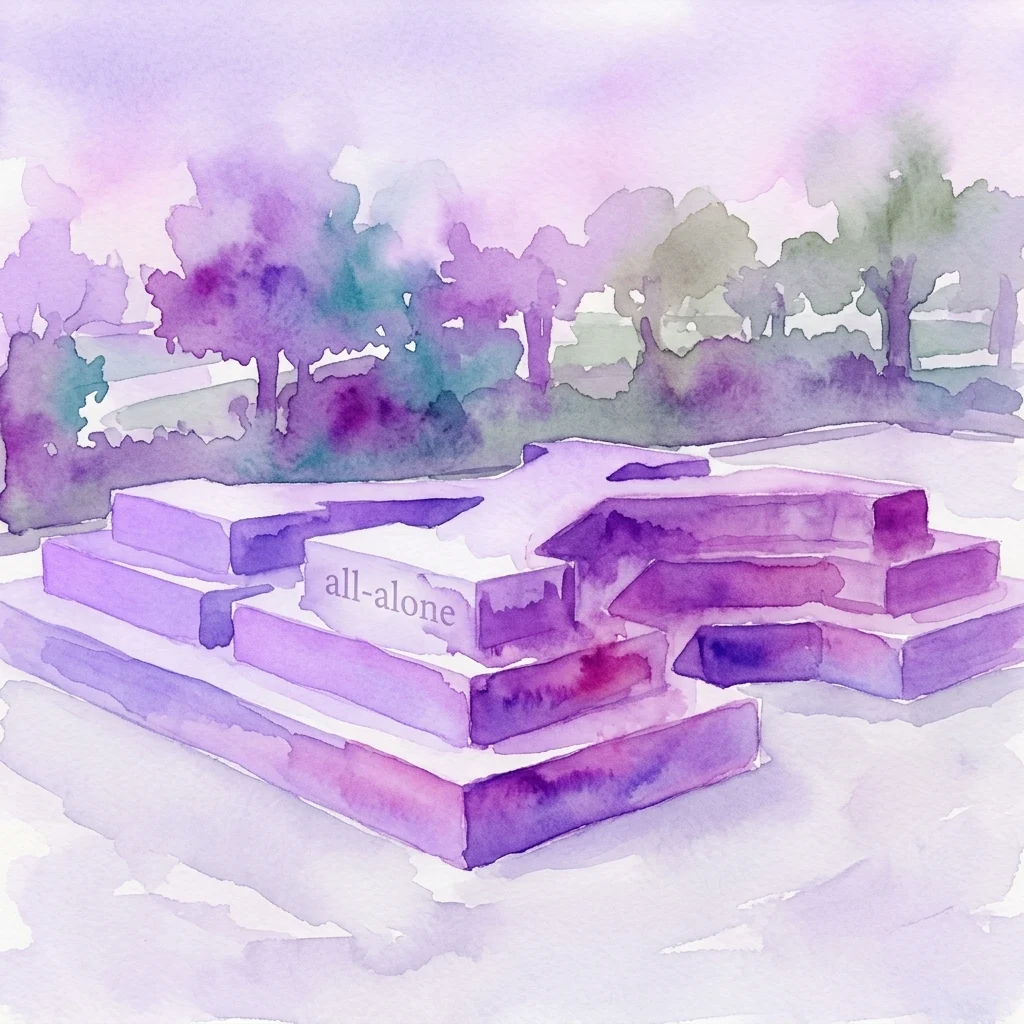
Vienna's Memorial to Nazi Military Justice Victims: A Public Art Tribute
Permanent exhibition

Vienna's Memorial to Nazi Military Justice Victims: A Public Art Tribute

Designed by Olaf Nicolai, honoring WWII victims of military courts.

This significant memorial on Vienna's Ballhausplatz commemorates those persecuted by Nazi military justice during World War II. Discover the artwork by Olaf Nicolai, featuring the poignant 'all – alone' inscription, a powerful reflection on historical accountability.

Memorial Details
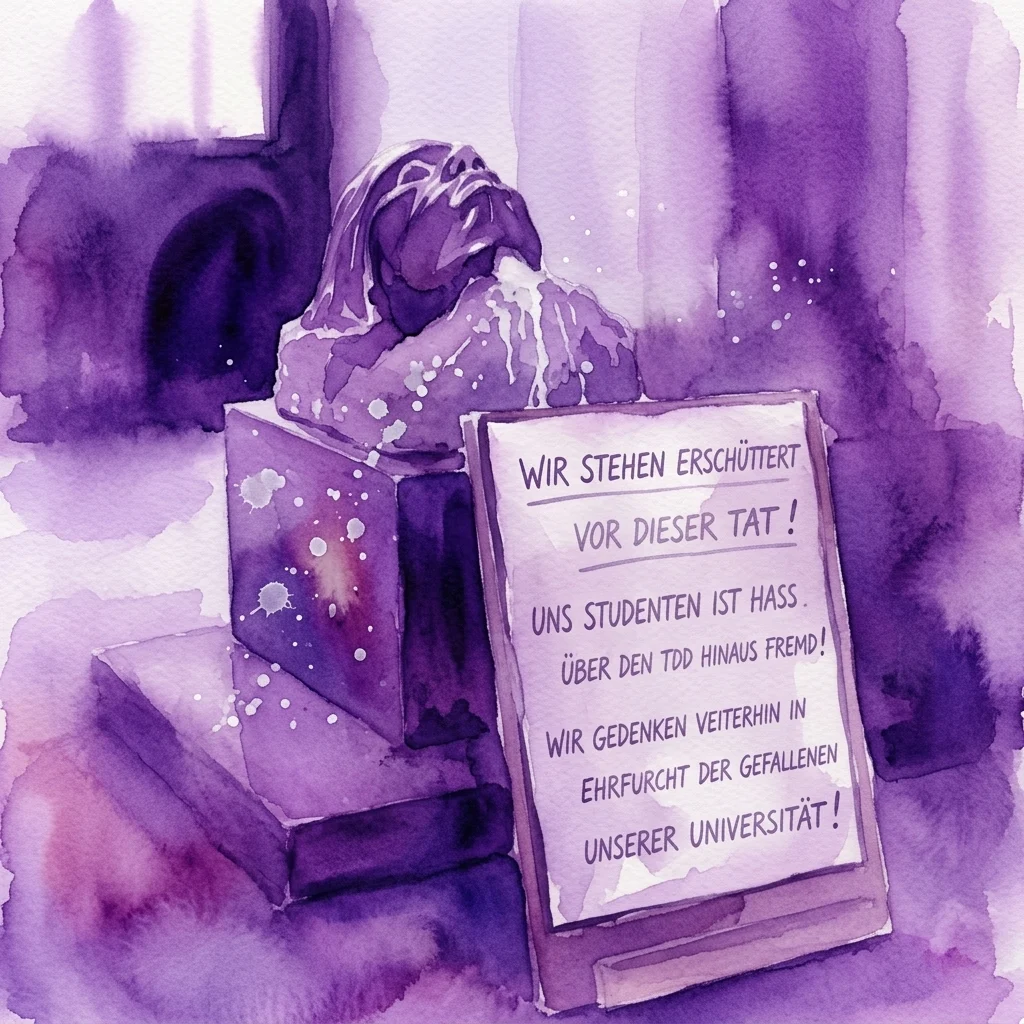
Siegfriedskopf: Exploring a German Nationalist Memorial Site in Vienna
Permanent exhibition

Siegfriedskopf: Exploring a German Nationalist Memorial Site in Vienna

Uncover the monument's controversial history and artistic reinterpretation.

This exhibition traces the 'Siegfriedskopf,' a Vienna monument originally dedicated to WWI fallen, through its co-option by German nationalist groups. Learn about its transformation from 1923 to its reinterpretation as a critical memorial site, inviting reflection on a complex past.

Siegfriedskopf Memorial
Explore the 1939–1945 Shoah Exhibition at the House of Austrian History
Permanent exhibition

Explore the 1939–1945 Shoah Exhibition at the House of Austrian History

A comprehensive historical entry on the systematic genocide of Jewish people.

Delve into the Shoah, known as the Holocaust, and its profound impact during World War II. This permanent exhibition at the House of Austrian History details the organized persecution of Jewish communities and other groups by Germans and Austrians.

View Exhibition Details
The Dollfuß-Schuschnigg Dictatorship: Exploring Authoritarian Rule in Austrian History
Permanent exhibition

The Dollfuß-Schuschnigg Dictatorship: Exploring Authoritarian Rule in Austrian History

Understand the dismantling of democracy and political shifts in 20th century Austria.

Discover this comprehensive exhibition on the Dollfuß-Schuschnigg dictatorship at the House of Austrian History. Explore the 1933-1938 era, detailing the rise of authoritarianism and its profound impact on Austrian history. Understand key political figures and events of this critical period.

Exhibition Details
Vienna

Discover Current Exhibitions in Vienna: Your Essential Exhibition Search Guide

Explore Vienna's dynamic art and cultural displays today.

Find compelling art, history, and science exhibitions happening throughout Vienna. This specialized resource helps you locate unique cultural experiences and plan your visit to inspiring displays. Explore Vienna's rich cultural scene with ease.