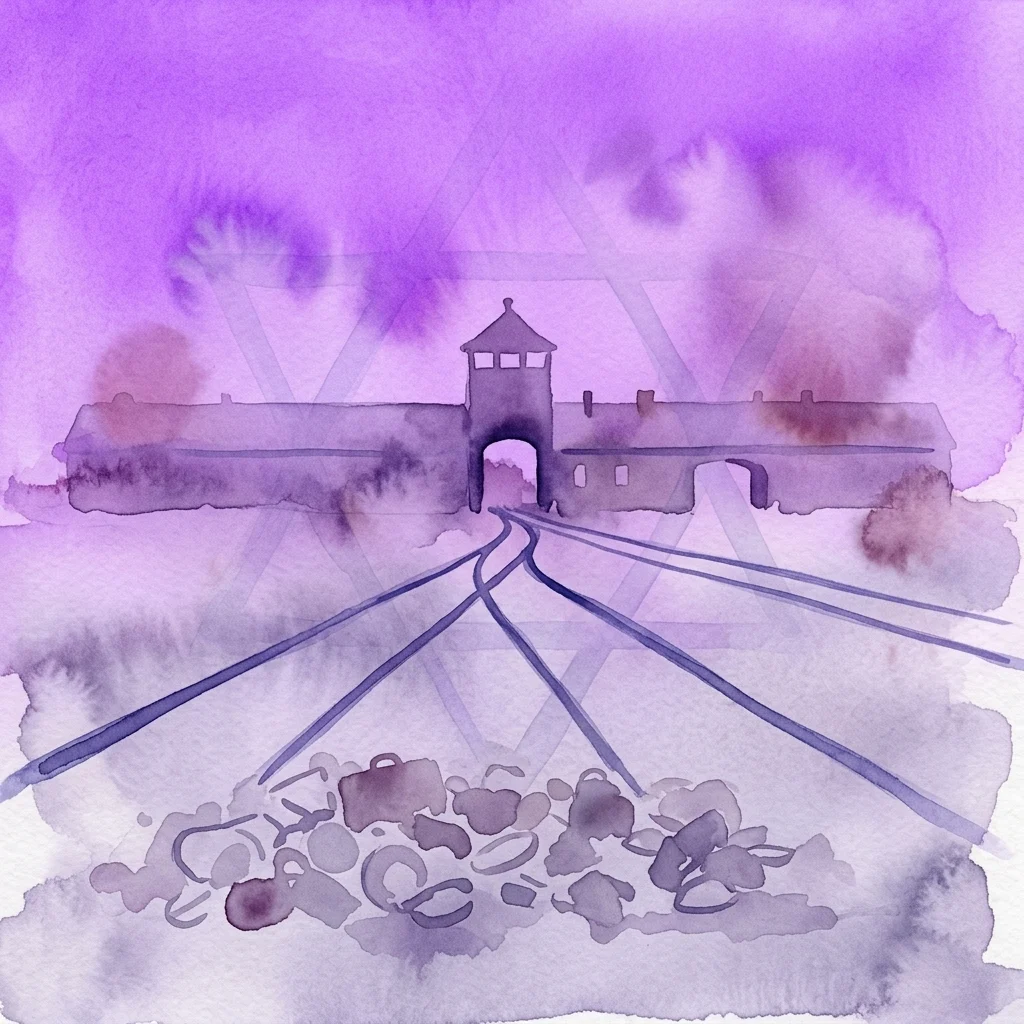
This profile delves into the life of Emil Gelny (1890–1961), a physician who became a key figure in Nazi killing programs at the Gugging and Mauer-Öhling institutions. It details his early life, his involvement with the Nazi party, and his horrific actions of systematically murdering patients through overdose and electroshock methods.
This detailed biographical entry examines the life of Emil Gelny (1890–1961), a physician who rose to prominence within the Nazi party and played a central role in the atrocities committed at the Gugging and Mauer-Öhling institutions. Born in Vienna, Gelny studied medicine and became a practicing doctor, but his allegiance shifted early to the Nazi movement, joining the NSDAP and SA and participating in illegal party activities. Following the Nazi takeover of Austria, his connections facilitated his appointment as the medical director of both Gugging and Mauer-Öhling in 1943. The text outlines how Gelny, a fervent proponent of euthanasia, was personally responsible for the deaths of at least 600 patients through methods like lethal overdoses and electroshock, in addition to the thousands who perished from neglect and starvation under his administration. His horrific plan to kill a further 700-800 "useless eaters" at Mauer-Öhling shortly before the war's end was thwarted, but not before he killed an additional 149 people. After the war, Gelny fled to Iraq, where he practiced medicine and lived without facing justice for his crimes, dying in Baghdad in 1961.
Beyond the immediate actions of Gelny, the entry highlights the broader context of Nazi euthanasia programs in Austria, noting that hundreds of patients from Gugging and Mauer-Öhling had already been murdered in the Hartheim Euthanasia Centre prior to Gelny's directorship. The page also includes relevant links to further research, including other biographical entries on Austrian figures of National Socialism and academic publications on the subject, emphasizing the House of Austrian History's commitment to documenting and understanding this critical period.