Vienna
Completed

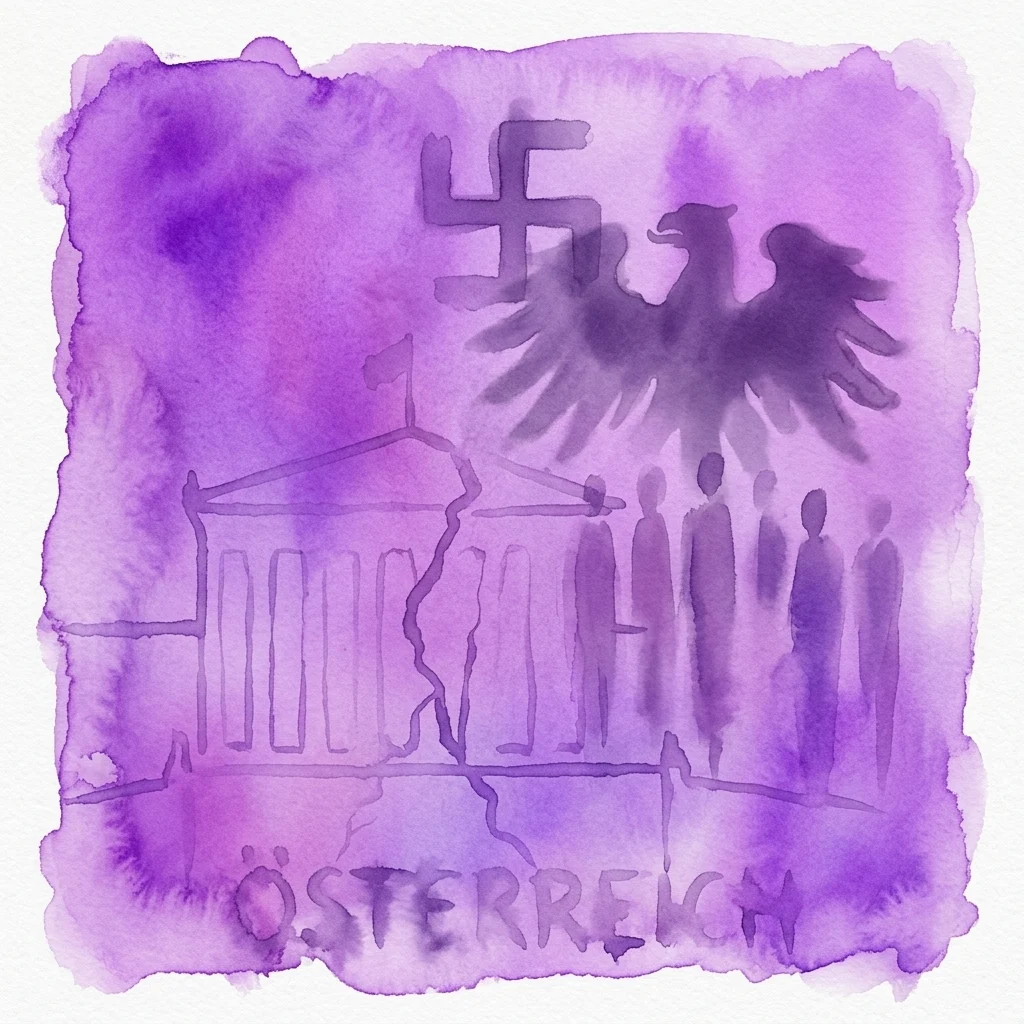
The 1934 February Fights: An Exhibition on the Austrian Civil War at the House of Austrian History

Understand the escalating political tensions and armed resistance that marked the beginning of this pivotal Austrian conflict.

Delve into this comprehensive exhibition, '1934: February Fights,' which details the armed clashes igniting the Austrian Civil War. Discover the complex political landscape, the suppression of democratic institutions, and the resistance from the Republikanischer Schutzbund. This historical account from the House of Austrian History explores the profound impact of these pivotal events on Austrian society and its collective memory.

About 1934: February Fights at House of Austrian History in Vienna

Read curatorial context and practical visitor information for 1934: February Fights at House of Austrian History in Vienna

Exhibition summary

This entry details the 'February Fights' of 1934 in Austria, a period of armed conflict that marked the beginning of the Austrian Civil War. It covers the context of escalating political tensions, the suppression of democratic structures, and the eventual armed resistance by the Republikanischer Schutzbund in key socialist strongholds.

Curatorial context

The page describes the 'Februarkämpfe' (February Fights) of 1934 in Austria, a significant period of armed confrontation that ignited the Austrian Civil War. The text explains how the Austrian Social Democratic Party, despite adhering to constitutional means, passively accepted the dismantling of democratic institutions, including the banning of the Republikanischer Schutzbund in May 1933. This led to disillusionment among many leftists, with some joining illegal communist groups or turning to National Socialism. The government continued to dismantle remaining social democratic structures, prompting searches for weapons in party headquarters. When such a search occurred in Linz on February 12, 1934, the Schutzbund, led by Richard Bernaschek, resisted, initiating the civil war. The conflict, lasting from February 12 to 15, spread to Viennese suburbs and council housing estates, Steyr, Graz, and Upper Styria, with significant casualties and the shelling of workers' homes. Following the brief uprising, which was seen as an early resistance against fascism in Europe, the government declared martial law. Leaders of the uprising, including Nationalrat deputy Koloman Wallisch, were executed. The civil war left deep societal scars and remains a significant event in collective memory. The article is authored by Helmut Konrad and is part of the 'Lexikon zur Zeitgeschichte' (Lexicon of Contemporary History) series on the Haus der Geschichte Österreich website.

1934: February Fights key exhibition facts

Review exhibition status, schedule, venue context, and attribution details for 1934: February Fights at House of Austrian History in Vienna

Venue
House of Austrian History
Current status
Completed
Exhibition schedule
Feb 12, 1934 – Feb 15, 1934
Artist line / attribution
Authored by Helmut Konrad.
More from House of Austrian History
Explore additional exhibitions from the same institution
Review other exhibitions from House of Austrian History in Vienna to compare themes, timelines, and program direction while planning your museum visit.
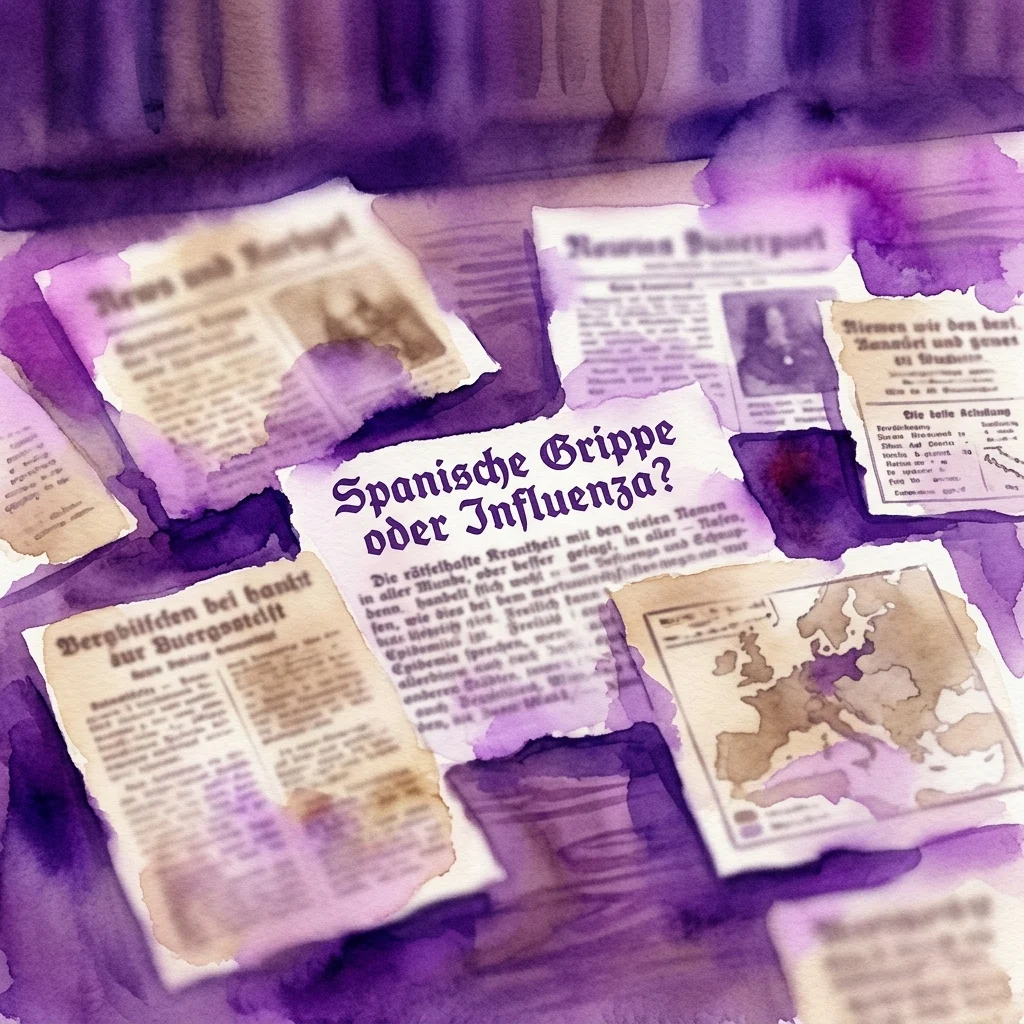
Collage of German newspaper clippings with a purple wash, headlined 'Spanische Grippe oder Influenza?', illustrating historical pandemic reporting.
Permanent exhibition

How the Pandemic Became 'Spanish' Exhibition: Media and History

An analysis of wartime censorship and the 1918 influenza pandemic.

Discover the historical context behind the naming of the 1918 pandemic. This research-based exhibition explains how media outlets masked the virus's true scale while focusing on wartime updates.

Pandemic History Exhibition
Discover the Historical Exhibition: 1933 and Austrian State Tourism Advertising
Permanent exhibition

Discover the Historical Exhibition: 1933 and Austrian State Tourism Advertising

Explore how Austria's government shaped national tourism promotion.

Examine the transformation of tourism advertising into a state task in Austria starting in 1933. This historical overview details visual campaigns and their foundational impact on creating a major tourist destination.

Exhibition Details
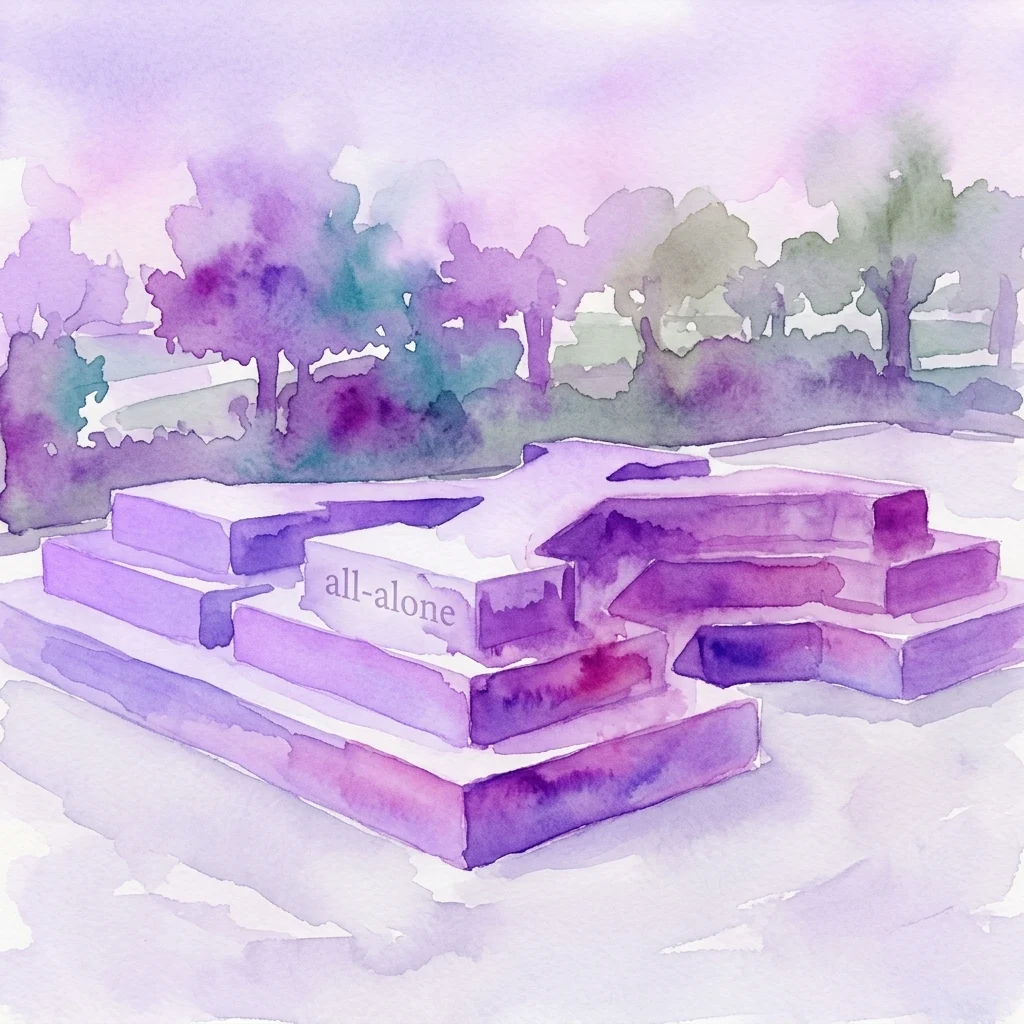
Vienna's Memorial to Nazi Military Justice Victims: A Public Art Tribute
Permanent exhibition

Vienna's Memorial to Nazi Military Justice Victims: A Public Art Tribute

Designed by Olaf Nicolai, honoring WWII victims of military courts.

This significant memorial on Vienna's Ballhausplatz commemorates those persecuted by Nazi military justice during World War II. Discover the artwork by Olaf Nicolai, featuring the poignant 'all – alone' inscription, a powerful reflection on historical accountability.

Memorial Details
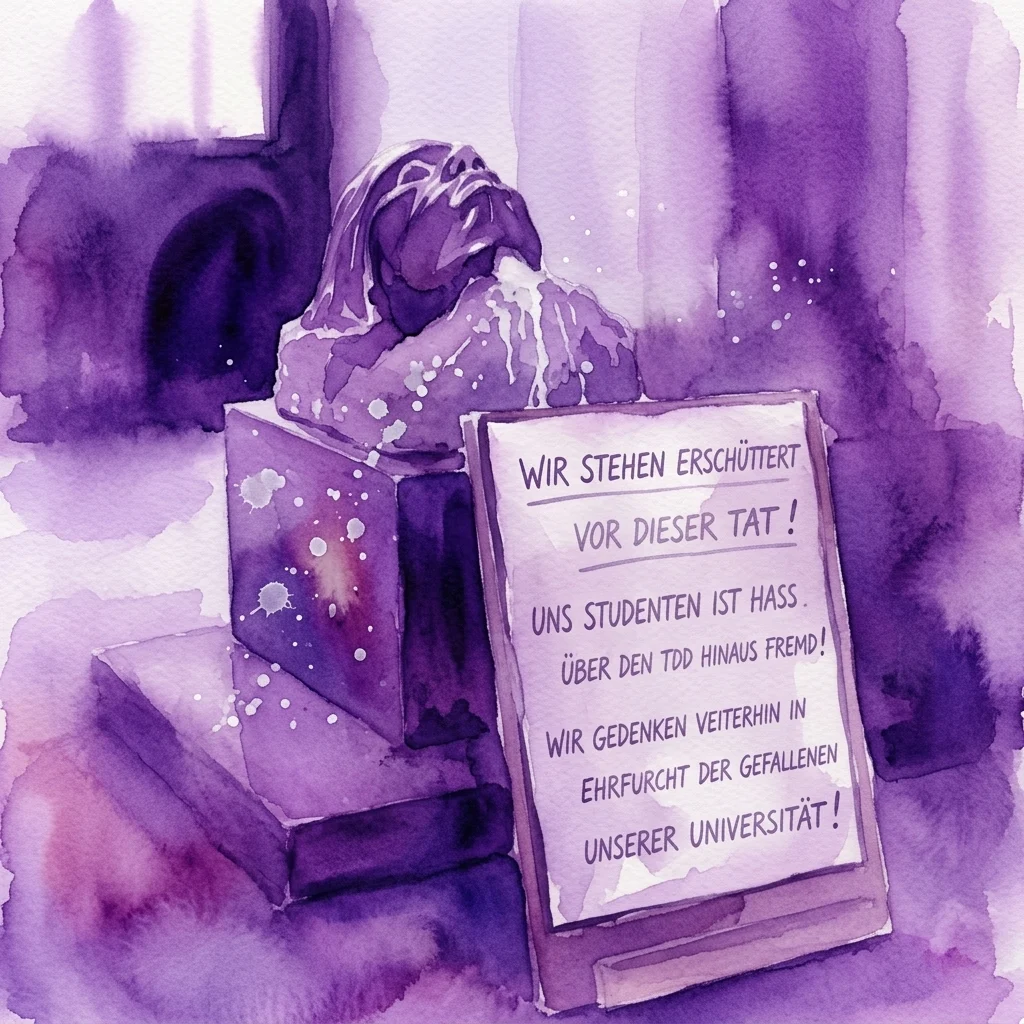
Siegfriedskopf: Exploring a German Nationalist Memorial Site in Vienna
Permanent exhibition

Siegfriedskopf: Exploring a German Nationalist Memorial Site in Vienna

Uncover the monument's controversial history and artistic reinterpretation.

This exhibition traces the 'Siegfriedskopf,' a Vienna monument originally dedicated to WWI fallen, through its co-option by German nationalist groups. Learn about its transformation from 1923 to its reinterpretation as a critical memorial site, inviting reflection on a complex past.

Siegfriedskopf Memorial
Explore the 1939–1945 Shoah Exhibition at the House of Austrian History
Permanent exhibition

Explore the 1939–1945 Shoah Exhibition at the House of Austrian History

A comprehensive historical entry on the systematic genocide of Jewish people.

Delve into the Shoah, known as the Holocaust, and its profound impact during World War II. This permanent exhibition at the House of Austrian History details the organized persecution of Jewish communities and other groups by Germans and Austrians.

View Exhibition Details
The Dollfuß-Schuschnigg Dictatorship: Exploring Authoritarian Rule in Austrian History
Permanent exhibition

The Dollfuß-Schuschnigg Dictatorship: Exploring Authoritarian Rule in Austrian History

Understand the dismantling of democracy and political shifts in 20th century Austria.

Discover this comprehensive exhibition on the Dollfuß-Schuschnigg dictatorship at the House of Austrian History. Explore the 1933-1938 era, detailing the rise of authoritarianism and its profound impact on Austrian history. Understand key political figures and events of this critical period.

Exhibition Details
Vienna

Discover Current Exhibitions in Vienna: Your Essential Exhibition Search Guide

Explore Vienna's dynamic art and cultural displays today.

Find compelling art, history, and science exhibitions happening throughout Vienna. This specialized resource helps you locate unique cultural experiences and plan your visit to inspiring displays. Explore Vienna's rich cultural scene with ease.