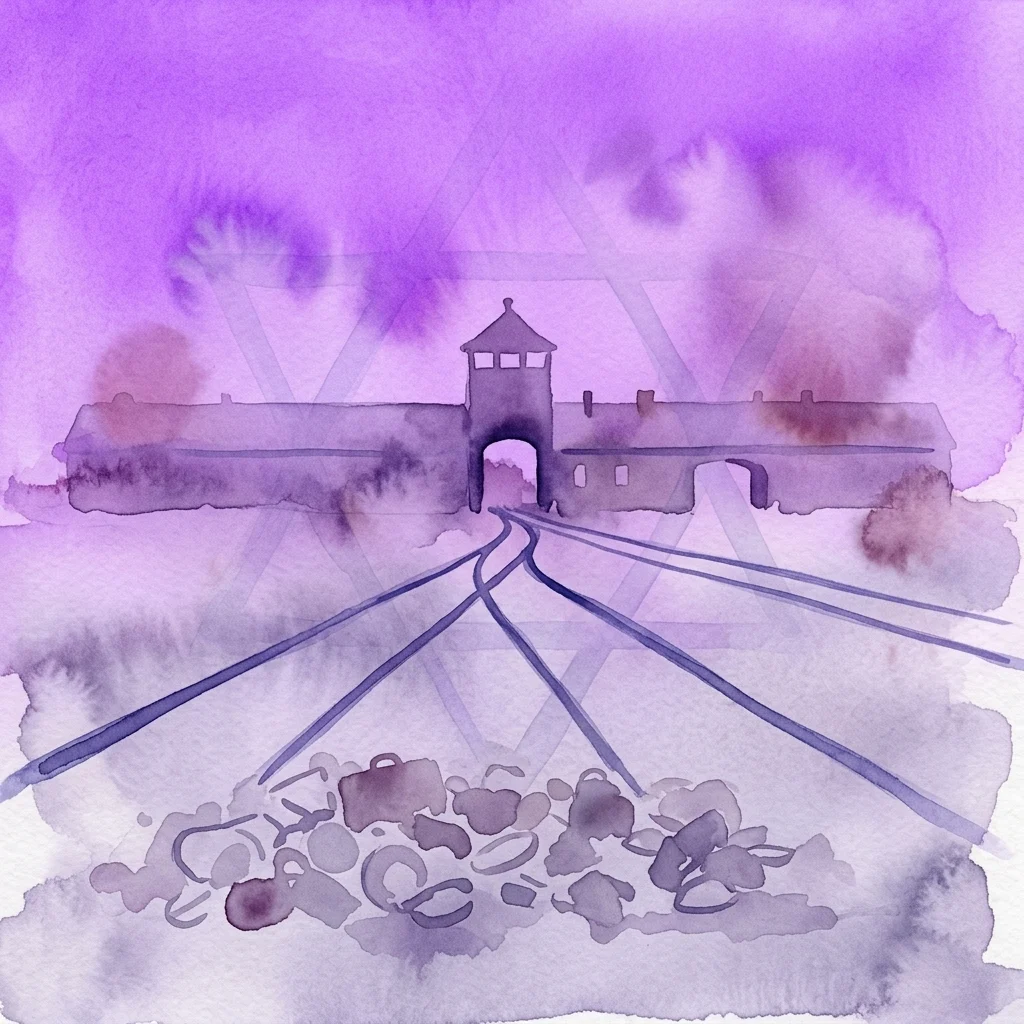
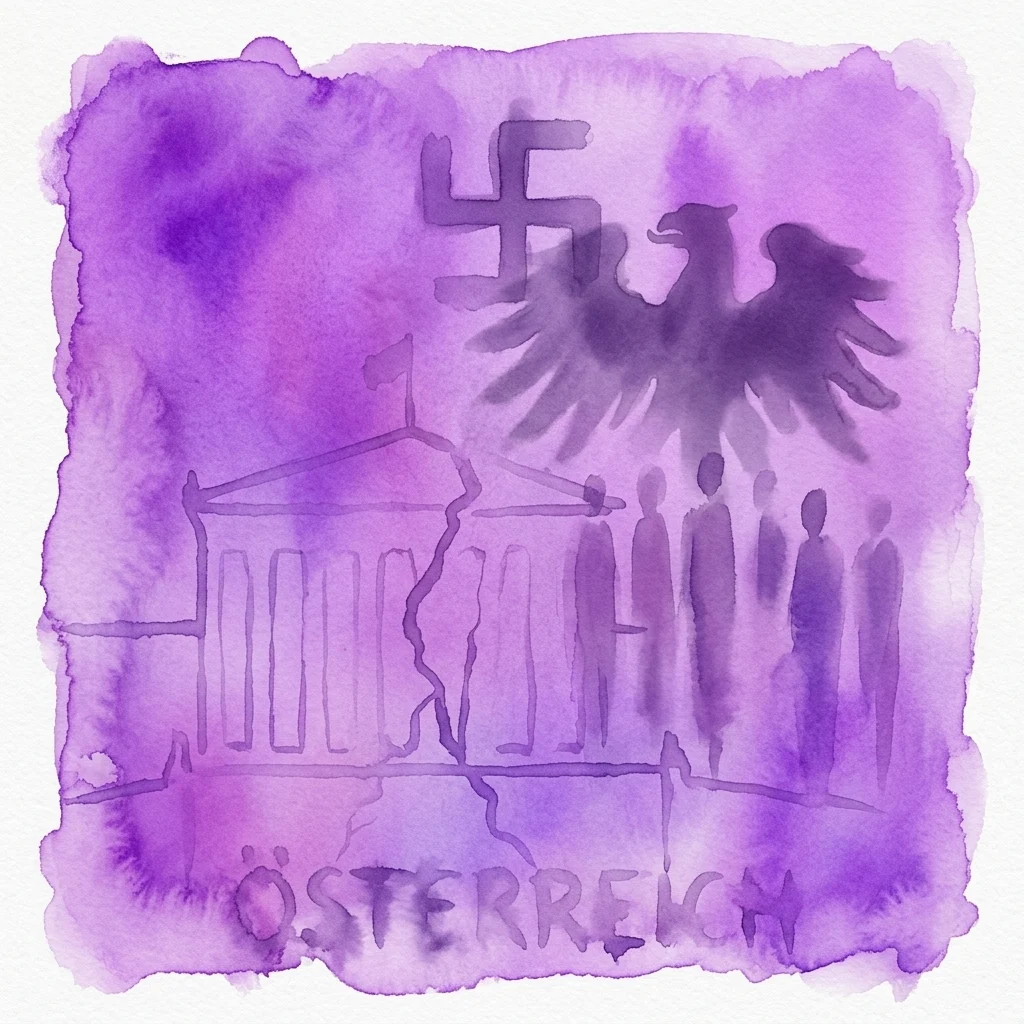
This exhibit examines the concept of 'Inner Emigration' in Austria between 1938 and 1945, focusing on cultural figures and intellectuals who opposed the National Socialist regime while remaining in their home country. It explores the motivations, constraints, and differing degrees of external adaptation among those who stayed.
Between 1938 and 1945, numerous cultural creators were forced to leave Germany and Austria following the Nazi rise to power and the 'Anschluss'. Many were compelled to depart due to racial or political persecution, while others chose to leave as a political statement to continue their artistic lives in freedom. However, some individuals remained in their homeland despite internal opposition to Nazi policies, a phenomenon described as 'Inner Emigration'. This term refers to artists and intellectuals who opposed the NS regime but did not emigrate for various reasons. The degree of their 'external' conformity varied, and for some, the concept may have served as a post-hoc justification. Regardless, their room for maneuver was severely limited, as Nazi cultural policy offered no space for oppositional stances.
The exhibition delves into the complex circumstances surrounding these individuals, highlighting that while outward actions might have appeared compliant, their internal stance represented a form of quiet opposition. It acknowledges the tight constraints imposed by the cultural landscape under National Socialism, where overt dissent was impossible, and the term 'Inner Emigration' itself might have been used retrospectively. The content provided on the page serves as a detailed entry within the 'Lexikon zur Zeitgeschichte' (Lexicon of Contemporary History), offering a scholarly exploration of this specific historical period and its cultural implications.