Exploring Vienna's Dollfuss-Schuschnigg Dictatorship: Museum Plans and Historical Narratives
Uncover how the Neue Burg in Vienna became central to intertwining anti-democratic ideology with nationalist historical visions.
Delve into the complex history of museum development within Vienna's iconic Hofburg under the Dollfuss-Schuschnigg dictatorship. This historical overview details how anti-democratic regimes sought to embed nationalist narratives within cultural institutions. It highlights the significant institutional rivalries and extensive propaganda initiatives that shaped the era's understanding of Austrian history.
About Museum Plans of the Dollfuss-Schuschnigg Dictatorship at House of Austrian History in Vienna
Read curatorial context and practical visitor information for Museum Plans of the Dollfuss-Schuschnigg Dictatorship at House of Austrian History in Vienna
Exhibition summary
This content explores the ambitious plans for the Neue Burg during the Dollfuss-Schuschnigg dictatorship, detailing how the Viennese Hofburg was utilized to intertwine anti-democratic ideology with nationalist historical narratives. It outlines the institutional rivalries and propaganda efforts aimed at relocating the Heeresmuseum and establishing a strong historical justification for the regime's policies.
Curatorial context
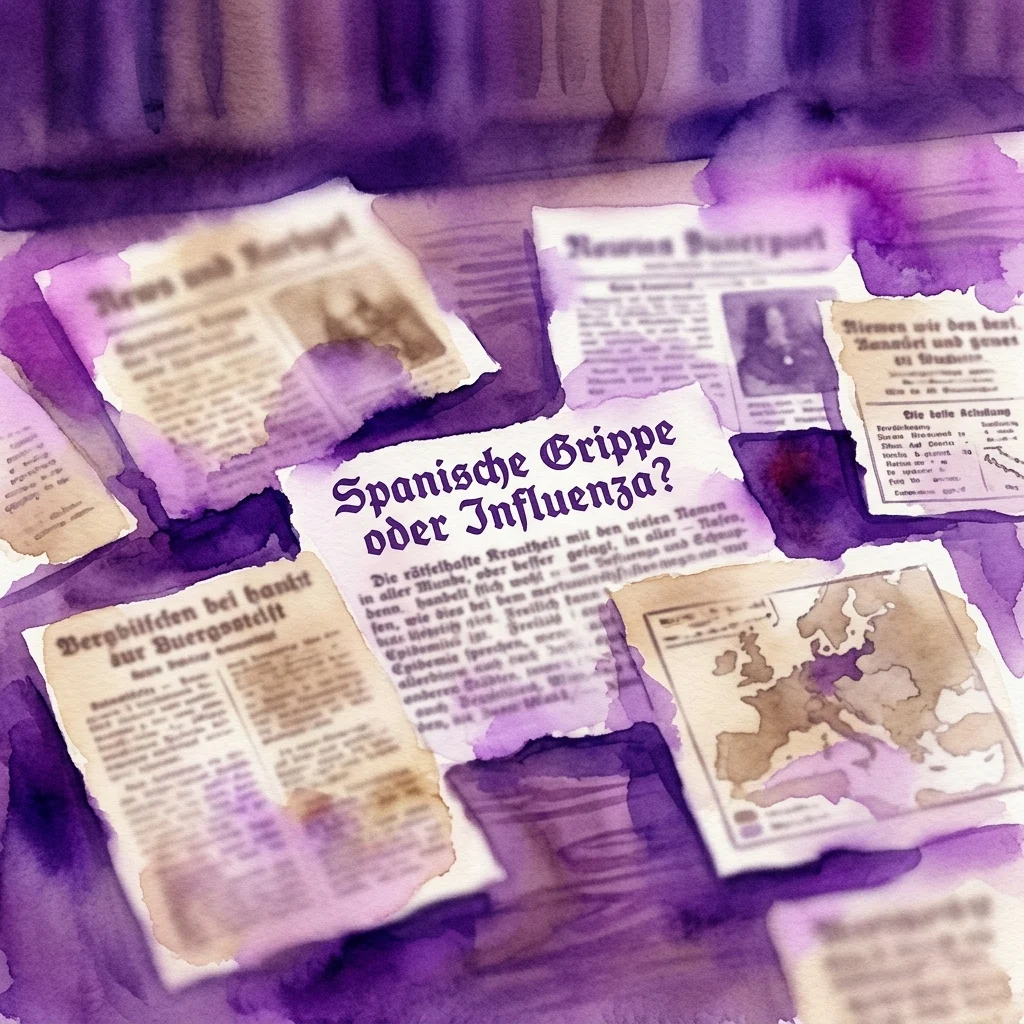
During the Dollfuss-Schuschnigg dictatorship, the Vienna Hofburg became a focal point for the intertwining of anti-democratic ideology and nationalist historical narratives. The page details how the Heeresgeschichtliches Museum sought to claim space within the Neue Burg, a move that had been unsuccessful during the democratic period but gained traction under the dictatorship. This initiative was fueled by media campaigns emphasizing the strategic location and educational value of the Hofburg for "patriotic-historical education," contrasting it with the Arsenal's perceived remoteness.
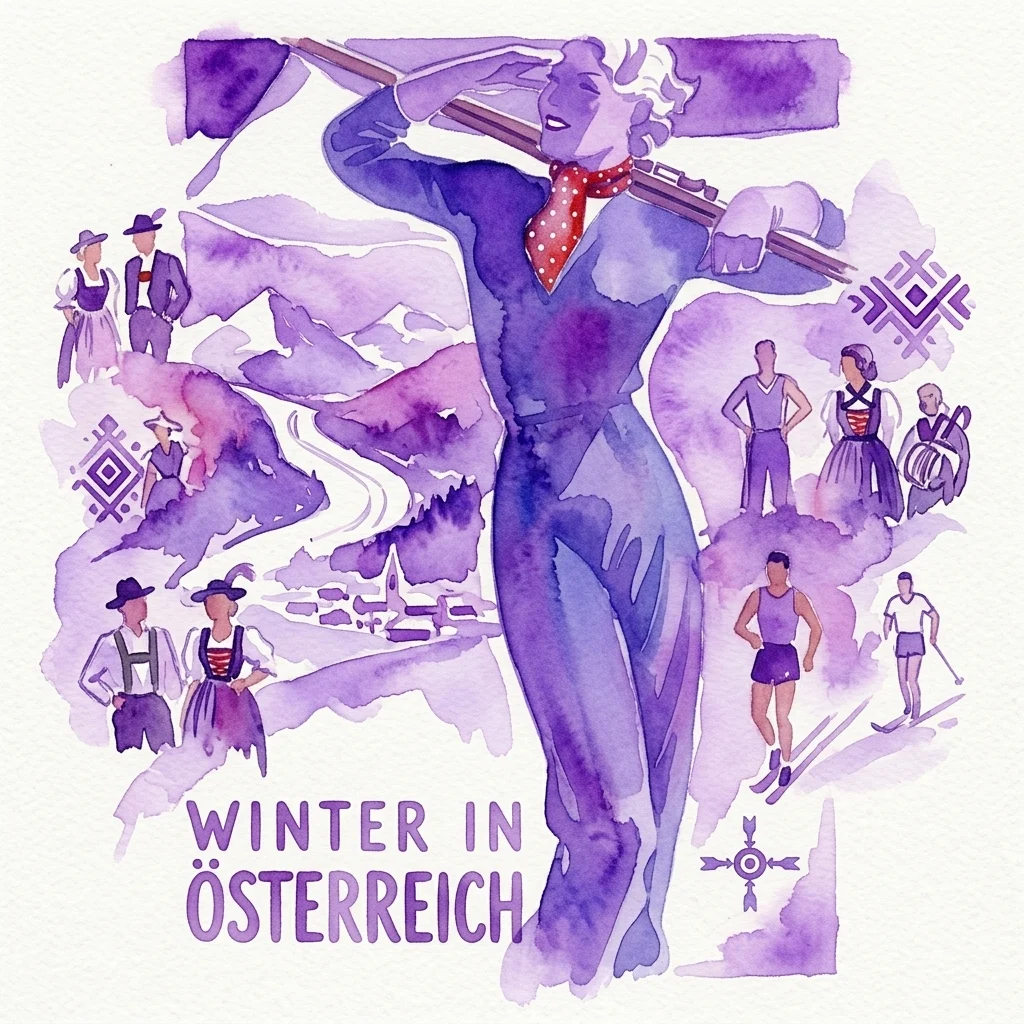
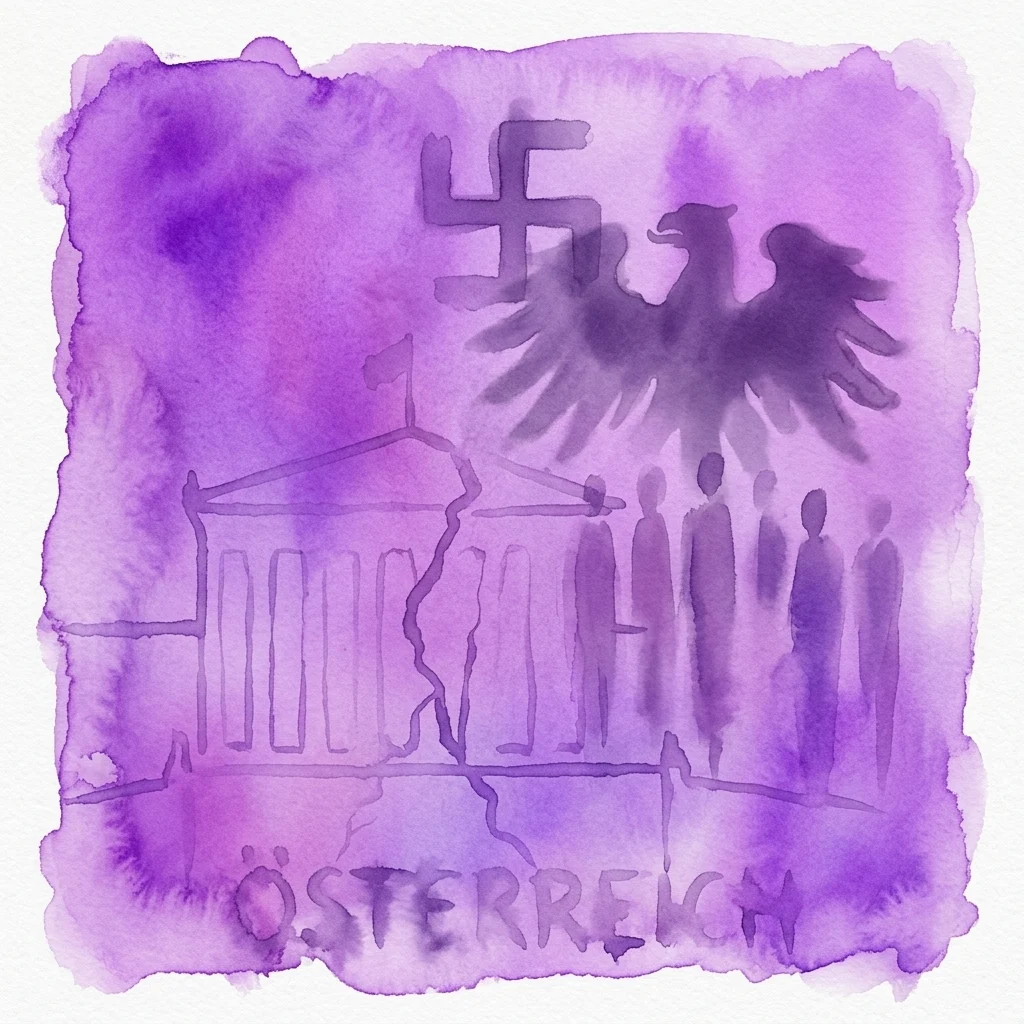
The dictatorship leveraged a connection to Habsburg history to legitimize its agenda, portraying the past as a mandate and democracy as a deviation. The former imperial residence played a pivotal role in constructing myths around "Old Austria." In 1936, rooms in the first floor of the Neue Burg were allocated to the Heeresmuseum, with plans for exhibitions on World War I and military history. This period was marked by institutional competition, as the Kunsthistorisches Museum had already relocated its arms collection to the Corps de logis by 1934. The presentation of arms in the Kunsthistorisches Museum symbolized knightly masculinity, an ideal that underpinned the dictatorship's backward-looking societal vision and justified the erosion of democracy. Ultimately, following the "Anschluss" in March 1938, Adolf Hitler decreed that the first floor of the Neue Burg would be returned to the Kunsthistorisches Museum, halting the Heeresmuseum's World War I exhibition plans.
Admission and ticket notes
This page provides historical context and does not contain specific ticketing information for an exhibition. Visitors are directed to a general shopping cart for tickets, but no details related to this historical content are provided.
Museum Plans of the Dollfuss-Schuschnigg Dictatorship key exhibition facts
Review exhibition status, schedule, venue context, and attribution details for Museum Plans of the Dollfuss-Schuschnigg Dictatorship at House of Austrian History in Vienna
Venue
House of Austrian History
Current status
Open now
Exhibition schedule
Information not currently available
Artist line / attribution
Information not currently available
Vienna
Discover Current Exhibitions in Vienna: Your Essential Exhibition Search Guide
Explore Vienna's dynamic art and cultural displays today.
Find compelling art, history, and science exhibitions happening throughout Vienna. This specialized resource helps you locate unique cultural experiences and plan your visit to inspiring displays. Explore Vienna's rich cultural scene with ease.