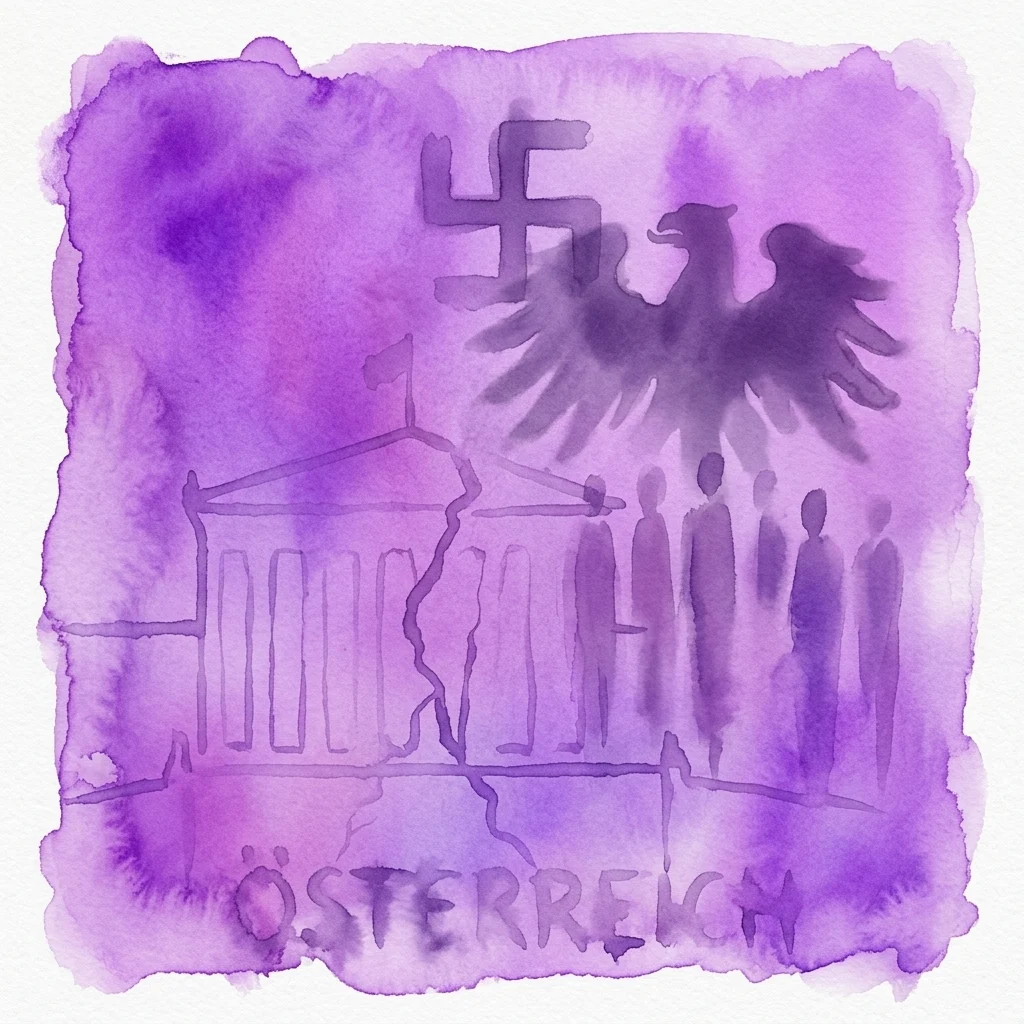
Professor Bernhardi in Vienna: An Exhibition Exploring Censorship, Antisemitism, and the 1918 Premiere
Delve into the dramatic social issues and literary history surrounding Arthur Schnitzler's controversial play.
This exhibition entry offers a detailed look at the historical context of Arthur Schnitzler's "Professor Bernhardi." It examines the intense censorship efforts and the public debate surrounding its 1918 Viennese premiere, particularly its themes of antisemitism and abortion. Discover the enduring legacy of this pivotal work in 20th-century Austrian history and theatre.
About Professor Bernhardi: Censorship, Antisemitism and Abortion Debate in the Premiere at House of Austrian History in Vienna
Read curatorial context and practical visitor information for Professor Bernhardi: Censorship, Antisemitism and Abortion Debate in the Premiere at House of Austrian History in Vienna
Exhibition summary
This exhibition entry details the historical context and censorship surrounding the 1918 Viennese premiere of Arthur Schnitzler's play 'Professor Bernhardi'. It explores the play's controversial themes of antisemitism and abortion, which led to its initial ban by Viennese authorities.
Curatorial context
The entry examines the 1918 Viennese premiere of Arthur Schnitzler's dramatic work, "Professor Bernhardi." Originally submitted to the censorship authorities in Vienna in the autumn of 1912, the play was subsequently banned due to fears of public unrest. Its world premiere consequently took place in Berlin at the "Kleines Theater" late in 1912. "Professor Bernhardi" was finally staged in Vienna after the end of the First World War, in December 1918, marking it as one of the earliest pieces performed in the newly established Republic.
The play's ban stemmed from its open engagement with sensitive topics such as antisemitism and abortion. In the narrative, the character Professor Bernhardi, a Jew, denies a Catholic priest access to a dying patient who had undergone an abortion. This refusal of last rites escalates into a conflict between Bernhardi and a Catholic doctor, who are also rivals for the directorship of the clinic. The "Wiener Allgemeine Zeitung" summarized the situation on December 23, 1918, highlighting the controversy as 'Professor Bernhardi, a Jew, denies a Catholic priest access to the deathbed.'
Admission and ticket notes
The page is primarily informational and part of a historical lexicon. While it mentions 'Tickets auswählen' (Select Tickets) and 'Eintritt Erwachsene' (Adult Entry) in the context of general museum shopping cart functionality, it does not provide specific ticketing or admission details for this particular historical entry or exhibition topic. Visitors are directed to a general shopping cart for potential ticket purchases.
Professor Bernhardi: Censorship, Antisemitism and Abortion Debate in the Premiere key exhibition facts
Review exhibition status, schedule, venue context, and attribution details for Professor Bernhardi: Censorship, Antisemitism and Abortion Debate in the Premiere at House of Austrian History in Vienna
Venue
House of Austrian History
Current status
Open now
Exhibition schedule
Information not currently available
Artist line / attribution
Arthur Schnitzler (Author)
Vienna
Discover Current Exhibitions in Vienna: Your Essential Exhibition Search Guide
Explore Vienna's dynamic art and cultural displays today.
Find compelling art, history, and science exhibitions happening throughout Vienna. This specialized resource helps you locate unique cultural experiences and plan your visit to inspiring displays. Explore Vienna's rich cultural scene with ease.