Vienna
Open now

1974–1978: Protests and Referendum Against the Zwentendorf Nuclear Power Plant Exhibition

Discover how public mobilization influenced Austria's energy policy and environmental movement, marking a historic turning point.

This entry chronicles the crucial 1978 referendum and the significant public protests against the Zwentendorf nuclear power plant in Austria. It details the intense political debates, widespread public opposition, and the narrow vote that ultimately prevented its operation. This event profoundly shaped Austria's energy policy and galvanized its environmental movement.

About 1974–1978: Protests and Referendum Against the Zwentendorf Nuclear Power Plant at House of Austrian History in Vienna

Read curatorial context and practical visitor information for 1974–1978: Protests and Referendum Against the Zwentendorf Nuclear Power Plant at House of Austrian History in Vienna

Exhibition summary

This entry details the significant protests and the pivotal 1978 referendum in Austria concerning the Zwentendorf nuclear power plant. It chronicles the political debates, public opposition, and the close vote that ultimately decided against its operation, marking a turning point in Austria's energy policy and environmental movement.

Curatorial context

From 1974 to 1978, Austria experienced significant public mobilization and political contention surrounding the construction and planned commissioning of the Zwentendorf nuclear power plant. Initially, nuclear power plant construction had been planned and underway since 1969. However, as the first facility in Zwentendorf neared completion, protests intensified, spearheaded by left-wing groups and the 'ARGE Nein zu Zwentendorf' coalition. The debate escalated, drawing in then-Chancellor Bruno Kreisky, who initially strongly advocated for the plant. His attempt to pass legislation for its commissioning in parliament failed, leading him to agree to a referendum. The ÖVP, under Josef Taus, shifted its stance overnight to oppose the plant. The referendum, held on November 5, 1978, with a 64% turnout, resulted in a narrow decision against the nuclear power plant, with 50.47% voting no and 49.33% voting yes, a margin of approximately 30,000 votes. While Kreisky initially accepted the outcome, subsequent discussions about the plant's potential commissioning persisted until the Chernobyl disaster in 1986 definitively ended all such plans. The Zwentendorf event is viewed as a culmination of the post-World War II economic expansion phase, where environmental concerns and public opinion were often secondary. Alongside protests against the Hainburg dam construction in 1984, the Zwentendorf debate contributed significantly to the formation of the Green Party in Austria, which first entered parliament in 1986. The page also includes related historical context and links to other relevant entries within the 'Lexikon zur Zeitgeschichte'.

1974–1978: Protests and Referendum Against the Zwentendorf Nuclear Power Plant key exhibition facts

Review exhibition status, schedule, venue context, and attribution details for 1974–1978: Protests and Referendum Against the Zwentendorf Nuclear Power Plant at House of Austrian History in Vienna

Venue
House of Austrian History
Current status
Open now
Exhibition schedule
Information not currently available
Artist line / attribution
Authored by Oliver Rathkolb.
More from House of Austrian History
Explore additional exhibitions from the same institution
Review other exhibitions from House of Austrian History in Vienna to compare themes, timelines, and program direction while planning your museum visit.
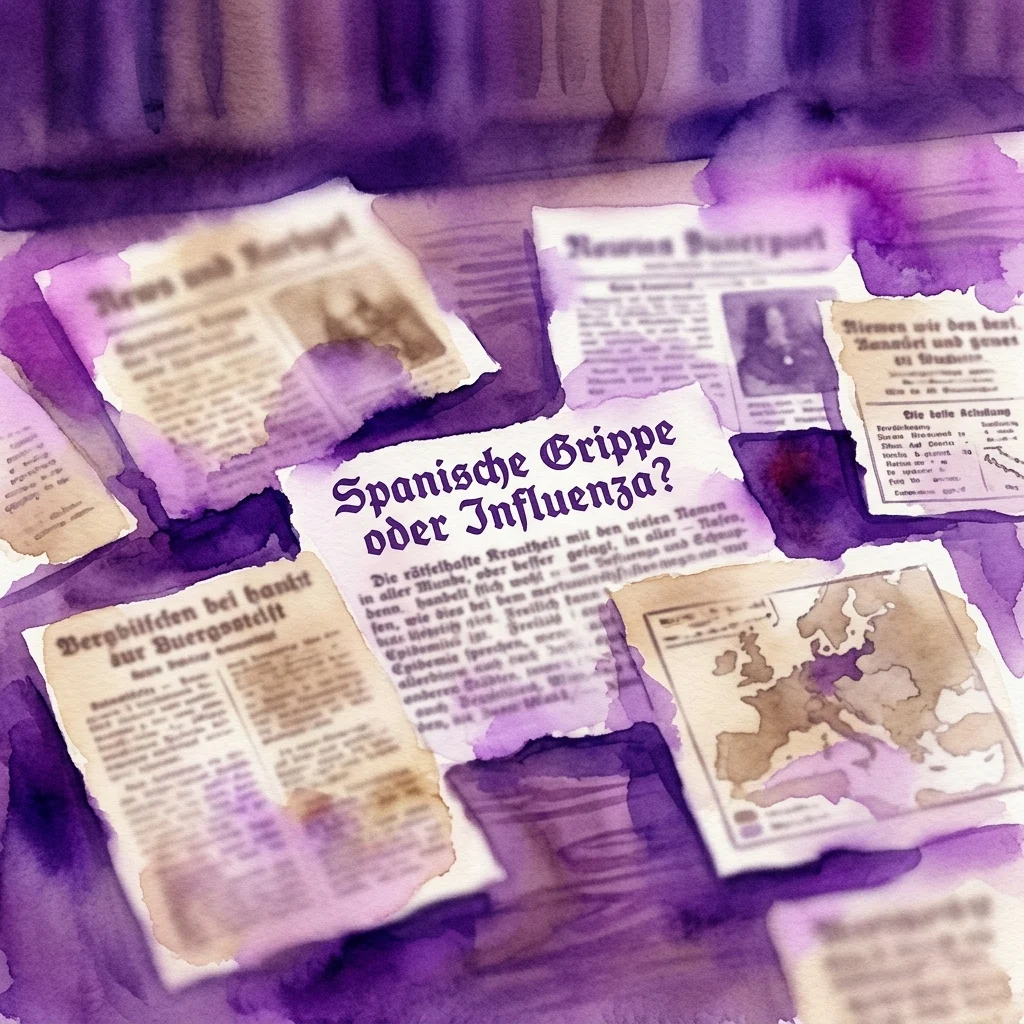
Collage of German newspaper clippings with a purple wash, headlined 'Spanische Grippe oder Influenza?', illustrating historical pandemic reporting.
Permanent exhibition

How the Pandemic Became 'Spanish' Exhibition: Media and History

An analysis of wartime censorship and the 1918 influenza pandemic.

Discover the historical context behind the naming of the 1918 pandemic. This research-based exhibition explains how media outlets masked the virus's true scale while focusing on wartime updates.

Pandemic History Exhibition
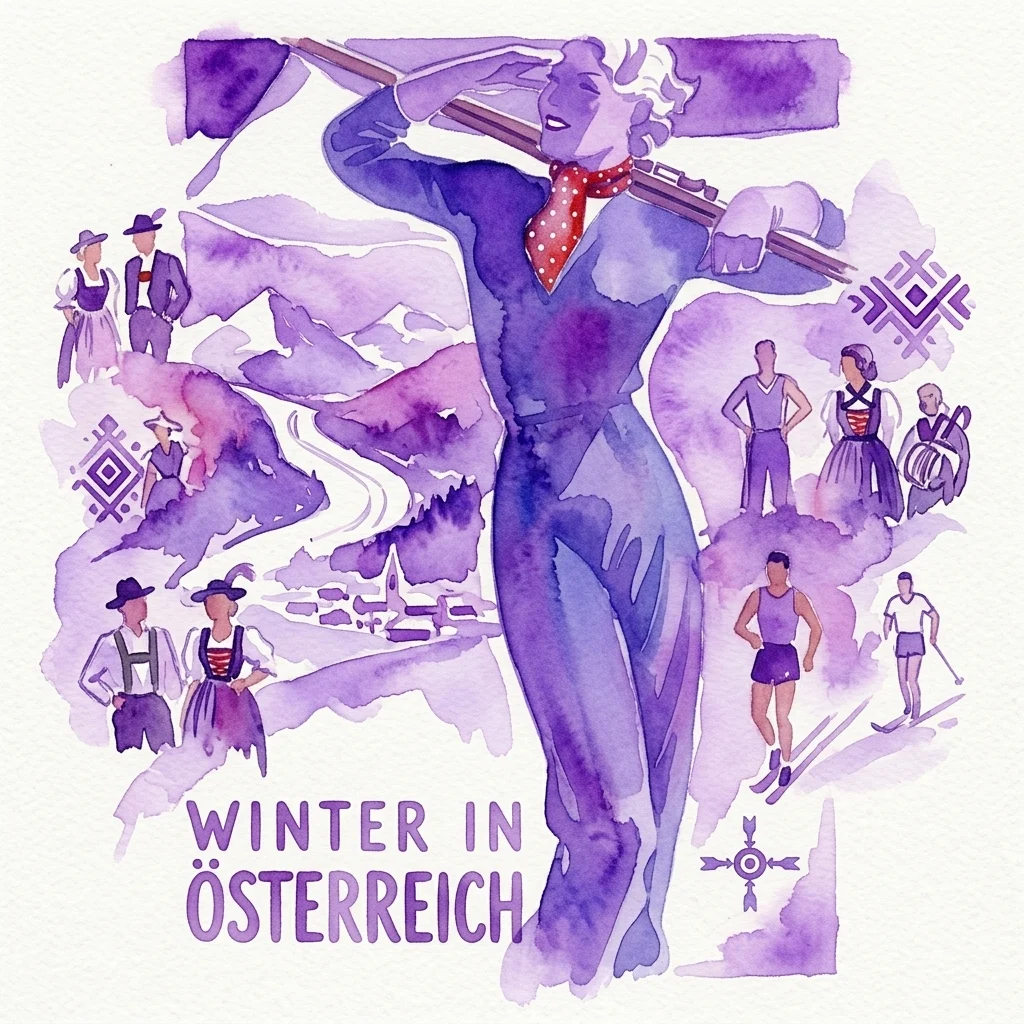
Discover the Historical Exhibition: 1933 and Austrian State Tourism Advertising
Permanent exhibition

Discover the Historical Exhibition: 1933 and Austrian State Tourism Advertising

Explore how Austria's government shaped national tourism promotion.

Examine the transformation of tourism advertising into a state task in Austria starting in 1933. This historical overview details visual campaigns and their foundational impact on creating a major tourist destination.

Exhibition Details
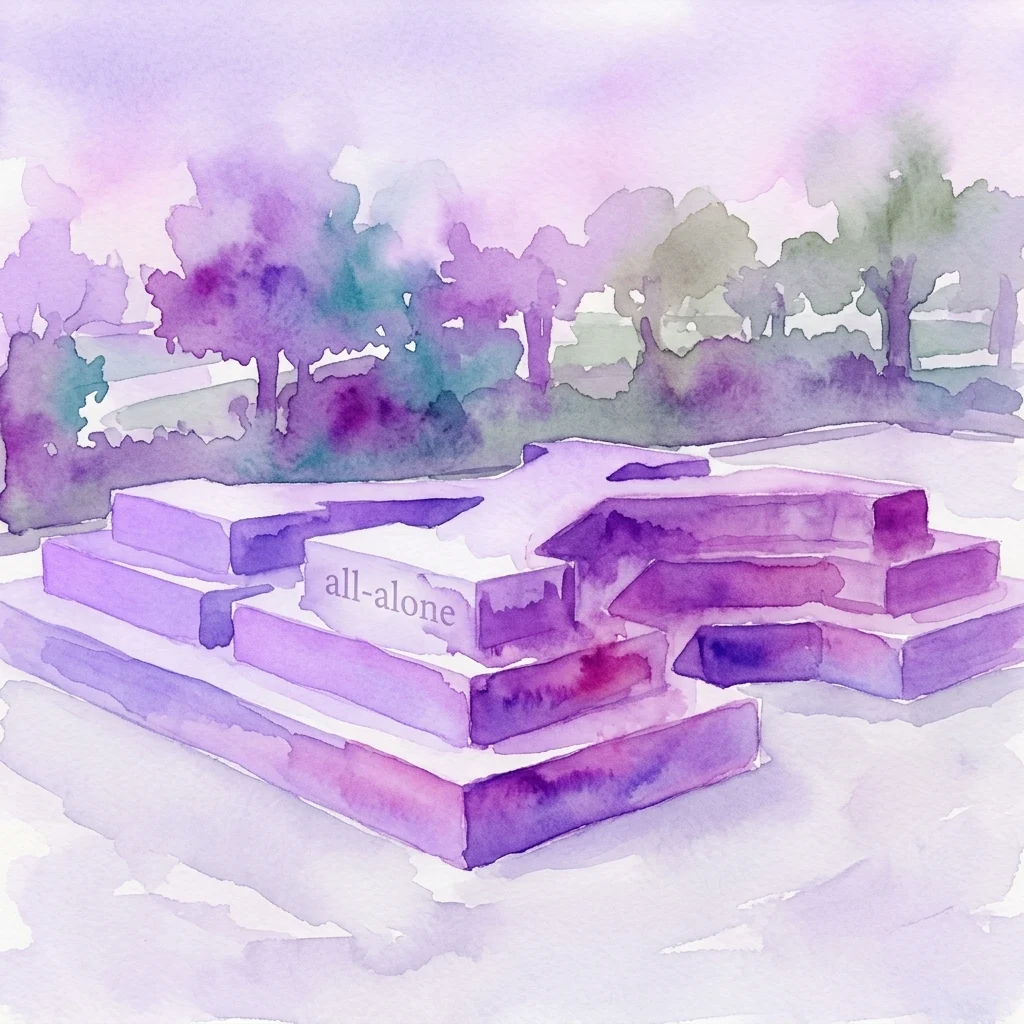
Vienna's Memorial to Nazi Military Justice Victims: A Public Art Tribute
Permanent exhibition

Vienna's Memorial to Nazi Military Justice Victims: A Public Art Tribute

Designed by Olaf Nicolai, honoring WWII victims of military courts.

This significant memorial on Vienna's Ballhausplatz commemorates those persecuted by Nazi military justice during World War II. Discover the artwork by Olaf Nicolai, featuring the poignant 'all – alone' inscription, a powerful reflection on historical accountability.

Memorial Details
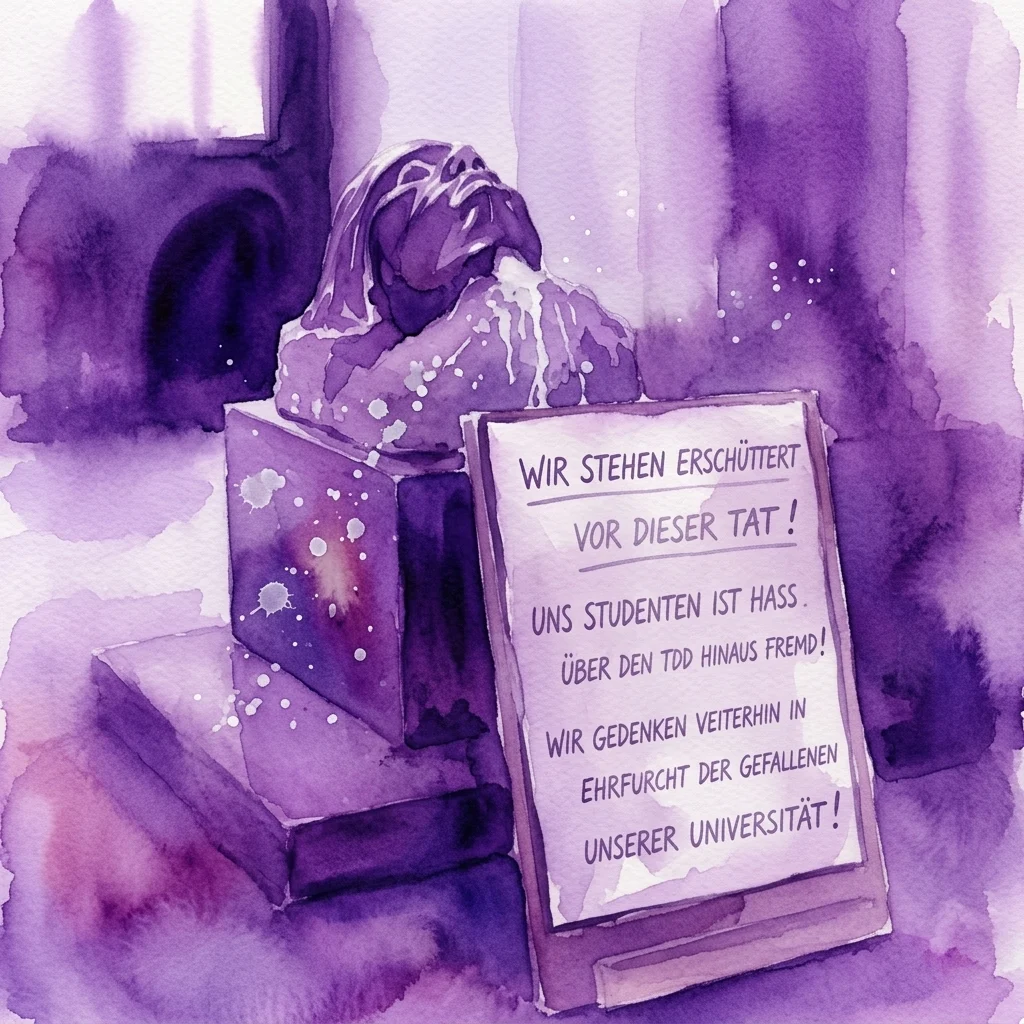
Siegfriedskopf: Exploring a German Nationalist Memorial Site in Vienna
Permanent exhibition

Siegfriedskopf: Exploring a German Nationalist Memorial Site in Vienna

Uncover the monument's controversial history and artistic reinterpretation.

This exhibition traces the 'Siegfriedskopf,' a Vienna monument originally dedicated to WWI fallen, through its co-option by German nationalist groups. Learn about its transformation from 1923 to its reinterpretation as a critical memorial site, inviting reflection on a complex past.

Siegfriedskopf Memorial
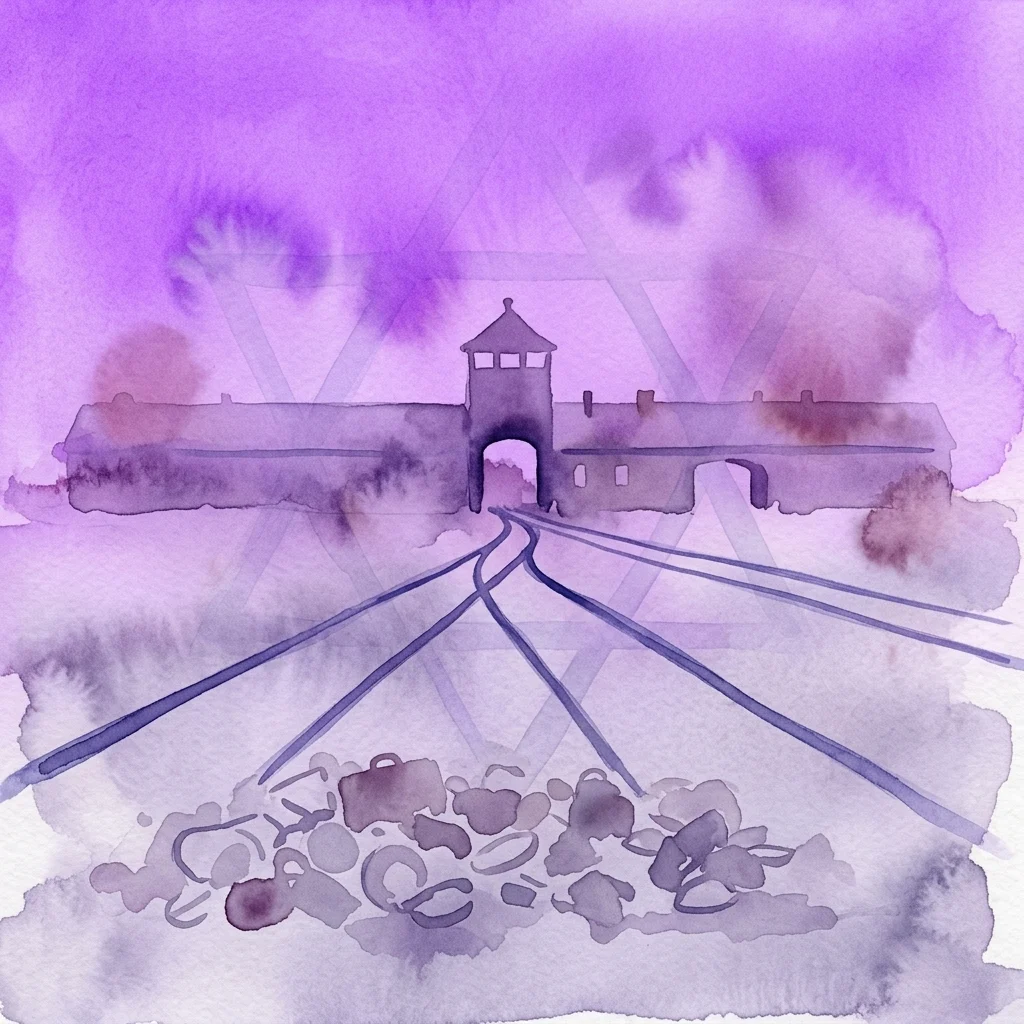
Explore the 1939–1945 Shoah Exhibition at the House of Austrian History
Permanent exhibition

Explore the 1939–1945 Shoah Exhibition at the House of Austrian History

A comprehensive historical entry on the systematic genocide of Jewish people.

Delve into the Shoah, known as the Holocaust, and its profound impact during World War II. This permanent exhibition at the House of Austrian History details the organized persecution of Jewish communities and other groups by Germans and Austrians.

View Exhibition Details
The Dollfuß-Schuschnigg Dictatorship: Exploring Authoritarian Rule in Austrian History
Permanent exhibition

The Dollfuß-Schuschnigg Dictatorship: Exploring Authoritarian Rule in Austrian History

Understand the dismantling of democracy and political shifts in 20th century Austria.

Discover this comprehensive exhibition on the Dollfuß-Schuschnigg dictatorship at the House of Austrian History. Explore the 1933-1938 era, detailing the rise of authoritarianism and its profound impact on Austrian history. Understand key political figures and events of this critical period.

Exhibition Details
Vienna

Discover Current Exhibitions in Vienna: Your Essential Exhibition Search Guide

Explore Vienna's dynamic art and cultural displays today.

Find compelling art, history, and science exhibitions happening throughout Vienna. This specialized resource helps you locate unique cultural experiences and plan your visit to inspiring displays. Explore Vienna's rich cultural scene with ease.