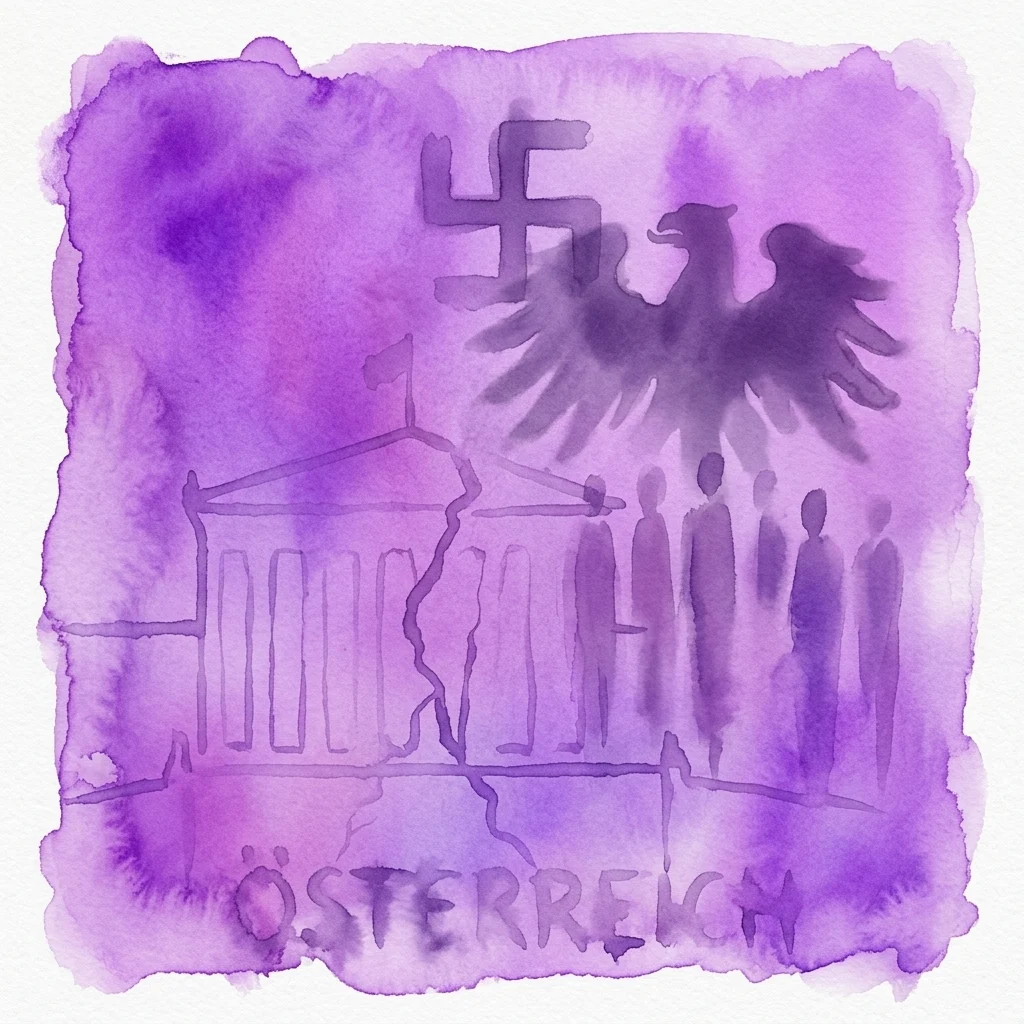
Traces of Contemporary History: Signs of Remembrance Exhibition at St. Stephen's Cathedral Vienna
Delve into Vienna's St. Stephen's Cathedral to uncover historical symbols, art, and architecture reflecting remembrance and the past.
This exhibition at St. Stephen's Cathedral in Vienna meticulously examines artistic contributions and material choices reflecting the site's historical engagement. It presents a thoughtful exploration of remembrance, tracing connections from clock faces and stained glass to salvaged materials from the former Palais Rothschild. Discover how these elements serve as powerful signs of commemoration for National Socialist era victims, deeply embedded within the cathedral's fabric.
About Traces of Contemporary History. Signs of Remembrance at House of Austrian History in Vienna
Read curatorial context and practical visitor information for Traces of Contemporary History. Signs of Remembrance at House of Austrian History in Vienna
Exhibition summary
This exhibition explores historical traces and symbols of remembrance within St. Stephen's Cathedral, Vienna. It delves into the artistic contributions to clock faces and stained glass, as well as the use of materials from the former Palais Rothschild, reflecting on the site's engagement with its past and the commemoration of National Socialist era victims.
Curatorial context
The display 'Traces of Contemporary History. Signs of Remembrance' examines significant historical elements within St. Stephen's Cathedral, Vienna. It highlights the artistic creations on the cathedral's clock faces and windows, specifically mentioning the clock face redesigned in 1961 by Rudolf Hermann Eisenmenger, which symbolizes themes of heaven, death, judgment, and hell. It also details the Pfingstfenster (Pentecost Window) by Otto Hurm, created during a chapel restoration. The exhibition notes the context of these commissions, acknowledging artists whose careers continued after the NS-era, including those listed on the 'Gottbegnadeten-Liste' and NSDAP members. Further, it points to the use of sandstone from the Palais Rothschild, a former SS administrative center, in the cathedral's construction post-1938. The narrative also traces the development of memorial sites within the cathedral, particularly the Barbarakapelle, which houses earth from Auschwitz-Birkenau and Mauthausen, and a bust by Alfred Hrdlicka honoring Sister Maria Restituta. Finally, it touches upon visible inscriptions on the cathedral's facade from the 1945 Battle of Vienna, marking it as a 'liberated building' by the Red Army and potentially bearing the symbol of the resistance group O5.
Admission and ticket notes
Information regarding tickets, including adult entry and annual passes, is available. Visitors are directed to the shopping cart for purchase and can select quantities for individual or group bookings. Details about personalization for annual passes are also provided.
Traces of Contemporary History. Signs of Remembrance key exhibition facts
Review exhibition status, schedule, venue context, and attribution details for Traces of Contemporary History. Signs of Remembrance at House of Austrian History in Vienna
Venue
House of Austrian History
Current status
Open now
Exhibition schedule
Information not currently available
Artist line / attribution
Features artworks by Rudolf Hermann Eisenmenger and Otto Hurm for clock faces and windows, and a bust by Alfred Hrdlicka. The text also acknowledges the role of artists whose careers continued post-NS-era, including those associated with the Palais Rothschild and the 'Gottbegnadeten-Liste'.
Vienna
Discover Current Exhibitions in Vienna: Your Essential Exhibition Search Guide
Explore Vienna's dynamic art and cultural displays today.
Find compelling art, history, and science exhibitions happening throughout Vienna. This specialized resource helps you locate unique cultural experiences and plan your visit to inspiring displays. Explore Vienna's rich cultural scene with ease.