Vienna
Open now

Uncertainty and Vision: 'What Should Happen with the Half-Finished Building?' Exhibition at Vienna's Neue Burg

Uncover the compelling post-WWI saga of Vienna's Neue Burg and the competing proposals for its unresolved future.

Delve into the fascinating history of Vienna's Neue Burg, a prominent imperial structure that faced an uncertain future after the end of the monarchy. This exhibition explores the significant challenge of its unfinished state following World War I, prompting numerous debates on its potential uses. Learn about the diverse proposals, from grand hotels and casinos to pivotal roles for the city's leading museums and national library, shaping the urban landscape of Vienna.

About 'What Should Happen with the Half-Finished Building?' at House of Austrian History in Vienna

Read curatorial context and practical visitor information for 'What Should Happen with the Half-Finished Building?' at House of Austrian History in Vienna

Exhibition summary

This exhibition delves into the history of the Neue Burg in Vienna following the end of the monarchy. It explores the uncertainty surrounding the unfinished building and the diverse ideas proposed for its future use, from hotels and casinos to museum and library spaces.

Curatorial context

Following the end of the monarchy, the Wiener Hofburg was unexpectedly stripped of its original function. While the older wings housed various offices and residences, the future of the Neue Burg remained uncertain. Its interior construction, halted during World War I, left the young republic unable to afford its completion. A crucial question arose, as highlighted in an article from the 'Neues Wiener Tagblatt' on April 29, 1920: 'One would first have to know what to do with this house before building it; its purpose should determine how to continue the construction.' Proposals for the Neue Burg's future use were abundant, ranging from a palace hotel, a gaming casino, a traditional Austrian wine tavern (Heuriger), a cinema, to a large entertainment establishment. However, the most significant interest came from the Kunsthistorisches Museum, the Naturhistorisches Museum, and the National Library, all located in the former imperial area and in urgent need of space. The official transfer of the Hofburg to the Austrian federal administration in autumn 1921 marked a first step. Financial utilization took precedence, and the Vienna Trade Fair soon became a temporary tenant. They did not require the completion of all interior spaces, as the grand staircase and adjacent rooms sufficed for presenting the latest goods. The following year, art historian Hans Tietze developed a concept for museum reform for the Ministry of Education. In 1924, the federal government decided to dedicate the Neue Burg to museum and library purposes. To finance the expansion, the state planned to lease the ground floor to a private operator for a café and restaurant. The other floors were to be shared by the Kunsthistorisches Museum, the Naturhistorisches Museum, and the National Library. However, the leasing of the ground-floor spaces failed, meaning the future users of the upper floors also had to wait until new funding was secured. The Völkerkundemuseum, now the Weltmuseum Wien, finally began moving in in 1928, but the decades-long 'tug-of-war for the castle' among various museums and institutions had only just begun.

Admission and ticket notes

Information regarding ticketing and admission is not directly provided on this page. Visitors interested in accessing the House of Austrian History or its exhibitions are advised to check the official website for current details.

'What Should Happen with the Half-Finished Building?' key exhibition facts

Review exhibition status, schedule, venue context, and attribution details for 'What Should Happen with the Half-Finished Building?' at House of Austrian History in Vienna

Venue
House of Austrian History
Current status
Open now
Exhibition schedule
Information not currently available
Artist line / attribution
Information not currently available
More from House of Austrian History
Explore additional exhibitions from the same institution
Review other exhibitions from House of Austrian History in Vienna to compare themes, timelines, and program direction while planning your museum visit.
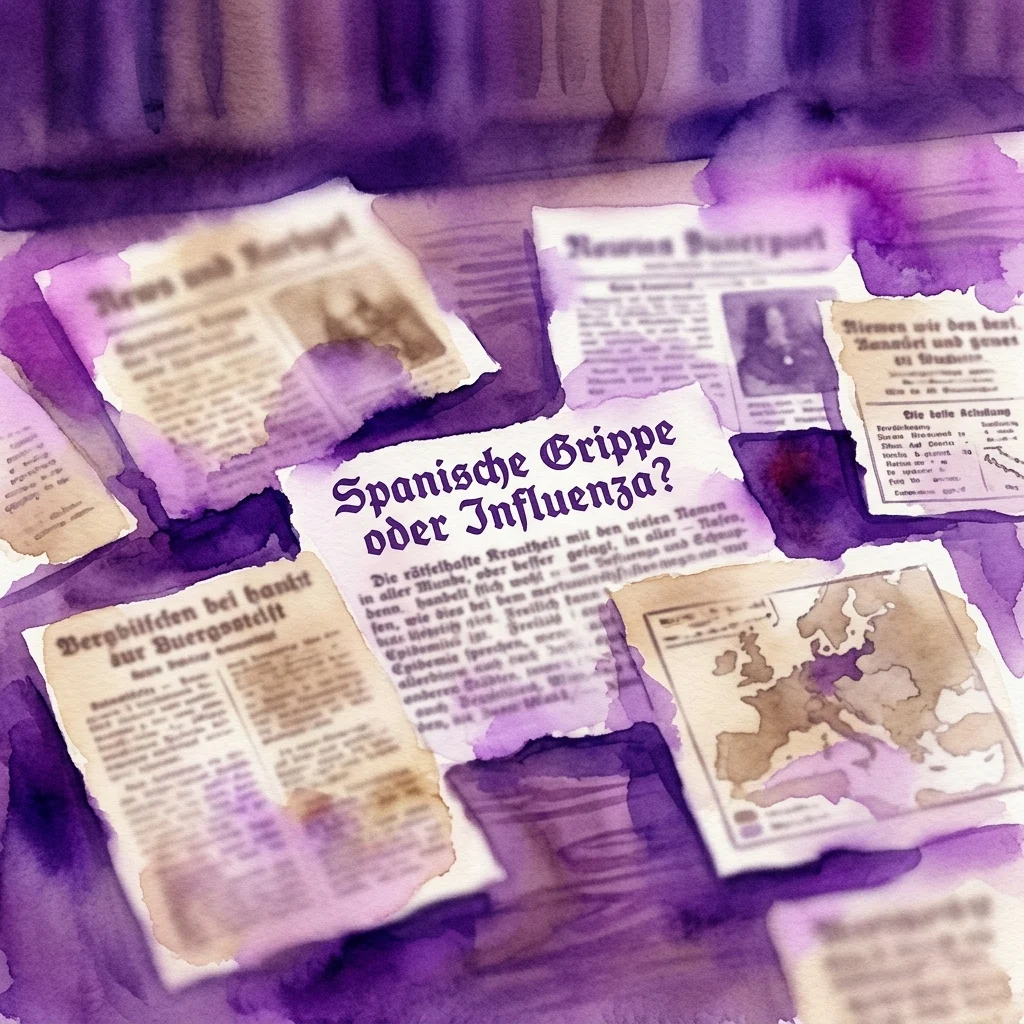
Collage of German newspaper clippings with a purple wash, headlined 'Spanische Grippe oder Influenza?', illustrating historical pandemic reporting.
Permanent exhibition

How the Pandemic Became 'Spanish' Exhibition: Media and History

An analysis of wartime censorship and the 1918 influenza pandemic.

Discover the historical context behind the naming of the 1918 pandemic. This research-based exhibition explains how media outlets masked the virus's true scale while focusing on wartime updates.

Pandemic History Exhibition
Discover the Historical Exhibition: 1933 and Austrian State Tourism Advertising
Permanent exhibition

Discover the Historical Exhibition: 1933 and Austrian State Tourism Advertising

Explore how Austria's government shaped national tourism promotion.

Examine the transformation of tourism advertising into a state task in Austria starting in 1933. This historical overview details visual campaigns and their foundational impact on creating a major tourist destination.

Exhibition Details
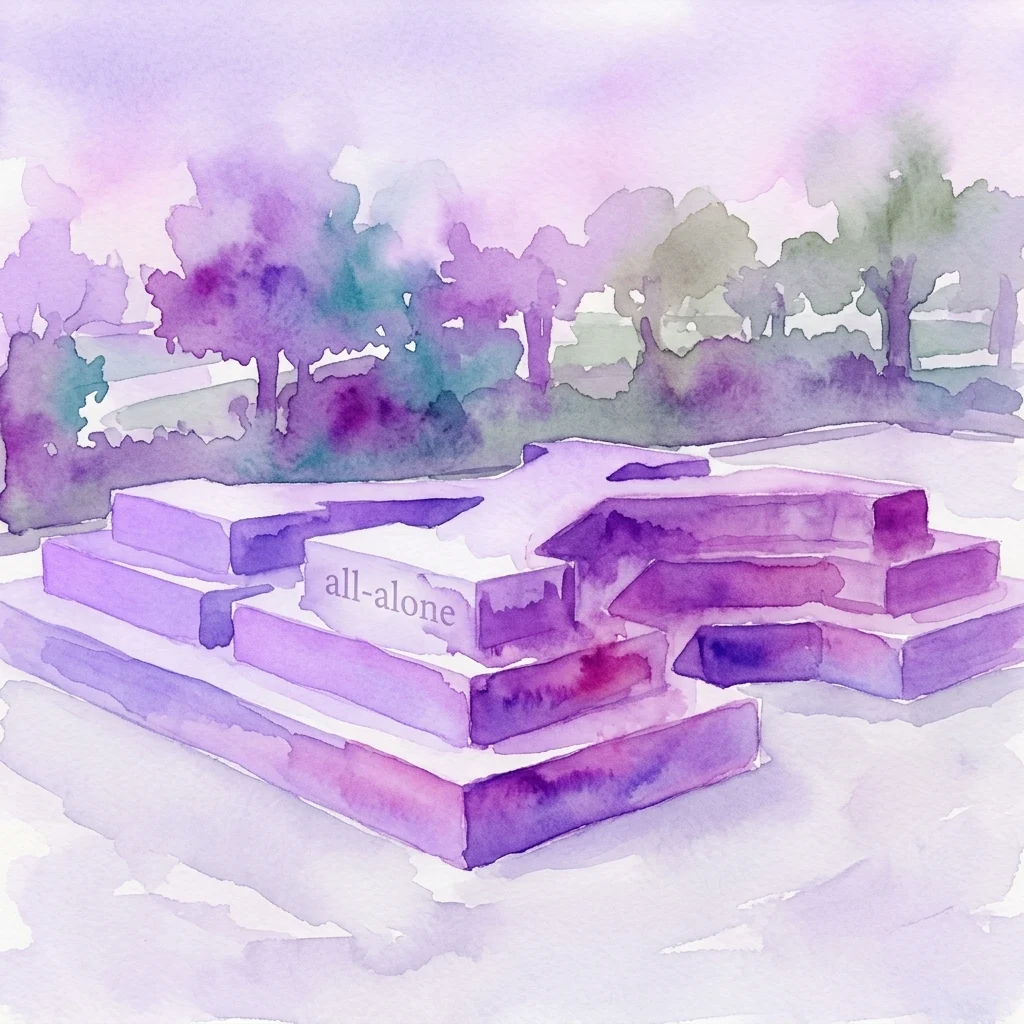
Vienna's Memorial to Nazi Military Justice Victims: A Public Art Tribute
Permanent exhibition

Vienna's Memorial to Nazi Military Justice Victims: A Public Art Tribute

Designed by Olaf Nicolai, honoring WWII victims of military courts.

This significant memorial on Vienna's Ballhausplatz commemorates those persecuted by Nazi military justice during World War II. Discover the artwork by Olaf Nicolai, featuring the poignant 'all – alone' inscription, a powerful reflection on historical accountability.

Memorial Details
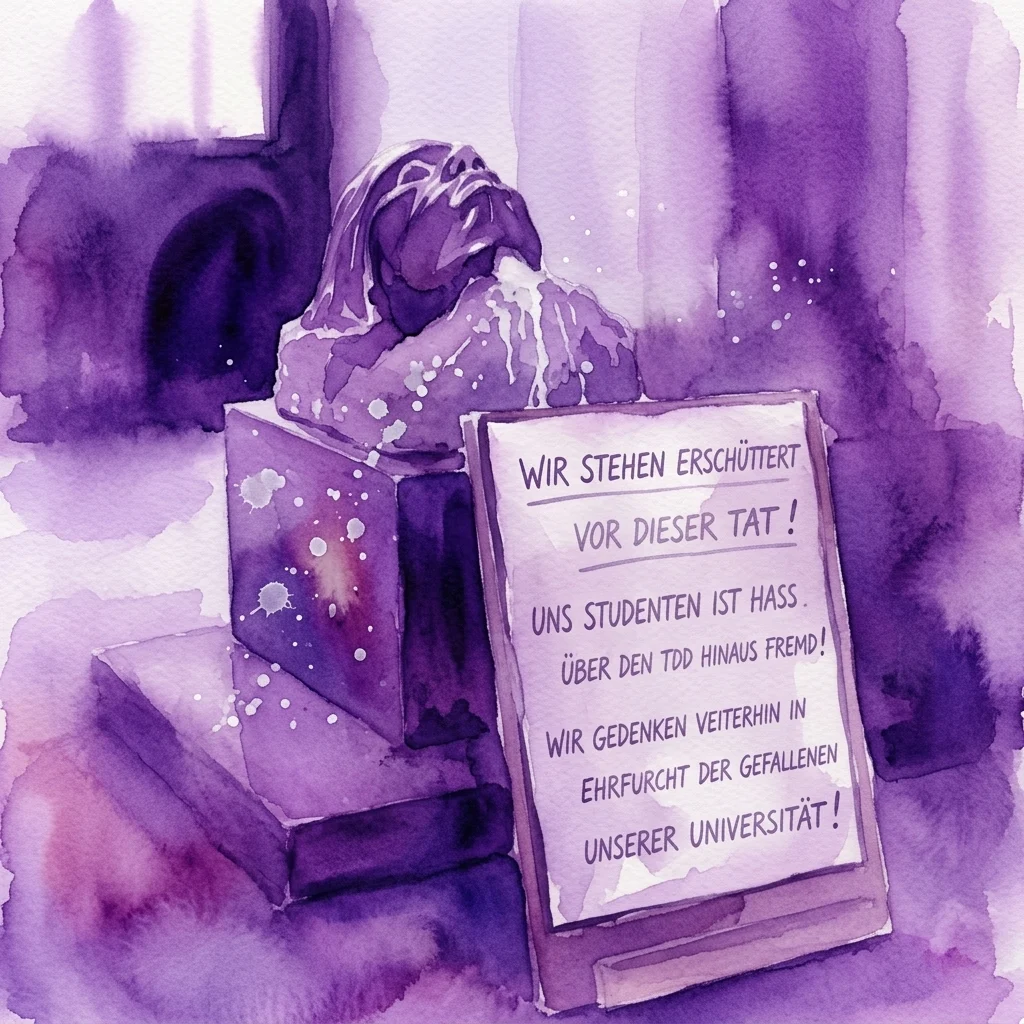
Siegfriedskopf: Exploring a German Nationalist Memorial Site in Vienna
Permanent exhibition

Siegfriedskopf: Exploring a German Nationalist Memorial Site in Vienna

Uncover the monument's controversial history and artistic reinterpretation.

This exhibition traces the 'Siegfriedskopf,' a Vienna monument originally dedicated to WWI fallen, through its co-option by German nationalist groups. Learn about its transformation from 1923 to its reinterpretation as a critical memorial site, inviting reflection on a complex past.

Siegfriedskopf Memorial
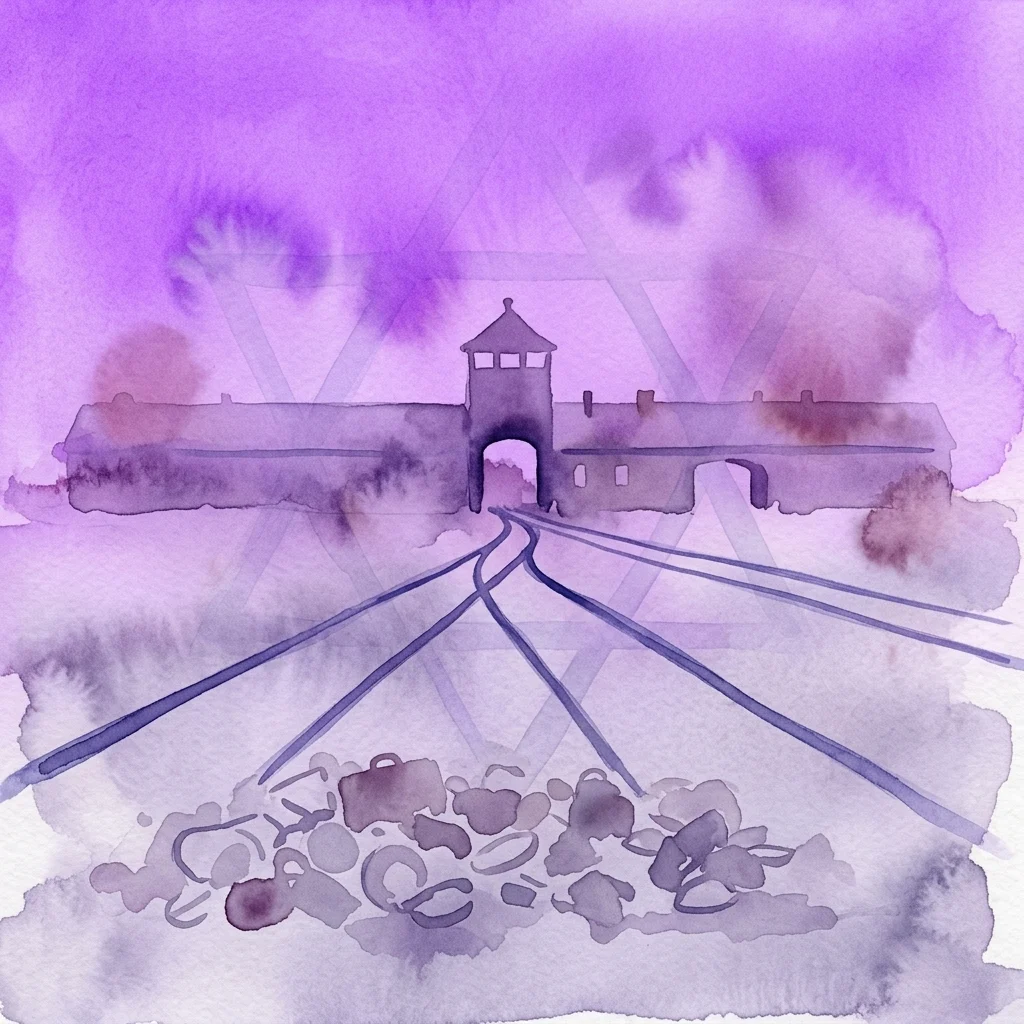
Explore the 1939–1945 Shoah Exhibition at the House of Austrian History
Permanent exhibition

Explore the 1939–1945 Shoah Exhibition at the House of Austrian History

A comprehensive historical entry on the systematic genocide of Jewish people.

Delve into the Shoah, known as the Holocaust, and its profound impact during World War II. This permanent exhibition at the House of Austrian History details the organized persecution of Jewish communities and other groups by Germans and Austrians.

View Exhibition Details
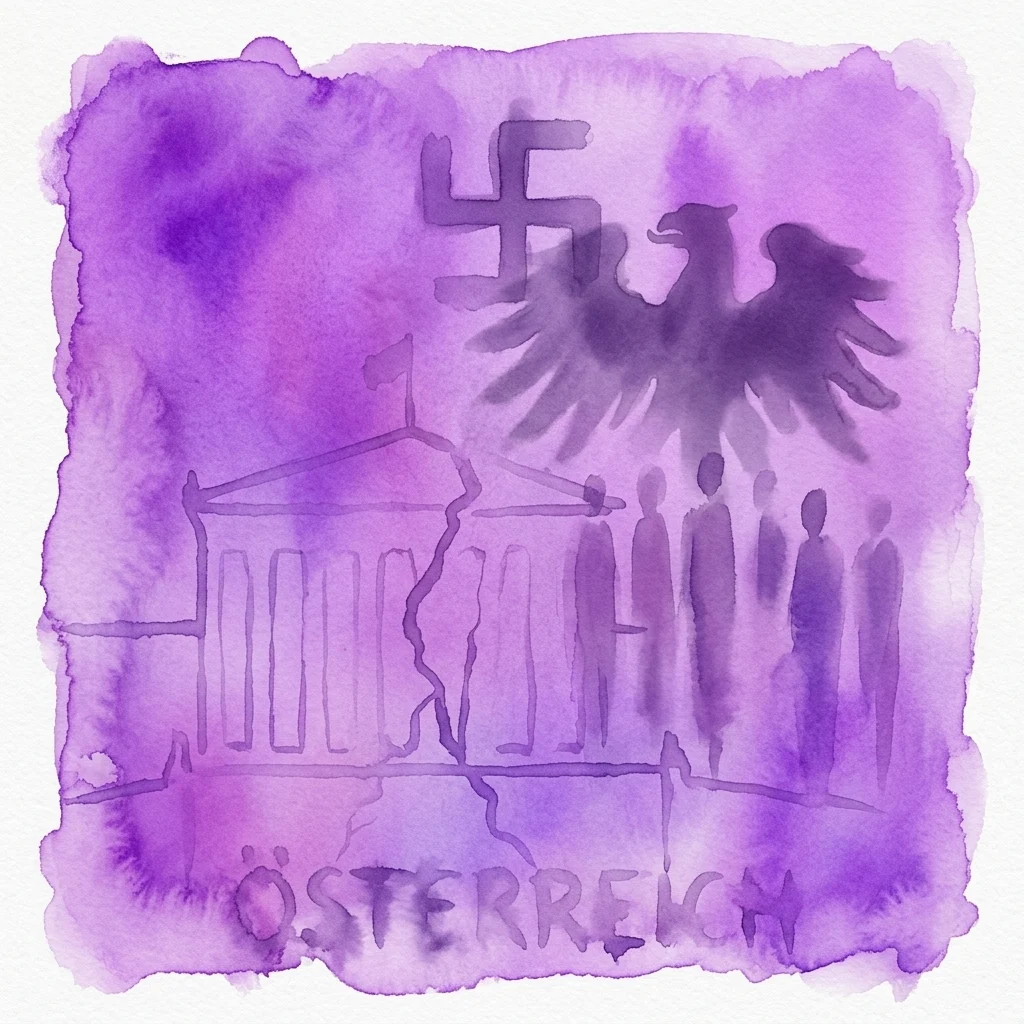
The Dollfuß-Schuschnigg Dictatorship: Exploring Authoritarian Rule in Austrian History
Permanent exhibition

The Dollfuß-Schuschnigg Dictatorship: Exploring Authoritarian Rule in Austrian History

Understand the dismantling of democracy and political shifts in 20th century Austria.

Discover this comprehensive exhibition on the Dollfuß-Schuschnigg dictatorship at the House of Austrian History. Explore the 1933-1938 era, detailing the rise of authoritarianism and its profound impact on Austrian history. Understand key political figures and events of this critical period.

Exhibition Details
Vienna

Discover Current Exhibitions in Vienna: Your Essential Exhibition Search Guide

Explore Vienna's dynamic art and cultural displays today.

Find compelling art, history, and science exhibitions happening throughout Vienna. This specialized resource helps you locate unique cultural experiences and plan your visit to inspiring displays. Explore Vienna's rich cultural scene with ease.